


Obraz odpovídá vašim volbám: , .
Biografie umělce
Augustus Vincent Tack (1870-1949) byl americký malíř známý portréty a abstraktní duchovností. Objevte jeho dílo v prestižních sbírkách.
 Zobrazit více
Ručně malovaná olejová reprodukce
Rukou malované olejné plátno v libovolném rozměru i s rámem, vyrobené našimi umělci na zakázku. ( Přepnout na tisk Přepnout na digitální obraz)
Více informací o tomto obrazu
 Náhled v interiéru
 Sdílet
 Sdílet
 Podrobnosti o díle
 Průvodce

 Stáhnout
 Podobné položky
 Rentgenové snímky
 Slideshow
 Otázky a odpovědi
 Statistiky
Objednejte si svůj obraz ve čtyřech jednoduchých krocích
Nespěchejte. Každou odpověď můžete změnit; cena v košíku se bude přizpůsobovat každé vaší volbě.
1 První krok ze čtyř
Jakou velikost si přejete?
Tyto velikosti zachovávají proporce původního obrazu. Návrh ukazuje vaši volbu na stěně nad dvumetrovou pohovkou.
nebo zadejte vlastní rozměry
Vyberte si z našich přednastavených velikostí, které odpovídají původním proporcím díla.

Zadejte šířku a výšku, které potřebujete pro váš rám nebo stěnu. Protože se jedná o ruční malbu, při výběru jiného formátu může umělec kolem obrazu domalovat o něco více, nebo jej mírně oříznout — rozhodnete si vy. Před zahájením malby vám zašleme digitální náhled ke schválení. Obraz zobrazený na této stránce neodpovídá skutečnému výsledku — pouze digitální náhled jej zobrazuje.
2 Druhý krok ze čtyř
Jak by mělo být připraveno: srolované, na plátno natažené nebo v rámu?
Ceny níže platí pro rozměr, který jste si zvolili v prvním kroku.
Vyberte si okraje plátna
Vyberte si rámeček

Bílé okraje Kč1

Rozostřené okraje Kč1

Prodloužené okraje Kč1

P118B Kč10

P118H Kč10

P118W Kč10

P438Z Kč10

P508JH Kč12

P508YH Kč12

P805H Kč10

P805Z Kč10

P919BZ Kč10

P919G Kč10

P919XJ Kč10

P959ZH Kč10

P968JZ Kč12

W106C Kč8

W218G Kč10

W218JH Kč8

W218Y Kč10

W307PJ Kč10

W316G Kč10

W316PJ Kč8

W316Y Kč10

W398PJ Kč8

W4111J Kč10

W500HY Kč15

W500JH Kč15

W692G Kč12

W849H Kč8

W940BG Kč15

W953PJ Kč8

H24-GOLD Kč30

H24-SILVER Kč30

H36-GOLD Kč45

H36-SILVER Kč45
V rámu
Profil: . Celkové rozměry včetně rámu: .
3 Třetí krok ze čtyř
Přejete si v malbě něco změnit?
Většina lidí odpoví ne. Protože každý obraz je vytvořen ručně, náš umělec jej pro vás může také upravit.
Po přijetí objednávky vám tým ArtsDot.com pošle e-mail s instrukcemi a poskytne náhled návrhu
4 Čtvrtý krok ze čtyř
Několik možností provedení
Všechny jsou volitelné. Již zvolené odpovědi nesepisují žádné dodatečné náklady.
Kdo je autor?
Celosvětová doprava () za 3–4 týdny namísto standardních 5 týdnů. (9 listopad). Bez kompromisů v kvalitě.
Štítek jako v muzeu?
Detaily ryté bronzové plakety
This elegant plaque features the artist's name and the title of the artwork, finely engraved for a timeless presentation.
It is made from bronze with a refined, elegant finish. The text is precisely laser-engraved for a sharp and permanent result. Measuring 9x2 cm, the plaque is compact yet easy to read. It's built to be durable and scratch-resistant, offering a professional, museum-quality look. Mounting is simple thanks to the included adhesive backing.
Detaily průhledné akrylové desky
The plaque includes essential engraved details such as the artist's name, the title of the artwork, the date it was created, the type of media used-like oil on canvas or watercolor-a brief description of the piece, and a QR code that links to the complete artwork information.
It is crafted from clear acrylic, offering a sleek, modern appearance. The text is UV-engraved in black to ensure strong visual contrast. With a size of 10x15 cm, it ensures optimal readability. It comes equipped with two metal hooks for secure wall mounting. The plaque is designed to be weather-resistant, making it suitable for various environments, and it includes interactive features that work seamlessly with smartphone scanning.
Detaily černé akrylové destičky
This elegant plaque includes engraved information such as the artist's name, the title of the artwork, the date it was created, the type of media used (like oil on canvas or watercolor), a short description of the artwork, and a QR code for quick access to more information.
The plaque itself is made from refined black acrylic with a premium finish. The text is laser-engraved in white for high contrast and readability. Its size is 10x15 cm, designed to be easy to read. It comes with two metal hooks for professional mounting. The design is sleek and fits any interior style. It is also weather-resistant and durable, with built-in digital integration for mobile compatibility.
Ochranný lak?
Kdy jej potřebujete?
✓ Kontrola a objednávka
Váš obraz přesně podle objednávky

The High Command Left Panel
Technika reprodukce
Rozměry reprodukce
-

Vybraní mistři umění
Vyšší míra detailu, jemnosti a delší doba výroby
-

Možnosti rámování reprodukcí
-
-
U děl nebo reprodukcí, u nichž je jakákoliv strana větší než 105 cm (přibližně 41 palců), bude rám dodán jako sestava v rozloženém stavu. Tato metoda zajišťuje bezpečné doručení a chrání dílo před poškozením během přepravy.
Vyžaduje se odborná montáž – nejedná se o produkt pro svépomocnou realizaci (DIY).
Sestava musí být složena a plátno napnuto zkušeným profesionálním rámovačem s použitím dřevěného lepidla (není součástí balení), kleští na napínání plátna a svorek pro udržení pravých úhlů křížů během schnutí lepidla. Nesprávná montáž nebo nerovnoměrné napnutí plátna může způsobit trvalé poškození uměleckého díla, které není kryto naší zárukou.
 U děl nebo reprodukcí, u nichž je jakákoliv strana větší než 105 cm (přibližně 41 palců), bude rám dodán jako sestava v rozloženém stavu. Tato metoda zajišťuje bezpečné doručení a chrání dílo před poškozením během přepravy.
Jsou zahrnuty všechny lišty z masivního dřeva, přesně na míru nařezané.
Sestavuje se pomocí součástí balení (šroubů), plus dřevěného lepidla na rohové spoje, které není součástí balení a musí jej zajistit váš rámovač.
Vyžaduje se profesionální nářadí, které není součástí sady: kleště na napínání plátna a svorky pro udržení kolmosti příček během schnutí lepidla.
Důležité:
Spoje v rozích vyžadují lepidlo na dřevo, tyčinky musí být přichyceny pomocí svorek, dokud lepidlo zcela neuschne, a pro napnutí plátna na sestavený rám je zapotřebí kleští na natahování plátna. Žádný z těchto náčiní není součástí sady. Před objednáním této velikosti prosím zajistěte zkušeného profesionálního rámovače.

Popisek díla
-
-

Ochranný lak
Lesklý lak (zvýrazňuje barvy, chrání před světlem a vlhkostí)
-

Přizpůsobit své umělecké dílo
Příklady možných úprav: nahrazení obličeje fotografií zákazníka; přidání domácího mazlíčka (např. výměna kočky za psa); vložení skrytého vzkazu do pozadí; změna krajiny nebo prvků v pozadí.
-

Prioritní doručení
Celosvětové doručení () za 3–4 týdny namísto standardních 5 týdnů. (9 listopad). Bez kompromisů v kvalitě.
-
Expresní doručení
Celosvětová doprava () do 5 týdnů. (16 listopad).
V ceně
Celková cena za vybrané možnosti reprodukcí
Kč 5726
Skleněná varianta je dostupná pouze u rozměrů menších než 110 cm
Součást každé objednávky
- Zdarma celosvětová expresní doprava
- Vysoce kvalitní lněné plátno
- Kompletní pojištění přepravy
- Záruka vrácení celního poplatku
- Záruka věrného barevného souladu
- 100dení lhůta pro vrácení zboží (pouze při vadách výroby)
- 100% záruka vrácení peněz
- Sleva při více objednávkách


Podobná díla


Augustus Vincent Tack
1870 - 1949, Spojené státy americké
Biografie umělce
Augustus Vincent Tack: Pionýr spirituální krajiny
Augustus Vincent Tack (1870 – 1949) představuje jedinečnou postavu v dějinách amerického umění, známou především díky svému nezaměnitelnému spojení realismu a abstrakce – stylistickému přístupu, který předznamenal vznikající hnutí abstraktního expresionismu. Narodil se v Pittsburghu v Pensylvánii a jeho umělecká cesta začala formálním výcvikem na St. Francis Xavier College, než si dále zdokonalil své schopnosti v Art Students League v New Yorku. Zde nasával vlivy od světlyjších postav, jako byl John La Farge, jehož studio pravidelně navštěvoval. Toto formativní období položilo základy pro jeho pozdější průzkumy v oblasti pejzařství a především pro hluboce symbolické reprezentace přírody – téma, které bude definovat velkou část jeho díla. Tackova bohatá umělecká dráha, která začala svou oficiální cestou výstavou v Kraushaar Galleries v roce 1896, byla charakteristická neustálým zapojením do významných institucí, jako jsou Worcester Art Museum, Carnegie International Exhibitions či Pennsylvania Academy of Fine Arts. Jeho spolupráce s Duncanem Phillipsem – zejména jejich účast v Allied War Salon v roce 1918 – dokázala nejen jeho společenské vazby, ale také jeho závazek věnovat se naléhavým společenským otázkám prostřednictí umělecké výtvarnosti. V hledání inspirace a sounáležitosti se Tack přestěhoval do Deerfieldu v Massachusetts, kde založil uměleckou kolonii a požil v manželství s Agnes Gordon Fuller, dcerou slavného malíře Georgea Fullera. Tento svazek vytvořil podporující prostředí příznivé pro tvůrčí činnost a upevnil jeho postavení v umělecké komunitě. Jeho pedagogická činnost však sahala daleko za hranice Deerfieldu; mezi lety 1906 a 1910 přednášel na Art Students League v New Yorku a následně od roku 1910 do 1913 působil jako pedagog na Yale University, kde předával svou uměleckou vizi nové generaci tvůrců.Výrazný styl: Realismus prostoupený mystikou
Tackův umělecký styl vynikal pečlivým vyvážením mezi tradičním realismem a evokativní abstrakcí. Zatímco jeho portréty dodržovaly akademické konvence – zachycovaly podobu s precizní detailností a dramatickým osvětlením – jeho krajiny přesahovaly pouhé zobrazení reality a pronikaly do sféry duchovní kontemplace. Díla jako „Time and Timelessness“ tento přístup dokonale ilustrují tím, jak sousedí geometrické tvary s figurativními prvky, aby vyjádřily pocit nesmrtelné krásy a hlubokého symbolismu. Kritici poznamenávali, že Tackova práce „byla současnou reinterpretací devatenáctthletého hrdinského idealismu“, což podtrhuje její ambici povznést diváka nad to, co je všední. Mezi jeho nejslavnější díla patří „The High Command Right Panel“ (1949), zobrazující námořní důstojníky s mistrovským realismem a kompoziční komplexností; portréty Harryho S. Trumana a Elihu Roota – vytvořené v letech 1948 a 1922 – které demonstrují Tackovu schopnost vyjádřit charakter a emoce prostřednictvím jemného vedení štětcem; a také „Time and Timelessness“, pejzážní mistrovské dílo odrážející jeho fascinaci duchovními tématy.Odkaz a uznání
Navzdory komerčním neúspěchům zůstává Tackův umělecký odkaz trvalým předchůdcem abstraktního expresionismu – hnutí, které v desetiletích po jeho smrti zásadně přetvořilo tvář amerického umění. Jeho obrazy jsou zastoupeny v významných sbírkách a nadále inspirují umělce i vědce. Přínos Augustuse Vincenta Tacka do americké umělecké scény nespočívá pouze v jeho stylistických inovacích, ale především v jeho neochvějné snaze o hledání umělecké pravdy – což je důkazem nesmrtelné síly představivosti a vize.Související články
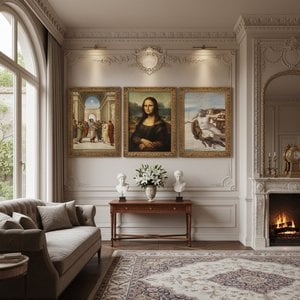
10 mistrovských děl renesance: Umění, které změnilo svět | ArtsDot.cz
Objevte 10 ikonických děl renesance – od Leonarda da Vinciho po Michelangela. Prozkoumejte příběhy, techniky a nadčasovou krásu těchto mistrovských kousků. Reprodukce obrazů nejvyšší kvality na ArtsDot.cz! Inspirace pro váš interiér.