

 Sdílet
 Sdílet
 Podrobnosti o díle
 Průvodce

 Stáhnout
 Podobné položky
 Slideshow
 Otázky a odpovědi
 Statistiky
Madame Sabatier


 Zobrazit více
Giclée / Umělecký tisk
Giclée nebo plátěný tisk muzeální kvality s rychlou výrobou a širokou nabídkou povrchových úprav. ( Koupit ručně malovaný obraz Přepnout na digitální obraz)




































Vyberte si z našich přednastavených velikostí, které odpovídají původním proporcím díla.

Zadejte šířku a výšku, které potřebujete pro váš rám nebo stěnu. Tisk lze pouze oříznout, nikdy však nelze zvětšit obraz nad jeho původní rozměr, proto při výběru jiného formátu dochází ke ztrátě části obrazu. Před samotným tiskem vám zašleme digitální náhled k schválení. Obraz zobrazený na této stránce nenabízí skutečný výřez — ten uvidíte pouze v náhledu.
Celosvětové doručení () do 2 týdnů namísto standardních 4/5 týdnů. (7 listopad)

Zdarma celosvětová expresní doprava

Vysoce kvalitní lněné plátno

Kompletní pojištění přepravy

Záruka vrácení celního poplatku

Záruka věrného barevného souladu

100dení lhůta pro vrácení zboží (pouze při vadách výroby)

100% záruka vrácení peněz

Sleva při více objednávkách
 Skleněná varianta je dostupná pouze u rozměrů menších než 110 cm

Madame Sabatier
Giclée / Umělecký tisk
Rozměry reprodukce
-


Celková cena za vybrané možnosti reprodukcí
Kč 1373
The Serene Gaze of Madame Sabatier
To stand before the likeness of Madame Sabatier is to encounter a moment suspended in time—a breath held between classical grace and quiet introspection. This marble bust, executed by Auguste Clésinger, transcends mere portraiture; it is an embodiment of refined elegance. The subject’s countenance, captured with such meticulous attention, invites the viewer into a world of serene contemplation. One cannot help but feel the weight of history settling upon those beautifully sculpted features, suggesting a life lived with dignity and profound inner grace.
Neoclassical Mastery in Marble
Clésinger’s handling of this piece firmly roots it within the Neoclassical tradition, an era that revered idealized human form and classical antiquity. Yet, while adhering to these established principles—the smooth, flowing lines defining the neck and brow, the balanced composition—he imbues the work with a palpable sense of life. Observe the interplay between the polished marble skin and the richly textured drapery cascading across her shoulders. The artist has achieved a remarkable illusion; the cold permanence of stone seems to whisper tales of soft fabric and living flesh. This technical brilliance is what makes reproductions so valuable, allowing modern admirers to connect with such masterful handling.
Symbolism and Emotional Resonance
The emotional core of Madame Sabatier lies in her gaze. It is direct, yet utterly unchallenging—a look that speaks volumes without uttering a single word. This quietude suggests not only personal refinement but perhaps a touch of melancholy, the beautiful ache of memory. The bust functions as a powerful symbol of enduring beauty and timeless femininity. For those decorating a space, this piece offers an immediate elevation of mood, introducing an atmosphere of cultured calm that anchors any room.
A Touch of 19th-Century Context
Created around 1847, this work emerges from a period where art was deeply engaged with the rediscovery and reinterpretation of classical ideals. While Clésinger’s career saw him incorporating elements of Realism alongside his Neoclassical foundation, Madame Sabatier remains a testament to his ability to capture idealized beauty within a highly skilled technical framework. Owning or displaying a reproduction of this bust is not merely acquiring art; it is curating a piece of 19th-century artistic dialogue, connecting the contemporary admirer directly to the salons and studios of Parisian masters.
Otázky a odpovědi
Kde najdu průvodce k dílu "Madame Sabatier"?
Stránka Průvodce pro studenty díla „Madame Sabatier“ od Auguste Clésinger nabízí tištěný dvoulistový informační list: samotné umělecké dílo s identifikační tabulkou, časovou osu situující dílo do období života umělce, další díla daného autora, naměřenou barevnou paletu a citace ve čtyřech stylech připravené pro okamžité zkopírování.
Je dílo „Madame Sabatier“ volné z autorských práv?
Co se týče autorských práv, dílo "Madame Sabatier" spadá do v rámci volného užití – autorská práva vypršela.
Kde mohu najít statistiky k dílu „Madame Sabatier“ od Auguste Clésinger?
Statistiky k dílu „Madame Sabatier“ od Auguste Clésinger naleznete na stránce Statistiky tohoto díla: měsíční návštěvnost díla, návštěvnost děl daného umělce a rozpis nedávných návštěvníků podle zemí a jazyků.
Podobná díla


Biografie umělce
Auguste Clésinger: Life and Legacy
Early Life and Training
- Born: October 22, 1814, in Besançon, France.
- Auguste Clésinger came from an artistic family; his father, Georges-Philippe Clésinger, was a sculptor who provided Auguste with his initial training.
- This early exposure instilled in him a foundational understanding of sculptural techniques and aesthetics.
Artistic Development and Style
- Clésinger’s artistic style evolved through the 19th century, initially embracing Neoclassical principles but gradually incorporating elements of Realism and Romanticism.
- He skillfully blended technical precision with emotional intensity in his works.
- His sculptures often depict dramatic narratives and sensuous figures, showcasing a mastery of anatomy and form.
Major Works and Achievements
- Woman Bitten by a Serpent (1847): This sculpture caused a sensation at the Paris Salon due to its dramatic realism and erotic undertones. It was modeled from life casts of Apollonie Sabatier.
- Madame Sabatier (1847): A marble portrait of his model, Apollonie Sabatier, further establishing Clésinger’s reputation for capturing beauty and sensuality.
- Chopin's Funerary Monument (1850): Commissioned after the composer Frédéric Chopin’s death, this white marble monument at Père Lachaise Cemetery is a poignant tribute to the musician.
- Angel of Grief: A deeply moving sculpture embodying Baroque drama and pathos.
- He also created busts of prominent figures like Rachel Félix and Théophile Gautier, and a statue of Louise of Savoy.
Influences and Relationships
- Influenced by: His father, Georges-Philippe Clésinger, provided his initial artistic foundation.
- Clésinger’s association with Apollonie Sabatier, a salonnière and mistress of several prominent artists including Charles Baudelaire, exposed him to intellectual and artistic circles.
- His marriage in 1847 to Solange Dudevant, daughter of George Sand, further connected him to literary society.
Historical Significance and Legacy
- Clésinger’s work reflects the artistic currents of 19th-century France, bridging Neoclassicism with emerging Realist tendencies.
- Recognition: He received the Knight's Cross of the Légion d'honneur in 1849 and was promoted to Officer in 1864.
- His sculptures continue to be admired for their technical skill, emotional depth, and dramatic impact. His works are displayed at prominent museums such as the Musée d’Orsay.
- Death: He died on January 5, 1883, in Paris, and is buried in Père Lachaise Cemetery.

Auguste Clésinger
1814 - 1883 , France
Rychlé informace o umělci
- Birth Date: 1814-10-22
- Death Date: 1883-01-05
- Influenced: None, 'influenced by': 'Georges-Philippe Clésinger (father)', 'movement': ['Realism', 'Romanticism'], 'name': 'Auguste Clésinger', 'nationality': 'French', 'notable works': ['Woman Bitten by a Serpent', 'Angel of Grief', 'Madame Sabatier',
- Birth Place: Besançon, France
- Date Of Birth: 1814
- Date Of Death: 1883
- Place Of Birth: Besançon, France
Související články

The Enduring Form: Exploring Themes & Techniques in Sculpture Across Historical Periods
Explore the rich history of sculpture from ancient masterpieces to contemporary innovations. Discover key techniques, influential artists & investment potential for discerning art collectors.

Pierre-Auguste Renoir: Top 25 děl impresionismu pro váš domov | ArtsDot.cz
Objevte top 25 děl Pierre-Auguste Renoira – impresionistické ikony plné světla a radosti. Prozkoumejte příběhy slavných obrazů, techniky malby a inspirujte se pro váš domov s ArtsDot.cz! Reprodukce obrazů nejvyšší kvality.
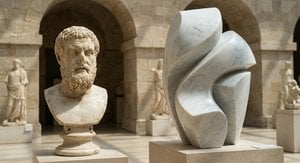
The Enduring Allure of Marble in Art History: From Classical Sculpture to Modern Abstraction
Explore the captivating history of marble sculpture from ancient Greece to modern art. Discover renowned artists like Canova & Michelangelo, carving techniques, and investment insights at ArtsDot.

10 legendárních bronzových soch, které změnily umění | ArtsDot
Objevte 10 legendárních bronzových soch od Michelangela, Rodina a dalších mistrů! Ponořte se do historie umění, technik a příběhů za těmito nadčasovými díly. Najděte inspiraci pro váš interiér s ArtsDot.com – repliky nejvyšší kvality.

The Enduring Form: Sculpture Across History, Technique & Emotional Resonance
Explore the rich history of sculpture with ArtsDot. Discover key techniques, influential artists & investment potential for discerning collectors. Expert insights into valuing and collecting timeless masterpieces.