


 Náhled v interiéru
 Sdílet
 Sdílet
 Podrobnosti o díle
 Průvodce

 Stáhnout
 Podobné položky
 Rentgenové snímky
 Slideshow
 Statistiky
Feed the Hungry


 Zobrazit více
Ručně malovaná olejová reprodukce
Rukou malované olejné plátno v libovolném rozměru i s rámem, vyrobené našimi umělci na zakázku. ( Přepnout na tisk Přepnout na digitální obraz)




P118B Kč10

P118H Kč10

P118W Kč10

P438Z Kč10

P508JH Kč12

P508YH Kč12

P805H Kč10

P805Z Kč10

P919BZ Kč10

P919G Kč10

P919XJ Kč10

P959ZH Kč10

P968JZ Kč12

W106C Kč8

W218G Kč10

W218JH Kč8

W218Y Kč10

W307PJ Kč10

W316G Kč10

W316PJ Kč8

W316Y Kč10

W398PJ Kč8

W4111J Kč10

W500HY Kč15

W500JH Kč15

W692G Kč12

W849H Kč8

W940BG Kč15

W953PJ Kč8




Vyberte si z našich přednastavených velikostí, které odpovídají původním proporcím díla.

Zadejte šířku a výšku, které potřebujete pro váš rám nebo stěnu. Protože se jedná o ruční malbu, při výběru jiného formátu může umělec kolem obrazu domalovat o něco více, nebo jej mírně oříznout — rozhodnete si vy. Před zahájením malby vám zašleme digitální náhled ke schválení. Obraz zobrazený na této stránce neodpovídá skutečnému výsledku — pouze digitální náhled jej zobrazuje.
Po přijetí objednávky vám tým ArtsDot.com zašle e-mail s pokyny a poskytne náhledovou verzi.
Celosvětová doprava () za 3–4 týdny namísto standardních 5 týdnů. (26 říjen). Bez kompromisů v kvalitě.

Zdarma celosvětová expresní doprava

Vysoce kvalitní lněné plátno

Kompletní pojištění přepravy

Záruka vrácení celního poplatku

Záruka věrného barevného souladu

100dení lhůta pro vrácení zboží (pouze při vadách výroby)

100% záruka vrácení peněz

Sleva při více objednávkách
 Skleněná varianta je dostupná pouze u rozměrů menších než 110 cm

Feed the Hungry
Technika reprodukce
Rozměry reprodukce
-


Celková cena za vybrané možnosti reprodukcí
Kč 5630
Antonio Canova’s “Feed the Hungry”: A Testament to Compassion and Neoclassical Grace
“Feed the Hungry,” created in 1795 by the Italian sculptor Antonio Canova, is more than just a depiction of a mother nurturing her child; it's a profound meditation on charity, vulnerability, and the enduring power of human connection. Executed as a plaster relief – a technique favored by Canova for its delicate texture and ability to capture subtle nuances of expression – the work embodies the core tenets of Neoclassical sculpture: idealized beauty, rational composition, and an emphasis on moral virtue. The scene unfolds with remarkable serenity; a woman, her face etched with gentle concern, offers nourishment to her infant, while a man stands beside them, seemingly observing with quiet dignity. This isn’t a dramatic tableau of suffering, but rather a quietly powerful statement about the fundamental act of caring for the most vulnerable.
Canova's mastery of marble and plaster is immediately evident in the work’s exquisite detail. Note the softness of the mother’s garments, rendered with an almost tactile quality; the delicate curve of the baby’s arm reaching out to receive sustenance; and the subtle play of light and shadow across their faces. The figures are sculpted with a remarkable sense of realism, yet they possess an undeniable grace and elegance characteristic of Canova's style. He meticulously studied classical sculpture, particularly the works of Greek artists like Phidias, striving to achieve a harmonious balance between form and emotion. This influence is palpable in the work’s balanced composition, its idealized figures, and its restrained emotional expression.
The Context of Revolutionary Italy
“Feed the Hungry” was commissioned by Abbondio Rezzonico, a wealthy Venetian nobleman with a deep commitment to social welfare. This commission occurred during a period of significant political and social upheaval in Italy – the tumultuous years following the French Revolution and the rise of Napoleon’s empire. The ideals of liberty, equality, and fraternity, championed by the revolutionaries, were spreading throughout Europe, prompting a renewed interest in humanitarianism and charitable works. Rezzonico's decision to commission Canova’s work reflects this burgeoning concern for the poor and marginalized within Venetian society. The relief served as part of a larger collection intended to adorn his villa, showcasing not only artistic beauty but also a commitment to ethical principles.
Interestingly, the choice of depicting a mother feeding her child was particularly resonant during this era. It invoked images of Roman motherhood and the nurturing role traditionally associated with women – a powerful symbol of continuity and hope amidst political instability. Canova skillfully utilized these classical associations to imbue his work with a timeless message of compassion and resilience.
Symbolism and Emotional Resonance
Beyond its historical context, “Feed the Hungry” is rich in symbolic meaning. The act of feeding represents not just physical sustenance but also spiritual nourishment – a connection between generations and a reaffirmation of human values. The man’s presence suggests a broader community responsibility; he embodies the role of protectors and providers, reinforcing the idea that caring for others is a shared duty. The overall mood is one of quiet dignity and understated tenderness, avoiding overt sentimentality. Canova masterfully conveys a sense of profound empathy without resorting to melodrama.
The work’s emotional impact lies in its ability to evoke a feeling of warmth and connection. It reminds us of the simple yet powerful act of kindness – an act that can transcend social boundaries and offer solace in times of hardship. It's a testament to the enduring human capacity for compassion, rendered with exquisite beauty and technical skill.
Reproductions and Collecting
Today, “Feed the Hungry” continues to resonate with audiences worldwide. High-quality reproductions, such as those offered by ArtsDot.com, allow art lovers to experience Canova’s masterpiece in their own homes or offices. When selecting a reproduction, consider the medium – a fine art print on archival paper will best capture the original's delicate textures and subtle tonal variations. The work’s timeless themes of charity, family, and human connection make it an ideal addition to any collection, serving as a constant reminder of our shared humanity.
Otázky a odpovědi
K kterému umělci je dílo "Feed the Hungry" připisováno?
Dílo "Feed the Hungry" se připisuje autorovi Antonin Kanava.
Jaké je místo díla „Feed the Hungry“ mezi opakovanými tématy umělce Antonin Kanava?
„Feed the Hungry“ zachycuje feeding, hungry, woman, child, nursing, relief, charity, zatímco v díle umělce Antonin Kanava se setkáváme s tématy jako classical ideals, roman influence, humanitarianism, compassion, charity, moral virtue, social concern, canova’s signature relief style. Porovnání těchto dvou aspektů odhaluje, jak toto dílo navazuje na obvyklá témata tohoto autora.
Kdy bylo dílo "Feed the Hungry" vytvořeno a ke kterému uměleckému směru patří?
Dílo „Feed the Hungry“ od Antonin Kanava pochází z roku 1795 a patří k období Neoclassical Sculpture.
Podobná díla


Biografie umělce
Antonio Canova: Mistr Mramoru a Duchu Klasicismu
Antonio Canova, jméno, které se v historii umění zní s respektem a úctou, byl bezesporu nejvýznamnějším sochařem Neoklasicistické éry. Jeho mistrovství ve zpracování mramoru, jeho schopnost vdechovat do klasických forem hluboký emocionální obsah, zajistilo mu místo mezi největšími umělci všech dob. Narodil se v malém městě Possagno na severu Itálie, v rodině kamenných řezbářů, a jeho rané životní zkušenosti byly utvářeny uměleckým prostředím, které ho obklopovalo. Jeho otec, Pietro Canova, byl zručný řemeslník, který se specializoval na menší sošky, zatímco dědeček Pasino Canova, mistr v tvorbě oltářních soch a reliéfů, hrál klíčovou roli v rozvoji jeho talentu.Raná Životní Obdoba a Vzdělávání
Canova projevoval již v dětství mimořádné schopnosti, vytvářel malé mramorové svatky, které dokazovaly jeho přirozený talent. Před desátým rokem věku vytvořil několik malých soch z mramoru, které ukazovaly jeho nadání. Poté byl učněm Giuseppe Bernardiho známého jako Torretto a Giovanni Ferrari, kteří dále rozvíjeli jeho dovednosti. Jeho studium na Akademii v Benátkách přineslo mnoho cen, což posílilo jeho reputaci jako slibného mladého umělce. V rámci monastické dílny měl prostor pro další rozvoj svého řemesla. Jeho rané zakázky, například sochy Orfea a Eurydiky pro senátora Giovanniho Faliera (1775-1777), ukazovaly začínající Rokoko styl, který předznamenal jeho pozdější Neoklasicistickou preciznost.Vzestup k Prominenci a Neoklasicistický Styl
Canova definoval Neoklasicismus jako umělecký styl, který se vyznačuje elegantními formami, idealizovanými postavami a návratem k estetickým principům starověkého Řecka a Říma. Dokázal vyhnout se melodramatičnosti Baroka a zároveň se vyvarovat chladu, kterému bývá tento styl připisován. Jeho práce byly velmi žádané v celé Evropě. Klíčové díla, jako je například *Cupid and Psyche* (1787-1793), *Pokání Magdalény* a *Herkules a Lichas*, upevnila jeho pověst po celém světě. Jeho umění bylo vyhledávané panovníky a šlechtou.Klíčové Děla a Rozpoznání
Canova se stal známým díky soškám, jako jsou *Cupid and Psyche*, *Penitent Magdalene* a *Hercules and Lichas*. Tyto díla ukázaly jeho mistrovství v práci s mramorem a jeho schopnost vdechovat do soch hluboký emocionální obsah. Jeho práce byly vyhledávané panovníky a šlechtou po celé Evropě.Vlivy a Inspirace
Canova byl silně ovlivněn antickým uměním, zejména díly starověkého Řecka a Říma. Studoval sochy v Benátkách a v Římě, kde se setkal s předními umělci a badatelů, kteří ho inspirovali k dalšímu rozvoji jeho umění. Jeho práce jsou často považovány za reinterpretace antických mýtů a legend.Závěr a Dědictví
Antonio Canova je dodnes považován za jednoho z největších sochařů všech dob. Jeho díla, která se nacházejí v muzeích po celém světě, jsou svědectvím jeho mistrovského řemesla a jeho schopnosti vdechovat do mramoru život. Jeho umění inspiruje dodnes umělce a milovníky umění po celém světě. Jeho dílo je důkazem toho, že umění může být nejen krásné, ale i hluboce emocionální a smysluplné.
Antonin Kanava
1757 - 1822 , Itálie
Rychlé informace o umělci
- Artistic Movement Or Style: Neoklasicismus
- Artists Or Movements Influenced By This Artist: ['Renesance']
- Artists Who Influenced This Artist: ['Baroko']
- Date Of Birth: 1757
- Date Of Death: 1822
- Full Name: Antonio Canova
- Nationality: Italijský
- Notable Artworks:
- Cupid & Psyche
- Grácie
- Orfeus
- Place Of Birth (City And Country): Possagno, Itálie
Související články
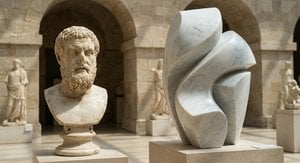
The Enduring Allure of Marble in Art History: From Classical Sculpture to Modern Abstraction
Explore the captivating history of marble sculpture from ancient Greece to modern art. Discover renowned artists like Canova & Michelangelo, carving techniques, and investment insights at ArtsDot.

The Enduring Form: Sculpture Across History, Technique & Emotional Resonance
Explore the rich history of sculpture with ArtsDot. Discover key techniques, influential artists & investment potential for discerning collectors. Expert insights into valuing and collecting timeless masterpieces.

Antonio Canova: Neoclassical Sculpture & the Pursuit of Emotional Perfection
Explore the life & art of Antonio Canova, the greatest Neoclassical sculptor. Discover his masterpieces, innovative techniques, and lasting influence on fine art collecting. Expert insights for discerning investors.

10 legendárních bronzových soch, které změnily umění | ArtsDot
Objevte 10 legendárních bronzových soch od Michelangela, Rodina a dalších mistrů! Ponořte se do historie umění, technik a příběhů za těmito nadčasovými díly. Najděte inspiraci pro váš interiér s ArtsDot.com – repliky nejvyšší kvality.

The Enduring Form: Exploring Themes & Techniques in Sculpture Across Historical Periods
Explore the rich history of sculpture from ancient masterpieces to contemporary innovations. Discover key techniques, influential artists & investment potential for discerning art collectors.