
- Domů

- Tisk na plátno
- anton (alban) ramboux
- Igel column

 Objednat reprodukci Koupit digitální obrázek
 Sdílet
 Sdílet
 Podrobnosti o díle
 Přidat do oblíbených

 Stáhnout
 Podobné položky
 Rentgenové snímky
 Slideshow
Igel column

 Zobrazit více
Giclée / Umělecký tisk
Giclée nebo plátěný tisk muzeální kvality s rychlou výrobou a flexibilními možnostmi povrchové úpravy.




































Vyberte si z našich přednastavených velikostí, které odpovídají původním proporcím díla.

Můžete zadat vlastní rozměry tak, aby výtvor odpovídal konkrétnímu rámu nebo prostoru. Pokud zvolená velikost nebude odpovídat poměru stran původního obrazu, dílo buď ořížeme, nebo obraz rozšíříme pomocí zrcadlového efektu či jednobarevného okraje. Před zahájením výroby vám bude zaslán digitální náhled k schválení.
Mějte prosím na paměti, že náhled na obrazovce neodráží skutečné oříznutí nebo rozšíření. Pouze digitální náhled přesně zobrazí finální kompozici.
Ačkoliv jsou k dispozici i vlastní rozměry, pro zachování původních proporcí doporučujeme vybrat si rozměr z předdefinovaného seznamu.
Celosvětové doručení () do 2 týdnů namísto standardních 4/5 týdnů. (21 červenec)

Zdarma celosvětová expresní doprava

Vysoce kvalitní lněné plátno

Kompletní přepravní pojištění

Záruka vrácení celního poplatku

Záruka přesného barevného shodu

60denní lhůta pro vrácení zboží (pouze při vadách výroby)

100% garance vrácení peněz

Sleva při hromadné objednávce
 Skleněná varianta je dostupná pouze u rozměrů menších než 110 cm

Igel column
Giclée / Umělecký tisk
Rozměry reprodukce
-


Celková cena za výběr
-
Podobná umělecká díla


Biografie umělce
Johann Anton Alban Ramboux (1790 – 1866): A Trier Landscape Painter Bridging Nazarene Tradition and Romantic Observation
Anton Alban Ramboux, born in Trier, Germany, in 1790, stands as a pivotal figure in German art history—specifically within the burgeoning landscape painting movement of the mid-nineteenth century. While often overshadowed by contemporaries like Friedrich Schadow and Caspar David Friedrich, Ramboux’s meticulous depictions of Trier and its environs, coupled with his engagement with biblical narratives and portraiture, cemented his place as a respected artist whose work reflects both the stylistic rigor of the Nazarene movement and the burgeoning Romantic sensibility.
- Early Life & Training: Christoph Hawich’s encouragement at Bürgerschule Trier recognized Ramboux's innate talent early on. Following instruction from Jean-Henri Gilson in Florenville, he honed his skills under Jacques-Louis David in Paris before returning to Munich Academy where he studied with Konrad Eberhard. This formative period instilled a foundational understanding of classical technique and artistic idealism.
- The Nazarene Influence: Ramboux’s immersion into the Nazarene movement proved transformative. Artists like Friedrich Overbeck and Johann Christian Frey championed a return to Byzantine iconography and spiritual contemplation, prioritizing emotional expression over mere visual realism. This influence is palpable in his biblical paintings, notably ‘Rebecca & Eliezer at the Well,’ where meticulous detail serves not just to represent the scene but also to convey its profound theological significance.
- Trier Landscapes: Ramboux’s dedication to capturing the essence of Trier—particularly the Moselle River and its surrounding cityscape—yielded a prolific output of watercolors and lithographs. These works are characterized by a careful observation of light and shadow, combined with an expressive brushstroke that captures the atmosphere of the region. His prints became immensely popular, documenting Trier’s architectural heritage for posterity.
- Rome & Artistic Development: Ramboux spent considerable time in Rome between 1816 and 1822, where he absorbed the artistic spirit of the era and continued to refine his technique. He befriended fellow artists involved in Romanticism, experimenting with looser brushwork and incorporating dramatic compositions into his landscapes.
- Later Years & Legacy: Ramboux’s appointment as Curator of Antiquities at the Herzog Anton Ulrich Museum in Braunschweig marked a significant milestone in his career—a testament to his scholarly pursuits alongside artistic talent. His pilgrimage to Jerusalem resulted in numerous watercolors and lithographs documenting the Holy Land, demonstrating his unwavering commitment to artistic exploration and spiritual reflection. He was honored as an Honorary Citizen of Trier and established the Ramboux Prize, fostering young artists’ creativity.
Ramboux's contribution lies not merely in producing aesthetically pleasing images but in embodying a synthesis of artistic traditions—the disciplined idealism of the Nazarene movement tempered by the emotive power of Romantic observation. His landscapes remain treasured representations of Trier’s beauty, and his biblical paintings continue to inspire contemplation on faith and human experience.

anton (alban) ramboux
1790 - 1866 , Germany
Rychlé fakta
- Artistic Movement Or Style: Nazarene
- Artists Or Movements Influenced By This Artist: ['Romanticism']
- Artists Who Influenced This Artist:
- Jean-Henri Gilson
- Jacques-Louis David
- Date Of Birth: October 5, 1790
- Date Of Death: October 2, 1866
- Full Name: Johann Anton Alban Ramboux
- Nationality: German
- Notable Artworks:
- Rebecca & Eliezer at the Well
- Exterior View Of The Imperial Baths In Trier
- Place Of Birth: Trier, Germany
Související články

Timeless Resonance: Exploring Classic Vibe in Art – A Historical & Aesthetic Analysis
Explore the rich history & enduring aesthetic of Classicism art! Discover key movements, iconic artists like Raphael & David, and its lasting influence on Western art. Deepen your appreciation today.

Michelangelo Buonarroti: Top 25 mistrovských děl renesance pro váš domov | ArtsDot.com
Objevte 25 ikonických děl Michelangela Buonarrotiho – od Davida po Pietu. Ponořte se do světa renesance, mistrovských technik a nadčasové krásy. Umělecké reprodukce nejvyšší kvality pro váš interiér na ArtsDot.com

Deset mistrovských děl neoklasicismu: Umění, které definovalo éru | ArtsDot.cz
Prozkoumejte 10 ikonických děl neoklasicismu od mistrů jako David, Ingres a Canova. Objevte příběhy za uměleckými technikami a nadčasovou krásou. Reprodukce obrazů nejvyšší kvality na ArtsDot.cz – inspirace pro váš interiér!
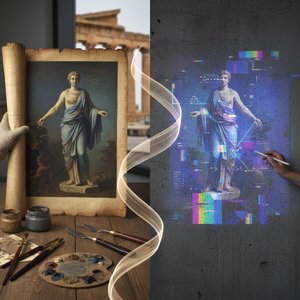
Echoes of the Past: Exploring Historical Artwork Through Reproduction & Contemporary Relevance
Explore the world of historical artwork through high-quality reproductions & insightful analysis. Discover Renaissance masterpieces, artist interpretations, and connect with art history today! Trusted quality since 2004.

Echoes of Time: Exploring the Enduring Appeal & Historical Context of Vintage Art Prints
Explore the captivating world of vintage art prints! Discover their history, collecting tips & enduring appeal. Expert insights on chromolithography and building a legacy collection with ArtsDot.

