


 Zobrazit v interiéru
 Odeslat
 Sdílet
 Podrobnosti
 Průvodce

 Stáhnout obrázek
 Podobné kousky
 Rentgenové snímky
 Slideshow
 Statistiky
Tucia

 Přečíst si více
Ručně malovaná olejová reprodukce
Ručně malované olejné plátno v libovolném rozměru i s rámem, vyrobené našimi umělci na zakázku. ( Přepnout na tiskové verze Přepnout na digitální verzi obrazu)




P118B $10

P118H $10

P118W $10

P438Z $10

P508JH $12

P508YH $12

P805H $10

P805Z $10

P919BZ $10

P919G $10

P919XJ $10

P959ZH $10

P968JZ $12

W106C $8

W218G $10

W218JH $8

W218Y $10

W307PJ $10

W316G $10

W316PJ $8

W316Y $10

W398PJ $8

W4111J $10

W500HY $15

W500JH $15

W692G $12

W849H $8

W940BG $15

W953PJ $8




Vyberte si z našich přednastavených velikostí, které odpovídají původním proporcím díla.

Můžete zadat vlastní rozměry pro konkrétní rám nebo prostor. Pokud se vámi vybraná velikost neshoduje s proporcemi původního obrazu, dílo buď ořízneme, nebo jej doplníme ručně malovanými prvky. Před zahájením výroby vám bude zaslán digitální náhled ke schválení.
Upozorňujeme, že náhled na obrazovce neodpovídá skutečnému ořezu ani rozšíření. Pouze digitální náhled přesně zobrazí finální kompozici.
Ačkoliv je možné zvolit vlastní velikost, pro zachování původních proporcí doporučujeme vybrat rozměr z předdefinovaného seznamu.
Po přijetí objednávky vám tým ArtsDot.com zašle e-mail s pokyny a poskytne náhledovou verzi.
Celosvětová doprava () za 3–4 týdny namísto standardních 5 týdnů. (21 září). Bez kompromisů v kvalitě.

Zdarma celosvětová expresní doprava

Vysoce kvalitní lněné plátno

Úplné pojištění přepravy

Záruka vrácení celního poplatku

Záruka věrného barevného shodu

100dení lhůta pro vrácení zboží (pouze při vadách výroby)

100% garance vrácení peněz

Sleva při více objednávkách
 Skleněná varianta je dostupná pouze u rozměrů menších než 110 cm

Tucia
Technika provedení
Velikost reprodukce
-


Celková cena
$ 263
The Enigmatic Figure of Tucia
Andrea Mantegna’s “Tucia,” a captivating portrait painted around 1495-1506, is more than just a depiction of a woman; it's an invitation into the heart of Renaissance ideals – a potent blend of classical reverence, meticulous observation, and subtle psychological depth. The painting immediately draws the eye with its strikingly formal composition, reminiscent of ancient Roman sculpture. The subject, identified as Tucia, a Vestal Virgin celebrated for her legendary act of self-sacrifice to avoid capture by a Roman general, is presented in a pose that echoes the statues of Greek goddesses and heroines – a deliberate choice reflecting Mantegna’s profound admiration for antiquity. She stands with an almost unnerving stillness, holding a simple plate in her hand, yet radiating an aura of quiet dignity and contained power.
A Study in Monochrome and Sculptural Form
Mantegna’s masterful technique is immediately apparent. The painting exists almost entirely within a limited palette of grays, blacks, and whites – a “grisaille” style that was highly favored during this period. This deliberate restriction forces the viewer to focus on the play of light and shadow, emphasizing the sculpted quality of the figure. The surfaces are remarkably smooth, achieved through meticulous layering of egg tempera, a medium known for its luminosity and ability to mimic the appearance of polished stone or metal. Notice how Mantegna renders the folds of Tucia’s dress, not with loose brushstrokes but with carefully delineated planes that create an illusion of three-dimensionality – a hallmark of his sculptural approach. The background is equally sophisticated, featuring a simple wall adorned with a vase and two birds, elements subtly integrated to enhance the overall composition without distracting from the central figure.
Echoes of Antiquity: Symbolism and Context
The choice of Tucia as the subject is laden with symbolic meaning. Her story – a dramatic act of defiance and self-preservation rooted in Roman mythology – speaks to themes of honor, sacrifice, and female agency. Mantegna’s decision to portray her in this manner, reminiscent of classical sculpture, was not merely an aesthetic one; it was a deliberate assertion of the Renaissance's commitment to reviving the values and ideals of antiquity. The plate she holds is deliberately simple, devoid of ornamentation, further emphasizing her inherent dignity and rejecting any suggestion of material wealth or vanity. The inclusion of the vase and birds adds layers of interpretation – perhaps alluding to fertility, abundance, or even a subtle commentary on the fleeting nature of life.
A Window into Renaissance Ideals
“Tucia” offers a profound glimpse into the artistic and intellectual currents of the High Renaissance. Mantegna’s fascination with Roman antiquity was not simply an imitation; it was a deeply considered engagement with the past, seeking to understand its principles and apply them to contemporary art. This painting exemplifies his innovative use of perspective, his meticulous attention to detail, and his ability to imbue even a seemingly simple portrait with profound psychological depth. Reproductions of “Tucia” allow us to appreciate these qualities fully, bringing this remarkable work of Renaissance art into our homes and inspiring contemplation on its enduring beauty and significance.
Související díla


Biografie umělce
A Renaissance Forged in Antiquity: The Life and Art of Andrea Mantegna
Andrea Mantegna, born near Padua around 1431, stands as a pivotal figure bridging the Early and High Renaissances. His artistic journey wasn’t merely about adopting classical forms; it was an immersive excavation of antiquity, a passionate attempt to resurrect the spirit of Rome within the burgeoning Italian Renaissance. Unlike many contemporaries who drew inspiration from classical models, Mantegna possessed a unique fervor for archaeological accuracy. This obsession stemmed from his formative years under Francesco Squarcione, a painter and collector whose workshop functioned less as a traditional studio and more as an academy dedicated to the study of Roman ruins, sculptures, and inscriptions. It was within these walls, surrounded by fragments of a lost empire, that Mantegna’s artistic vision began to take shape—a vision characterized by sculptural forms, dramatic perspective, and an almost obsessive attention to detail. His early life remains somewhat shrouded in mystery; accounts suggest he was discovered as a promising apprentice, his innate talent recognized and nurtured by Squarcione despite humble origins. This unconventional beginning perhaps fueled Mantegna’s relentless pursuit of artistic mastery and his determination to forge a style distinctly his own.The Gonzaga Court and the Illusion of Reality
Mantegna's career truly blossomed when he entered the service of the Gonzaga family in Mantua, becoming court painter in 1488. This patronage provided him with an unprecedented level of artistic freedom and a platform to realize his most ambitious projects. The Gonzaga’s were not simply patrons; they were collaborators, commissioning works that pushed the boundaries of artistic innovation. It was during this period that Mantegna created what is arguably his masterpiece: the *Camera degli Sposi* (Bridal Chamber) frescoes in the Palazzo Ducale. This groundbreaking work transcends mere decoration; it's a complete illusionistic environment, seamlessly integrating architecture and painting to create an extended sense of space. The frescoes depict scenes from the life of the Gonzaga family, portraits that are remarkably lifelike and engaging, and a breathtaking *di sotto in sù* (seen from below) ceiling panel that creates the illusion of an open sky. This masterful manipulation of perspective wasn’t simply about technical skill; it was about creating a world within a room, blurring the lines between reality and representation. The *Camera degli Sposi* is considered one of the most significant achievements in Renaissance art, demonstrating Mantegna's unparalleled ability to create convincing illusions and immerse the viewer in a meticulously crafted environment. Beyond the *Camera degli Sposi*, Mantegna continued to produce works of exceptional quality for the Gonzaga court, including the monumental series *Triumphs of Caesar*. These paintings, inspired by Roman triumphal processions, are not merely historical depictions; they are elaborate allegories celebrating the power and prestige of the Gonzaga family, presented with a grandeur that rivals the imperial ambitions of ancient Rome.A Master of Perspective and Anatomical Precision
Mantegna’s artistic innovations extended far beyond illusionistic environments. He was a pioneer in the use of perspective, often employing techniques that went against conventional methods to achieve dramatic effects. Frequently, he adjusted the horizon line, creating a sense of monumentality and imposing scale. This technique, coupled with his meticulous attention to anatomical detail, gave his figures an unparalleled sense of weight and presence. He wasn’t content with simply representing the human form; he dissected it, studied its musculature, and rendered it with a precision that was revolutionary for his time. His mastery of *trompe-l'oeil* – creating illusions so convincing they deceive the eye – further enhanced this effect, blurring the boundaries between painting and reality. This dedication to anatomical accuracy wasn’t merely an exercise in technical skill; it reflected Mantegna’s deep engagement with classical sculpture and his desire to emulate the idealized forms of antiquity. He sought not just to depict the human body but to capture its inherent dignity and power. His influence on subsequent generations of artists, including Raphael and Michelangelo, is undeniable, as they built upon his foundations in perspective, anatomy, and composition.Key Works and Artistic Development
Mantegna’s artistic development can be traced through a series of key works that reveal the evolution of his style and techniques. Early paintings like *Klanění pastýřů* (The Adoration of the Shepherds) demonstrate his fascination with classical antiquity, evident in the idealized figures and serene atmosphere. The *Mrtvý Kristus* (Dead Christ) showcases his innovative use of perspective and his ability to convey profound emotion through a seemingly simple composition. Later works, such as the *Triumphs of Caesar*, exemplify his mastery of monumental scale and dramatic storytelling. Throughout his career, Mantegna consistently pushed the boundaries of artistic convention, experimenting with new techniques and challenging established norms. His work is characterized by a remarkable balance between realism and idealism, reflecting his deep appreciation for both classical antiquity and Renaissance humanism.Legacy and Enduring Influence
Andrea Mantegna died in Mantua in 1506, leaving behind a legacy that continues to resonate with art historians and enthusiasts alike. His work represents a crucial turning point in the history of Renaissance art, bridging the gap between the Early and High Renaissance styles. He wasn’t simply an imitator of classical forms; he was an interpreter, adapting ancient motifs and techniques to create something entirely new and uniquely his own. His meticulous attention to detail, his mastery of perspective, and his profound engagement with classical antiquity established him as a leading figure of his time. Mantegna’s exploration of classical themes helped revive interest in ancient art and culture, paving the way for the artistic achievements of the High Renaissance. His influence can be seen in the works of countless artists who followed, from Raphael's graceful compositions to Michelangelo's powerful figures. Today, his paintings are housed in major museums around the world, including The National Gallery in London and the Pinacoteca di Brera in Milan, where they continue to inspire awe and admiration.- His innovative use of perspective continues to be studied by artists and art historians.
- His anatomical precision remains a benchmark for realistic representation.
- His dedication to classical themes helped shape the course of Renaissance art.

Andrea Mantegna
1431 - 1506 , Itálie
Rychlé informace
- Artistic Movement Or Style: Renesance
- Artists Or Movements Influenced By This Artist:
- Rafaello
- Michelangelo
- Artists Who Influenced This Artist:
- Donatello
- Jacopo Bellini
- Date Of Birth: 1431
- Date Of Death: 1506
- Full Name: Andrea Mantegna
- Nationality: Italista
- Notable Artworks:
- Lamentace
- Svatý George
- *Camera degli Sposi*
- Triumfy Caesara
- Place Of Birth: Padova, Itálie
Související články

Robert Havell Sr.: Botanical Precision & the Rise of Colour Plate Publishing
Explore the life & work of Robert Havell Sr., a pioneer of botanical illustration and key collaborator with Audubon. Discover his stunning aquatint engravings, artistic techniques, and lasting impact on 19th-century art.

Edward Hopper: Top 25 děl mistra samoty a amerického realismu | ArtsDot.com
Prozkoumejte top 25 děl Edwarda Hoppera, mistra amerického realismu. Objevte příběhy za ikonickými obrazy plnými samoty a atmosféry. Reprodukce obrazů v nejvyšší kvalitě na ArtsDot.com.

Andrea del Sarto: Florentine Grace, Technical Mastery & Artistic Ambition
Explore the life & art of Andrea del Sarto, a Florentine Renaissance master renowned for harmonious compositions & technical brilliance. Discover his frescoes, portraits, and lasting influence on art history.
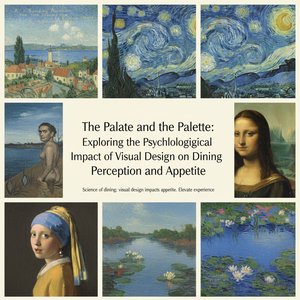
Vizuální symfonie chutí: Jak umělecký design formuje vnímání jídla a ovlivňuje chuťové preference
Objevte sílu gastronomického designu! Prozkoumejte, jak barva, prostor a prezentace ovlivňují chuťové preference. Inspirujte se trendy a vytvořte nezapomenutelný zážitek pro vaše hosty. Odborné rady a hluboká analýza.

Top 25 uměleckých děl Uffizi: Renesanční mistrovství pro váš domov
Prozkoumejte 25 ikonických děl Galleria degli Uffizi ve Florencii! Obdivujte Botticelliho, Leonarda da Vinci a další renesanční mistry. Reprodukce obrazů pro váš domov na ArtsDot.com – inspirace a umění do interiéru.


