

 Náhled v interiéru
 Sdílet
 Sdílet
 Podrobnosti o díle
 Průvodce

 Stáhnout
 Podobné položky
 Rentgenové snímky
 Slideshow
 Otázky a odpovědi
 Statistiky
Parnas: Mars a Venuše

- 192.0 x 159.0 cm


 Zobrazit více
Giclée / Umělecký tisk
Giclée nebo plátěný tisk muzeální kvality s rychlou výrobou a širokou nabídkou povrchových úprav. ( Koupit ručně malovaný obraz Přepnout na digitální obraz)




P118B Kč10

P118H Kč10

P118W Kč10

P438Z Kč10

P508JH Kč12

P508YH Kč12

P805H Kč10

P805Z Kč10

P919BZ Kč10

P919G Kč10

P919XJ Kč10

P959ZH Kč10

P968JZ Kč12

W106C Kč8

W218G Kč10

W218JH Kč8

W218Y Kč10

W307PJ Kč10

W316G Kč10

W316PJ Kč8

W316Y Kč10

W398PJ Kč8

W4111J Kč10

W500HY Kč15

W500JH Kč15

W692G Kč12

W849H Kč8

W940BG Kč15

W953PJ Kč8




Vyberte si z našich přednastavených velikostí, které odpovídají původním proporcím díla.

Zadejte šířku a výšku, které potřebujete pro váš rám nebo stěnu. Tisk lze pouze oříznout, nikdy však nelze zvětšit obraz nad jeho původní rozměr, proto při výběru jiného formátu dochází ke ztrátě části obrazu. Před samotným tiskem vám zašleme digitální náhled k schválení. Obraz zobrazený na této stránce nenabízí skutečný výřez — ten uvidíte pouze v náhledu.
Celosvětové doručení () do 2 týdnů namísto standardních 4/5 týdnů. (3 listopad)

Zdarma celosvětová expresní doprava

Vysoce kvalitní lněné plátno

Kompletní pojištění přepravy

Záruka vrácení celního poplatku

Záruka věrného barevného souladu

100dení lhůta pro vrácení zboží (pouze při vadách výroby)

100% záruka vrácení peněz

Sleva při více objednávkách
 Skleněná varianta je dostupná pouze u rozměrů menších než 110 cm

Parnas: Mars a Venuše
Giclée / Umělecký tisk
Rozměry reprodukce
-


Celková cena za vybrané možnosti reprodukcí
Kč 1374
Andrea Mantegnyův Parnas: Zrození Múz a Božího Vzájemnosti
Andrea Mantegna, umělec zvaný „zánikem starého světa a počátkem nového“, byl klíčovou postavou přechodu mezi ranší a renesanční érou. Jeho dílo není pouhým přijetím klasických forem; je to hluboké a vášnivé zkoumání antiky, snaha o oživení ducha Říma v rozvíjejícím se italském Renesansu. Na rozdíl od mnoha svých současníků, kteří se inspirovali klasickými modely, Mantegna měl jedinečnou vášeň pro archeologickou přesnost. Tato posedlost pramení z jeho raných let pod vedením Francesca Squaricioniho, malíře a sběratele, jehož dílna fungovala spíše jako akademie než tradiční ateliér, věnovaná studiu římských ruin, soch a nápisů. V těchto zdech, obklopený úlomky ztraceného impéria, se začala formovat Mantegnyova umělecká vize – vize charakterizovaná sochařskými tvary, dramatickou perspektivou a téměř posedlou pozorností k detailu.
Parnas, dokončený v roce 1497, je monumentálním freskem, který představuje vrcholný renesanční umění. Komponovaný pro studiolo Isabely d’Este v Mantově, tento obraz je hluboce zakořeněn v humanistických ideálech doby a odráží úzký vztah k řecké mytologii a architektonickým principům. V centru díla stojí bohyně lásky a krásy, Venuše, která vyzařuje grácií a klidností – vědomá narážka na klasické sochařské tradice. Mantegna mistrovsky využívá perspektivu, snižuje obzory, aby vytvořil iluzi rozměrnosti a hloubky, která vtahuje diváka do scény. Postavy jsou uspořádány kolem kamenného mostu, jemně se zmenšují s tím, jak se vzdalují do pozadí, což demonstruje Mantegnyův mistrovský přístup k lineární perspektivě – technika, kterou poprvé vyvinul Filippo Brunelleschi a která byla v době v Itálii široce přijímána. Tento dramatický prostorový uspořádání nebyla jen stylistická volba; sloužila k zvýšení důležitosti tématu, odrážejíc pompéznost římských chrámů a posilujíc symbolický význam obrazu.
Mars a Venuše: Těsná Rovnováha Boje a Harmonie
Freska zobrazuje klidnou shromáždění na Parnasu, zasvěceném jako rodišti poezie a hudby v antické době. Uprostřed stojí Venuše, bohyně lásky a krásy, která vyzařuje grácií a klidností – vědomá narážka na klasické sochařské tradice. Mantegna mistrovsky využívá perspektivu, snižuje obzory, aby vytvořil iluzi rozměrnosti a hloubky, která vtahuje diváka do scény. Postavy jsou uspořádány kolem kamenného mostu, jemně se zmenšují s tím, jak se vzdalují do pozadí, což demonstruje Mantegnyův mistrovský přístup k lineární perspektivě – technika, kterou poprvé vyvinul Filippo Brunelleschi a která byla v době v Itálii široce přijímána. Tento dramatický prostorový uspořádání nebyla jen stylistická volba; sloužila k zvýšení důležitosti tématu, odrážejíc pompéznost římských chrámů a posilujíc symbolický význam obrazu.
V fresce se nacházejí několik prominentních postav z řecké mytologie – Mars, bůh války, postavený vedle Venuše, představující jemnou rovnováhu mezi konfliktem a harmonií. Mars, zobrazovaný v uvolněné poloze, kontrastuje s Venušinou klidnou povahou, symbolizující inherentní napětí v lidských vztazích a odrážející širší filozofické debaty o ctnosti a zlu během Renesance. Zahrnutí Apolla, který hraje na loutnu, zdůrazňuje důležitost uměleckého úvahy a intelektuálních aktivit – hodnoty centrální pro humanistický přístup. Obraz je bohatý na detailní prvky, od složitých vzorů na kamenném mostě až po jemné vrstvy barvy, které vytvářejí pocit hloubky a realismu.
Technika a Historický Kontext
Mantegna mistrovsky využívá perspektivu, snižuje obzory, aby vytvořil iluzi rozměrnosti a hloubky, která vtahuje diváka do scény. Postavy jsou uspořádány kolem kamenného mostu, jemně se zmenšují s tím, jak se vzdalují do pozadí, což demonstruje Mantegnyův mistrovský přístup k lineární perspektivě – technika, kterou poprvé vyvinul Filippo Brunelleschi a která byla v době v Itálii široce přijímána. Tento dramatický prostorový uspořádání nebyla jen stylistická volba; sloužila k zvýšení důležitosti tématu, odrážejíc pompéznost římských chrámů a posilujíc symbolický význam obrazu.
Odkazy
- Parnassus (Mantegna) - Wikipedia: https://en.wikipedia.org/wiki/Parnassus_(Mantegna)
- The Parnassus: Mars and Venus, 1497 - Andrea Mantegna - WikiArt: https://www.wikiart.org/en/andrea-mantegna/the-parnassus-mars-and-venus-1497
- Venus and Mars (sculpture): https://en.wikipedia.org/wiki/Venus_and_Mars_(sculpture)
Otázky a odpovědi
Jak výrazný je kontrast v díle „Parnas: Mars a Venuše“ od Andrea Mantegna?
„Parnas: Mars a Venuše“ od Andrea Mantegna vykazuje Prohlášení kontrast mezi světlými a tmavými částmi.
Kde si mohu prohlédnout náhled díla "Parnas: Mars a Venuše"?
Stránka Náhled v prostoru díla „Parnas: Mars a Venuše“ vám umožňuje prohlédnout si umělecké dílo před objednávkou.
Do kterého uměleckého směru a do jaké éry spadá dílo „Parnas: Mars a Venuše“ od Andrea Mantegna?
V díle „Parnas: Mars a Venuše“ od Andrea Mantegna se setkává směr High Renaissance s érou Renesance.
Podobná díla


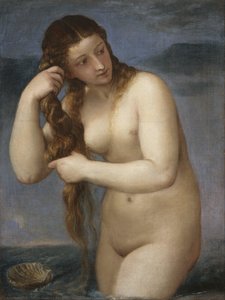


Biografie umělce
A Renaissance Forged in Antiquity: The Life and Art of Andrea Mantegna
Andrea Mantegna, born near Padua around 1431, stands as a pivotal figure bridging the Early and High Renaissances. His artistic journey wasn’t merely about adopting classical forms; it was an immersive excavation of antiquity, a passionate attempt to resurrect the spirit of Rome within the burgeoning Italian Renaissance. Unlike many contemporaries who drew inspiration from classical models, Mantegna possessed a unique fervor for archaeological accuracy. This obsession stemmed from his formative years under Francesco Squarcione, a painter and collector whose workshop functioned less as a traditional studio and more as an academy dedicated to the study of Roman ruins, sculptures, and inscriptions. It was within these walls, surrounded by fragments of a lost empire, that Mantegna’s artistic vision began to take shape—a vision characterized by sculptural forms, dramatic perspective, and an almost obsessive attention to detail. His early life remains somewhat shrouded in mystery; accounts suggest he was discovered as a promising apprentice, his innate talent recognized and nurtured by Squarcione despite humble origins. This unconventional beginning perhaps fueled Mantegna’s relentless pursuit of artistic mastery and his determination to forge a style distinctly his own.The Gonzaga Court and the Illusion of Reality
Mantegna's career truly blossomed when he entered the service of the Gonzaga family in Mantua, becoming court painter in 1488. This patronage provided him with an unprecedented level of artistic freedom and a platform to realize his most ambitious projects. The Gonzaga’s were not simply patrons; they were collaborators, commissioning works that pushed the boundaries of artistic innovation. It was during this period that Mantegna created what is arguably his masterpiece: the *Camera degli Sposi* (Bridal Chamber) frescoes in the Palazzo Ducale. This groundbreaking work transcends mere decoration; it's a complete illusionistic environment, seamlessly integrating architecture and painting to create an extended sense of space. The frescoes depict scenes from the life of the Gonzaga family, portraits that are remarkably lifelike and engaging, and a breathtaking *di sotto in sù* (seen from below) ceiling panel that creates the illusion of an open sky. This masterful manipulation of perspective wasn’t simply about technical skill; it was about creating a world within a room, blurring the lines between reality and representation. The *Camera degli Sposi* is considered one of the most significant achievements in Renaissance art, demonstrating Mantegna's unparalleled ability to create convincing illusions and immerse the viewer in a meticulously crafted environment. Beyond the *Camera degli Sposi*, Mantegna continued to produce works of exceptional quality for the Gonzaga court, including the monumental series *Triumphs of Caesar*. These paintings, inspired by Roman triumphal processions, are not merely historical depictions; they are elaborate allegories celebrating the power and prestige of the Gonzaga family, presented with a grandeur that rivals the imperial ambitions of ancient Rome.A Master of Perspective and Anatomical Precision
Mantegna’s artistic innovations extended far beyond illusionistic environments. He was a pioneer in the use of perspective, often employing techniques that went against conventional methods to achieve dramatic effects. Frequently, he adjusted the horizon line, creating a sense of monumentality and imposing scale. This technique, coupled with his meticulous attention to anatomical detail, gave his figures an unparalleled sense of weight and presence. He wasn’t content with simply representing the human form; he dissected it, studied its musculature, and rendered it with a precision that was revolutionary for his time. His mastery of *trompe-l'oeil* – creating illusions so convincing they deceive the eye – further enhanced this effect, blurring the boundaries between painting and reality. This dedication to anatomical accuracy wasn’t merely an exercise in technical skill; it reflected Mantegna’s deep engagement with classical sculpture and his desire to emulate the idealized forms of antiquity. He sought not just to depict the human body but to capture its inherent dignity and power. His influence on subsequent generations of artists, including Raphael and Michelangelo, is undeniable, as they built upon his foundations in perspective, anatomy, and composition.Key Works and Artistic Development
Mantegna’s artistic development can be traced through a series of key works that reveal the evolution of his style and techniques. Early paintings like *Klanění pastýřů* (The Adoration of the Shepherds) demonstrate his fascination with classical antiquity, evident in the idealized figures and serene atmosphere. The *Mrtvý Kristus* (Dead Christ) showcases his innovative use of perspective and his ability to convey profound emotion through a seemingly simple composition. Later works, such as the *Triumphs of Caesar*, exemplify his mastery of monumental scale and dramatic storytelling. Throughout his career, Mantegna consistently pushed the boundaries of artistic convention, experimenting with new techniques and challenging established norms. His work is characterized by a remarkable balance between realism and idealism, reflecting his deep appreciation for both classical antiquity and Renaissance humanism.Legacy and Enduring Influence
Andrea Mantegna died in Mantua in 1506, leaving behind a legacy that continues to resonate with art historians and enthusiasts alike. His work represents a crucial turning point in the history of Renaissance art, bridging the gap between the Early and High Renaissance styles. He wasn’t simply an imitator of classical forms; he was an interpreter, adapting ancient motifs and techniques to create something entirely new and uniquely his own. His meticulous attention to detail, his mastery of perspective, and his profound engagement with classical antiquity established him as a leading figure of his time. Mantegna’s exploration of classical themes helped revive interest in ancient art and culture, paving the way for the artistic achievements of the High Renaissance. His influence can be seen in the works of countless artists who followed, from Raphael's graceful compositions to Michelangelo's powerful figures. Today, his paintings are housed in major museums around the world, including The National Gallery in London and the Pinacoteca di Brera in Milan, where they continue to inspire awe and admiration.- His innovative use of perspective continues to be studied by artists and art historians.
- His anatomical precision remains a benchmark for realistic representation.
- His dedication to classical themes helped shape the course of Renaissance art.

Andrea Mantegna
1431 - 1506 , Itálie
Rychlé informace o umělci
- Artistic Movement Or Style: Renesance
- Artists Or Movements Influenced By This Artist:
- Rafaello
- Michelangelo
- Artists Who Influenced This Artist:
- Donatello
- Jacopo Bellini
- Date Of Birth: 1431
- Date Of Death: 1506
- Full Name: Andrea Mantegna
- Nationality: Italista
- Notable Artworks:
- Lamentace
- Svatý George
- *Camera degli Sposi*
- Triumfy Caesara
- Place Of Birth: Padova, Itálie
Související články

The Enduring Legacy of Fresco Painting: Techniques, History & Contemporary Relevance
Explore the rich history & enduring artistry of fresco painting – from Giotto to Michelangelo! Discover techniques, conservation efforts, & modern applications. Learn how ArtsDot brings this timeless art form to your home.

The Enduring Legacy of Fresco: Technique, History & Artistic Expression Across Cultures
Explore the rich history & enduring legacy of fresco painting! Discover ancient techniques, Giotto's masterpieces, and modern applications. Expert insights for art lovers & professionals.
Freska jako rodinné dědictví: Zachovejte svůj původ v obrazech na stěnách
Objevte sílu fresek pro uchování rodinné historie! Kvalitní reprodukce a zakázková malba od . Inspirujte se historií umění a vytvořte jedinečný obraz vašeho původu.

Umění, které s vámi žije: Emocionální síla zakázkové interiérové fresky
Objevte sílu zakázkových fresky pro váš interiér. Historie, psychologie a moderní provedení od odborníků. Investice do umění s .

The Enduring Legacy of Fresco: Technique, History & Artistic Expression
Explore the rich history & enduring artistry of fresco painting. Discover techniques from Giotto to Michelangelo, conservation efforts, & modern applications. Learn how ArtsDot brings this timeless art form to your home.


