

 Náhled
 Sdílet
 Sdílet
 Podrobnosti o díle

 Stáhnout
 Podobné položky
 Rentgenové snímky
 Slideshow
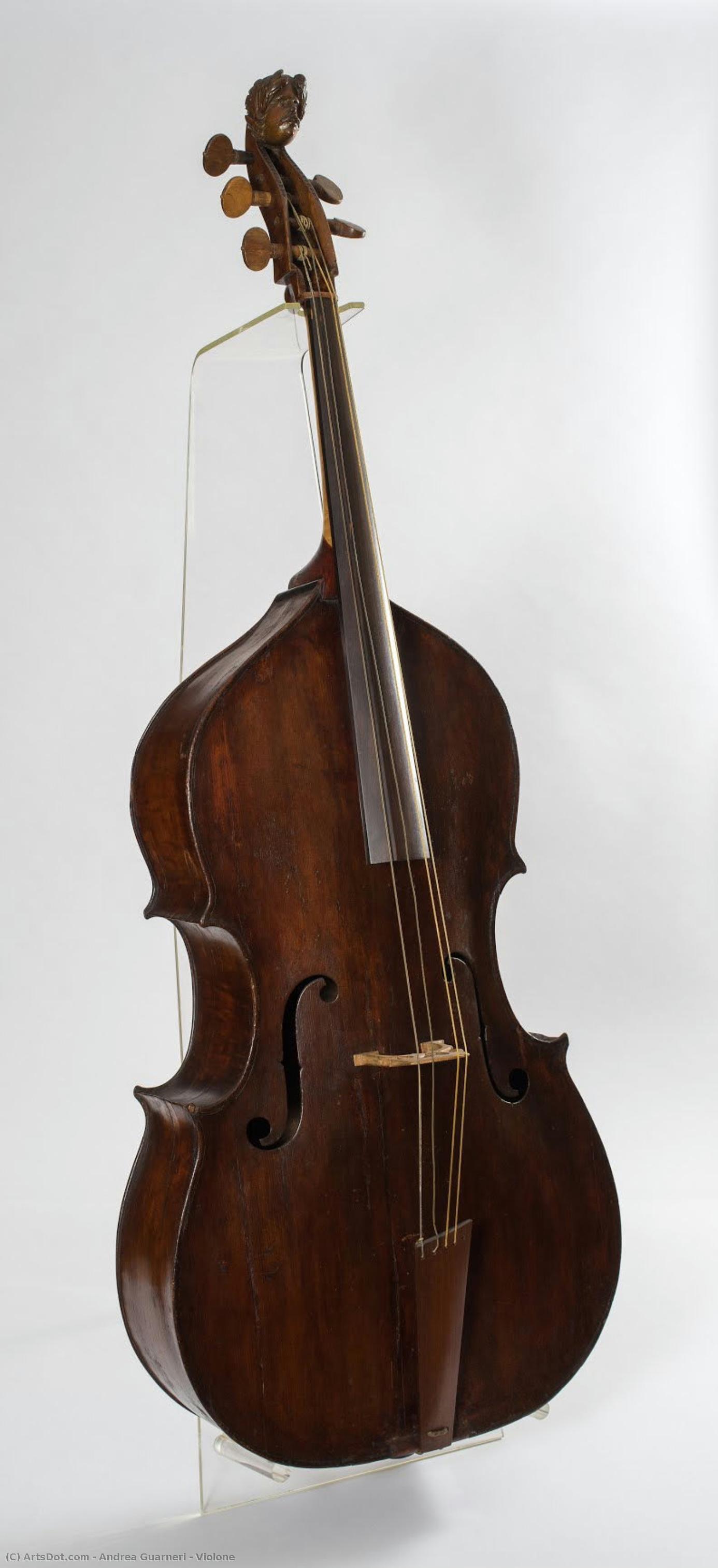
Violone


 Zobrazit více
Giclée / Umělecký tisk
Giclée nebo plátěný tisk muzeální kvality s rychlou výrobou a flexibilními možnostmi povrchové úpravy. ( Koupit ručně malovaný obraz Koupit obrázek)




































Vyberte si z našich přednastavených velikostí, které odpovídají původním proporcím díla.

Můžete zadat vlastní rozměry tak, aby výtvor odpovídal konkrétnímu rámu nebo prostoru. Pokud zvolená velikost nebude odpovídat poměru stran původního obrazu, dílo buď ořížeme, nebo obraz rozšíříme pomocí zrcadlového efektu či jednobarevného okraje. Před zahájením výroby vám bude zaslán digitální náhled k schválení.
Mějte prosím na paměti, že náhled na obrazovce neodráží skutečné oříznutí nebo rozšíření. Pouze digitální náhled přesně zobrazí finální kompozici.
Ačkoliv jsou k dispozici i vlastní rozměry, pro zachování původních proporcí doporučujeme vybrat si rozměr z předdefinovaného seznamu.
Celosvětové doručení () do 2 týdnů namísto standardních 4/5 týdnů. (14 srpen)

Zdarma celosvětová expresní doprava

Vysoce kvalitní lněné plátno

Kompletní přepravní pojištění

Záruka vrácení celního poplatku

Záruka přesného barevného shodu

60denní lhůta pro vrácení zboží (pouze při vadách výroby)

100% garance vrácení peněz

Sleva při hromadné objednávce
 Skleněná varianta je dostupná pouze u rozměrů menších než 110 cm

Violone
Giclée / Umělecký tisk
Rozměry reprodukce
-


Celková cena za výběr
$ 62
Podobná umělecká díla


Biografie umělce
Andrea Guarneri: The Maestro of Cremonese Violin Making
Andrea Guarneri (b.1626, in Casalbuttano; d.1698, in Cremona) stands as a titan amongst the luthiers of the Baroque era—a figure whose legacy continues to resonate within the world of classical music and instrument craftsmanship. Born into a family steeped in woodworking tradition, Guarneri’s formative years were spent absorbing the skills and artistry of his father, Bartolomeo Guarneri, establishing him firmly on the path toward becoming one of Nicola Amati's most devoted pupils—a connection that profoundly shaped his artistic vision. This apprenticeship with Amati, arguably the foremost violin maker of his time, instilled in Guarneri a meticulous attention to detail and an unwavering commitment to upholding the highest standards of excellence – qualities he would carry forward into his own prolific output.- Early Life & Family Legacy: Records indicate Giovanni Battista Guerine, possibly a misspelling of Guarneri’s surname, hinting at a lineage rooted in Cremonese woodworking traditions. The Guarneri family's dedication to craftsmanship extended beyond violin making, shaping Andrea’s understanding of material science and artistic expression from an early age.
- Influence of Nicola Amati: Guarneri's artistic sensibilities were undeniably molded by Amati’s masterful technique and aesthetic principles, prioritizing balance, proportion, and tonal purity. Amati’s emphasis on understated elegance served as a counterpoint to Guarneri’s bolder innovations, fostering a dynamic interplay between tradition and experimentation within his creative process.
- The Casa Guarneri Foundation: Recognizing the importance of preserving musical heritage, Guarneri established the Casa Guarneri—a workshop dedicated to perpetuating his father’s craft and fostering innovation within Cremonese violin making. This institution ensured that Guarneri's techniques and knowledge would be passed down through generations, safeguarding Cremona’s reputation as a center for instrument excellence.
A Revolutionary Voice in Violin Construction
Guarneri's contribution to violin construction transcends mere replication; he fundamentally reimagined existing methods, prioritizing a unique approach that would elevate the instrument’s sonic capabilities. Departing from Amati’s established techniques—which favored a more restrained aesthetic—Guarneri embraced bolder designs and experimented with innovative wood combinations, notably utilizing spruce from Valtidone (modern-day Lombardy) – a region renowned for producing exceptionally resonant timber. This daring choice resulted in violins possessing unparalleled projection and tonal richness, characteristics that quickly distinguished them from their contemporaries. He meticulously studied Amati’s methods, identifying areas where subtle refinements could yield significant improvements in sound quality.- Spruce Selection: Guarneri’s insistence on Valtidone spruce—characterized by its exceptional stiffness-to-weight ratio—became a hallmark of his instruments. This careful selection process reflected his profound understanding of acoustics and material properties, demonstrating his commitment to achieving optimal tonal performance.
- Innovative Arching Techniques: He refined arching techniques, creating deeper curves that maximized vibrational efficiency and contributing to the distinctive sound profile of his violins. These innovations represented a departure from Amati’s established practice, signaling Guarneri's willingness to challenge conventions in pursuit of artistic advancement.
Bartolomeo Giuseppe Guarneri del Gesù: A Continuing Legacy
Perhaps Guarneri’s most enduring achievement was the mentorship he bestowed upon Bartolomeo Giuseppe Guarneri, del Gesù—his son—who would become arguably the greatest violin maker of the late Baroque period. Under Guarneri's guidance, del Gesù honed his craft and perfected techniques that mirrored his father’s pioneering innovations, ensuring that Cremonese violin making continued to flourish for generations to come. The Guarneri del Gesù violins—instruments embodying the pinnacle of tonal excellence—remain revered by musicians worldwide as testaments to their father’s genius and a continuation of his transformative vision. Del Gesù's instruments are considered masterpieces of craftsmanship and tonal artistry, upholding Guarneri’s legacy as a visionary innovator.Historical Significance & Musical Impact
Andrea Guarneri's influence extends far beyond the workshop walls; his instruments played a pivotal role in shaping the musical landscape of the Baroque era, captivating audiences with their breathtaking beauty and unparalleled tonal qualities. Violins crafted by Guarneri—and subsequently del Gesù—became favored instruments for composers such as Bach, Handel, and Mozart, contributing significantly to the development of orchestral music and establishing Cremona’s Casa Guarneri as a cornerstone of musical history. His meticulous attention to detail and unwavering dedication to excellence cemented his place among the most influential figures in violin making—a tradition inextricably linked to the enduring power of sound itself. He is remembered not only for his skill but also for his profound understanding of how instruments could inspire artistic expression.
Andrea Guarneri
1626 - 1698 , Itálie
Rychlé fakta
- Artistic Movement Or Style: Baroko
- Artists Or Movements Influenced By This Artist: ['Bartolomeo Giuseppe Guarneri']
- Artists Who Influenced This Artist: Nicola Amati
- Date Of Birth: 1626
- Full Name: Andrea Guarneri
- Nationality: Itálie
- Notable Artworks: ['Violiny']
- Place Of Birth: Casalbuttano, Italie

