

 Zobrazit v interiéru
 Odeslat
 Sdílet
 Podrobnosti
 Průvodce

 Stáhnout obrázek
 Podobné kousky
 Rentgenové snímky
 Slideshow
 Statistiky
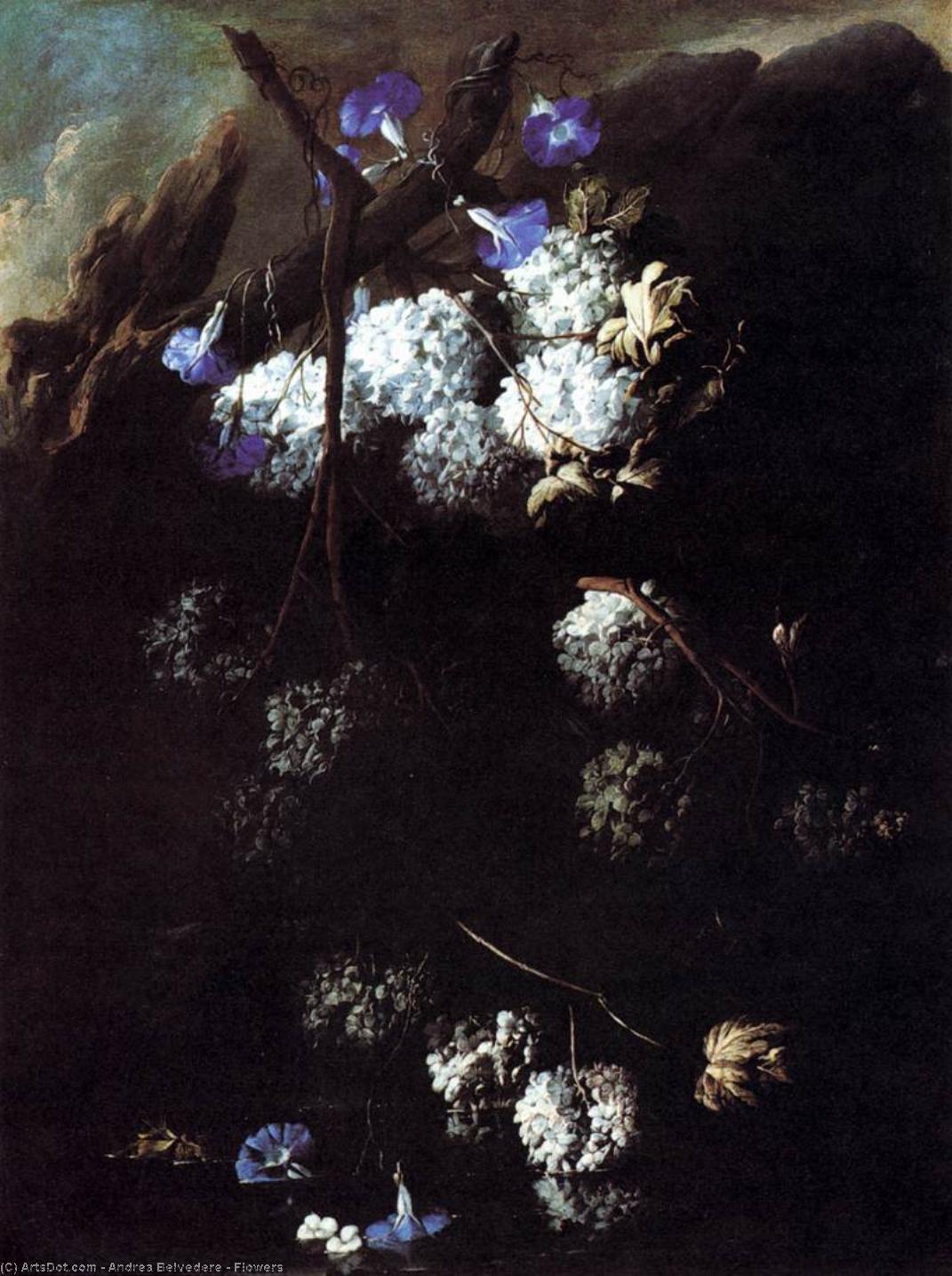
Flowers


 Přečíst si více
Ručně malovaná olejová reprodukce
Ručně malované olejné plátno v libovolném rozměru i s rámem, vyrobené našimi umělci na zakázku. ( Přepnout na tiskové verze Přepnout na digitální verzi obrazu)




































Vyberte si z našich přednastavených velikostí, které odpovídají původním proporcím díla.

Můžete zadat vlastní rozměry pro konkrétní rám nebo prostor. Pokud se vámi vybraná velikost neshoduje s proporcemi původního obrazu, dílo buď ořízneme, nebo jej doplníme ručně malovanými prvky. Před zahájením výroby vám bude zaslán digitální náhled ke schválení.
Upozorňujeme, že náhled na obrazovce neodpovídá skutečnému ořezu ani rozšíření. Pouze digitální náhled přesně zobrazí finální kompozici.
Ačkoliv je možné zvolit vlastní velikost, pro zachování původních proporcí doporučujeme vybrat rozměr z předdefinovaného seznamu.
Po přijetí objednávky vám tým ArtsDot.com zašle e-mail s pokyny a poskytne náhledovou verzi.
Celosvětová doprava () za 3–4 týdny namísto standardních 5 týdnů. (23 září). Bez kompromisů v kvalitě.

Zdarma celosvětová expresní doprava

Vysoce kvalitní lněné plátno

Úplné pojištění přepravy

Záruka vrácení celního poplatku

Záruka věrného barevného shodu

100dení lhůta pro vrácení zboží (pouze při vadách výroby)

100% garance vrácení peněz

Sleva při více objednávkách
 Skleněná varianta je dostupná pouze u rozměrů menších než 110 cm

Flowers
Technika provedení
Velikost reprodukce
-


Celková cena
$ 263
Související díla


Biografie umělce
The Luminous Legacy of Andrea Belvedere
Belvedere emerged from the vibrant and often turbulent artistic landscape of late 17th-century Italy as a painter of singular focus and profound delicacy. While historical accounts once fluctuated regarding his exact beginnings, scholarly consensus now places his emergence in Pavia around 1652, leading him eventually into the heart of the Neapolitan Baroque. His early years were steeped in the dramatic traditions of his contemporaries; the influence of masters such as Giuseppe Recco and Giovan Battista Ruoppolo was unmistakable, imparting to his brush a foundational sense of vitality and an appreciation for the interplay of light and shadow.As his talent matured, Belvedere began to distance himself from the overt theatricality that characterized much of the Neapolitan school. Rather than pursuing the heavy, Caravaggio-esque drama found in the works of Paolo Porpora, he sought a more restrained and meticulous aesthetic. This evolution was deeply informed by the Flemish masters, particularly Abraham Brueghel, whose influence encouraged Belvedere to embrace a style defined by botanical precision and an almost scientific observation of nature.
A Refined Vision Beyond the Theatrical
His canvases became windows into a quiet, exquisite world where every petal and dewdrop held significance. He moved away from mere decoration, striving instead for a truth found in the subtle textures of floral arrangements and animal specimens. This dedication to the essence of his subjects allowed him to revitalize the still life genre at a time when its popularity in Naples was beginning to wane. His ability to capture the ephemeral beauty of nature with such clarity made him a pioneer of a more contemplative Baroque style.Belvedere’s mastery was not merely a matter of technique but of spirit, as he successfully balanced the grandeur of the era with an intimate, observational grace. This unique approach attracted a generation of younger artists who sought to emulate his ability to breathe life into the inanimate, ensuring that his stylistic innovations would ripple through the Neapolitan school for years to come.
The Spanish Court and the Final Act
Belvedere’s reputation eventually carried him far beyond the borders of Italy. In the late 17th century, his growing notoriety earned him an invitation to the Spanish court by King Charles II. This period marked one of the most prestigious chapters of his career, as he contributed to the grandeur of Spain and worked alongside the legendary Luca Giordano in the decoration of the magnificent Escorial Palace. His time in Spain solidified his status as a master craftsman of international standing.His influence extended through several notable followers who carried forward his distinctive approach:
- Gasparo Lopez
- Baldassare de Caro
- Tommaso Realfonso
- Nicola Casissa
Yet, the artist's journey did not end with the brush. Upon his return to Naples, Belvedere underwent a final, unexpected transformation, abandoning the easel to devote himself entirely to the world of theatrical activity. Though he left behind a legacy of breathtakingly beautiful still lifes that continue to captivate the eye, his life remained as dynamic and multifaceted as the very subjects he once immortalized on canvas.

Andrea Belvedere
1944 - , Italy
Rychlé informace
- Artistic Movement Or Style: Baroque
- Artists Or Movements Influenced By This Artist:
- Gasparo Lopez
- Baldassarre de Caro
- Artists Who Influenced This Artist:
- Giuseppe Recco
- Abraham Brueghel
- Date Of Birth: Pavia, Italy (1652)
- Date Of Death: Naples (1732)
- Full Name: Andrea Belvedere
- Nationality: Italian
- Notable Artworks:
- Flowers and Ducks
- Flowers
- Place Of Birth: Italy