


 Zobrazit v interiéru
 Odeslat
 Sdílet
 Podrobnosti
 Průvodce

 Stáhnout obrázek
 Podobné kousky
 Rentgenové snímky
 Slideshow
 Statistiky
Untitled (AQTDEV)


 Přečíst si více
Ručně malovaná olejová reprodukce
Ručně malované olejné plátno v libovolném rozměru i s rámem, vyrobené našimi umělci na zakázku. ( Přepnout na tiskové verze Přepnout na digitální verzi obrazu)




































Vyberte si z našich přednastavených velikostí, které odpovídají původním proporcím díla.

Zadejte šířku a výšku, které potřebujete pro váš rám nebo stěnu. Protože se jedná o ruční malbu, při výběru jiného formátu může umělec kolem obrazu domalovat o něco více, nebo jej mírně oříznout — rozhodnete si vy. Před zahájením malby vám zašleme digitální náhled ke schválení. Obraz zobrazený na této stránce neodpovídá skutečnému výsledku — pouze digitální náhled jej zobrazuje.
Po přijetí objednávky vám tým ArtsDot.com zašle e-mail s pokyny a poskytne náhledovou verzi.
Celosvětová doprava () za 3–4 týdny namísto standardních 5 týdnů. (24 říjen). Bez kompromisů v kvalitě.

Zdarma celosvětová expresní doprava

Vysoce kvalitní lněné plátno

Úplné pojištění přepravy

Záruka vrácení celního poplatku

Záruka věrného barevného shodu

100dení lhůta pro vrácení zboží (pouze při vadách výroby)

100% garance vrácení peněz

Sleva při více objednávkách
 Skleněná varianta je dostupná pouze u rozměrů menších než 110 cm

Untitled (AQTDEV)
Technika provedení
Velikost reprodukce
-


Celková cena
Kč 5618
Související díla


Biografie umělce
The Sacred Bloom: The Life and Vision of Amédée Masclef
In the twilight of the nineteenth century, as the rigid structures of academic realism began to dissolve into the ethereal mists of Symbolism, the work of Amédée Masclef emerged as a profound bridge between two worlds. Born on August 9, 1858, in Béthune, Masclef did not merely observe nature; he sought to interpret its divine architecture. His journey was one of unique dualities, shaped by his early theological studies at Amiens Cathedral and his eventual ordination as an abbé in 1885. This spiritual foundation infused his artistic practice with a sense of reverence, transforming the act of botanical illustration from a scientific endeavor into a meditative exploration of the sacred order hidden within the natural world.
Masclef’s artistic development was deeply rooted in the traditions of the Barbizon school, a movement that championed the direct, unadorned observation of nature. From this lineage, he inherited a commitment to authenticity and a profound respect for the en plein air spirit. However, Mascle and his contemporaries were increasingly drawn toward the burgeoning Symbolist movement, which sought to capture subjective experience and emotional resonance. In Masclef’s hands, a simple dandelion or a delicate sprig of chamomile became more than mere specimens; they were vessels of sentiment, imbued with a dreamlike quality that transcended their physical forms.
A Botanical Legacy in Watercolor
The pinnacle of Masclef’s contribution to the visual arts lies in his monumental achievement, the Atlas des Plantes de France. Published in 1891 and revised in 1893 in collaboration with Gaston Bonnier, this extraordinary work consists of four hundred meticulously rendered plates. This was not merely a catalog of flora but a triumph of watercolor technique, where precision met poetry. Each plate demonstrates a masterful command of layering and hatching, capturing the delicate textures, translucent petals, and intricate structures of French vegetation with scientific accuracy and an unmistakable artistic soul.
Beyond his famous atlas, Masclef’s oeuvre is characterized by several key achievements that solidified his place in botanical history:
- Scientific Authority: His role as a Professor of Natural Sciences at the Petit séminaire d'Arras and his membership in the Société botanique de France allowed him to blend rigorous academic knowledge with aesthetic grace.
- Thematic Depth: His ability to navigate the transition from the objective realism of the Barbizon masters to the evocative, often spiritualized imagery of Symbolism.
- Enduring Documentation: The publication of works such as Les plantes d'Europe, which ensured his botanical insights reached a wide European audience for decades.
The Intersection of Science and Spirit
To look upon a Masclef watercolor is to witness the intersection of the analytical mind and the searching soul. His work serves as a vital historical record of the French landscape, yet it remains eternally contemporary through its emotional depth. While he may be overshadowed in popular memory by the more flamboyant figures of the Symbolist movement, his legacy persists in the quiet, enduring beauty of his botanical portraits. He remains a pivotal figure who proved that the most minute details of the natural world—the curve of a leaf or the hue of a petal—could hold the weight of the infinite.

Amédée Masclef
1858 - 1916
Rychlé informace
- Full Name: Amédée Masclef
- Nationality: French
- Date Of Birth: 1858
- Date Of Death: 1916
- Place Of Birth: Béthune, France
- Notable Artworks: ['Goodyera repens']
- Artistic Movement Or Style: Symbolist Painter
- Artists Who Influenced This Artist:
- Barbizon realism
- Georges de Layens
Související články
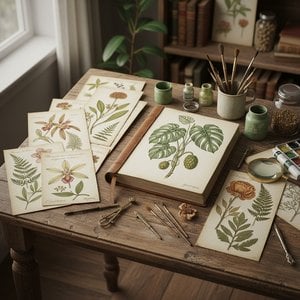
The Flourishing Canvas: A Historical & Artistic Exploration of Botanical Illustration
Explore the rich history of botanical illustration! Discover key artists like Havell & Barraband, learn about scientific accuracy & aesthetic beauty. Shop museum-quality reproductions at ArtsDot.

Ephemeral Visions: Exploring the Artistic Legacy & Contemporary Practice of Watercolor Painting
Explore the captivating world of watercolor painting! Discover its rich history, essential techniques, influential artists & collecting tips. A comprehensive guide for art enthusiasts from ArtsDot.

10 legendárních akvarelů, které změnily svět umění | ArtsDot
Objevte 10 legendárních akvarelů od Turner, Monet a dalších mistrů! Ponořte se do historie umění a inspirujte se pro váš interiér. Kvalitní reprodukce na ArtsDot.com.

The Flourishing Canvas: A Historical Journey Through Botanical Illustration
Explore the captivating history of botanical illustration! Discover renowned artists like Robert Havell & Mary Walcott, learn about techniques, and find museum-quality art at ArtsDot.com.
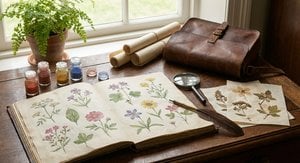
The Flourishing Canvas: A Historical Journey Through Botanical Illustration
Explore the captivating history of botanical illustration! Discover renowned artists like Robert Havell & Mary Walcott, learn about techniques, and find museum-quality art at ArtsDot.com.