


 Náhled
 Sdílet
 Sdílet
 Podrobnosti o díle

 Stáhnout
 Podobné položky
 Rentgenové snímky
 Slideshow
River Landscape
 Impressionism
 20.0 x 36.0 cm
 Ashmolean Museum
 Zobrazit více
Giclée / Umělecký tisk
Giclée nebo plátěný tisk muzeální kvality s rychlou výrobou a flexibilními možnostmi povrchové úpravy. ( Koupit ručně malovaný obraz Koupit obrázek)




































Vyberte si z našich přednastavených velikostí, které odpovídají původním proporcím díla.

Můžete zadat vlastní rozměry tak, aby výtvor odpovídal konkrétnímu rámu nebo prostoru. Pokud zvolená velikost nebude odpovídat poměru stran původního obrazu, dílo buď ořížeme, nebo obraz rozšíříme pomocí zrcadlového efektu či jednobarevného okraje. Před zahájením výroby vám bude zaslán digitální náhled k schválení.
Mějte prosím na paměti, že náhled na obrazovce neodráží skutečné oříznutí nebo rozšíření. Pouze digitální náhled přesně zobrazí finální kompozici.
Ačkoliv jsou k dispozici i vlastní rozměry, pro zachování původních proporcí doporučujeme vybrat si rozměr z předdefinovaného seznamu.
Celosvětové doručení () do 2 týdnů namísto standardních 4/5 týdnů. (14 srpen)

Zdarma celosvětová expresní doprava

Vysoce kvalitní lněné plátno

Kompletní přepravní pojištění

Záruka vrácení celního poplatku

Záruka přesného barevného shodu

60denní lhůta pro vrácení zboží (pouze při vadách výroby)

100% garance vrácení peněz

Sleva při hromadné objednávce
 Skleněná varianta je dostupná pouze u rozměrů menších než 110 cm

River Landscape
Giclée / Umělecký tisk
Rozměry reprodukce
-


Celková cena za výběr
$ 62
Podobná umělecká díla


Biografie umělce
The Verdant Vision of Alfred William Parsons
In the golden age of Victorian landscape painting, few artists captured the quiet majesty of the English countryside with as much botanical precision and poetic grace as Alfred William Parsons. Born on December 2nd, 1847, in the picturesque village of Beckington, Somerset, Parsons was destined to become a bridge between the worlds of fine art and horticultural science. He descended from a lineage deeply rooted in the earth; his father, Joshua Parsons, was a noted alpinist and a close correspondent to the legendary garden designer William Robinson. This early immersion in the rhythms of nature provided the foundational palette for a career that would eventually define the aesthetic of the English pastoral ideal.
Though his professional journey began far from the easel—serving as a clerk at the Post Office starting in 1867—the call of creative expression proved too potent to ignore. Driven by a desire for a more dynamic existence, Parsons abandoned the sedentary life of bureaucracy to pursue formal training at the prestigious Kensington School of Art. It was here that his technical prowess began to coalesce, blending the meticulous observation required for botanical illustration with the atmospheric sensitivity of landscape painting. His emergence into the London art scene was marked by regular exhibitions at the Royal Academy and the Grosvenor Gallery, establishing him as a vital voice in a community that sought to find divinity in the natural world.
A Symbiosis of Art and Nature
The true brilliance of Parsons lay in his ability to treat the landscape not merely as a backdrop, but as a living, breathing protagonist. His work often functioned as a seamless dialogue between the wildness of nature and the curated beauty of the garden. This dual identity as both an illustrator and a garden designer allowed him to approach his canvases with a unique scientific eye. He was particularly renowned for his fine botanical illustrations, which brought him into close collaboration with William Robinson. Through these works, Parsons helped popularize a style of gardening that favored naturalistic, flowing arrangements over the rigid, formal structures of previous eras.
His artistic technique was characterized by an exquisite use of light and texture. Whether working in oils or watercolours, Parsons possessed a remarkable ability to render the soft, diffused light of an English afternoon, capturing the way it filtered through heavy foliage or shimmered upon a serene river. His paintings often feature:
- Idyllic English landscapes that evoke a sense of timeless tranquility and nostalgic peace.
- Meticulous botanical detail that honors the specific flora of the British Isles.
- Atmospheric depth achieved through subtle, muted color palettes and masterful brushwork.
- Architectural harmony where stately manor houses are depicted as organic extensions of their verdant surroundings.
Legacy and Artistic Triumph
As his career progressed, Parsons’s influence extended far beyond the borders of England. His expertise in garden design saw him shaping significant landscapes in Scotland and even across the Atlantic in the United States. This period of his life reflected a growing belief among his contemporaries that an artist possessed the unique vision necessary to design gardens that were true works of art. His accolades were numerous and reflected his standing in the upper echelons of the British art world, including winning the prestigious Chantrey Bequest in 1887 and serving as the President of the Society of Painters in Watercolours in 1905.
Beyond his formal titles, Parsons was a man of profound curiosity and literary talent. His publication, Notes From Japan (1896), demonstrated a breadth of interest that mirrored his artistic versatility. Even as the world moved toward the more fragmented styles of the early 20th century, Parsons remained a steadfast guardian of the romantic and the real. When he passed away on January 16th, 1920, he left behind a legacy of harmony—a body of work that continues to remind us of a time when art and nature were viewed as an inseparable, sacred whole.

Alfred William Parsons
1847 - 1920
Rychlé fakta
- Artistic Movement Or Style: Victorian Landscape Painting
- Artists Or Movements Influenced By This Artist: ['Romanticism']
- Artists Who Influenced This Artist: ['William Robinson']
- Date Of Birth: 2 December 1847
- Date Of Death: 16 January 1920
- Full Name: Alfred William Parsons
- Nationality: English
- Notable Artworks:
- American Apples
- The Pear Orchard
- The Manor Park
- Place Of Birth: Bекington, Somerset
Související články

Sir Alfred James Munnings: Top 25 Děl Mistra Koní – Umění a Dekorace pro Vaši Sbírku
Prozkoumejte 25 ikonických obrazů Alfreda Jamese Munnings, mistra koní a anglického impresionismu. Obdivujte realistické krajinomalby, jezdecké scény a válečné obrazy. Reprodukce a luxusní dekorace na ArtsDot.com! Prohlédněte si celou sbírku online.

Top 10 krajin v umění: Mistrovská díla a inspirace pro váš domov
Objevte 10 nejúchvatnějších krajin v umění od Turnerů po Van Gogha! Ponořte se do příběhů mistrů a inspirujte se pro svůj interiér. Reprodukce obrazů nejvyšší kvality na ArtsDot.com – pro milovníky umění a dokonalý dekor.

Top 10 impresionistických krajin: Mistrovská díla, která změnila umění | ArtsDot.cz
Prozkoumejte 10 ikonických impresionistických krajin od Monet, Renoir a dalších. Objevte příběhy umělců, techniky a barvy, které definovaly toto revoluční hnutí. Najděte dokonalý obraz pro váš interiér na ArtsDot.cz
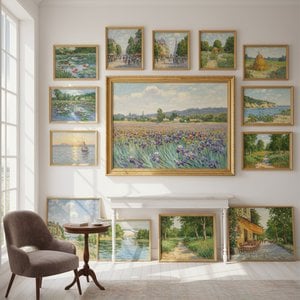
Top 10 impresionistických krajin: Mistrovská díla, která změnila umění | ArtsDot
Prozkoumejte 10 ikonických impresionistických krajin od Monet, Renoir a dalších. Objevte příběhy umělců, techniky a barevnost tohoto revolučního hnutí. Najděte perfektní obraz pro váš interiér na ArtsDot.com

Alfred Sisley: Capturing the Ephemeral Essence of Impressionist Landscape
Explore the life & art of Alfred Sisley, a master of Impressionist landscape painting. Discover his dedication to 'en plein air' techniques and serene depictions of nature. Learn about his legacy & find high-quality reproductions at ArtsDot.

