


 Náhled
 Sdílet
 Sdílet
 Podrobnosti o díle

 Stáhnout
 Podobné položky
 Rentgenové snímky
 Slideshow
Self-Reflection, c. 1901-1902


 Zobrazit více
Giclée / Umělecký tisk
Giclée nebo plátěný tisk muzeální kvality s rychlou výrobou a flexibilními možnostmi povrchové úpravy. ( Koupit ručně malovaný obraz Koupit obrázek)




P118B $10

P118H $10

P118W $10

P438Z $10

P508JH $12

P508YH $12

P805H $10

P805Z $10

P919BZ $10

P919G $10

P919XJ $10

P959ZH $10

P968JZ $12

W106C $8

W218G $10

W218JH $8

W218Y $10

W307PJ $10

W316G $10

W316PJ $8

W316Y $10

W398PJ $8

W4111J $10

W500HY $15

W500JH $15

W692G $12

W849H $8

W940BG $15

W953PJ $8




Vyberte si z našich přednastavených velikostí, které odpovídají původním proporcím díla.

Můžete zadat vlastní rozměry tak, aby výtvor odpovídal konkrétnímu rámu nebo prostoru. Pokud zvolená velikost nebude odpovídat poměru stran původního obrazu, dílo buď ořížeme, nebo obraz rozšíříme pomocí zrcadlového efektu či jednobarevného okraje. Před zahájením výroby vám bude zaslán digitální náhled k schválení.
Mějte prosím na paměti, že náhled na obrazovce neodráží skutečné oříznutí nebo rozšíření. Pouze digitální náhled přesně zobrazí finální kompozici.
Ačkoliv jsou k dispozici i vlastní rozměry, pro zachování původních proporcí doporučujeme vybrat si rozměr z předdefinovaného seznamu.
Celosvětové doručení () do 2 týdnů namísto standardních 4/5 týdnů. (29 srpen)

Zdarma celosvětová expresní doprava

Vysoce kvalitní lněné plátno

Kompletní přepravní pojištění

Záruka vrácení celního poplatku

Záruka přesného barevného shodu

60denní lhůta pro vrácení zboží (pouze při vadách výroby)

100% garance vrácení peněz

Sleva při hromadné objednávce
 Skleněná varianta je dostupná pouze u rozměrů menších než 110 cm

Self-Reflection, c. 1901-1902
Giclée / Umělecký tisk
Rozměry reprodukce
-


Celková cena za výběr
$ 62
Alfred Kubin’s “Self-Reflection”: A Descent Into Psychological Horror
Alfred Leopold Isidor Kubin (1877 – 1959), born in Leitmeritz, Bohemia, stands as a singular figure in Austrian art history, recognized primarily for his hauntingly beautiful and psychologically complex prints—particularly those imbued with the dark spirit of Symbolism and foreshadowing the anxieties of Expressionism. His artistic journey began amidst personal turmoil – a near-fatal suicide attempt fueled by unresolved grief over his mother’s death and subsequent mental instability stemming from military service – shaping him into an artist profoundly attuned to inner landscapes of fear and imagination.
Early Influences & Training: Kubin’s formative years were marked by apprenticeship under photographer Alois Beer, though he gained little practical photographic skill. However, his artistic sensibilities blossomed during a period of intensive study at Munich Academy where he encountered the revolutionary ideas championed by Odilon Redon, Edvard Munch, James Ensor, and Henry de Groux. Notably, Max Klinger’s prints exerted an indelible impact on Kubin's style—specifically the aquatint technique—inspiring him to embrace a method that prioritized tonal subtlety and psychological depth. Munich Academy & Artistic Breakthrough: Recognizing Klinger’s influence, Kubin declared his intention to dedicate his life to creating similar works of art, capturing the essence of human emotion with meticulous detail. He excelled at Munich Academy but abandoned formal studies after discovering the profound aesthetic power of Symbolism and Expressionism.
Symbolic Vision & Recurring Themes: Kubin’s artistic output consisted predominantly of pen and ink drawings, watercolors, and lithographs—a deliberate choice reflecting his fascination with exploring the subconscious mind. His oeuvre is characterized by fantastical visions populated by grotesque creatures and shadowy figures, often arranged into thematic series that delve into anxieties surrounding death, morality, and the human condition.
Notable Works & Literary Pursuits: Kubin’s artistic output included a small number of oil paintings but he achieved lasting renown through his illustrations—most notably for Edgar Allan Poe's *The Raven*, cementing his reputation as a master of atmospheric storytelling and psychological portraiture. Beyond visual art, Kubin possessed considerable literary talent, publishing the novel *The Other Side*, which explores themes of isolation, trauma, and existential dread.
Legacy & Influence: Kubin’s work continues to resonate with artists and critics alike, influencing generations of illustrators and writers. His distinctive style—marked by meticulous draughtsmanship, unsettling imagery, and a preoccupation with psychological states—established him as a pivotal voice in the Symbolist movement and foreshadowed the expressive fervor of Expressionism.
“Self-Reflection,” created around 1901–02, exemplifies Kubin’s signature approach. The image depicts a solitary man standing beside a skull or headless figure—a motif that recurs throughout his oeuvre—representing introspection and confronting mortality. Rendered in meticulous pen and ink wash with subtle spray paint accents, the artwork utilizes aquatint to achieve remarkable tonal gradation, conveying an atmosphere of profound unease and psychological torment.
The composition’s stark simplicity underscores Kubin's masterful control over form and texture. The man’s posture—facing away from the viewer—suggests a deliberate avoidance of gaze, mirroring the internal struggle depicted within the artwork. Kubin’s meticulous draughtsmanship captures every nuance of expression, conveying a palpable sense of vulnerability and despair.
“Self-Reflection” transcends mere visual representation; it embodies Kubin's preoccupation with confronting existential anxieties—a hallmark of Symbolism and anticipating the expressive concerns of Expressionism. The artwork invites contemplation on themes of loss, identity, and the inescapable confrontation with death—themes that continue to captivate audiences today.
The painting’s haunting beauty lies in its ability to evoke a visceral emotional response. Kubin skillfully employs tonal contrasts and textural variations to heighten the sense of drama and psychological intensity. “Self-Reflection” stands as a testament to Kubin's artistic genius—a masterpiece that captures the essence of Symbolist aesthetics and foreshadows the anxieties of Expressionism.
Explore this artwork alongside other masterpieces by Alfred Kubin at Google Arts & Culture.
Podobná umělecká díla


Biografie umělce
The Shadow Painter of Symbolism and Expressionism
Alfred Leopold Isidor Kubin stands as a singular, haunting figure in the annals of Austrian art history, a master whose brush and needle seemed to navigate the darkest corridors of the human psyche. Born in 1877 in Leitmeritz, Bohemia, Kubin’s life was inextricably linked to the landscapes of his own imagination—landscapes often populated by grotesque creatures, shadowy figures, and an overwhelming sense of existential dread. His early years were marked by profound personal turbulence; a near-fatal suicide attempt following the loss of his mother and subsequent mental instability during his military service forged an artist profoundly attuned to the inner landscapes of fear, grief, and the subconscious mind.
Before he became a titan of the Symbolist movement, Kubin’s formative years included a brief apprenticeship under the photographer Alois Beer. While he gained little practical skill in the photographic arts, this early exposure to light and shadow likely informed the tonal subtlety that would later define his graphic work. His artistic journey truly ignited during his studies at the Munich Academy, where he encountered the revolutionary visions of Odilon Redon, Edvard Munch, and James Enscor. It was here that he found a kindred spirit in the works of Max Klinger, whose mastery of the aquatint technique left an indelible mark on Kubin’s style, inspiring him to pursue a method that prioritized psychological depth and atmospheric density over mere representation.
A Visionary of the Subconscious
Kubin’s artistic output was a deliberate exploration of the dream world, primarily expressed through pen and ink drawings, watercolors, and lithographs. He eschewed the bright palettes of his contemporaries in favor of a monochromatic or muted spectrum that allowed for the creation of murky, unsettling atmospheres. His work often feels like a window into a fever dream, where the boundaries between reality and nightmare are perilously thin. This fascination with the irrational and the macabre placed him at the forefront of both Symbolism and the burgeoning Expressionist movement.
The themes within his oeuvre are as recurring as they are unsettling:
- The Grotesque and the Fantastic: His prints are frequently populated by chimeric beasts and distorted human forms that evoke a sense of primordial terror.
- Psychological Torment: Works such as Self-Reflection (c. 1902) utilize headless figures and fragmented bodies to mirror the disintegration of the self.
- Allegorical Landscapes: Environments like those seen in The Swamp serve not just as settings, but as metaphors for the murky, impenetrable depths of the human soul.
Beyond his graphic mastery, Kubin was also a gifted writer, most notably composing the single novel The Other Side (Die andere Seite). This allegorical work serves as a literary companion to his visual art, mirroring the same themes of displacement and the haunting presence of an unseen, darker reality. His ability to bridge the gap between the written word and the visual image solidified his reputation as a complete creator of mythic worlds.
Legacy and Historical Significance
The historical significance of Alfred Kubin extends far beyond the borders of Austria. He was a pivotal figure whose work bridged the gap between the late 19th-century Symbolist obsession with myth and the early 20th-century Expressionist focus on raw, emotional truth. His influence can be traced through the works of other masters; notably, his dark, atmospheric style resonated deeply with Franz Kafka, whose own literary explorations of bureaucracy and nightmare share a spiritual kinship with Kubin’s visual nightmares.
Throughout his career, Kubin achieved international recognition, illustrating the works of legendary authors such as Fyodor Dostoevsky and Edgar Allan Poe. His membership in prestigious institutions, including the Prussian Academy of Arts in Berlin and the Bavarian Academy of Fine Arts, underscores the respect he commanded within the European art establishment. Even as the world moved through the upheavals of the two World Wars, Kubin’s work remained a steadfast exploration of the eternal shadows that reside within us all. Today, he is remembered not merely as a printmaker, but as an architect of the subconscious, a painter who dared to give form to the fears that most of humanity seeks to keep hidden.

Alfred Kubin
1877 - 1959 , Austria
Rychlé fakta
- Artistic Movement Or Style: Symbolism & Expressionism
- Artists Or Movements Influenced By This Artist: ['Kafka']
- Artists Who Influenced This Artist:
- Max Klinger
- Odilon Redon
- Edvard Munch
- Date Of Birth: April 10, 1877
- Date Of Death: August 20, 1959
- Full Name: Alfred Leopold Isidor Kubin
- Nationality: Austrian
- Notable Artworks:
- Untitled (849)
- Another dream beyond the chaos
- One woman for all
- Place Of Birth: Bohemia (Austria)
Související články
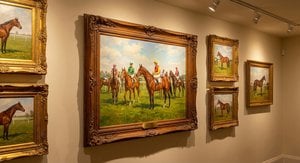
Sir Alfred James Munnings: Top 25 Děl Mistra Koní – Umění a Dekorace pro Vaši Sbírku
Prozkoumejte 25 ikonických obrazů Alfreda Jamese Munnings, mistra koní a anglického impresionismu. Obdivujte realistické krajinomalby, jezdecké scény a válečné obrazy. Reprodukce a luxusní dekorace na ArtsDot.com! Prohlédněte si celou sbírku online.

Giclée Prints: Archival Quality & Aesthetic Nuances for the Discerning Collector
Explore the world of giclée prints with ArtsDot. Learn about archival quality, aesthetic nuances & investment potential. Expert guidance for discerning art collectors seeking museum-quality reproductions and lasting value.

Echoes of Time: Exploring the Enduring Appeal & Historical Context of Vintage Art Prints
Explore the captivating world of vintage art prints! Discover their history, collecting tips & enduring appeal. Expert insights on chromolithography and building a legacy collection with ArtsDot.
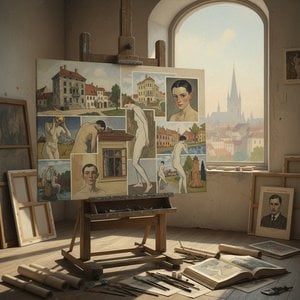
Egon Schiele: Top 25 Děl Mistra Expresionismu | Reprodukce a Dekorace s ArtsDot
Prozkoumejte top 25 děl Egona Schieleho – mistra expresionismu. Obdivujte portréty, akvarely a kresby plné emocí a psychologické hloubky. Reprodukce obrazů s ArtsDot pro váš interiér. Discover all masterpieces on ArtsDot.com

The Enduring Legacy of Fine Art Prints: Technique, History & Aesthetic Impact
Explore the rich history & techniques of fine art prints. Discover investment potential, assess authenticity, and learn how to preserve your collection with expert guidance. Trusted insights for discerning collectors.

