

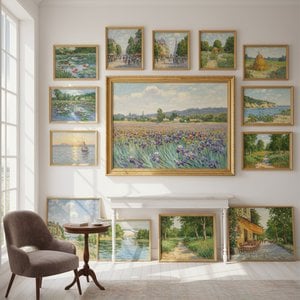
 Náhled v interiéru
 Sdílet
 Sdílet
 Podrobnosti o díle
 Průvodce

 Stáhnout
 Podobné položky
 Rentgenové snímky
 Slideshow
 Otázky a odpovědi
 Statistiky
Grazing Cows


 Zobrazit více
Giclée / Umělecký tisk
Giclée nebo plátěný tisk muzeální kvality s rychlou výrobou a širokou nabídkou povrchových úprav. ( Koupit ručně malovaný obraz Přepnout na digitální obraz)




P118B Kč10

P118H Kč10

P118W Kč10

P438Z Kč10

P508JH Kč12

P508YH Kč12

P805H Kč10

P805Z Kč10

P919BZ Kč10

P919G Kč10

P919XJ Kč10

P959ZH Kč10

P968JZ Kč12

W106C Kč8

W218G Kč10

W218JH Kč8

W218Y Kč10

W307PJ Kč10

W316G Kč10

W316PJ Kč8

W316Y Kč10

W398PJ Kč8

W4111J Kč10

W500HY Kč15

W500JH Kč15

W692G Kč12

W849H Kč8

W940BG Kč15

W953PJ Kč8




Vyberte si z našich přednastavených velikostí, které odpovídají původním proporcím díla.

Zadejte šířku a výšku, které potřebujete pro váš rám nebo stěnu. Tisk lze pouze oříznout, nikdy však nelze zvětšit obraz nad jeho původní rozměr, proto při výběru jiného formátu dochází ke ztrátě části obrazu. Před samotným tiskem vám zašleme digitální náhled k schválení. Obraz zobrazený na této stránce nenabízí skutečný výřez — ten uvidíte pouze v náhledu.
Celosvětové doručení () do 2 týdnů namísto standardních 4/5 týdnů. (6 listopad)

Zdarma celosvětová expresní doprava

Vysoce kvalitní lněné plátno

Kompletní pojištění přepravy

Záruka vrácení celního poplatku

Záruka věrného barevného souladu

100dení lhůta pro vrácení zboží (pouze při vadách výroby)

100% záruka vrácení peněz

Sleva při více objednávkách
 Skleněná varianta je dostupná pouze u rozměrů menších než 110 cm

Grazing Cows
Giclée / Umělecký tisk
Rozměry reprodukce
-


Celková cena za vybrané možnosti reprodukcí
Kč 1373
Podobná díla


Biografie umělce
Alexei Stepanov: A Pioneer of Impressionist Landscape Painting
Alexei Stepanovich Stepanov (1858 – 1923) stands as a significant figure in late nineteenth and early twentieth-century Russian art, particularly recognized for his contribution to the Peredvizhniki movement and his role as a formative teacher. Born into a noble family whose officers served valiantly during the Crimean War, Stepanov’s upbringing instilled within him a deep appreciation for observation and detail—qualities that would profoundly shape his artistic vision. Tragically orphaned at the tender age of six when his parents succumbed to illness, he was entrusted to the Moscow Orphanage for Children from Military Families, an institution founded by Count Razumovsky, providing him with a stable environment amidst challenging circumstances. His academic pursuits continued at Konstantin Surveying Institute where he honed his technical skills and secured a position as an official surveyor in 1879—a profession that would later inform his meticulous approach to landscape painting. From 1880 to 1883, Stepanov immersed himself in the teachings of Ilya Repin and Evgraf Sorokin at Moscow School of Painting, Sculpture and Architecture, fostering connections with fellow artists who would become lifelong collaborators. Notably, he befriended Leonid Sabaneyev, whose literary magazine Природа и охота showcased Stepanov’s artistic talent through over a hundred drawings between 1883 and 1895—a period marked by considerable stylistic experimentation. The pivotal moment in Stepanov's artistic trajectory arrived in 1888 when he joined the Peredvizhniki group, spearheaded by Repin and Vasily Surikov. This association propelled him into a vibrant artistic community dedicated to depicting Russian life with unflinching realism and capturing the beauty of the natural world. His painting “Moose Herd,” completed in that year, swiftly gained acclaim from Pavel Tretyakov—a testament to his ability to convey emotion through careful observation and masterful brushwork. Subsequently, Stepanov accepted an invitation to lecture at Moscow School of Fine Arts established by Anatoly Gunst, furthering his commitment to artistic education and nurturing the talents of future generations. He remained a professor until 1918, shaping the careers of artists like Sergey Gerasimov, Boris Ioganson, Pavel Korin, and Leonard Turzhansky—artists who would carry forward Stepanov’s legacy. A transformative journey to Europe in 1903 alongside Nikolai Medyntsev and his family exposed Stepanov to the influence of Impressionist painters such as Claude Monet and Pierre-Auguste Renoir. This experience solidified his stylistic preferences, emphasizing luminous color palettes and fleeting moments of light—characteristics that define many of his landscapes. His marriage to Medyntsev’s daughter, Lyudmila, provided him with a supportive home life allowing him to continue his artistic endeavors. Stepanov's enduring contribution to Russian art lies in his ability to synthesize realism with Impressionist aesthetics, resulting in evocative depictions of rural Russia that resonate with timeless beauty and convey profound emotional depth. He remains an important figure in the history of landscape painting and a symbol of Peredvizhniki’s dedication to portraying authentic life experiences.
Alexei Stepanov
1858 - 1923
Rychlé informace o umělci
- Artistic Movement Or Style: Peredvizhniki; Impressionism
- Artists Or Movements Influenced By This Artist: ['Impressionists']
- Artists Who Influenced This Artist:
- Illarion Pryanishnikov
- Evgraf Sorokin
- Date Of Birth: 1858
- Date Of Death: 1923
- Full Name: Alexei Stepanovich Stepanov
- Nationality: Russian
- Notable Artworks:
- Moose herd
- Morning greeti
- Place Of Birth: Moscow, Russia
Související články

Beyond the Horizon: A Curated Guide to Integrating Post-Impressionist Landscapes into Modern Interiors
Transform your home with the emotive power of Post-Impressionist landscapes. Discover expert tips on selecting hand-painted oil reproductions to create a soulful, vibrant interior that reflects your unique style and connection to nature.

Cultivating Visions: A Historical Journey Through Rural Landscapes in Art
Explore the rich history of rural landscape painting with ArtsDot. Discover Impressionist masterpieces, key artists & movements. Find your perfect serene artwork and bring nature's beauty home.
Top 10 impresionistických krajin: Mistrovská díla, která změnila umění | ArtsDot
Prozkoumejte 10 ikonických impresionistických krajin od Monet, Renoir a dalších. Objevte příběhy umělců, techniky a barevnost tohoto revolučního hnutí. Najděte perfektní obraz pro váš interiér na ArtsDot.com

John Constable: 25 mistrovských děl krajinářské poezie | ArtsDot.com
Prozkoumejte 25 ikonických děl Johna Constabla, mistra anglického krajinářství a romantismu. Obdivujte jeho olejomalby, plátna s venkovskou atmosférou a inspirujte se pro dekoraci interiéru. Reprodukce obrazů nejvyšší kvality na ArtsDot.com

Top 10 impresionistických krajin: Mistrovská díla, která změnila umění | ArtsDot.cz
Prozkoumejte 10 ikonických impresionistických krajin od Monet, Renoir a dalších. Objevte příběhy umělců, techniky a barvy, které definovaly toto revoluční hnutí. Najděte dokonalý obraz pro váš interiér na ArtsDot.cz