


 Zobrazit v interiéru
 Odeslat
 Sdílet
 Podrobnosti
 Průvodce

 Stáhnout obrázek
 Podobné kousky
 Rentgenové snímky
 Slideshow
 Statistiky
Étagère


 Přečíst si více
Ručně malovaná olejová reprodukce
Ručně malované olejné plátno v libovolném rozměru i s rámem, vyrobené našimi umělci na zakázku. ( Přepnout na tiskové verze Přepnout na digitální verzi obrazu)




P118B Kč10

P118H Kč10

P118W Kč10

P438Z Kč10

P508JH Kč12

P508YH Kč12

P805H Kč10

P805Z Kč10

P919BZ Kč10

P919G Kč10

P919XJ Kč10

P959ZH Kč10

P968JZ Kč12

W106C Kč8

W218G Kč10

W218JH Kč8

W218Y Kč10

W307PJ Kč10

W316G Kč10

W316PJ Kč8

W316Y Kč10

W398PJ Kč8

W4111J Kč10

W500HY Kč15

W500JH Kč15

W692G Kč12

W849H Kč8

W940BG Kč15

W953PJ Kč8




Vyberte si z našich přednastavených velikostí, které odpovídají původním proporcím díla.

Zadejte šířku a výšku, které potřebujete pro váš rám nebo stěnu. Protože se jedná o ruční malbu, při výběru jiného formátu může umělec kolem obrazu domalovat o něco více, nebo jej mírně oříznout — rozhodnete si vy. Před zahájením malby vám zašleme digitální náhled ke schválení. Obraz zobrazený na této stránce neodpovídá skutečnému výsledku — pouze digitální náhled jej zobrazuje.
Po přijetí objednávky vám tým ArtsDot.com zašle e-mail s pokyny a poskytne náhledovou verzi.
Celosvětová doprava () za 3–4 týdny namísto standardních 5 týdnů. (20 říjen). Bez kompromisů v kvalitě.

Zdarma celosvětová expresní doprava

Vysoce kvalitní lněné plátno

Úplné pojištění přepravy

Záruka vrácení celního poplatku

Záruka věrného barevného shodu

100dení lhůta pro vrácení zboží (pouze při vadách výroby)

100% garance vrácení peněz

Sleva při více objednávkách
 Skleněná varianta je dostupná pouze u rozměrů menších než 110 cm

Étagère
Technika provedení
Velikost reprodukce
-


Celková cena
Kč 5579
Étagère – A Reflection of Rococo Elegance
Alexandre Roux’s étagère stands as a testament to the enduring allure of the Rococo Revival style, capturing the spirit of Parisian salons in the mid-nineteenth century. More than just furniture; it embodies an aesthetic ideal—refined ornamentation, graceful curves, and a deliberate display of wealth and taste. The piece's meticulous craftsmanship speaks volumes about Roux’s dedication to preserving artistic traditions while adapting them to contemporary sensibilities. Its presence evokes memories of opulent gatherings and the pursuit of beauty as a form of social status.- Artist: Alexandre Roux (1813–1886)
- Born City: Paris
- Born Country: France
- Style: Rococo Revival
- Medium: Rosewood, chestnut, poplar, bird’s-eye maple
A Legacy of Parisian Craftsmanship
Alexandre Roux's journey began in the workshops of Paris, where he honed his skills as a cabinetmaker—a profession steeped in history and tradition. Like many talented artisans of his era, Roux recognized the importance of mastering classical techniques while embracing innovation. His relocation to New York City in 1844 marked a pivotal moment, establishing him as a prominent figure in the burgeoning American furniture design landscape. Roux’s influence extended beyond mere production; he championed the revival of Rococo aesthetics—a style characterized by elaborate floral motifs, cherubic figures, and asymmetrical compositions—demonstrating an astute understanding of evolving tastes among affluent Americans.The Musée d'Orsay Connection
Notably, Roux’s étagère shares striking similarities with the Alexander Roux étagère housed at the Musée d'Orsay in Paris. This remarkable coincidence underscores Roux’s commitment to excellence and his role as a pivotal contributor to the dissemination of Rococo Revival principles across continents. The Musée d'Orsay’s acquisition serves as tangible evidence of Roux’s enduring legacy—a symbol of artistic heritage celebrated by one of France’s most prestigious cultural institutions.Detailed Examination: Composition & Technique
The étagère’s composition prioritizes verticality, emphasizing its height and commanding presence within a room setting. The curved supports contribute to an asymmetrical design that draws the eye upwards—a stylistic hallmark of Rococo Revival. Roux skillfully employed glazing techniques to achieve depth and luminosity, capturing the subtle nuances of light reflecting off the polished wood surfaces and mirroring the ethereal beauty of the decorative mirror. Furthermore, the intricate carvings on the rosewood frame demonstrate a mastery of craftsmanship—a testament to Roux’s dedication to preserving traditional woodworking skills while elevating them to new levels of artistic expression.Symbolism & Emotional Resonance
Beyond its formal qualities, the étagère embodies deeper symbolic meanings—representing aspiration for social prestige and an appreciation for refined taste. Its ornate embellishments hark back to the grandeur of eighteenth-century French courts, evoking feelings of elegance, luxury, and historical significance. Like many artworks from Roux’s time, it speaks to a desire for beauty as a means of enriching one's life—a sentiment that continues to resonate with collectors and interior designers today.Otázky a odpovědi
Jak je popsána paleta díla „Étagère“ od Alexandre Roux?
Dílo „Étagère“ od Alexandre Roux využívá Neutrální tóny barevnou paletu. Tato paleta shrnuje celkový barevný charakter díla.
Jaký emocionální tón doprovází styl Rococo Revival u díla „Étagère"]?
V rámci směru Rococo Revival je dílo „Étagère“ zachyceno v Klidná atmosféra tónu.
Jak je utkaná barevná kompozice díla „Étagère“ od Alexandre Roux?
Barevná analýza díla „Étagère“ od Alexandre Roux zachycuje Prohlášení kontrast a Nesourodá paleta harmonii.
Související díla


Biografie umělce
Alexandre Roux: The Parisian Cabinetmaker Who Shaped American Style
Born in the heart of Paris in 1813, Alexandre Roux’s journey from a skilled craftsman to a celebrated furniture maker in New York City is a testament to ambition, talent, and an astute understanding of evolving aesthetic tastes. Initially trained within the traditional workshops of his native France, Roux’s career took a pivotal turn when he immigrated to America in 1844, establishing himself as a prominent figure in the burgeoning world of American furniture design. His legacy isn't defined by grand, revolutionary movements but rather by a consistent dedication to exquisite detail and a masterful command of the Rococo Revival style – a style that profoundly influenced the interiors of wealthy homes across the United States during the mid-19th century.
Roux’s early life instilled in him a deep appreciation for craftsmanship. While specific details about his family are scarce, it's clear he was raised within a lineage of artisans, absorbing techniques and an inherent understanding of materials. This foundation proved invaluable as he navigated the challenges of establishing a business in a new country. New York City, with its rapid growth and influx of European immigrants, presented both opportunities and competition. Roux quickly distinguished himself through his commitment to quality, utilizing premium materials like black walnut and incorporating intricate carvings that echoed the elegance of 18th-century France. His workshops became renowned for producing furniture that was not merely functional but also a statement of refined taste – a direct reflection of the Rococo Revival’s emphasis on ornamentation, curves, and luxurious finishes.
Notable Works and Artistic Style
Roux's work is characterized by an almost obsessive attention to detail. He wasn’t simply replicating historical styles; he was interpreting them with a distinctly American sensibility. His pieces often featured elaborate motifs – shells, scrolls, floral patterns – meticulously carved into the wood and finished with lustrous varnish. The “Parlor Cabinet,” perhaps his most celebrated creation, exemplifies this perfectly. This stunning piece showcases Roux's ability to seamlessly blend intricate designs with exquisite materials, creating a work that is both visually arresting and remarkably tactile. The inclusion of a bowl on one side and a mirror on the other adds an element of surprise and sophistication, demonstrating Roux’s understanding of how furniture could function as a sculptural object within a room.
Beyond the Parlor Cabinet, works like “Still Life Fish” offer further insight into Roux's artistic approach. While categorized as an oil painting, this piece reveals his keen eye for texture and light – qualities he undoubtedly translated to his furniture designs. The meticulous rendering of scales and reflections suggests a desire to capture not just the appearance but also the essence of the subject matter. This attention to realism, combined with a subtle impressionistic touch, sets Roux apart from purely academic painters.
Influence and Historical Context
Alexandre Roux’s rise coincided with a significant shift in American interior design. Following the War of 1812, there was a renewed interest in European styles, particularly those of the French monarchy. The Rococo Revival, characterized by its ornate detailing and emphasis on luxury, became immensely popular among wealthy Americans seeking to emulate the elegance of European aristocracy. Roux’s furniture played a crucial role in shaping this trend, providing a tangible link to the past while simultaneously reflecting the aspirations of the burgeoning American elite.
His work was showcased at the 1853 New York Crystal Palace Exhibition, a pivotal event that brought together innovations from across the globe. This exposure undoubtedly solidified Roux’s reputation and contributed to the growing demand for his furniture. The commission from the Astor family—a testament to his skill—further elevated his status within the American design community.
Legacy and Recognition
While Alexandre Roux may not be as widely recognized as some of his contemporaries, his contributions to American furniture design are undeniable. His pieces can be found in prestigious collections such as the Musée Baron Gérard in Bayeux, France, a testament to their enduring quality and artistic merit. The Metropolitan Museum of Art also holds an example of his work – a sideboard that provides valuable insight into his craftsmanship and stylistic choices. His influence extends beyond individual pieces; Roux helped establish a precedent for American furniture makers who sought to blend European tradition with local sensibilities, ultimately shaping the evolution of American design.
Alexandre Roux’s story is one of transatlantic ambition, artistic dedication, and a profound understanding of the power of beauty. His legacy lives on in the exquisite furniture he created – pieces that continue to inspire admiration for their craftsmanship, elegance, and enduring appeal.

Alexandre Roux
1813 - 1886 , France
Rychlé informace
- Full Name: Alexandre Roux
- Nationality: French
- Date Of Birth: 1813
- Date Of Death: 1886
- Place Of Birth: Paris, France
- Notable Artworks:
- Parlor Cabinet
- Still life fish
- Artistic Movement Or Style: Rococo Revival, Victorian Furniture
Související články

The Allure of Elegance in Art: A Historical & Aesthetic Exploration of Refinement & Grace
Explore the exquisite world of Rococo art! Discover its history, masters (Watteau, Boucher & more), and defining elegance. Expert insights for collectors seeking museum-quality reproductions & custom portraits.

The Rococo Aesthetic: Opulence, Rebellion & the Pursuit of Pleasure in 18th-Century Art
Explore the opulent world of Rococo art! Discover its origins, key artists like Watteau & Boucher, and lasting influence on design. Expert insights for collectors & enthusiasts.
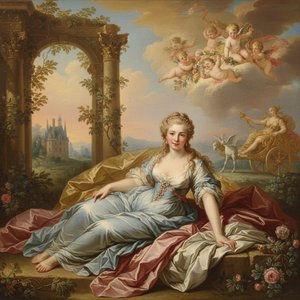
François Boucher: Rococo Master of Myth, Sensuality, and the French Court
Explore the captivating world of François Boucher, master of Rococo painting! Discover his iconic works, aristocratic patronage, and lasting influence on French art history. Learn more at ArtsDot.

Charles-André van Loo: A Study in Rococo Portraiture & the French Court's Artistic Dynamics
Explore the elegant world of Charles-André van Loo, a master of Rococo portraiture at the French court. Discover his life, techniques, and enduring influence on 18th-century art. Hand-painted reproductions available.

Top 10 mistrovských děl rokokového umění | ArtsDot.cz
Prozkoumejte 10 ikonických děl rokokového umění – Fragonard, Boucher a další. Objevte příběhy mistrů, techniky a pastelové barvy tohoto elegantního stylu. Reprodukce obrazů nejvyšší kvality na ArtsDot.cz!
