


 Náhled v interiéru
 Sdílet
 Sdílet
 Podrobnosti o díle
 Průvodce

 Stáhnout
 Podobné položky
 Rentgenové snímky
 Slideshow
 Statistiky
Self-portrait


 Zobrazit více
Ručně malovaná olejová reprodukce
Rukou malované olejné plátno v libovolném rozměru i s rámem, vyrobené našimi umělci na zakázku. ( Přepnout na tisk Přepnout na digitální obraz)




































Vyberte si z našich přednastavených velikostí, které odpovídají původním proporcím díla.

Zadejte šířku a výšku, které potřebujete pro váš rám nebo stěnu. Protože se jedná o ruční malbu, při výběru jiného formátu může umělec kolem obrazu domalovat o něco více, nebo jej mírně oříznout — rozhodnete si vy. Před zahájením malby vám zašleme digitální náhled ke schválení. Obraz zobrazený na této stránce neodpovídá skutečnému výsledku — pouze digitální náhled jej zobrazuje.
Po přijetí objednávky vám tým ArtsDot.com zašle e-mail s pokyny a poskytne náhledovou verzi.
Celosvětová doprava () za 3–4 týdny namísto standardních 5 týdnů. (25 říjen). Bez kompromisů v kvalitě.

Zdarma celosvětová expresní doprava

Vysoce kvalitní lněné plátno

Kompletní pojištění přepravy

Záruka vrácení celního poplatku

Záruka věrného barevného souladu

100dení lhůta pro vrácení zboží (pouze při vadách výroby)

100% záruka vrácení peněz

Sleva při více objednávkách
 Skleněná varianta je dostupná pouze u rozměrů menších než 110 cm

Self-portrait
Technika reprodukce
Rozměry reprodukce
-


Celková cena za vybrané možnosti reprodukcí
Kč 5624
Podobná díla


Biografie umělce
Alexander Clarot: A Viennese Romantic Portraitist
Alexander Clarot (1796 – 1842) stands as a pivotal figure in the landscape of Austrian art during the first half of the nineteenth century. Born in Vienna, Austria, he embarked on an artistic journey that would solidify his reputation as a masterful miniaturist and portrait painter—a testament to the enduring allure of Romanticism’s meticulous observation and emotive expression. His formative years were spent honing his skills at the Vienna Academy of Fine Arts, where he absorbed the stylistic conventions of his time and established himself as a respected member by 1829.- Early Influences: Clarot's artistic sensibilities were profoundly shaped by the prevailing Romantic movement, which championed emotion, imagination, and an idealized depiction of nature. Artists like Eugène Delacroix and Caspar David Friedrich served as significant inspirations, encouraging him to prioritize expressive color palettes and dramatic compositions.
- Technique & Style: Clarot’s distinctive style was characterized by painstaking detail—a hallmark of Viennese miniature painting—combined with a Romantic sensibility. He meticulously rendered textures and nuances in his portraits, capturing subtle expressions and conveying psychological depth. His brushstrokes were deliberate and controlled, prioritizing accuracy alongside artistic vision.
- Notable Works: Clarot’s oeuvre comprises numerous captivating pieces that exemplify the Romantic spirit. Among his most celebrated works are “Karl Artaria, Viennese Art Dealer” (1835), a portrait of a prominent art dealer reflecting Vienna's cultural vibrancy; "A portrait of a woman in a bonnet with a pink ribbon" (1837), showcasing exquisite craftsmanship and capturing the gracefulness of Victorian femininity; and “Self-portrait” (1825), offering an intimate glimpse into Clarot’s artistic identity.
Vienna Academy & Artistic Recognition
His enrollment at the Vienna Academy of Fine Arts proved instrumental in furthering his artistic development and securing recognition within the Viennese art community. The academy fostered a competitive environment that encouraged experimentation and refinement, allowing Clarot to hone his technique and broaden his stylistic horizons. Furthermore, membership signaled acceptance into the established artistic hierarchy—a crucial step toward establishing himself as a respected artist of his era.Legacy & Historical Significance
Alexander Clarot’s contribution to Austrian art extends beyond his individual masterpieces; he embodies the spirit of Romantic Vienna – a period marked by intellectual ferment and artistic innovation. His meticulous portraits not only documented the faces of prominent figures but also served as conduits for conveying psychological complexity and capturing the essence of Victorian ideals. Today, Clarot's works continue to resonate with audiences worldwide, representing an enduring legacy of Romantic artistry and demonstrating the power of observation combined with emotional resonance.Resources
- Further Research:ULAN Full Record Display (Getty Research)

Alexander Clarot
1796 - 1842 , Austria
Rychlé informace o umělci
- Full Name: Alexander Clarot
- Nationality: Austrian
- Date Of Birth: 1796
- Date Of Death: 1842
- Place Of Birth: Vienna, Austria
- Notable Artworks:
- Karl Artaria, Viennese Art Dealer
- A portrait of a woman in a bonnet with a pink ribbon
- Artistic Movement Or Style: Romanticism
Související články

Nadčasová přitažlivost akvarelu: Historie, techniky a současná praxe
Prozkoumejte fascinující svět akvarelu! Historie, techniky a tipy od odborníků. Naučte se malovat akvarelem jako profesionál a objevte inspiraci v současném umění.

Ephemeral Visions: Exploring the Artistic Legacy & Contemporary Practice of Watercolor Painting
Explore the captivating world of watercolor painting! Discover its rich history, essential techniques, influential artists & collecting tips. A comprehensive guide for art enthusiasts from ArtsDot.

10 legendárních akvarelů, které změnily svět umění | ArtsDot
Objevte 10 legendárních akvarelů od Turner, Monet a dalších mistrů! Ponořte se do historie umění a inspirujte se pro váš interiér. Kvalitní reprodukce na ArtsDot.com.
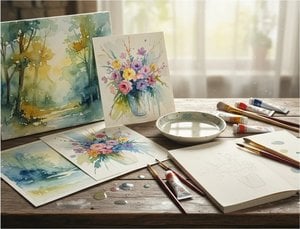
Ephemeral Visions: Exploring the Artistic Legacy & Nuances of Watercolor Painting
Explore the captivating world of watercolor painting! Discover its rich history, essential techniques, influential artists & collecting tips from art experts. A comprehensive guide for enthusiasts.

Ephemeral Visions: Exploring the History & Emotional Resonance of Watercolor Painting
Explore the captivating history of watercolor painting, from ancient techniques to modern masters like Kandinsky & Blake. Discover essential artists, collecting tips & the emotional power of this luminous medium. Expert insights for art enthusiasts.