


 Sdílet
 Sdílet
 Podrobnosti o díle

 Stáhnout
 Podobné položky
 Slideshow
Carpoolers 23


 Zobrazit více
Ručně malovaná olejová reprodukce
Ručně malovaná olejná barva na plátně ve vašem zvoleném rozměru i s rámem, vyrobená našimi umělci na zakázku. ( Koupit tisk Koupit obrázek)




































Vyberte si z našich přednastavených velikostí, které odpovídají původním proporcím díla.

Můžete zadat vlastní rozměry pro konkrétní rám nebo prostor. Pokud se vámi vybraná velikost neshoduje s proporcemi původního obrazu, dílo buď ořízneme, nebo jej doplníme ručně malovanými prvky. Před zahájením výroby vám bude zaslán digitální náhled ke schválení.
Upozorňujeme, že náhled na obrazovce neodpovídá skutečnému ořezu ani rozšíření. Pouze digitální náhled přesně zobrazí finální kompozici.
Ačkoliv je možné zvolit vlastní velikost, pro zachování původních proporcí doporučujeme vybrat rozměr z předdefinovaného seznamu.
Po přijetí objednávky vám tým ArtsDot.com zašle e-mail s pokyny a poskytne náhledovou verzi.
Celosvětová doprava () za 3–4 týdny namísto standardních 5 týdnů. (17 srpen). Bez kompromisů v kvalitě.

Zdarma celosvětová expresní doprava

Vysoce kvalitní lněné plátno

Kompletní přepravní pojištění

Záruka vrácení celního poplatku

Záruka přesného barevného shodu

60denní lhůta pro vrácení zboží (pouze při vadách výroby)

100% garance vrácení peněz

Sleva při hromadné objednávce
 Skleněná varianta je dostupná pouze u rozměrů menších než 110 cm

Carpoolers 23
Technika reprodukce
Rozměry reprodukce
-


Celková cena za výběr
$ 263
Popis díla
A Cinematic Stillness: The Poetic Realism of Alejandro Cartagena
In the evocative photograph Carpoolers 23, Alejandro Cartagena invites the viewer into a moment of profound, suspended animation. Captured from an elevated perspective, the image presents a striking tableau of modern transit and human vulnerability. A man, dressed in the utilitarian garb of a laborer—jeans, a button-up shirt, and a hat—lies on his back within the bed of a vibrant red pickup truck. As the vehicle traverses the highway, he rests his head upon a humble piece of cardboard, surrounded by a chaotic yet strangely rhythmic arrangement of yellow hard hats, water bottles, and stray tree branches. The composition functions like a cinematic still, freezing a transient moment of rest amidst the relentless momentum of travel.
The power of this work lies in its ability to transform the mundane into the monumental. Cartagena, an artist whose background in architecture informs his precise framing of space, treats the truck bed not merely as a vehicle component, but as a stage for a quiet, solitary drama. The high-angle shot creates a sense of detachment, allowing us to observe the subject with a voyeuristic tenderness. There is a palpable tension between the movement implied by the highway setting and the absolute stillness of the man’s repose. This juxtaposition evokes a deep sense of liminality—the state of being in-between destinations, between labor and rest, and between the public road and the private sanctuary of the truck bed.
Symbolism and the Human Condition
Beyond its surface-level narrative, Carpoolers 23 serves as a poignant meditation on identity and the realities of the working class. The scattered objects—the bright yellow hard hats and the discarded bottles—act as artifacts of labor, hinting at a life defined by physical toil and the necessity of endurance. These items are not merely clutter; they are symbols of the tools and remnants of a journey, both literal and metaphorical. The red truck, a bold splash of color against the asphalt, becomes a vessel for human resilience, carrying its passenger through a landscape that is often indifferent to his presence.
For the collector or interior designer, this piece offers a sophisticated layer of storytelling. It does not merely decorate a wall; it commands attention through its emotional depth and complex textures. The interplay of colors—the saturated red of the vehicle against the industrial yellow of the hats—creates a visual rhythm that is both stimulating and harmoniously balanced. This photograph resonates with those who appreciate art that explores the intersection of urban landscapes and the intangible emotions of the human spirit, making it an exquisite choice for spaces that value contemporary narrative photography.
A Masterpiece of Contemporary Documentation
Technically, Cartagena’s work excels in its ability to find beauty within the grit of everyday life. His mastery of light and composition allows him to elevate a scene of roadside rest into a high-art exploration of social reality. The photograph captures the textures of the cardboard, the plastic of the bottles, and the rugged fabric of the man's clothing with such clarity that the viewer can almost feel the heat of the highway sun. It is this tactile quality, combined with his profound empathy for his subjects, that establishes Cartagena as a leading voice in contemporary Mexican photography.
Owning a reproduction of Carpoolers 23 is an opportunity to bring a piece of profound social commentary into one's personal environment. It serves as a constant reminder of the quiet strength found in the margins of our fast-paced world, offering a window into a moment of peace captured amidst the motion of life. Whether placed in a minimalist gallery setting or a richly textured living space, the image provides an enduring focal point that invites contemplation, conversation, and deep emotional connection.
Podobná umělecká díla


Biografie umělce
Early Life and Artistic Beginnings
Alejandro Cartagena, born in Santo Domingo, Dominican Republic, in 1977, embarked on a creative journey that would ultimately lead him to become a highly acclaimed Mexican photographer known for his poignant explorations of identity, urban landscapes, and the human condition. Though initially rooted in architecture—he holds a degree in the field—Cartagena’s path shifted decisively towards photography as he recognized its unique capacity to capture not just structures but also the stories embedded within them. This transition wasn't merely a change in medium; it was a fundamental reorientation of his artistic focus, moving from the tangible built environment to the intangible realities of social life and emotional experience. His early work hinted at this burgeoning interest, often framing architectural spaces as containers for human activity, foreshadowing the themes that would come to define his mature style. The move to Monterrey, Mexico, proved pivotal, providing a rich and complex backdrop for his evolving artistic vision.The Monterrey Project: Suburban Sprawl and Social Commentary
Monterrey became more than just a home; it transformed into Cartagena’s primary subject matter. He began meticulously documenting the effects of rapid suburban expansion on the city's population and environment—a phenomenon he observed with both critical distance and empathetic understanding. This wasn’t simply an aesthetic pursuit; it was a deliberate attempt to grapple with the complexities of modernization, economic disparity, and the often-unseen consequences of unchecked growth. His seminal series, Carpoolers (2014), exemplifies this approach. Cartagena captured construction workers traveling in the back of trucks along Mexican Federal Highway 85, offering a stark yet dignified portrayal of labor and precarity. The aerial perspective—a signature element of his style—wasn’t merely about visual impact; it served to highlight the vulnerability and resilience of these individuals against the vastness of the suburban landscape. This series, and others like it, became powerful statements on the social fabric of Monterrey, challenging conventional notions of progress and prompting viewers to confront uncomfortable truths about their own environments.A Multifaceted Approach: Landscape, Portraiture, and Self-Publishing
Cartagena’s artistic practice is characterized by a compelling interplay between landscape and portraiture. He doesn't view these as separate genres but rather as complementary tools for exploring the same underlying themes. His landscapes are rarely pristine or idyllic; they are often marked by signs of human intervention—construction sites, sprawling housing developments, congested highways—reflecting the impact of urbanization on the natural world. Simultaneously, his portraits aren’t simply representations of individuals; they are windows into their lives, revealing stories of struggle, hope, and resilience. This nuanced approach is further underscored by Cartagena's commitment to self-publishing. He has created a remarkable body of work through independent publications—Suburbia Mexicana, Before the War, Santa Barbara Shame on US, among others—allowing him complete creative control and fostering a direct connection with his audience. These books are not merely collections of photographs; they are carefully curated narratives, often incorporating essays and interviews that deepen their impact.Recognition and Historical Significance
Alejandro Cartagena’s work has garnered significant recognition within the art world, earning him inclusion in the permanent collections of prestigious institutions such as the Museum of Contemporary Photography in Chicago, the Museum of Fine Arts in Houston, and the San Francisco Museum of Modern Art. His shortlisting for the 2021 Deutsche Börse Photography Foundation Prize—alongside prominent artists like Poulomi Basu and Cao Fei—further solidified his position as a leading voice in contemporary photography. Beyond awards and accolades, Cartagena’s historical significance lies in his ability to bridge the gap between documentary and artistic practice. He doesn't simply record reality; he interprets it, infusing his work with emotional depth and intellectual rigor. His photographs serve as powerful social commentaries, prompting viewers to question their assumptions about urban life, economic inequality, and the human cost of progress. Cartagena’s influence extends beyond the realm of photography, inspiring a new generation of artists to engage with complex social issues through visual storytelling.Continuing Evolution: Exploring New Narratives
Cartagena continues to push the boundaries of his artistic practice, exploring new narratives and experimenting with different approaches. While Monterrey remains a central focus, he has expanded his scope to encompass broader themes—such as consumerism, environmental degradation, and the search for identity in a rapidly changing world. His recent work demonstrates a growing interest in self-reflection, examining his own role as an artist and the ethical implications of representing others. This ongoing evolution is a testament to Cartagena’s intellectual curiosity and unwavering commitment to using photography as a tool for social change. He stands as a compelling example of how art can not only reflect reality but also shape our understanding of it—challenging us to confront uncomfortable truths, embrace empathy, and strive for a more just and equitable world.
alejandro cartagena
1977 - , Dominican Republic
Rychlé fakta
- Artistic Movement Or Style: Contemporary Photography
- Date Of Birth: 1977
- Full Name: Alejandro Cartagena
- Nationality: Mexican
- Notable Artworks:
- Carpoolers
- Suburbia Mexicana
- Santa Barbara Save US
- Place Of Birth: Santo Domingo, DR
Související články

Crimson Threads of Narrative: Exploring Symbolism & Representation in Artworks Featuring the Red Dress
Explore the rich symbolism of the red dress in art history! From ancient power displays to iconic portraits like Cézanne’s 'Madame Cezanne', discover the cultural and artistic significance behind this captivating color. Expert analysis & insights.
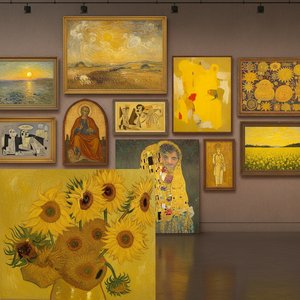
Top 10 slavných obrazů v zářivých odstínech chromové žluté | ArtsDot.cz
Objevte top 10 slavných obrazů ovládaných chromovou žlutou! Prozkoumejte příběhy Van Gogha, Moneta a dalších mistrů impresionismu. Najděte inspiraci pro váš interiér s uměleckými reprodukcemi na ArtsDot.com.
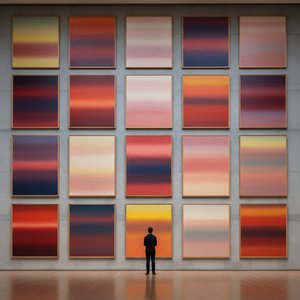
Mark Rothko: Top 25 děl mistra barev a emocí | ArtsDot.cz
Prozkoumejte 25 ikonických děl Marka Rothka, mistra abstraktního expresionismu. Objevte příběhy za jeho barevnými plátny a emoce v umění. Reprodukce obrazů nejvyšší kvality na ArtsDot.com.

The Golden Hue: Exploring Symbolism & Emotion in Yellow Art
Explore the rich symbolism & emotional power of yellow in art history! From Van Gogh to Kandinsky, discover how artists used this vibrant hue. Expert analysis & high-quality reproductions at ArtsDot.
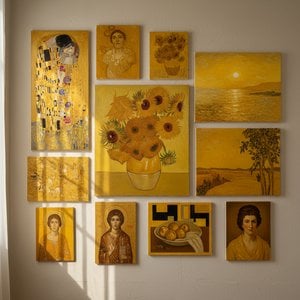
Top 10 slavných obrazů v odstínech žluté охry – inspirace pro váš interiér
Objevte top 10 slavných obrazů v odstínech žluté охry od Van Gogha, Rembrandta a Moneta. Inspirujte se uměleckými reprodukcemi pro váš interiér! Historie, techniky a emoce nejikoničtějších děl na ArtsDot.com.

