


 Náhled
 Sdílet
 Sdílet
 Podrobnosti o díle

 Stáhnout
 Podobné položky
 Rentgenové snímky
 Slideshow
Fleet Manoeuvres
 Oil On Canvas
- WallArt
- Baroque Maritime Art
 1698
1698 70.0 x 87.0 cm
 Státní Ermitáž
 Zobrazit více
Giclée / Umělecký tisk
Giclée nebo plátěný tisk muzeální kvality s rychlou výrobou a flexibilními možnostmi povrchové úpravy. ( Přepnout na ručně malovanou reprodukci Přepnout na obrázek)




P118B $10

P118H $10

P118W $10

P438Z $10

P508JH $12

P508YH $12

P805H $10

P805Z $10

P919BZ $10

P919G $10

P919XJ $10

P959ZH $10

P968JZ $12

W106C $8

W218G $10

W218JH $8

W218Y $10

W307PJ $10

W316G $10

W316PJ $8

W316Y $10

W398PJ $8

W4111J $10

W500HY $15

W500JH $15

W692G $12

W849H $8

W940BG $15

W953PJ $8




Vyberte si z našich přednastavených velikostí, které odpovídají původním proporcím díla.

Můžete zadat vlastní rozměry tak, aby výtvor odpovídal konkrétnímu rámu nebo prostoru. Pokud zvolená velikost nebude odpovídat poměru stran původního obrazu, dílo buď ořížeme, nebo obraz rozšíříme pomocí zrcadlového efektu či jednobarevného okraje. Před zahájením výroby vám bude zaslán digitální náhled k schválení.
Mějte prosím na paměti, že náhled na obrazovce neodráží skutečné oříznutí nebo rozšíření. Pouze digitální náhled přesně zobrazí finální kompozici.
Ačkoliv jsou k dispozici i vlastní rozměry, pro zachování původních proporcí doporučujeme vybrat si rozměr z předdefinovaného seznamu.
Celosvětové doručení () do 2 týdnů namísto standardních 4/5 týdnů. (9 srpen)

Zdarma celosvětová expresní doprava

Vysoce kvalitní lněné plátno

Kompletní přepravní pojištění

Záruka vrácení celního poplatku

Záruka přesného barevného shodu

60denní lhůta pro vrácení zboží (pouze při vadách výroby)

100% garance vrácení peněz

Sleva při hromadné objednávce
 Skleněná varianta je dostupná pouze u rozměrů menších než 110 cm

Fleet Manoeuvres
Giclée / Umělecký tisk
Rozměry reprodukce
-


Celková cena za výběr
$ 62
Popis sběratelského kousku
A Symphony of Sails: Exploring Adam Silo’s Fleet Manoeuvres
Fleet Manoeuvres by Adam Silo isn't merely a depiction of maritime activity; it’s an immersive experience into the intellectual and artistic fervor of Amsterdam during Peter the Great’s visit. Painted in 1698, this monumental oil on canvas – measuring 70 x 87 cm – resides within the hallowed halls of The Hermitage Museum in St. Petersburg, Russia, offering visitors a rare glimpse into a pivotal moment in European history and artistic innovation. Silo's masterful handling of light and color elevates the scene beyond simple observation, transforming it into a palpable representation of ambition, diplomacy, and the burgeoning spirit of scientific inquiry.The Canvas Speaks Volumes: Technique and Style
Silo’s approach to painting exemplifies Baroque artistry – characterized by dramatic chiaroscuro (the interplay between light and dark) and an opulent use of pigment. The artist meticulously renders the textures of the ships' hulls, rigging, and sails with painstaking detail, utilizing layering techniques that create a rich tapestry of visual information. Notice how Silo captures the shimmering reflections on the water’s surface, mirroring the brilliance of the Dutch Golden Age. This meticulous attention to realism is balanced by an expressive brushstroke—a subtle dynamism that conveys the movement of the vessels and imbues the entire composition with energy. The artist skillfully employs atmospheric perspective, subtly blurring distant elements to create a convincing illusion of depth, transporting the viewer directly into the harbor scene.A Window Into History: Contextual Significance
The painting commemorates Peter I’s visit to Amsterdam in 1698, marking a crucial juncture in Anglo-Russian relations and symbolizing the exchange of ideas between Eastern Europe and Western Europe. Silo's depiction captures not just the ships themselves but also the broader context of diplomatic negotiations and cultural fascination. Peter the Great, eager to modernize Russia, was particularly impressed by Dutch shipbuilding prowess and scientific advancements – aspects powerfully conveyed through this artwork. Furthermore, Silo’s correspondence with Peter I reveals a shared passion for art and learning, highlighting the influence of aristocratic patronage on artistic production during the period.Symbolism Beneath the Surface: Flags and Movement
Beyond its factual representation of naval maneuvers, Fleet Manoeuvres is laden with symbolic significance. The prominent flags adorning the ships represent national identity and diplomatic allegiance—a visual reminder of the complex political landscape of the era. More subtly, Silo’s depiction of movement – captured in the undulating waves and billowing sails – embodies ambition and progress. These elements resonate with Baroque ideals of grandeur and dynamism, reflecting the belief that art should inspire awe and convey moral lessons. The artist's deliberate framing emphasizes the importance of order amidst chaos, mirroring the aspirations of rulers to establish stability and prosperity within their realms.Emotional Resonance: Capturing a Moment in Time
Ultimately, Fleet Manoeuvres transcends mere visual description; it evokes an emotional response. Silo’s masterful use of color—particularly the warm hues of sunset—creates a mood of optimism and grandeur. The painting invites contemplation on themes of power, diplomacy, and cultural exchange – prompting viewers to consider the legacy of this transformative period in European history. It stands as a testament to Adam Silo's artistic genius and his ability to transform historical events into enduring works of art that continue to captivate audiences centuries later. Viewing this masterpiece at The Hermitage offers an unparalleled opportunity to connect with the spirit of the Baroque era and appreciate the profound beauty embedded within a single canvas.Podobná umělecká díla


Biografie umělce
A Life on the Water: The Maritime World of Adam Silo
Adam Silo, born in Amsterdam on Christmas Day, 1674, was a painter whose life mirrored the vibrant maritime energy of the Dutch Golden Age. Though initially immersed in the practical trades of shipbuilding and seafaring—he worked as a master shipbuilder and sea captain until around the age of thirty—Silo’s destiny lay not merely *on* the water, but in capturing its essence on canvas. His journey from craftsman to artist is a testament to the allure of creative expression, and his detailed depictions of naval life, whaling expeditions, and fleet maneuvers offer a unique window into 18th-century Dutch society and its relationship with the sea. He was baptized December 30th, 1674 in Amsterdam, beginning a life deeply intertwined with the city’s bustling port environment.From Shipwright to Painter: Early Influences and Training
The transition from shipbuilder to painter wasn't abrupt. Silo’s early career provided him with an intimate understanding of vessels—their construction, their mechanics, and their behavior in the often-treacherous waters surrounding the Netherlands. Around 1694, he began formal artistic training under Theodor van Pee, a marine painter who instilled in him a keen eye for detail and a mastery of light and shadow. This apprenticeship proved pivotal, shaping Silo’s distinctive style and laying the foundation for his future success. Amsterdam at this time was still recovering from the economic strains of previous Anglo-Dutch Wars, yet remained a center for maritime trade and artistic patronage. It's likely that this environment fueled Silo’s desire to document the ships and scenes he knew so well.A Courtly Commission: Lessons for Peter the Great
Silo’s reputation quickly grew, culminating in a remarkable commission in 1697: providing drawing lessons to Tsar Peter the Great during his visit to Amsterdam. This encounter was more than just a professional engagement; it was a cultural exchange that cemented Silo's position within the artistic community and brought his work to the attention of one of Europe’s most powerful rulers. Peter the Great, fascinated by Western naval technology, actively studied with Silo, even taking notes during their sessions—notes which survive today. The Tsar acquired several of Silo’s paintings, reportedly using them as instructional tools for cadets at the Russian Naval Academy. This patronage speaks volumes about the quality and realism of Silo's work, its ability to convey technical detail alongside artistic merit.Themes and Techniques: Capturing the Dutch Maritime Spirit
Silo’s paintings are characterized by their meticulous attention to detail, dramatic lighting, and a palpable sense of atmosphere. He specialized in maritime scenes—naval ships engaged in maneuvers, whaling expeditions braving icy conditions, and merchant vessels navigating bustling harbors. His works often depict the dynamic energy of Dutch seafaring during the 18th century, emphasizing realistic portrayals of ships, ice floes, and weather conditions. Dutch Whalers in the Ice, for example, vividly captures the perilous beauty of a whaling voyage, while Fleet Manoeuvres showcases the organized precision of naval displays performed for Peter the Great in the Zuiderzee. Beyond oil paintings, Silo was also proficient as an etcher and mezzotint engraver, creating accessible reproductions of his work that further disseminated his artistic vision. He even ventured into instrument making—producing telescopes, binoculars, and wax models—demonstrating a remarkable versatility and dedication to craftsmanship. He authored Afteekeningen van verscheidene soorten en charters van schepen en andere vaartuigen (“Drawings of various types of ships and other vessels” in 1757), further solidifying his role as an authority on maritime subjects.Legacy and Historical Significance
Adam Silo died in Amsterdam in 1760, leaving behind a body of work that continues to captivate audiences today. His paintings are held in prestigious collections around the world—the Amsterdams Historisch Museum, the Maritiem Museum Rotterdam, the Hermitage in Saint Petersburg, the National Maritime Museum in London, and the Kunsthistorisches Museum in Vienna, among others. Silo’s significance lies not only in his artistic skill but also in his ability to document a pivotal period in Dutch history—a time of economic recovery, naval innovation, and global exploration. He provides invaluable insights into the lives of sailors, shipbuilders, and merchants who shaped the Dutch maritime world, offering a glimpse into their challenges, triumphs, and enduring connection to the sea. His work stands as a testament to the power of art to capture not just *what* was seen, but *how* it felt to live during a transformative era.
adam silo
1674 - 1760 , Netherlands
Rychlé fakta
- Artistic Movement Or Style: Dutch Golden Age
- Artists Or Movements Influenced By This Artist: ['Peter the Great']
- Artists Who Influenced This Artist: ['Theodor van Pee']
- Date Of Birth: December 25, 1674
- Date Of Death: 1760
- Full Name: Adam Silo
- Nationality: Dutch
- Notable Artworks:
- Dutch Whalers in the Ice
- A Dutch Whaler and Other Vessels in the Ice
- Place Of Birth: Amsterdam, Netherlands
Související články

Golden Age Reflections: Dutch Baroque Painting & Cultural Innovation
Explore the Dutch Golden Age of painting! Discover key artists like Vermeer & ter Borch, their innovative techniques, and the rich cultural context behind these Baroque masterpieces. Learn about collecting & appreciating this iconic art period.

Zlatý věk nizozemského malířství: 10 mistrovských děl pro váš domov | ArtsDot.com
Prozkoumejte 10 ikonických děl nizozemského zlatého věku – Rembrandt, Vermeer a další mistři. Objevte příběhy za obrazy, techniky a inspiraci pro váš interiér s reprodukcemi nejvyšší kvality na ArtsDot.com.

Illuminating Innovation: Exploring the Dutch Golden Age of Painting
Explore the Dutch Golden Age of painting with ArtsDot. Discover Rembrandt, Vermeer & other Masters. Learn about key characteristics, iconic artworks, and lasting influence. Expert insights for collectors & enthusiasts.

Top 10 mistrovských děl holandského baroka – obrazy a umělci | ArtsDot.cz
Objevte 10 ikonických děl holandského baroka! Prozkoumejte příběhy Rembrandta, Vermeera a dalších mistrů. Repliky obrazů nejvyšší kvality pro váš interiér na ArtsDot.cz – inspirace a umělecké reprodukce online.
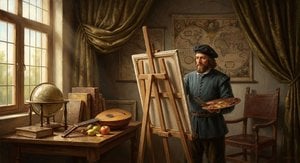
Illuminating Realism: Exploring the Dutch Golden Age of Painting (1600-1700)
Explore the Dutch Golden Age of painting (1600-1700) with ArtsDot. Discover Rembrandt, Vermeer & other masters. Learn about techniques, history & find museum-quality reproductions.

