


 Sdílet
 Sdílet
 Podrobnosti o díle

 Stáhnout
 Podobné položky
 Slideshow
 Statistiky
shawl


 Zobrazit více
Ručně malovaná olejová reprodukce
Ručně malovaná olejná barva na plátně ve vašem zvoleném rozměru i s rámem, vyrobená našimi umělci na zakázku. ( Přepnout na tisk Přepnout na digitální obraz)




































Vyberte si z našich přednastavených velikostí, které odpovídají původním proporcím díla.

Můžete zadat vlastní rozměry pro konkrétní rám nebo prostor. Pokud se vámi vybraná velikost neshoduje s proporcemi původního obrazu, dílo buď ořízneme, nebo jej doplníme ručně malovanými prvky. Před zahájením výroby vám bude zaslán digitální náhled ke schválení.
Upozorňujeme, že náhled na obrazovce neodpovídá skutečnému ořezu ani rozšíření. Pouze digitální náhled přesně zobrazí finální kompozici.
Ačkoliv je možné zvolit vlastní velikost, pro zachování původních proporcí doporučujeme vybrat rozměr z předdefinovaného seznamu.
Po přijetí objednávky vám tým ArtsDot.com zašle e-mail s pokyny a poskytne náhledovou verzi.
Celosvětová doprava () za 3–4 týdny namísto standardních 5 týdnů. (10 září). Bez kompromisů v kvalitě.

Zdarma celosvětová expresní doprava

Vysoce kvalitní lněné plátno

Kompletní přepravní pojištění

Záruka vrácení celního poplatku

Záruka přesného barevného shodu

100dená lhůta pro vrácení zboží (pouze při vadách)

100% garance vrácení peněz

Sleva při hromadné objednávce
 Skleněná varianta je dostupná pouze u rozměrů menších než 110 cm

shawl
Technika reprodukce
Rozměry reprodukce
-


Celková cena za výběr
$ 263
Podobná umělecká díla


Biografie umělce
Acoma Pueblo: Echoes of the Sky City
Acoma Pueblo, often referred to simply as Acoma or by its Keresan name Áakʼu̓u̓m̓é, is more than just a location on a map; it’s an enduring testament to resilience, artistic tradition, and the profound connection between a people and their ancestral land. Nestled high atop a dramatic mesa 60 miles west of Albuquerque, New Mexico, this ancient community—one of the oldest continuously inhabited settlements in the United States—holds within its walls a history spanning over two millennia. The Pueblo’s story is inextricably linked to the Keresan culture, specifically the Acoma people, and their distinctive artistic legacy, particularly their renowned black-on-white pottery. Today, Acoma remains a federally recognized tribal entity, comprised of four distinct communities – Sky City (Old Acoma), Acomita, Anzac, and McCartys – each contributing to the vibrant tapestry of this remarkable place. The isolation afforded by its mesa location has been both a shield against external threats and a catalyst for preserving unique cultural practices, resulting in an artistic tradition unlike any other.The Legacy of Lucy Martin Lewis: A Pioneer’s Vision
Within the rich artistic heritage of Acoma Pueblo, the name Lucy Martin Lewis stands as particularly prominent. Born in 1890, Lewis was not merely a potter; she was a visionary who skillfully bridged the gap between traditional Keresan techniques and the demands of the 20th century. Her life coincided with a period of significant change for Acoma Pueblo, marked by increasing contact with the outside world and a growing desire to share their art with a wider audience. Lewis’s work is instantly recognizable – bold black designs meticulously painted on pristine white ceramic surfaces. These striking contrasts weren't simply aesthetic choices; they reflected a deep understanding of Keresan symbolism and a deliberate rejection of European artistic conventions. Lewis’s training began in her youth, learning the ancient techniques passed down through generations of Acoma potters. However, she also studied at the Santa Fe School of Design, absorbing influences from modern art movements while remaining firmly rooted in her cultural heritage. Her collaboration with Robert Gould Shaw, a prominent American sculptor, further cemented her place in artistic history. Their joint project – a striking marble bust depicting Shaw – showcased Lewis’s exceptional talent and demonstrated her ability to translate complex ideas into powerful visual forms. This piece, now housed at the Museum of International Sculpture in Santa Fe, remains a testament to their shared vision and a poignant symbol of cross-cultural exchange. Lewis's dedication to preserving and promoting Acoma pottery ensured its survival and continued relevance for decades to come.The Art of Black-on-White Pottery: Symbolism and Tradition
The distinctive black-on-white pottery produced by the Acoma Pueblo is far more than just a decorative art form; it’s a profound expression of Keresan cosmology, spirituality, and social structure. The tradition dates back centuries, with archaeological evidence suggesting its origins as early as the 13th century. The stark contrast between the black designs and the white clay creates an immediate visual impact, drawing the viewer's eye to intricate patterns that often depict animals, plants, human figures, and geometric motifs. Each element within these designs carries specific meaning, reflecting a complex system of symbolism rooted in ancestral beliefs. Animals, for example, represent different clans or lineages, while plants symbolize fertility and abundance. The act of creating the pottery itself is imbued with ritual significance, performed by women who are considered keepers of this sacred tradition. The process – from preparing the clay to firing the finished product – is a carefully choreographed sequence of steps that connects the potter to her ancestors and ensures the continuity of cultural knowledge. Furthermore, the unique construction techniques employed—particularly the use of a distinctive “pinch pot” method—contribute to the pottery’s structural integrity and its ability to withstand the rigors of daily life.Acoma Pueblo: A Living History
The physical landscape of Acoma Pueblo is as integral to its story as its artistic traditions. Situated atop a mesa rising nearly 365 feet above sea level, the community has enjoyed relative isolation for centuries, providing a degree of protection from external threats and fostering a strong sense of cultural identity. The four communities – Sky City (Old Acoma), Acomita, Anzac, and McCartys – each maintain distinct traditions while sharing a common heritage. Sky City, the oldest section of the Pueblo, is particularly noteworthy for its remarkably well-preserved adobe architecture, which reflects centuries of adaptation to the mesa environment. The history of Acoma Pueblo is punctuated by periods of both prosperity and hardship. The tribe has faced challenges related to resource scarcity, economic development, and maintaining cultural continuity in the face of increasing outside influence. However, through resilience, determination, and a steadfast commitment to preserving their traditions, the Acoma people have not only survived but thrived. Today, Acoma Pueblo continues to be a vibrant center of Keresan culture, welcoming visitors while safeguarding its unique heritage for future generations. The ongoing efforts to balance cultural preservation with economic development represent a crucial aspect of Acoma’s story—a testament to the enduring spirit of this remarkable community nestled high above the New Mexico landscape.
acoma pueblo
United States of America
Rychlé fakta
- Artistic Movement Or Style: Pueblo pottery
- Artists Or Movements Influenced By This Artist: ['Keresan culture']
- Artists Who Influenced This Artist: ['Lucy Martin Lewis']
- Date Of Birth: Living
- Full Name: Acoma Pueblo
- Nationality: Native American
- Notable Artworks:
- Acoma Pueblo Shawl
- Lucy Martin Lewis - Robert Gould Shaw
- Place Of Birth: WahooArt.com, Acoma Pueblo, USA
Související články

Woven Wonders: A Beginner's Guide to Elevating Your New Home with Timeless Textile Art
Discover how to transform your new home with the warmth of textile art. Our expert guide for newlyweds explores handwoven tapestries, tactile fibers, and timeless ways to curate a soulful, sophisticated interior through beautiful woven wonders.
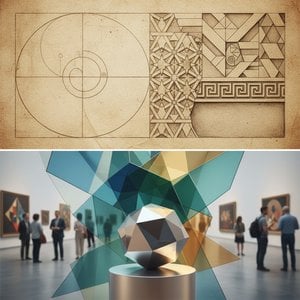
Geometric Design in Art: A Historical Survey & Contemporary Appeal for Collectors
Explore the enduring legacy of geometric abstraction! Discover key artists, historical movements & investment insights for discerning art collectors. Expert guidance from ArtsDot.

Beyond Form & Color: Geometric Abstraction's Evolution in 20th/21st Century Art
Explore the evolution of geometric abstraction from Cubism to contemporary art. Discover key artists like Malevich & Mondrian, investment insights, and expert collecting advice at ArtsDot.

The Enduring Appeal of Geometric Patterns in Art: A Historical & Contemporary Exploration
Explore the captivating history of geometric abstraction in art, from ancient roots to contemporary masters. Expert insights for collectors & enthusiasts. Discover key artists, movements & investment potential.

Geometrická abstrakce: 10 mistrovských děl, které změnily umění | ArtsDot.cz
Prozkoumejte 10 ikonických děl geometrické abstrakce od Mondriana, Maleviče a Kandinského. Objevte příběhy umělců, techniky a historii tohoto revolučního hnutí. Najděte inspiraci pro moderní dekorace a luxusní reprodukce obrazů na ArtsDot.com.