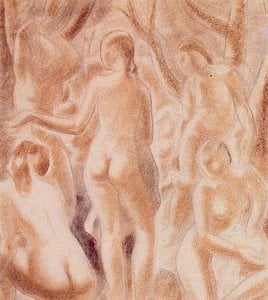
1of 47
Пабло Пикасо 1881–1973
Испанска From Малага Кубизъм, Сюрреализъм On Wikipedia in 32 of 32 languages

The Cubist names to know
If you remember one Cubist художник, make it Пабло Пикасо (1881–1973), the name behind Старият китарист и Weeping Woman. After that come Жорж Брак, Фернан Леже, Хуан Грис и Робер Делоне. Our 47 picks go from Carl Newman (born 1858) to Диа ал-Аззави (born 1939), from 27 countries.
How we picked them. We list the artists our catalogue links to Cubist, from the most famous down. Artists born after 1955 that we cannot yet check on Wikidata are left out. The Wikipedia number shows in how many of our 32 languages Wikipedia writes about them.
Quick facts
Meet them one by one
1of 47
Испанска From Малага Кубизъм, Сюрреализъм On Wikipedia in 32 of 32 languages
2of 47
Френска From Аржантьой ['Фавизъм', 'Кубизъм', 'Аналитичен кубизъм', 'Синтетичен кубизъм'] On Wikipedia in 31 of 32 languages
3of 47
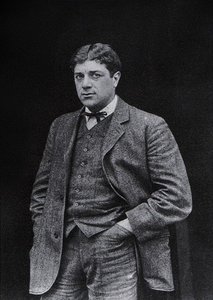
Френска From Аржантан ['Кубизъм', 'Тубизъм', "Секция д'Ор", 'Пуризъм', 'Дадаизъм', 'Конструктивизъм'] On Wikipedia in 27 of 32 languages

4of 47
Испанска From Мадрид Кубизъм, Синтетичен кубизъм, Аналитичен кубизъм On Wikipedia in 31 of 32 languages

Between 1904 and 1905, he began to formalize his artistic training by studying painting under the academic artist José Moreno Carbonero. By 1905, a shift in identity occurred when he adopted the name Juan Gris.
See them at Tracing the physical presence of his work requires a trip through several major collections.
5of 47
Френски From Париж Орфизъм и Кубизъм On Wikipedia in 27 of 32 languages

6of 47
Украинец/Русь From Москва Конструктивизъм On Wikipedia in 26 of 32 languages

7of 47
Германец/Американски From Ню Йорк Изразяване On Wikipedia in 23 of 32 languages

8of 47
Италиански From Кортона Футуризъм и Кубизъм On Wikipedia in 19 of 32 languages

9of 47
Украинско-американец From Киев Кубизъм, Авангардизъм On Wikipedia in 30 of 32 languages

Alexander Porfyrovych Archipenko, born in Kyiv, Ukraine, on May 30, 1887, stands as a monumental figure in the evolution of modern sculpture. Early Years and Artistic Foundations: Archipenko's formative years in Kyiv instilled within him a deep appreciation for both Western artistic traditions and the rich visual heritage of his native Ukraine.
10of 47
Литовско-френско-американска From Друскинкинай Кубизъм, Кристален кубизъм On Wikipedia in 17 of 32 languages

11of 47
Британски From Бъкингамшър ['Абстрактен изкуство'] On Wikipedia in 13 of 32 languages

12of 47
Френска From Париж Кубизъм и Секцията Д’Ор On Wikipedia in 23 of 32 languages

Her mother, Pauline-Mélanie Laurencin, was an unmarried domestic servant who nevertheless ensured Marie received a privileged education focused on artistic pursuits. This environment fostered connections with fellow artists who championed radical ideas about art and society.
14of 47
Френски From Нант Кубизъм, Кристален кубизъм On Wikipedia in 22 of 32 languages

16of 47
American Figurative art, Cubism

Carl Newman (1858-1932) remains a compelling, if often overlooked, figure in the landscape of late 19th and early 20th century American art. Born in Germany – though details surrounding his earliest life are somewhat elusive – Newman’s artistic journey took root in Philadelphia, where he became a student at the prestigious Pennsylvania Academy of the Fine Arts in both 1876 and 1879.
17of 47
Френски From Льо Ман Символизъм и Кубизъм On Wikipedia in 15 of 32 languages

18of 47
Португалия From Манчелице Модернизъм; Кубизъм; Футуризм On Wikipedia in 16 of 32 languages

19of 47
Мексикански From Оахака де Хуарес Фигуративна абстракция On Wikipedia in 16 of 32 languages

20of 47
Romanian From Iași ['Expressionism', 'Dadaism']

Arthur Segal (1875 – 1944) stands as a compelling figure in the turbulent landscape of early 20th-century European art, a Romanian artist whose career unfolded across multiple continents and artistic movements.
21of 47
Американски From Бялисток Кубизъм, Експресионизъм On Wikipedia in 15 of 32 languages

Max Weber, born in Białystok, Poland in 1881, embarked on a journey that would indelibly mark the landscape of American art. The family’s emigration to Brooklyn, New York, when Weber was just ten years old, proved pivotal.
26of 47
Spanish From Barcelona Cubism On Wikipedia in 15 of 32 languages

Born in Barcelona on September 21st, 1876, González was destined for a life intertwined with metal. He descended from a lineage steeped in the meticulous traditions of craftsmanship; his grandfather was a goldsmith in Galicia, and his father, Concordio González, operated a workshop specializing in the fabrication of gold, silver, and iron.
27of 47
Polish-French From Warsaw Cubism, School of Paris, Impressionism On Wikipedia in 11 of 32 languages

Louis Marcoussis, born Ludwik Kazimierz Wladyslaw Markus or Ludwig Casimir Ladislas Markus in Łódź, Poland around 1878 or 1883, stands as a singular figure within the vibrant School of Paris movement. His artistic journey spanned from Kraków Academy of Fine Arts to establishing himself as a respected artist in France, where he embraced Cubism alongside fellow luminaries like Joan Miró and Pablo Picasso.
29of 47
French Cubism

Armand Schonberger (1885–1974) stands as a captivating figure in the tapestry of early 20th-century modernism, a painter whose brush bridged the delicate light of Impressionism with the fractured, rhythmic energy of Cubism. Born in Galgóc and later finding his artistic soul within the vibrant bohemian circles of Munich and Budapest, Schonberger’s life was a continuous dialogue between tradition and the avant-garde.
30of 47
Mexican Cubism

In the grand tapestry of Mexican modernism, few artists managed to weave together the structural rigor of European avant-garde with the soulful warmth of regional tradition as masterfully as Gabriel Portly Del Toro. Born in 1927 in the culturally rich landscape of Colima, Mexico, his life and work served as a bridge between the monumental social realism of the muralist movement and the fragmented, rhythmic beauty of Cubism.
31of 47
Британски From Лондон Футуризъм и Кубизъм On Wikipedia in 9 of 32 languages

32of 47
Американски From Ню Йорк Модернизъм, Фавизъм, Кубизъм On Wikipedia in 9 of 32 languages

Alfred Henry Maurer, роден на 21 април 1868 г. в Ню Йорк, беше американски художник, чието творчество се откроява като важна част от ранния американски модернизъм. Животът му бе белязан от противоречия – от несъгласие с баща си относно съвременните изкуства до трагичен край, който остави след себе си неизказано наследство. Maurer се бори с финансови затруднения и липсата на подкрепа през по-голямата част от кариерата си.
34of 47
Аржентински From Ла Плата ['Кубизъм', 'Футуризъм'] On Wikipedia in 8 of 32 languages

36of 47
Russian From Minsk Cubism & Futurism On Wikipedia in 3 of 32 languages

37of 47
Унгарец From Залаегерсег Кубизъм и сюрреализъм On Wikipedia in 7 of 32 languages

38of 47
Hungarian From Budapest École de Paris, Cubism On Wikipedia in 5 of 32 languages

Born in Budapest in 1887 into a family deeply rooted in publishing—his father, József Wolfner, was the founder of Singer and Wolfner – Farkas’s early life was marked by both privilege and profound loss. Farkas’s artistic education began under the guidance of László Mednyánszky in Budapest, an early exposure to the burgeoning Hungarian art scene.
39of 47
British From London English Cubism On Wikipedia in 6 of 32 languages

In the turbulent landscape of early twentieth-century British art, few figures navigated the tension between tradition and the avant-garde as uniquely as William Patrick Roberts.
40of 47
Норвежки From Копенхаген ['Символизъм', 'Експресионизъм'] On Wikipedia in 4 of 32 languages

41of 47
Шотландец From Хаддингтън Кубизъм, Шотландски колоризм On Wikipedia in 6 of 32 languages

Sir William George Gillies, a name synonymous with the evocative beauty of Scottish landscapes and poignant still lifes, was born in Haddington, East Lothian, in 1898.
42of 47
American From Eau Claire Cubism, Modernism On Wikipedia in 3 of 32 languages

Karl Knaths, born in Eau Claire, Wisconsin, in 1891, emerged as a pivotal figure in the development of American Modernism. Gale facilitated an introduction to Dudley Crafts Watson at the Milwaukee Art Institute, providing Knaths with formal training and setting him on a course toward professional artistry. The watershed moment in his development arrived with the 1913 Armory Show in Chicago.
43of 47
Грък From Атина Кубизъм On Wikipedia in 6 of 32 languages

44of 47
Italian From Faenza Roman School; Archaic Style On Wikipedia in 5 of 32 languages

Franco Gentilini (1909-1981) stands as a significant figure in Italian modernist art, particularly within the Roman School movement—a collective dedicated to reviving classical artistic principles while embracing contemporary sensibilities. Early Life & Education: Gentilini’s formative years were spent honing his craft as a ceramicist in Faenza, Italy—a region renowned for its rich tradition of artisanal pottery.
45of 47
Шотландска From Килмарнок Експресионизъм On Wikipedia in 3 of 32 languages

46of 47
British Socialist Realism; New Realism On Wikipedia in 1 of 32 languages

His early years were defined by a dual education: the formal training at the Wimbledon School of Art and the Royal College of Art, which sharpened his technical draughtsmanship, and the raw, lived experience of London’s streets, which forged his political soul. A pivotal moment occurred in 1930 when he traveled to the Soviet Union.
47of 47
Spanish From Milan Catalan Modernisme On Wikipedia in 1 of 32 languages

Emilio Tadini was far more than a painter; he was a profound architect of meaning within the Italian cultural landscape. Born in Milan in 1927, his journey began not with a brush, but with the written word. A poet, novelist, and essayist, Tadini first emerged onto the prestigious literary stage in 1947 through Elio Vittorini's magazine, Politecnico.
Pictures worth knowing
When it happened
Fun figures
| Франция | 8 |
|---|---|
| Испания | 4 |
| Русия | 3 |
| Обединено кралство | 3 |
| САЩ | 2 |
| Украйна | 2 |
| United Kingdom | 2 |
| Italy | 2 |
| 1850s | 1 |
|---|---|
| 1860s | 1 |
| 1870s | 7 |
| 1880s | 21 |
| 1890s | 9 |
| 1900s | 4 |
| 1910s | 1 |
| 1920s | 2 |
| 1930s | 1 |
| The Phillips Collection | 5 |
|---|---|
| Art Institute of Chicago | 4 |
| Крьолер-Мюлер Музей | 2 |
| New Walk Museum - Art Gallery | 2 |
| Tate Modern | 1 |
| Tate Gallery | 1 |
| Музей Соломон Р. Гугенхайм | 1 |
| Staatliche Kunsthalle Karlsruhe | 1 |
Just the names
Пабло ПикасоИспанска · 1881–1973Жорж БракФренска · 1882–1963Фернан ЛежеФренска · 1881–1955Хуан ГрисИспанска · 1887–1927Робер ДелонеФренски · 1885–1941Владимир ТатлинУкраинец/Русь · 1885–1953Луйонел ФеингераГерманец/Американски · 1871–1956Гино СевериниИталиански · 1883–1966Александър АрхипенкоУкраинско-американец · 1887–1964Жак ЛипшицЛитовско-френско-американска · 1891–1973Бен НишиълънБритански · 1894–1982Мари ЛорансенФренска · 1883–1956 Олга Розанова1886–1918Jean Dominique Antony MetzingerФренски · 1883–1956
 Любов Попова1889–1924Carl NewmanAmerican · 1858–1932Рогер де Ла ФрезнайеФренски · 1885–1925Амадео де Соуса КордосоПортугалия · 1887–1918Руфино ТамайоМексикански · 1899–1990Arthur SegalRomanian · 1875–1944Макс ЛиберманАмерикански · 1881–1961
 Хоакин Торес Гарсия1874–1949
 Натан АлтманРуски · 1889–1970
 Андре Лотфренски · 1885–1962
 Мария Бланшар1881–1932Julio GonzálezSpanish · 1876–1942Louis MarcoussisPolish-French · 1878–1941
 Раймонд Дюшан-Вийон1876–1918Armand SchonbergerFrench · 1885–1974Gabriel Portillo Del ToroMexican · 1927–2013Христофор Ричард Уин Йън НевенсънБритански · 1889–1946Алфред Хенри МаурърАмерикански · 1868–1932
 Диа ал-АззавиИракски · роден 1939Емилио ПетрорутиАржентински · 1892–1971
 Аурелио Артета1879–1940Morris KantorRussian · 1896–1974Лайош ВайдаУнгарец · 1908–1941István FarkasHungarian · 1887–1944William RobertsBritish · 1895–1980Вилхелм Хенри ЛундщрьомНорвежки · 1893–1950Уилям Джордж ГилисШотландец · 1899–1970Karl KnathsAmerican · 1891–1971Никос Хаджикириякос-ГикаГрък · 1906–1994Franco GentiliniItalian · 1909–1981Робърт КолкуунШотландска · 1914–1962Cliff RoweBritish · 1904–1988Emilio TadiniSpanish · 1927–2002
Good questions
Пабло Пикасо (#1) is first in this ranking, followed by Жорж Брак (#2) and Фернан Леже (#3).
Пабло Пикасо (#1), Жорж Брак (#2), Фернан Леже (#3), Хуан Грис (#4) и Робер Делоне (#5).
Париж: 2 of the художници in this list were born there.
The highest-ranked living художници in this list are Диа ал-Аззави (#33).
4 women are in this ranking: Мари Лорансен (#12), Олга Розанова (#13), Любов Попова (#15) и Мария Бланшар (#25).
Most художници in this list were born in the 1880s (21 of 47), between 1858 and 1939 overall.
Франция: 8 of the 47 художници in this list were born there, then Испания (4) и Русия (3).
The museums holding the most key works of this list are The Phillips Collection (5), Art Institute of Chicago (4) и Крьолер-Мюлер Музей (2).
The earliest-born художник in this list is Carl Newman (#16), born in 1858.
“Raised primarily by her mother following her father’s early death, Laurencin received a foundational education in technique at Sèvres porcelain manufactory before gravitating towards oil painting and enrolling at the Académie Humbert.” — from our biography of Мари Лорансен (#12).
The highest-ranked художници born in Франция are Жорж Брак (#2), Фернан Леже (#3), Робер Делоне (#5), Мари Лорансен (#12) и Jean Dominique Antony Metzinger (#14).
Our catalogue holds 7,389 works by these художници. Each one can be ordered as a hand-painted oil reproduction or a print.
Read more
Other styles
 Знаменити художници от BaroqueНощна стража · Рембранд ван Рейн
 Знаменити художници от Contemporary RealistКосачките · Жан-Франсоа Миле
 Знаменити художници от ImpressionistЗвездна нощ (Ню Йорк, MoMA) · Винсент Ван Гог
 Знаменити художници от RomanticistСатурн поглъщащ сина си · Франсиско Гоя
 Знаменити художници от NeoclassicistСмъртта на Марат · Жак-Луи Давид
 Знаменити художници от RealistПроизход на света · Гюстав Курбе
 Знаменити художници от RenaissanceМона Лиза (Ла Джоконда) · Леонардо Да Винчи
 Знаменити художници от Dutch Golden AgeМомичето с перлена обица · Йоханес Вермер
 Знаменити художници от ExpressionistКомпозиция VII · Василий Кандински
 Знаменити художници от RococoОтплаване към Китера · Антоан Вато
Other eras
 Знаменити художници от Early MedievalSnowy River · Уан Вей
 Знаменити художници от High MedievalMadonna in Maest (Ognissanti Madonna) · Джото
 Знаменити художници от Late MedievalБлаговещението и двама светили · Симоне Мартини
 Знаменити художници от RenaissanceСътворението на Адам · Микеланджело Буонароти
 Знаменити художници от Early ModernПовикаването на Свети Матей · Микеланджело да Караваджо
 Знаменити художници от 19th CenturyВодни лилии (или Нимфеи) · Клод Моне
 Знаменити художници от ModernГерника · Пабло Пикасо
 Знаменити художници от ContemporaryWind Sculpture III (one in a series of nine) · Yinka Shonibare
Keep exploring