

 Преглед в реален мащаб
 Изпрати
 Сподели
 Детайли
 Ръководство

 Изтегляне
 Подобни артикули
 Рентгенова снимка
 Слайдшоу
 Въпроси и отговори
 Статистика
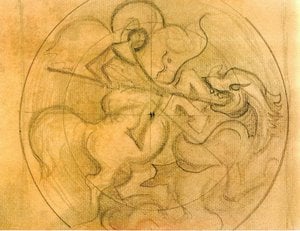
Spugnato

- 274.0 x 229.0 cm

 Прочети повече
Получете файл, готов за печат, който предлага много по-високо качество от уеб прегледа. Всяко дигитално изображение, което предлагаме, е извлечено от висококачествен оригинал в нашата база данни — обикновено с ширина между 5 000 и 15 000 пиксела — така че със сигурност да можете да принтирате в голям формат, да кадрирате тесно или да възпроизведете фините детайли.
Нито един файл не напуска нашето студио без внимание. Дигитален експерт проверява цветовете спрямо оригиналната картина и ги коригира при необходимост, след което подобрява яснотата и детайлите с професионални инструменти за ретуш — винаги оставайки верен на мазките и стила на художника. Резултатът е изображение, което изглежда като самата картина, а не като сканиран образ с филтър.
Одобрявате преди финализиране: нашият експерт ще изпрати изображението по имейл в рамките на 72 часа за ваш преглед. Не сте доволни? Можете да поискате подобрения или корекции, или пълно възстановяване на сумата, ако качеството не отговаря на очакванията ви.
Това е качеството, на което разчитат издателства, дизайн студиа, галерии и печатници.
Дигитално изображение
Изтеглете файл с висока резолюция за лично съхранение, принтиране и творчески проекти. ( Превключване към принт Купете ръчно рисувана картина)
Включено във всяка поръчка за дигитални изображения
Гарантирана експертна дигитална доставка
Избирайки ArtsDot.com, вие не получавате просто изображение – вие придобивате професионално обработена дигитална творба, създадена с прецизност и подкрепена от гаранция за удовлетворение. Ето какво автоматично е включено във вашата поръчка:

Бърза доставка по имейл
Вашето дигитално изображение с висока резолюция ще бъде изпратено по имейл в рамките на 72 часа от поръчката – готово за незабавно използване.

Дигитален файл с подобрено качество чрез ИИ
Вашата картина е професионално оптимизирана чрез усъвършенствани инструменти с изкуствен интелект и ръчна редакция, което гарантира максимална детайлност, яснота и точност на цветовете.

Безплатна доживотна повторна доставка
Изгубили сте или сте изтрили файла си по погрешка? Не се притеснявайте – ще го изпратим отново на Вас по всяко време, безплатно.

Без митнически такси – завинаги
Насладете се на вашето произведение незабавно, без мита, такси или разходи за доставка – дигиталните изтегляния винаги са освободени от данъци.

Гаранция за цветово съответствие
Гарантираме, че вашето дигитално изображение отразява оригиналните цветове възможно най-точно чрез използването на професионални инструменти и системи за управление на цветовете.

100-дневна гаранция за удовлетвореност
Ако не сте доволни от вашето дигитално изображение, ще го преработим или ще възстановим 100% от сумата в рамките на 100 дни – без излишни въпроси.

100% Гаранция за връщане на сумата
Не сте доволни? Получете пълен възврат на сумата в рамките на 100 дни от получаването на вашия цифров файл – без излишни въпроси.

Отстъпки за големи поръчки
Купете 3 изображения, спестете 10% - Купете 5, спестете 15% - Купете 10+, спестете 20%. Идеално за творчески проекти, галерии и агенства.
Въпроси и отговори
Мога ли да гледам "Spugnato" като слайдшоу на цял екран?
Налична е галерия със снимки: страницата Слайдшоу на „Spugnato“ на Sottsass.
С каква интензивност на цветовете се отличава „Spugnato“ на Sottsass?
„Spugnato“ на Sottsass демонстрира Vivid интензивност на цветовете.
Каква е възприеманата светлост на „Spugnato“ на Sottsass?
Възприеманата яркост на „Spugnato“ на Sottsass е deep_shadow. Тя може да бъде съобразена със светлината в предназначеното за нея пространство.
Подобни произведения


Биография на художника
A Life in Color: The Radical Vision of Ettore Sottsass
Ettore Sottsass, born in Innsbruck, Austria, in 1917, was more than just a designer; he was a cultural provocateur who shattered the conventions of mid-century modernism. His journey began steeped in architectural tradition—his father, also named Ettore Sottsass, was a prominent figure within Italy’s rationalist architecture movement. Growing up in Turin during the rise of Fascism, young Sottsass absorbed the principles of functional design but would ultimately rebel against its austere rigidity. His early education at Politecnico di Torino provided a solid foundation, yet his path took an unexpected turn with military service during World War II, experiences he later recounted in his autobiography *Scritto di notte*. This period, marked by conflict and disillusionment, profoundly shaped his artistic sensibility, instilling a desire to break free from established norms. After the war, he established his own studio in Milan, embarking on an exploration of form, color, and material that would define his career.From Olivetti to Global Tools: A Developing Aesthetic
Sottsass’s initial foray into design was largely within the realm of industrial production. His long association with Olivetti, beginning in 1958, proved pivotal. He wasn't merely designing typewriters and office equipment; he was imbuing them with personality, transforming utilitarian objects into expressions of pop culture vibrancy. The Valentine typewriter (1968), a bright red icon, stands as a testament to this approach—a playful challenge to the seriousness often associated with technology. However, Sottsass’s creative spirit extended beyond corporate commissions. He simultaneously pursued independent projects in ceramics, glasswork, and jewelry, experimenting with bold colors, geometric forms, and a growing fascination with ancient cultures. This period saw him involved in several avant-garde groups—Global Tools, Studio Alchimia—each contributing to the development of his unique aesthetic. He sought to infuse everyday life with joy and sensuality, rejecting the cold functionality that had dominated post-war design.The Memphis Group: A Revolution in Design
In 1981, Sottsass founded the Memphis Group, a collective of designers who launched a full-scale assault on the established order. Named after Bob Dylan’s song “Like a Rolling Stone,” Memphis was characterized by its exuberant use of color, pattern, and unconventional materials—laminates, plastics, and terrazzo were embraced with unapologetic boldness. The Carlton Room Divider (1981), perhaps the group's most iconic creation, became a symbol of postmodern defiance. It wasn’t about creating “good taste”; it was about challenging the very notion of taste itself. Memphis designs weren’t intended to blend seamlessly into domestic interiors; they were meant to provoke, disrupt, and stimulate conversation. The movement, though relatively short-lived, had an immeasurable impact on design history, paving the way for a more pluralistic and expressive approach.Beyond Furniture: A Holistic Vision
While often celebrated for his furniture designs, Sottsass’s creative output was remarkably diverse. He worked extensively in architecture, designing retail spaces for Esprit and private residences that reflected his playful sensibility. He also created glass objects, ceramics, jewelry, textiles, and paintings—each medium serving as a platform for exploring his core themes: the relationship between form and function, the power of color, and the influence of ancient cultures. His later work saw a shift towards more refined craftsmanship, utilizing precious materials like wood and metal to create pieces that were both sculptural and functional. He wasn’t simply designing objects; he was creating environments—total works of art that encompassed every aspect of daily life.A Lasting Legacy: The Enduring Influence of Sottsass
Ettore Sottsass died in Milan in 2007, leaving behind a prolific body of work that continues to inspire designers today. His rejection of modernist dogma and his embrace of playful experimentation revolutionized the field, paving the way for a more inclusive and expressive design landscape. His influence can be seen in everything from contemporary furniture to graphic design and fashion. He demonstrated that design could be both intellectually rigorous and emotionally engaging—a powerful force for social change and cultural expression. Sottsass’s legacy is not simply about the objects he created, but about the freedom he championed—the freedom to challenge conventions, embrace individuality, and celebrate the beauty of imperfection. His work remains a potent reminder that design should be more than just functional; it should be a reflection of our deepest desires and aspirations.
Бърза справка
- Full Name: Ettore Sottsass
- Nationality: Italian
- Date Of Birth: September 14, 1917
- Date Of Death: December 31, 2007
- Place Of Birth: Innsbruck, Austria
- Notable Artworks:
- Carlton Room Divider
- Valentine Typewriter
- Elea 9003 Computer
- Artistic Movement Or Style: Postmodernism
- Artists Or Movements Influenced By This Artist: ['Memphis Group']