


 Преглед в реален мащаб
 Сподели
 Сподели
 Подробности
 Ръководство

 Изтегляне
 Подобни артикули
 Рентгенова снимка
 Слайдшоу
 Статистика
Models
 Разгърни целия текст
Закупете дигитално изображение с висока резолюция и подобрени характеристики, значително по-качествено от онлайн прегледа.
Всеки файл е щателно подготвен от нашите специалисти с помощта на съвременни инструменти и експертен ръчен ретуш. Гарантираме, че всяко изображение притежава изключителна яснота, прецизна цветова точност и фини детайли.
Окончателният файл се доставя по имейл в рамките на 72 часа, оптимизиран за незабавна употреба в професионални, редакционни и печатни среди. Това е същото качество, на което се доверяват водещи дизайнерски студия, издатели и галерии.
Дигитално изображение
Изтеглете файл с висока резолюция за лично съхранение, принтиране и творчески проекти. ( Избор на принт Поръчайте ръчно рисувано репродукция на този колекционерски предмет)
Включено във всяка поръчка за дигитални изображения
Експертна дигитална доставка, гарантирана
Избирайки ArtsDot.com, вие не получавате просто изображение – вие придобивате професионално обработена дигитална творба, създадена с прецизност и подкрепена от гаранция за удовлетворение. Ето какво автоматично е включено във вашата поръчка:

Бърза доставка по имейл
Вашето дигитално изображение с висока резолюция ще бъде изпратено по имейл в рамките на 72 часа от поръчката – готово за незабавно използване.

Дигитален файл с подобрено качество чрез ИИ
Вашата картина е професионално оптимизирана с помощта на усъвършенствани инструменти за изкуствен интелект и ръчна редакция, осигурявайки максимална детайлност, яснота и точност на цветовете.

Безплатна доживотна повторна доставка
Изгубили сте или сте изтрили файла си по погрешка? Не се притеснявайте – ще го изпратим отново на Вас по всяко време, безплатно.

Без митнически такси – завинаги
Насладете се на вашето произведение незабавно, без мита, данъци или такси за доставка – дигиталните изтегляния винаги са освободени от данъци.

Гаранция за точност на цветовете
Гарантираме, че вашето дигитално изображение отразява оригиналните цветове възможно най-точно, чрез използването на професионални инструменти и системи за управление на цветовете.

100-дневна гаранция за удовлетвореност
Ако не сте доволни от вашето дигитално изображение, ще го преработим или ще възстановим 100% от сумата в рамките на 100 дни – без излишни въпроси.

100% Гаранция за връщане на сумата
Не сте доволни? Получете пълен възврат на сумата в рамките на 100 дни от получаването на вашия цифров файл – без излишни въпроси.

Отстъпки за големи поръчки
Купете 3 изображения, спестете 10% - Купете 5, спестете 15% - Купете 10+, спестете 20%. Идеално за творчески проекти, галерии и агенства.
Свързани произведения


Биография на художника
Щафет на сенки и символизъм: Шандор Бортник
Шандор Бортник (1893-1976) остава дълбоко енигматична фигура в историята на унгарското изкуство – творец, чиито завладяващи произведения продължават да резонират с мощна смесица от символизъм, експресионизъм и архитектурна прецизност. Роден в Марошвъшели, Трансилвания – по това време част от Кралство Унгария – животът на Бортник е белязан от премествания и артистична еволюция, която в крайна сметка го превръща в един от най-самобъдните гласове на неговото поколение. Неговото наследство не се състои само в огромния корпус от картини и графичен дизайн, но и в неговата ключова роля като педагог, който култивира нова вълна унгарски артисти в рамките на принципите на Баухаус.
Ранен живот и влияния
Първоначалният художествен опит на Бортник започва в Будапеща, където той веднага се предава на жизнената енергия на фовизма. Политическите вълнения след Първата световна война обаче го принуждават да избяга, което в крайна сметка го отвежда във Ваймар през 1922 г. Това преместване се оказва трансформиращо, потапяйки го в революционната среда на школата Баухаус. Принципите на функционализма, геометричната абстракция и фокусът върху майсторството влияят дълбоко на неговото артистично развитие. Той учи под ръководството на майстори като Йоханес Итен и Лионел Файнгер, попивайки техните философии, докато едновременно с това изковава свой собствен уникален визуален език. Влиянието на кубизма е ясно забележимо в ранните му творби, особено чрез фрагментацията на формите и изследването на множество перспективи – техника, която по-късно той майсторски интегрира със символични образи.
Майстор на търговското изкуство и графичния дизайн
Въпреки ангажираността си с авангардните движения, кариерата на Бортник е неразривно свърза със света на търговското изкуство. Той бързо се утвърждава като изключително търсен дизайнер на плакати, създавайки впечатляващи визуални комуникации за широк спектър от клиенти – от производители на парфюми като Savoly до тютюневи компании като Modiano. Тези плакати не са просто реклами; те са миниатюрни произведения на изкуството, характеризиращи се с дръзки цветове, динамични композиции и често напоени с чувство за меланхолия или предчувствие за нещо зловещо. Неговите дизайни са били забележително иновативни за времето си, въвеждайки модернистско-конструктивистска естетика на унгарския пазар.
Мастерската и наследството на Баухаус
През 1928 г. Бортник основава „Мастерската“ (Mühely) – частно художествено училище в Будапеща, което се превръща в решаващ инкубатор за унгарски артистичен талант. Силно черпейки от принципите на Баухаус, той набляга на експериментите с материали, техники и концептуални подходи. Неговият учебен план насърчава дух на иновация и подтиква студентите да предизвикват традиционните представи за творечество. Той също така служи като директор на Унгарската академия по изкуства от 1949 до 1956 г., оформяйки художествения пейзаж на следвоенна Унгария. Неговото ангажиране с образованието надхвърля официалното обучение; той активно се стреми да запознае учениците си с международните развития в изкуството и дизайна, насърчавайки междукултурен диалог, който обогатява тяхната творческа практика.
Теми за смъртта, трансформацията и градския пейзаж
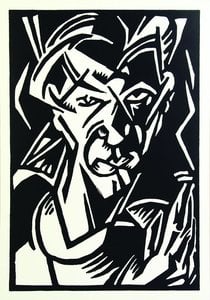
Творчеството на Бортник е дълбоко ангажирано с теми за смъртта, разпадането и трансформацията. Неговите най-известни творби – често наричани „тунелни картини“ – изобразяват клаустрофобични пространства, изпълнени с изкривени фигури, фрагментирани форми и всепроникващо чувство за безпокойство. Тези образи предизвикват психологическите тревоги на модерността, отразявайки очарованието към смъртността и крехкостта на човешкото съществуване. Използването на тъмни цветове, драматична светлина и символични изображения – като черепи, разлагащи се цветя и самотни фигури – създава атмосфера на дълбока меланхолия. И все пак, сред тази тъмнина често се появява проблясък на надежда или устойчивост, подсказващ възможността за обновление и прераждане. Неговите картини често изобразяват градски пейзажи, улавяйки изолацията и отчуждението на модерния живот, като същевременно изследват красотата и мистерията, скрити в сенките на града.
Творчеството на Бортник продължава да бъде изучавано и възхищавано заради своята завладяваща красота, техническо майсторство и дълбоко изследване на човешката съдба. Той остава ключова фигура в историята на унгарското изкуство, свидетелство за силата на художественото виждане и трайното наследство на движението Баухаус.
Шандор Бортньик
1893 - 1976 , Унгария
Кратка информация
- Artistic Movement Or Style: Експресионизъм, Кубизъм, Конструктивизъм
- Artists Or Movements Influenced By This Artist:
- Баухаус
- Green Donkey
- Artists Who Influenced This Artist:
- Лайош Касак
- Оскар Шлемер
- Date Of Birth: 3 юли 1893 г.
- Date Of Death: 31 декември 1976 г.
- Full Name: Sándor Bortnyik
- Nationality: Унгарец
- Notable Artworks:
- Bauhaus Composition
- Spring Rain
- Still Life With Flowers
- Place Of Birth: Марошвъшархел, Унгария