
- Начало

- Дигитално изображение
- roger vandercruse
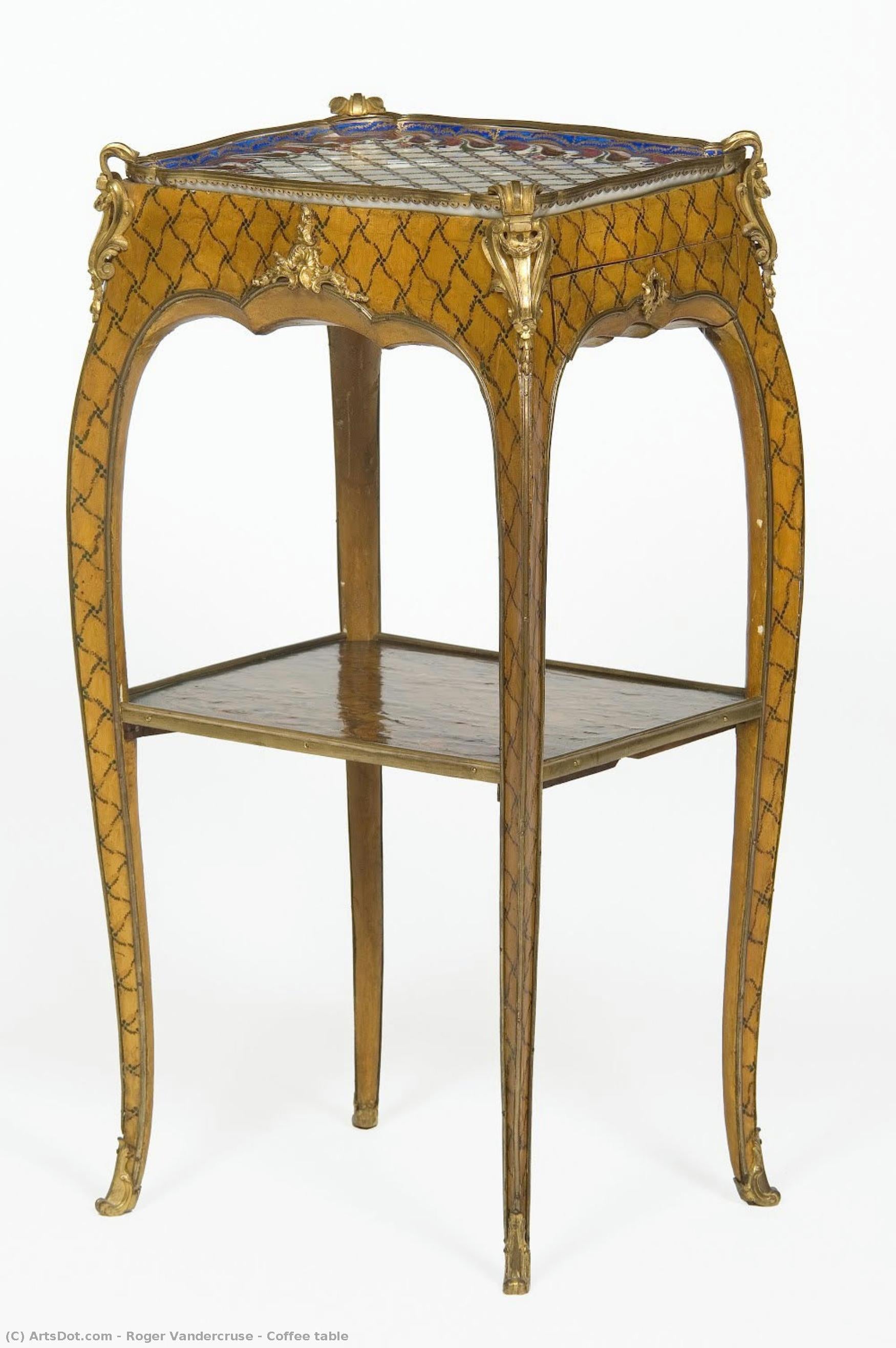
- Coffee table
 Купи принт Купи картина
 Изпрати
 Сподели
 Детайли
 Добавяне към любими

 Изтегляне
 Подобни
 Рентгенова снимка
 Слайдшоу
Coffee table


 Прочетете повече
Закупете дигитално изображение с висока резолюция и подобрени характеристики, значително по-добро от онлайн прегледа.
Всеки файл е щателно подготвен от нашите специалисти с помощта на съвременни инструменти и експертна ръчна ретуш. Гарантираме, че всяко изображение има изключителна яснота, прецизна цветова точност и фини детайли.
Окончателният файл се доставя по имейл в рамките на 72 часа, оптимизиран за незабавна употреба в професионални, редакционни и печатни среди. Това е същото качество, на което се доверяват водещи дизайнерски студия, издатели и галерии.
Дигитално изображение
Изтеглете файл с висока резолюция за лично показване, принтиране и творчески проекти.
Включено във всяка поръчка за дигитални изображения
Експресна дигитална доставка, гарантирана
Когато изберете ArtsDot.com, вие не получавате само изображение – вие получавате професионално подобрена дигитална творба, създадена с прецизност и подкрепена от гаранция за удовлетворение. Ето всичко, което автоматично се включва в вашата поръчка:

Бърза доставка по имейл
Вашето дигитално изображение с висока резолюция ще ви бъде изпратено по имейл в рамките на 72 часа от поръчката - готово за незабавно използване.

Дигитален файл с подобрено качество чрез изкуствен интелект
Вашата картина е професионално оптимизирана с помощта на усъвършенствани инструменти за изкуствен интелект и ръчна редакция, осигурявайки максимална детайлност, яснота и точност на цветовете.

Безплатна доживотна повторна доставка
Изгубили сте или сте премахнали файла си по погрешка? Не се притежнявайте – ще го изпратим отново на Вас по всяко време, безплатно.

Без такки за мито - никога
Всредите си веднага без мита, данъци или такси по доставка - дигителните приложения винаги са без данъчно освободени.

Гаранция за точност на цветовете
Гарантираме, че вашето дигитално изображение отразява оригиналните цветове възможно най-точно, използвайки професионални инструменти и управление на цветовете.

Гаранция за удовлетвореност от 60 дни
Ако не сте доволни от вашето дигилно изображение, ще го коригираме или ще възмедим 100% в рамките на 60 дни – без никакви въпроси.

100% Гаранция за връщане на пари.
Не сте удовлетворени? Получавате пълно възстановяване на сумата в рамките на 60 дни след получаването на вашия цифров файл – без никакви въпроси.

Отстъпки за големи поръчки
Купете 3 изображения, спестете 10% - Купете 5, спестете 15% - Купете 10+, спестете 20%. Отлично за творчески проекти, галерии и агенства.
Описание на колекционерския предмет
Биография на художника
Roger Vandercruse: A Parisian Master of Rococo and Neoclassical Elegance
Roger Vandercruse (1728-1799), also known as Roger Lacroix, stands as a significant figure in the history of French *ébéniste* craftsmanship. Born in Paris during a period of artistic transition – bridging the exuberant Rococo era with the burgeoning Neoclassical style – Vandercruse’s refined furniture embodies both these influential movements. He was not merely a craftsman; he was part of a vibrant network of artisans, inheriting his father's workshop and building upon a legacy of exceptional skill and design. His career spanned nearly seven decades, marked by an increasing sophistication in technique and a growing reputation for producing exquisite pieces that graced the homes of Parisian nobility and wealthy merchants.Early Life and Apprenticeship
Vandercruse’s origins were rooted in the Low Countries, a tradition that profoundly influenced his approach to furniture making. His family's cabinetmaking business in the Faubourg Saint-Antoine provided him with an early foundation in the art of woodcraft. He began his training as a young man, likely absorbing techniques and design principles from his father and other skilled artisans within the Parisian workshop environment. Crucially, he was connected to prominent figures like Jean-François Oeben, whose workshop he later assisted after Oeben’s death, further honing his skills and exposing him to innovative approaches to furniture construction and decoration. This lineage instilled in him a deep respect for quality materials – tulipwood, amaranth, and kingwood were favored – and a meticulous attention to detail that became hallmarks of his work.Specializations and Techniques
Vandercruse’s workshop was particularly renowned for its production of *meubles volants*, or “flying furniture.” These ingenious pieces featured shifting drawers, secret compartments, and adaptable elements designed to suit the changing needs of their owners – a reflection of the aristocratic lifestyle that valued both practicality and visual delight. He excelled in creating commodes, often incorporating intricate marquetry depicting floral motifs, mythological scenes, and geometric patterns. His mastery extended to bronze work, with elaborate mounts adorning his furniture, adding further layers of opulence and sophistication. He frequently employed techniques borrowed from his brother-in-law, Oeben, including the use of Sèvres porcelain plaques – a luxury embellishment highly sought after by Parisian merchants. The stamp “R.V.L.C.” became his signature, marking pieces that were delivered by the aging court cabinetmaker Gilles Joubert to prominent clients like Madame Victoire and the Comtesse de Provence.Influences and Style
Vandercruse’s style represents a fascinating synthesis of Rococo extravagance and Neoclassical restraint. While he embraced the flowing curves, delicate ornamentation, and playful motifs characteristic of the Rococo period – particularly in his earlier work – he gradually incorporated elements of the emerging Neoclassical aesthetic: simpler lines, more restrained decoration, and a greater emphasis on classical forms. His furniture reflects this evolution, moving from the overtly flamboyant to a more balanced and elegant style that appealed to the tastes of the late 18th century. He was deeply influenced by the work of his predecessors, particularly Oeben, but he also demonstrated an independent artistic vision, creating pieces that were both technically proficient and aesthetically pleasing.Legacy and Historical Significance
Roger Vandercruse’s contribution to French furniture design is considerable. His meticulous craftsmanship, innovative *meubles volants*, and skillful integration of marquetry and bronze work established him as one of the leading *ébénistes* of his generation. His pieces are now highly prized by collectors and museums worldwide, offering a tangible connection to the opulent world of 18th-century France. His legacy extends beyond individual works; he represents a crucial link in the chain of French cabinetmaking tradition, demonstrating the enduring appeal of exquisite craftsmanship and artistic refinement. Pieces attributed to Vandercruse can be found in prestigious collections such as those at Waddesdon Manor and the Musée Nissim de Camondo, solidifying his place as a master of his craft and a significant figure in European art history.
roger vandercruse
1728 - 1799 , France
Бързи факти
- Artistic Movement Or Style: Rococo & Neoclassical
- Artists Or Movements Influenced By This Artist:
- Riesener
- Neoclassicism
- Artists Who Influenced This Artist:
- Jean-François Oeben
- Pierre Migeon
- Date Of Birth: 1728 Paris, France
- Date Of Death: 1799 Paris, France
- Full Name: Roger Vandercruse Lacroix
- Nationality: French
- Notable Artworks:
- Bonheur du jour
- Commode
- Meubles volants
- Place Of Birth: Paris, France

