

 Преглед в реален мащаб
 Изпрати
 Сподели
 Детайли
 Ръководство

 Изтегляне
 Подобни артикули
 Рентгенова снимка
 Слайдшоу
 Въпроси и отговори
 Статистика
The Summer Evening

- 60.0 x 42.0 cm


 Прочети повече
Получете файл, готов за печат, който предлага много по-високо качество от уеб прегледа. Всяко дигитално изображение, което предлагаме, е извлечено от висококачествен оригинал в нашата база данни — обикновено с ширина между 5 000 и 15 000 пиксела — така че със сигурност да можете да принтирате в голям формат, да кадрирате тесно или да възпроизведете фините детайли.
Нито един файл не напуска нашето студио без внимание. Дигитален експерт проверява цветовете спрямо оригиналната картина и ги коригира при необходимост, след което подобрява яснотата и детайлите с професионални инструменти за ретуш — винаги оставайки верен на мазките и стила на художника. Резултатът е изображение, което изглежда като самата картина, а не като сканиран образ с филтър.
Одобрявате преди финализиране: нашият експерт ще изпрати изображението по имейл в рамките на 72 часа за ваш преглед. Не сте доволни? Можете да поискате подобрения или корекции, или пълно възстановяване на сумата, ако качеството не отговаря на очакванията ви.
Това е качеството, на което разчитат издателства, дизайн студиа, галерии и печатници.
Дигитално изображение
Изтеглете файл с висока резолюция за лично съхранение, принтиране и творчески проекти. ( Превключване към принт Купете ръчно рисувана картина)
Включено във всяка поръчка за дигитални изображения
Гарантирана експертна дигитална доставка
Избирайки ArtsDot.com, вие не получавате просто изображение – вие придобивате професионално обработена дигитална творба, създадена с прецизност и подкрепена от гаранция за удовлетворение. Ето какво автоматично е включено във вашата поръчка:

Бърза доставка по имейл
Вашето дигитално изображение с висока резолюция ще бъде изпратено по имейл в рамките на 72 часа от поръчката – готово за незабавно използване.

Дигитален файл с подобрено качество чрез ИИ
Вашата картина е професионално оптимизирана чрез усъвършенствани инструменти с изкуствен интелект и ръчна редакция, което гарантира максимална детайлност, яснота и точност на цветовете.

Безплатна доживотна повторна доставка
Изгубили сте или сте изтрили файла си по погрешка? Не се притеснявайте – ще го изпратим отново на Вас по всяко време, безплатно.

Без митнически такси – завинаги
Насладете се на вашето произведение незабавно, без мита, такси или разходи за доставка – дигиталните изтегляния винаги са освободени от данъци.

Гаранция за цветово съответствие
Гарантираме, че вашето дигитално изображение отразява оригиналните цветове възможно най-точно чрез използването на професионални инструменти и системи за управление на цветовете.

100-дневна гаранция за удовлетвореност
Ако не сте доволни от вашето дигитално изображение, ще го преработим или ще възстановим 100% от сумата в рамките на 100 дни – без излишни въпроси.

100% Гаранция за връщане на сумата
Не сте доволни? Получете пълен възврат на сумата в рамките на 100 дни от получаването на вашия цифров файл – без излишни въпроси.

Отстъпки за големи поръчки
Купете 3 изображения, спестете 10% - Купете 5, спестете 15% - Купете 10+, спестете 20%. Идеално за творчески проекти, галерии и агенства.
A Window into Chagall’s Dreamscape
Marc Chagall's "The Summer Evening," painted in 1968, isn’t simply a depiction of a woman gazing out at flowers; it’s an invitation to step inside the artist’s extraordinarily imaginative world. Born Moishe Shagal in Liozna, Belarus, Chagall possessed a singular ability to transform observation into myth—to distill the essence of memory and experience into canvases ablaze with color and imbued with fantastical elements. This painting exemplifies his characteristic style: Surrealism blended seamlessly with Jewish folklore and deeply personal symbolism.- Subject Matter: The artwork centers around a woman seated before a window, bathed in the soft glow of twilight. Alongside her is another figure, subtly positioned on the right, creating a dynamic interplay between stillness and movement.
- Style: Chagall’s Surrealist approach rejects realistic representation, prioritizing emotional expression over factual accuracy. Figures appear distorted, perspectives are skewed, and objects float or overlap in ways that defy conventional logic—a deliberate tactic designed to bypass conscious thought and tap into the subconscious mind.
Technique: Color as Emotion
Chagall’s masterful use of color is paramount to conveying the painting's profound emotional resonance. He employed a technique known as cloisonné enamel, which involved applying thin layers of colored glass paste onto metal supports—typically zinc alloy—and fusing them together in a kiln. This method produced incredibly vibrant hues and luminous surfaces, capturing the ethereal quality of dusk and highlighting the beauty of the floral arrangement outside the window. The palette is dominated by warm yellows and oranges – colors associated with warmth, optimism, and remembrance – juxtaposed against cooler blues and greens that evoke tranquility and serenity.Historical Context: Vitebsk’s Influence
The painting's genesis lies in Chagall’s formative years spent in Vitebsk, Belarus, a town steeped in Jewish tradition and Russian Orthodox heritage. This duality profoundly shaped his artistic vision. Vitebsk served as both a physical location and an emotional landscape—a place of pilgrimage for Chagall, where he revisited cherished memories and drew inspiration from the rhythms of daily life. The imagery reflects this cultural confluence: the stylized depiction of figures reminiscent of biblical narratives alongside elements of Jewish ritualistic art speaks to Chagall’s enduring fascination with spirituality and storytelling.Symbolism: Flowers, Flight, and Remembrance
The flowers outside the window are more than just decorative elements; they represent fertility, beauty, and the cyclical nature of life—themes central to Jewish mysticism. The woman's gaze outward symbolizes contemplation and longing for connection – perhaps a yearning for lost loved ones or a desire to recapture moments of idyllic happiness. Furthermore, Chagall’s signature motif of flight—evident in the figures depicted—represents liberation from earthly constraints and an aspiration towards transcendence. This visual language reinforces the painting’s overarching message: a celebration of beauty, memory, and the enduring power of dreams.Emotional Impact: A Balm for the Soul
“The Summer Evening” possesses an undeniable calming effect on the viewer. Its luminous colors and dreamlike atmosphere invite contemplation and evoke feelings of peace and nostalgia. Chagall’s ability to capture not just what he saw but how he *felt*—to translate emotion into visual form—solidifies his place as one of the most influential artists of the 20th century. Reproductions of this artwork offer a chance to bring a touch of Chagall's visionary spirit into any interior space, fostering a sense of serenity and inspiring imaginative thought.Въпроси и отговори
Как мога да си купя принт на „The Summer Evening“ на Марк Шагал?
"The Summer Evening" е достъпна като художествен принт върху памучно платно или архивен канвас хартия. Можете да направите поръчка на страницата за Художествен принт, в размер по ваш избор.
Цветовете на "The Summer Evening" изглеждат силни или нежни?
Интензивността на цветовете в „The Summer Evening“ е Balanced. Интензивността описва колко наситени изглеждат цветовете.
Кога е създадено "The Summer Evening" и към кое художествено направление принадлежи?
"The Summer Evening" е създадена през 1968 като произведение на течението Surrealist Expression. Датата и художественото направление поставят творбата в контекста на историята на изкуството.
Подобни произведения


Биография на художника
Early Life, Family and Training
Marc Chagall enters the world on July 7, 1887, in Vitebsk, Russian Empire, born Moishe Segal. He is the first of nine children in a modest Jewish family. Life is defined by the rhythms of labor and small-scale commerce. His father, Khatskel Segal, works as a herring pickler at a warehouse, while his mother, Feïga-Ita Tchernina, manages a small grocery store. These early years are rooted in the specific textures of a provincial town, where the boundaries of his world are shaped by the needs of a large household and the traditions of his community.
Education begins within the walls of the heder, a traditional Jewish elementary school. Here, the focus remains on religious instruction and the foundational texts of his upbringing. By age thirteen, the scope of his learning shifts toward the secular. He enters Vitebsk’s official middle school to pursue a Russian education, a move that marks a departure from the strictly religious sphere of his childhood. This dual existence—between the sacred traditions of the heder and the secular requirements of the state school—creates a tension that defines his early development.
Artistic impulse finds its first formal outlet in Vitebsk. Chagall receives his initial training at a local art school operated by Iouri Pen. It is here that the raw instinct for visual expression begins to coalesce into a disciplined practice. He moves from the structured lessons of the classroom toward a more profound engagement with the act of seeing, setting the stage for a life spent translating memory into form.
The Formative Years in St. Petersburg
The transition from the provincial quiet of Vitebsk to the imperial scale of Saint-Petersburg is marked by struggle. Between 1907 and 1909, the capital offers little in the way of comfort. Poverty is a constant companion; there are moments of hunger so severe that physical collapse becomes a reality. To survive, he takes to the streets, earning a meager living by drawing shop signs. These commercial tasks provide the necessary rubles to sustain a presence in the city while he navigates the complexities of being a Jewish student in a vast, shifting empire.
The academic pursuit is relentless. He enrolls in several academies, seeking a formal structure for his burgeoning visual language. The atmosphere of the capital is heavy with the influence of the avant-garde, a tension that pulls him away from classical training. He finds himself in the studio of Léon Bakst, a designer for the Ballets Russes, where the theatricality of set design begins to seep into his perception of space and form. This period is a collision of necessity and ambition, a time of sketching for survival while simultaneously absorbing the radical shifts occurring in the Russian art scene.
The Paris Years and Avant-Garde Influence
Paris arrives in 1910 or 1911, a sudden shift from the provincial constraints of the Russian Empire. The city offers a sensory shock. He finds light, color, and liberty in the streets of Montparnasse. This is no longer the world of the herring merchant or the traditional heder school; it is a landscape of radical possibility. He settles in La Ruche, the famous artist's residence, where the air is thick with the presence of the new avant-garde. He shares this space with Amedeo Modigliani and Fernand Léger, figures who are redefining the boundaries of modern expression. The influence of the era is inescapable, yet he remains an outlier, absorbing the discoveries of Fauvism and Cubism without surrendering his own internal logic.
The work produced during this period begins to reflect a departure from literal representation. He moves toward a style that prioritizes emotional and poetic associations over the strict rules of pictorial logic. The colors brighten, fueled by the exposure to the Parisian scene. He navigates the tension between the formal training of his past and the experimental freedom of the present. This period of intense creative friction continues until the political upheavals of the war pull him back toward the East. It is not until 1923 that he returns to Paris with his family, re-establishing his presence in the city that first unlocked his visual language.
- The Betrothed and Eiffel Tower (1913)
- Hommage à Apollinaire (1912-1913)
The Russian Years and Revolution
The revolution pulls Chagall back to Vitebsk. He does not merely observe the upheaval; he attempts to shape its cultural landscape. He takes on the mantle of Vitebsk Commissioner of Fine Arts and assumes the directorship of a local Fine Arts School. His vision is one of community and education, yet the political climate shifts beneath his feet. The rise of Suprematism creates a fracture. Figures like Malevitch and Lissitzky push for a radical, non-objective abstraction that clashes with Chagall’s more lyrical, figurative approach. The tension is unsustainable. He is forced out of his positions, his dream of a localized artistic renaissance colliding with the rigid demands of the new regime.
By 1920, the focus shifts to Moscow. He works on the decoration of the Jewish theatre, a project that captures the intersection of his personal identity and the public stage. His lines are confident, his colors strong and pale, even as the world around him fractures. He navigates a period of intense creative output and profound material struggle, moving between the memory of the shtetl and the demands of a changing state. The era is defined by this friction: the attempt to build a cultural home while the very foundations of his world are being rewritten.
- Over the Town (1914–1918)
- Apparition (about 1917-18)
Life in the United States
The outbreak of World War II forces a sudden shift in geography. In 1941, Chagall and his family seek refuge in the United States, fleeing the instability of occupied France. He settles in and around New York City, a period of residence that lasts until 1948. The city provides a backdrop of profound emotional upheaval. Amidst the anxieties of the war years, his brush captures the tension of a world in flux. The work reflects the uncertainty of the era, translating personal and global unrest into a visual language of suffering and hope.
During these seven years, the artist finds a way to engage with large-scale institutional projects. He undertakes major commissions for the United Nations headquarters, translating his poetic vision into the architectural fabric of a global institution. This period in America marks a significant chapter of experimentation and survival, bridging his European roots with a new, intense reality. He remains a man between worlds, his heart still pulling him toward France even as he navigates the complexities of his American exile.
- White Crucifixion (1938)
Technique and Artistic Style
Logic yields to emotion. Chagall rejects the rigid rules of pictorial logic, choosing instead to compose images through poetic association. His canvases operate on the mechanics of a dream. Figures float through the air, defying gravity, while colors pulse with a non-naturalistic intensity. This approach allows him to capture the essence of feeling rather than the literal appearance of the world. He moves beyond mere imitation, using a bold palette to translate memory into a visual language.
His aesthetic is a collision of influences. He absorbs the fragmented structures of Cubism and the intense color of Fauvism, yet he filters these avant-garde movements through a deeply personal lens. The result is a style that bridges Expressionism and abstraction. He weaves together the sacred and the mundane, populating his scenes with symbolic and surreal imagery. Jewish folktales and the quiet, lived-in details of shtetl life become the building blocks of a private mythology. The familiar becomes fantastic.
The imagery often centers on recurring motifs: flying lovers, fiddlers, and massive bouquets. These elements are not mere decorations but symbols of a spiritual and emotional landscape. In works like The Lovers (1929), the sense of weightlessness and the use of intense color create a space where the physical laws of the world no longer apply. His work remains a constant negotiation between the tangible reality of his upbringing and the boundless possibilities of the imagination.
- I and the Village (1911)
- The Green Violinist (1924)
- White Crucifixion (1938)
Patrons, Workshop and Commissions
The mid-1920s find Chagall in Paris, navigating the influential circles of the art market. He enters the orbit of Ambroise Vollard, a dealer whose influence shapes the trajectory of many avant-garde artists. Vollard commissions a series of engravings from Chagall, tasking him with illustrating the works of Nikolay Gogol, specifically Dead Souls. This period marks a shift toward the precision of printmaking, moving away from the fluid spontaneity of his earlier canvases.
In 1931, the focus shifts toward the Middle East. The Mayor of Tel Aviv extends an invitation to Chagall to travel to Palestine. The objective is ambitious: the founding of a Jewish Art Museum. This period deepens his engagement with religious and cultural symbolism, a theme that would persist through his later, large-scale architectural works. His ability to translate personal and communal memory into physical space becomes a defining aspect of his professional output.
As his reputation grows, the scale of his work expands from the intimate page to the monumental. He moves into the realm of light and architecture, designing stained-glass windows for the Cathedral of Metz and the United Nations building in New York. These works demand a mastery of how color interacts with sunlight. In 1964, he reaches a peak of public recognition with a commission for the ceiling of the Paris Opera, a massive undertaking that brings his dreamlike imagery into one of Europe's most significant cultural venues.
Where to See the Works Today
The legacy of his vision remains anchored in several key institutions across the globe. In Nice, France, the Musée National Marc Chagall houses an extensive collection of his works, preserving the core of his creative output. This museum offers a concentrated look at the imagery that defined his long career. Meanwhile, the State Russian Museum in Saint-Petersburg, Russia, maintains a significant presence of his art, holding pieces that connect back to his early years and his time in the Russian Empire.
The reach of his work extends across the Atlantic to the United States. The Museum of Modern Art in New York City holds works that reflect his complex relationship with the city during his years of exile. In the American Midwest, the Art Institute of Chicago features his art, ensuring his presence in major international collections. These locations provide the primary physical touchpoints for those seeking to encounter his specific use of color and form.
- I and the Village (1911)
- The Wedding (1944)
- White Crucifixion (1938)
- The Lovers (1929)
- The Circus (1964)
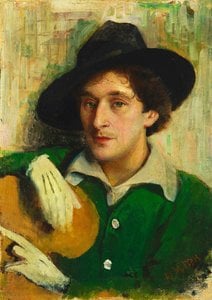
Марк Шагал
1887 - 1985 , Беларус
Бърза справка
- Artistic Movement Or Style: Експресионизъм, Кубизъм, Фовизъм, Сюрреализъм
- Artists Or Movements Influenced By This Artist: ['Сюрреалисти']
- Artists Who Influenced This Artist: ['Леон Бакст']
- Date Of Birth: 1887
- Date Of Death: 1985
- Full Name: Мойше Шагал
- Nationality: Руско-френска
- Notable Artworks:
- Аз и селото
- Рожденникът
- Сватбата
- Бялата разпятие
- Над Витебск
- Place Of Birth: Лиозна, Беларус