

 Преглед в реален мащаб
 Изпрати
 Сподели
 Детайли
 Ръководство

 Изтегляне
 Подобни артикули
 Рентгенова снимка
 Слайдшоу
 Въпроси и отговори
 Статистика
Device


 Прочети повече
Изкуството, представено на тази страница, е защитено от законите за авторско право, което означава, че не можем законно да създаваме или продаваме идентични репродукции. Тази защита се прилага съгласно международни споразумения като Бернска конвенция и от националното законодателство, включително разпоредбите на Закон за авторското право на САЩ – Раздел 17.
Този метод е напълно съвместим с законите за авторско право, тъй като не включва копиране или дублиране на защитеното произведение. Вместо това става въпрос за творческа реинтерпретация – нова картина, която е вдъхновена от оригинала, но не е идентична с него.
Жикле / Художествен принт
Giclée печат или принт върху платно с музейно качество, бързо производство и гъвкави опции за завършен вид. ( Купете ръчно рисувана картина Превключване към дигитално изображение)




P118B €10

P118H €10

P118W €10

P438Z €10

P508JH €12

P508YH €12

P805H €10

P805Z €10

P919BZ €10

P919G €10

P919XJ €10

P959ZH €10

P968JZ €12

W106C €8

W218G €10

W218JH €8

W218Y €10

W307PJ €10

W316G €10

W316PJ €8

W316Y €10

W398PJ €8

W4111J €10

W500HY €15

W500JH €15

W692G €12

W849H €8

W940BG €15

W953PJ €8




Изберете от нашите предварително зададени размери, които съответстват на оригиналните пропорции на произведението.

Въведете необходимата ширина и височина, за да паснат на вашата рамка или стена. Принтовете могат само да се изрязват, но никога не могат да бъдат по-големи от оригиналната картина, така че при размер с различен формат част от изображението ще бъде загубена. Преди да започнем печат, ще ви изпратим дигитален мок업 за одобрение. Изображението, показано на тази страница, не показва реалното изрязване — само мок업ът го показва.
Доставка по целия свят () в рамките на 2 седмици вместо стандартните 4/5 седмици. (18 Ноември)

Безплатна експресна доставка по целия свят

Висококачествено ленено платно

Пълно застраховане на доставката

Гаранция за възстановяване на митнически такси

Гаранция за пълно съответствие на цветовете

Политика за връщане в рамките на 100 дни (само при дефекти)

100% Гаранция за връщане на сумата

Оферта за отстъпка при поръчка на повече бройки
 Опцията със стъкло е налична само за размери под 110 см

Device
Жикле / Художествен принт
Размер на репродукцията
-


Обща цена
€ 56
A Symphony of Form and Color
In the vast landscape of American modernism, few works capture the quiet tension between the familiar and the abstract as poignantly as Jasper Johns’ Device. This mesmerizing composition serves as a profound meditation on circularity, inviting the viewer into a rhythmic dance of red and blue hues. At first glance, the eye is drawn to the striking interplay of geometric shapes—a large, commanding circle that suggests the face of a clock, anchored by smaller, orbiting spheres that punctuate the canvas like celestial bodies. The artwork does not merely present shapes; it orchestrates them, creating a visual harmony that feels both mathematically precise and deeply organic. For the discerning collector or interior designer, this piece offers a sophisticated focal point, bringing a sense of structured tranquility and intellectual depth to any curated space.
The magic of Device lies in its tactile soul, achieved through the artist's masterful use of the encaustic technique. By fusing pigment with heated beeswax and resin, Johns creates a surface that is far more than a mere layer of color; it is a sculptural landscape. This method imparts a luminous, almost translucent quality to the reds and blues, allowing light to penetrate the upper layers and reveal a subtle, skin-like texture beneath. Every line and concentric ring feels etched into the very substance of the work, providing a physical weight that resonates with anyone who appreciates the nuances of fine art craftsmanship. This interplay of light and heavy texture ensures that the piece remains dynamic, shifting in character as the viewer moves around it.
Bridging Eras: From Gesture to Icon
To understand the emotional resonance of Device, one must look back at the seismic shifts in the art world during which it was conceived. Emerging from the shadow of Abstract Expressionism—a movement defined by raw, unbridled emotion and chaotic brushwork—Johns introduced a new, more cerebral vocabulary. He moved away from the "action painting" of his predecessors to focus on things: symbols, targets, and devices that were already embedded in our collective consciousness. By utilizing recognizable motifs like the clock-like circle, Johns bridges the gap between the high abstraction of the mid-century and the burgeoning Pop Art movement. He transformed the act of looking into an act of recognition, turning everyday geometric archetypes into profound vessels for contemplation.
Ultimately, Device is a work that speaks to the universal human experience of time and repetition. The circular motifs evoke the cyclical nature of existence, while the meticulous layering suggests the accumulation of moments. It is an artwork that does not demand attention through noise, but rather commands it through a steady, rhythmic presence. Whether gracing a minimalist gallery wall or serving as the centerpiece of a contemporary living suite, this reproduction captures the enduring legacy of a master who taught us to find the extraordinary within the ordinary. It remains an essential acquisition for those who seek art that is not only visually stunning but also intellectually nourishing.
Въпроси и отговори
Какво изобразява „Device“ на Джаспър Джонс и каква е неговата атмосфера?
„Device“ на Джаспър Джонс изобразява circles, geometric, color, symbolism, iconography, repetition, abstraction в Bold настроение. Сюжетът и атмосферата заедно описват произведението.
Колко популярна е творбата „Device“ в рамките на Pop Art?
„Device“ на Джаспър Джонс е класифициран като Iconic и принадлежи към движението Pop Art.
Каква е яркостта на „Device“ на Джаспър Джонс?
Записаната светлост за „Device“ на Джаспър Джонс е Bright Balance.
Подобни произведения


Биография на художника
Ранен живот, семейство и обучение
Джаспер Джонс е роден на 15 май 1930 г. в Огаста, Джорджия. Бракът на родителите му приключва с развод, когато той е още много малък, което го води до възпитаването в Южна Каролина. Голяма част от детството си прекарва в Оллендейл, Южна Каролина, живеейки с бабите и дядовцето си. По-късно прекарва време с майка си и чичо си в Колумбия, а накрая живее с леля си Гладъс на езеро Мърей. Той започва да рисува още на три години. Към времето, когато достига средното училище, той вече е напълглум фокусиран върху своето занаятче, като накрая завършва като най-добрият ученик на класа от 1947 г. в средно училище „Едундс“ в Самтър, Южна Каролина.
Неговото формално обучение започва на Юг. Той посещава Университета на Южна Каролина в Колумбия в продължение на три семестъра. След напускането на университета, през 1949 г. се премества в Ню Йорк. Там се записва в Школата по дизайн „Парсънс“, за да продължи обучението си. През тези същински години той работи на различни временни места, включително като продавач в книжарница, преди пътят му да бъде прекъсван от военната призовка.
Военната служба и завръщането в Ню Йорк
Траекторията на ранните му години е прекъсната през 1951 г., когато той е призован в Армията на Съединените Америки по време на Корейската война. Този период на служба го отдалечава от художествените училища на Източното крайбрежие и го поставя в две съвсем различни среди. Прекарва време в пост на Форт Джакс в Южна Каролина, преди да бъде изпратен в Седай, Япония. Тези години на военна служба осигуряват дистанция от разцъфтяващата арт сцена, която той вече е започнал да изследва в Ню Йорк.
Към лятото на 1953 г. той се завръща в град Ню Йорк. Градът е място на преход, а той намира работа в Marboro Books. Този период на заетост му позволява да се за settles отново в градската среда, проправяйки си път през социалните и художествените пластове на мегаполиса. Именно през тези месеци след службата той започва да изгражда връзките, които ще определят неговата по-късна творческа практика, работейки заедно с други в градските лофтове и ателиета.
Появата на нов визуален език
Към 1954 г. се случи промяна в начина, по който обектите се третират върху платното. Вместо спонтанните, жестови следи, които дефинираха епохата, се настъпи преход към неща, които умът вече познава. Това означаваше използването на символи, които не изискват обяснение: знамена, карти, цели, букви и числа. Те не бяха илюстрации на конкретни събития, а по-скоро разпознаваеми форми, използвани за изследване на това как възприемаме смисъла. Творчеството му се превърна в начин за разглеждане на самия акт на виждане, използвайки познатото, за да постави под въпрос самата същност на репрезентацията.
Този подход помогна за утвърждаването му като централна фигура в развитието на американското поствоенно изкуство. Първата му соло изложба се състоя през 1958 г. в галерия „Лео Кастели“, където присъствието на тези обикновени символи за първи път се срещна с по-широка публика. Картините не се опитваха да избягат от света чрез абстракция; те донесоха света в студиото чрез тези тихи, повтарящи се мотиви. Премахвайки нуждата от повествование, фокусът се измести към повърхнината и начина, по който един символ функционира като визуален код.
Техника и артистичен стил
Повърхността на една картина на Джаспер Джонс често се усеща тежка и наслоена. Той често използва енкаустика – процес, при който пигментът се смесва с горещ восък, за да се създаде гъст, текстуриран слой. Този метод позволява физическа дълбочина, която сякаш живее върху платното, като понякога включва колаж и вестникашки отрязъци директно в восъчната маса. Тези слоеве не внушават бърз, спонтанен жест; напротив, творчеството му излъчва чувство за съзнателен контрол. Всеки знак и всяка форма изглеждат поставени с конкретна цел, отдалечавайки се от хаотичните, емоционални подтеклости, характерни за други стилове от средата на века. Той предпочита по-прецизен и обмислен подход към начина, по който се конструира едно изображение.
Извън платното, неговият почерк се проявява по много различни начини. Той се движи между тежката текстура на енкаустиката и прецизните, остри линии на графичните техники. Практиката му обхваща литография, ситкография, офортеване и акватинта. Тези методи му позволяват да повтаря определени форми и символи с различни текстури. Често използва едни и същи мотиви – числа, букви или карти – за да проследи как те се променят, когато се промени и методът на нанасяне. В основата на неговото изкуство стои начинът, по който зрителят разпознава една форма и как това разпознаване се трансформира, когато повърхността е многослойна или фрагментирана.
- Target (1958)
- White Flag (1955)
- Colored alphabet (около 1959)
- False Start (1959)
- Perilous Night (1982)
Ключови творби и иконични образи
Творчеството на Джаспер Джонс често се фокусира върху обекти, които умът вече познава. В средата на 50-те години на миналия век, картината Flag (1954–55) използва колаж от „Звездите и лентите“, наслаивайки вестникарски печат с пигмент. Този подход превърна познатия символ в текстурирана повърхност от восък и хартия. Образите започнаха да се развиват от тези големи, плоски символи към по-концентрирани форми. Следва серията с мишени, която използва централната точка на мишената, за да постави под въпрос начина, по който зрителят възприема една проста форма. Едно от тези произведения, Target with Four Faces (1958), поставя лица в червеното поле, създавайки чувство за безпокойство чрез тяхното повтарящо се, безлично подреждане.
Фокусът върху разпознаваемите обекти продължава и през 60-те години. През 1961 г. произведението Map използва фрагментирани изображения на Съединените щати, за да погледне към географията и идентичността. Този период отбелязва и преход към триизмерни форми, които имитират ежедневни предмети. През 1960 г. е създадена серията Painted Bronze (Beer Cans). Тези скулптури са отлити от бронз, но са боядисани така, че да изглеждат точно като обикновените предмети, които представляват, размивайки границата между реалния обект и неговото живописно подобие.
- White Flag (1955)
- Three Flags (1958)
- False Start (1959)
- Colored Alphabet (около 1959)
Кръг от влиятелни съмишленици
В лофтовете на Манхатън въздухът беше наситен от споделени идеи и тихото триене на близостта. Джаспер Джонс живееше в съседство с Робърт Раушенберг – връзка, която беше едновременно романтична и артистична, продължавайки до 1961 г. Те прекарваха дните си в проектиране на витрини за магазини като Tiffany и Bonwit Teller, работейки плече до плече, за да превърнат ежедневието в нещо съвсем различно. Тази близост означаваше, че техните творчески светове са били в постоянен диалог – непрекъснат обмен на мисли и визуални експерименти, които помогнаха за дефинирането на новото направление в американското изкуство.
Този творчески кръг се разпростираше и в сферите на звука и движението. Джаспер Джонс беше близък приятел на композитора Джон Кейдж и хореографа Мерс Кънингнъм. Тези връзки внесоха различен вид ритъм в неговото мислене, коренно засягащ авангарда. Той се движеше през пейзаж, в който границите между различните дисциплини бяха пропускливи, повлиян от начина, по който Кейдж и Кънингнъм подхождаха към структурата и случая. Дори идеите на Марсел Дюшан несъкновения се усещаха на заден план, предоставяйки концептуалната рамка за поставянето под въпрос на самата същност на това какво може да представлява един обект, когато бъде поставен в рамка.
Наследство и вечно влияние
Преходът от спонтанните, жестови следи на Абстрактния експресионизъм към разпознаваемите образи на Поп арта се случи по голяма част чрез неговите ръце. Вземайки неща, които умът вече познава — знамена, цели и числа — и третирайки ги като обекти на изследване, той промени начина, по който художниците подхождат към платното. Това движение към ежедневието проложи пътя за творчеството на Енди Уорхъл и Рой Лихтенщайн, които по-къло по-късно изградиха върху тези идеи за масовата култура и стоката.
Присъствието му в арт света е белязано от значително признание. През 1988 г. той е удостоен със Златния лъв на Венецианското биенале. По-късно, през 2011 г., той получава Президентската медал за свобода. Тези почести отразяват една кариера, посветена на поставянето под въпрос на природата на репрезентацията и начина, по който символите функционират в един постоянно променящ се обществен строй.
- Flag (1954–55)
- Target (1958)
- Map (1961)
- Perilous Night (1982)
Къде могат да се видят творбите днес
За да се насладите на неговите живописни полотна и скулптури в реалността, пътуването ви вероятно ще ви отведе в сърцето на Ню Йорк. Музеят на модерното изкуство (MoMA) притежава няколко от неговите шедьоври, докато Музеят на американското изкуство „Уитни“ и Метрополитният музей на изкуството също съхраняват неговото наследство в своите колекции. Тези институции предлагат прозорец към различните етапи от неговия творчески път – от ранните експерименти с енкаустика до по-късните му изследвания на пространството на художника.
Присъствието на Джаспер Джонс обаче не се ограничава само до Съединените щати. В Лондон галерия „Тейт Модерн“ съхранява произведения, които отразяват дългогодишния му интерес към начина, по който възприемаме познатите символи. Виждането на тези обекти в толкова различни контексти позволява по-задълбочен поглед върху това как неговото използване на текстура и повторение се трансформира под различен светлинен спектър.
- White Flag, 1955
- Target, 1958
- Map, 1961
- Perilous Night, 1982
- Dancers on a Plane, около 1964

Джаспър Джонс
1930 - , САЩ
Бърза информация
- Artists Or Movements Influenced By This Artist:
- Поп арт
- Енди Уорхъл
- Рой Лихтенщайн
- Artists Who Influenced This Artist: ['Марсел Дюшан']
- Date Of Birth: 1930
- Full Name: Джаспер Джонс
- Nationality: Американец
- Notable Artworks:
- Знаме
- Цел
- Карта
- Грешка в началото
- Бяло знаме
- Place Of Birth: Августа, Съединени Американски Щати
Свързани статии

Paul Jenkins: Abstraction, Color Field Painting & the Pursuit of Lyrical Expression
Explore the captivating world of Paul Jenkins, a pioneer of abstract expressionism & color field painting. Discover his unique ‘Phenomena’ series and investment potential for art collectors. Expert insights at ArtsDot.

Топ 10 шедьовъра на геометричната абстракция за Вашия дом | ArtsDot.com
Разгледайте топ 10 шедьовъра на геометричната абстракция – Кандински, Мондриан и други! Открийте историите зад тези емблематични картини и добавете елегантност към дома си с репродукции от ArtsDot.com. Разгледайте пълната колекция онлайн!

Изисканият фендом: Как да декорираме с поп-културно изкуство без кич и претенциозност
Открийте как да декорирате с поп-културно изкуство без кич! Експертни съвети за баланс, цветове и стилове. Създайте луксозен и модерен интериор с нашите ръководства.
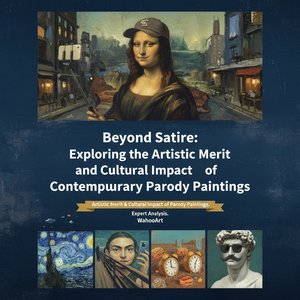
Отвъд Сатирата: Изследване на Художествената Стойност и Културното Въздействие на Съвременните Пародийни Картини
Изследвайте дълбочината на съвременната пародийна живопис! Анализ на техниките, културното въздействие и художествената стойност. Експертни прозрения за колекционери и ценители.

Precision and Pulse: Evaluating the Role of Circular Forms in Geometric Abstraction
Explore the technical mastery of circular forms in geometric abstraction from Kandinsky to Delaunay. Discover the power of pure form now.


