


 Представи си го
 Изпрати
 Сподели
 Детайли

 Изтегляне
 Подобни
 Рентгенова снимка
 Слайдшоу
 Статистика
Japanese chest
 Namban Style
 1610
1610 93.0 x 59.0 cm
 Национален музей на декоративното изкуство Мадрид
 Прочетете повече
Жикле / Художествен принт
Giclée печат или принт върху платно с музейно качество, бързо производство и гъвкави опции за завършен вид. ( Купете ръчно рисувана картина Превключване към дигитално изображение)




































Изберете от предварително зададените размери, които съответстват на оригиналните пропорции на произведението.

Можете да въведете собствени размери, за да паснат на конкретна рамка или пространство. Ако избраният от Вас размер не съвпада с пропорциите на оригиналното изображение, ние ще изрежем произведението или ще разширим изображението с огледален или едноцветен ръб. Дигитален макет ще бъде изпратен за Ваше одобрение преди започването на производството.
Моля, имайте предвид, че предпрегледът на екрана не отразява реалното изрязване или разширяване. Само макетът ще покаже точно финалната композиция.
Въпреки че са налични персонализирани размери, препоръчваме да изберете размер от предварително дефинирания списък, за да запазите оригиналните пропорции.
Доставка по целия свят () в рамките на 2 седмици вместо стандартните 4/5 седмици. (10 Септември)

Безплатна експресна доставка по целия свят

Висококачествено ленено платно

Пълно застраховане при доставка

Гаранция за възстановяване на митнически такси

Гаранция за цветова точност

Политика за връщане в рамките на 100 дни (само при дефекти)

100% Гаранция за връщане на парите

Предложение за отстъпка при поръчка на едро
 Стъклото е налично само в размери под 110 см

Japanese chest
Жикле / Художествен принт
Размер на репродукцията
-


Обща цена
$ 62
Подобни произведения


Биография на художника
The Soul of Urushi: A Legacy of Refinement
In the heart of Kyoto, Japan—a city where ancient temples stand in silent vigil over serene, moss-covered gardens—lies a tradition that breathes through the very sap of the earth. The Zohikos Kyoto workshop represents more than just a collection of artisans; it is a living lineage of urushi lacquering that has endured for over four centuries. This meticulous craft is an embodiment of Japanese philosophy, weaving together the principles of harmony, balance, and a profound respect for the natural world. To encounter a piece from this workshop is to witness a transformation where humble wood is elevated into objects of breathtaking beauty and enduring elegance, achieved through a technique that demands infinite patience and a spiritual understanding of one's materials.
The history of this artistry finds its roots deep within the Edo period, an era when lacquerware flourished as a potent symbol of imperial prestige and social standing. As generations of masters passed their secrets from hand to hand, the workshop’s lineage became a repository of accumulated knowledge. The foundation of their work rests upon urushi, the precious sap harvested from the lacquer tree, Toxicodendron vernix. This remarkable substance possesses the unique ability to fuse seamlessly with wood fibers, creating a bond so resilient that it resists cracking or peeling through the centuries. The creation of a single piece is a slow, meditative journey involving meticulous sanding, polishing, and the painstaking application of multiple layers of resin mixed with pigments, each new coat built upon the strength of the last.
Mastery of Technique and Ornamentation
The brilliance of the Kyoto workshop lies in its ability to master complex decorative methods that turn functional objects into fine art. One of the most celebrated techniques is maki-e, a process in which fine metal powders are sprinkled onto wet lacquer to create shimmering, ethereal designs. This method allows for an incredible range of artistic expression, from delicate floral motifs to sweeping landscapes. Furthermore, the workshop has historically engaged with the Namban style, characterized by striking gold maki-e on a deep black ground, often inlaid with iridescent mother-of-pearl shell and accented with gilt-metal fittings. These intricate decorations frequently feature animals and botanical elements, reflecting a deep connection to the seasonal rhythms of Japan.
While the workshop remains anchored in these classical traditions, it has never remained stagnant. The contemporary artisans of Zohikos Kyoto workshop skillfully navigate the intersection of heritage and innovation. By integrating modern design sensibilities with ancient methods, they ensure their work resonates with a global audience. This evolution is supported by a commitment to precision that borders on the scientific; today’s masters may utilize advanced microscopy and material science to optimize the durability and aesthetic luster of their pieces, ensuring that the brilliance of the lacquer remains as vivid today as it was during the Edo period.
A Lasting Impression on Global Artistry
The achievements of the Kyoto workshop extend far beyond the borders of Japan. Historically, their exquisite creations—ranging from travel chests and portable altars to jewelry boxes and inro—were highly sought after by emperors, dignitaries, and international collectors alike. During the era of maritime trade, beautiful Namban artworks were imported into Spain and Europe, influencing Western perceptions of Eastern luxury and craftsmanship. The workshop's ability to blend Japanese techniques with Western-style furniture forms has created a unique aesthetic language that continues to captivate the art world.
Today, the significance of the Zohikos Kyoto workshop lies in its role as a guardian of cultural identity. In an age of mass production, their dedication to the slow, deliberate process of urushi serves as a vital reminder of the value of craftsmanship. Their work continues to be celebrated for:
- Artistic Vision: The seamless integration of botanical art and intricate carvings that honor Japanese nature.
- Technical Excellence: The mastery of maki-e and the complex layering of resin to achieve unparalleled depth.
- Historical Continuity: The preservation of Edo-period traditions within a modern, functional context.
- Philosophical Depth: The expression of wabi-sabi and harmony through the medium of natural sap and wood.
As they continue to champion the art of lacquerware, the artisans of Kyoto ensure that the legacy of urushi remains not merely a relic of the past, but a vibrant, breathing component of the contemporary fine arts landscape.

Бързи факти
- Artistic Movement Or Style: Traditional urushi lacquering
- Full Name: japanese workshop lacquer
- Nationality: Japanese
- Notable Artworks:
- Title 1
- Title 2
- Place Of Birth: Kyoto, Japan
Всички статии

Floating World: The Captivating Art and Legacy of Japanese Ukiyo-e
Explore the profound beauty of Japanese Ukiyo-e. Discover the history, masters like Hokusai, and the enduring legacy of the 'Floating World' through an expert art-historical lens.

Utagawa Kuniyoshi: A Master of Japanese Ukiyo-e – Narrative Innovation & the Fusion of Tradition with Popular Culture
Explore the captivating world of Utagawa Kuniyoshi, a master of Japanese ukiyo-e woodblock prints. Discover his innovative warrior scenes, vibrant landscapes & lasting legacy in 19th-century art history.
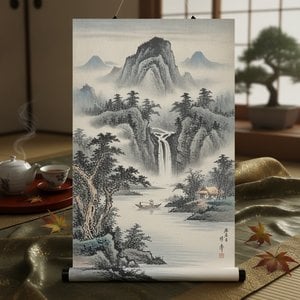
Serenity on Canvas: A Guide to the Timeless Beauty of Japanese Landscape Painting
Discover the serene beauty of Japanese landscape painting. From Hokusai's iconic woodblock prints to meditative sumi-e ink washes, explore a visual journey through the 'floating world' and learn how to bring this timeless Zen aesthetic into your modern home decor.

Топ 25 шедьовъра на Кацушика Хокусай: Изкуство, история и вдъхновение за вашия дом
Разгледайте топ 25 шедьовъра на Кацушика Хокусай – японски гравюри, укийо-е и емблематичната "Голяма вълна". Историята зад изкуството и вдъхновение за вашия дом. Репродукции с музейно качество на ArtsDot.com.

Léonard Foujita: A Poetic Synthesis of Japanese Sensibility & European Modernism
Discover the captivating world of Léonard Foujita, a master bridging Japanese aesthetics & European Modernism. Explore his signature style, diverse works, and enduring legacy – essential reading for discerning art collectors.