

 Представи си го
 Изпрати
 Сподели
 Детайли

 Изтегляне
 Подобни
 Рентгенова снимка
 Слайдшоу
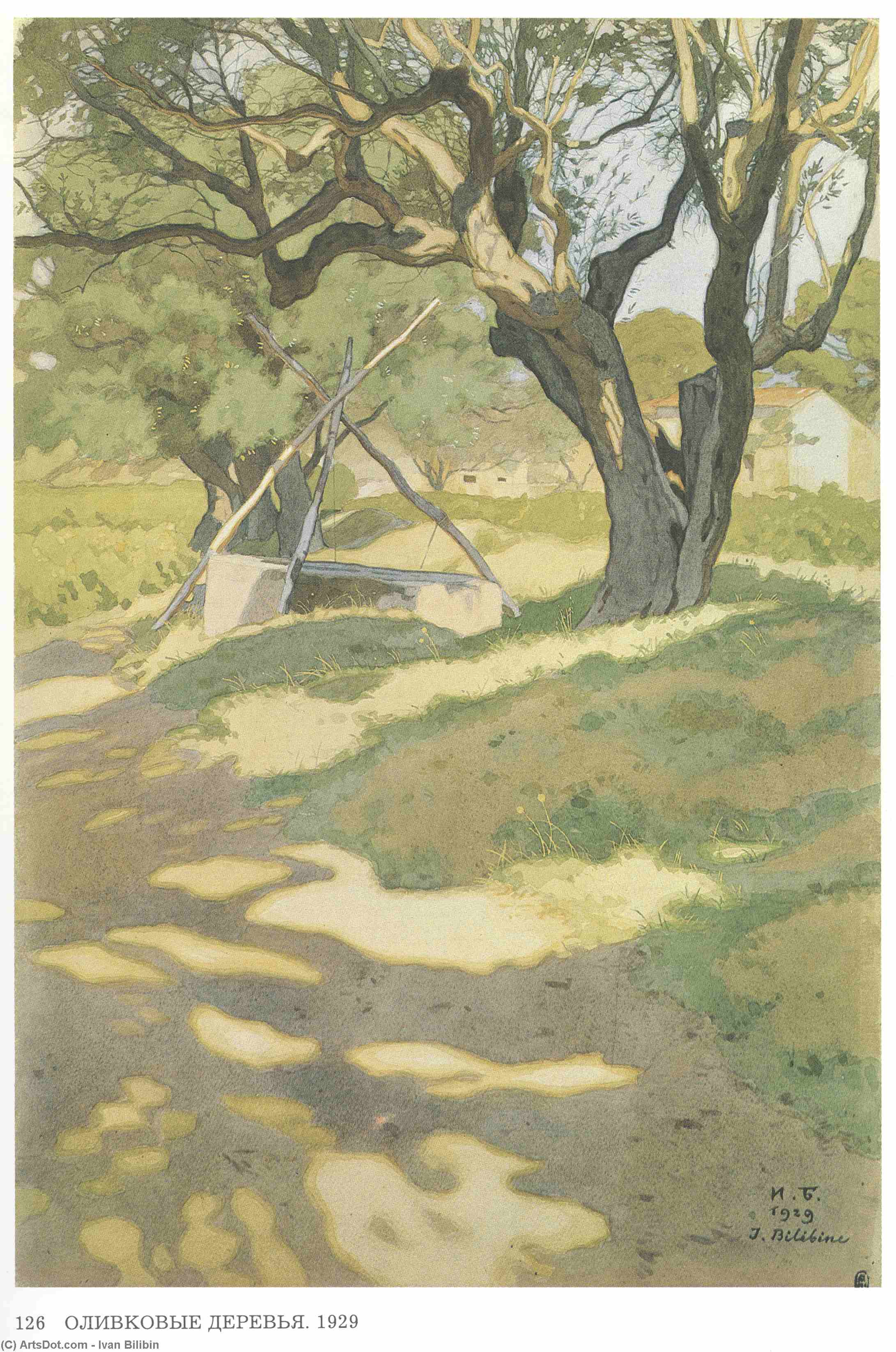
Olive Trees


 Прочетете повече
Ръчно изработена маслена репродукция
Ръчно рисувана маслена картина върху платно във вашия размер и рамка, изработена по поръчка от нашите художници. ( Купете принт Купете изображение)




































Изберете от предварително зададените размери, които съответстват на оригиналните пропорции на произведението.

Можете да въведете свои собствени размери, за да пасне на конкретна рамка или пространство. Ако избраният от вас размер не съответства на пропорциите на оригиналното изображение, ние ще изрежем произведението или ще удължим картината с допълнителни ръчно рисувани елементи. Дигитален макет ще бъде изпратен за ваше одобрение преди започване на производството.
Моля, обърнете внимание, че прегледът на екрана не отразява действителното изрязване или разширяване. Само макетът ще покаже точно финалния състав.
Въпреки че са налични персонализирани размери, препоръчваме да изберете размер от предварително дефинирания списък, за да запазите оригиналните пропорции.
След поръчка, екипът на ArtsDot.com ще изпрати имейл на клиента за инструкции и ще предостави преглед на макет.
Доставка по целия свят () в рамките на 3/4 седмици вместо стандартните 5 седмици. (14 Август). Без компромис с качеството.

Безплатна експресна доставка по целия свят

Висококачествено ленено платно

Пълно застраховане при доставка

Гаранция за възстановяване на митнически такси

Гаранция за цветова точност

60-Дневен период за връщане (Само при дефекти)

100% Гаранция за връщане на парите

Предложение за отстъпка при поръчка на едро
 Стъклото е налично само в размери под 110 см

Olive Trees
Репродукционен метод
Размер на репродукцията
-


Обща цена
$ 263
Подобни произведения


Биография на художника
Ivan Yakovlevich Bilibin: A Life in Art
Early Life and Education
- Born: 1876 in Tarkhovka, a suburb of St. Petersburg, Russia.
- Ivan Bilibin demonstrated an early aptitude for art, nurtured by the vibrant cultural atmosphere of his surroundings.
- He initially studied law at the University of St. Petersburg but soon abandoned it to pursue his artistic passions.
- Bilibin received formal training at Anton Ažbe's School of Art in Munich (1898), where he was exposed to Art Nouveau and German satirical illustration, particularly the journal *Simplicissimus*.
- He further honed his skills under the tutelage of Ilya Repin at the Imperial Academy of Arts in St. Petersburg.
Artistic Development and Influences
- Early Influences: Bilibin’s artistic development was profoundly shaped by his ethnographic expeditions to northern Russia (Vologda, Olonetsk, Arkhangelsk governorates) between 1902-1904.
- These travels sparked a deep fascination with Russian folk art, wooden architecture, and the rich traditions of the peasantry. He documented his findings in *Narodnoye tvorchestvo russkogo severa* (Folk Arts of the Russian North) published in 1904.
- Japanese prints, with their emphasis on line, composition, and narrative storytelling, also exerted a significant influence on his style.
- He embraced a distinctive aesthetic that blended elements of traditional Russian iconography, folk art motifs, and the decorative qualities of Art Nouveau.
Key Works and Artistic Style
- Illustrations of Fairy Tales: Bilibin achieved widespread recognition for his enchanting illustrations of Russian fairy tales, beginning in 1899. Notable works include depictions of *Baba Yaga*, *Vasilisa the Beautiful*, and *Ivan Tsarevich catching the Firebird’s feather*.
- Stage Design: He became a sought-after stage designer, collaborating with Sergei Diaghilev's Ballets Russes. His designs for Nikolai Rimsky-Korsakov’s *The Golden Cockerel* (1909) are particularly celebrated.
- Distinctive Style: Bilibin’s style is characterized by its elegant lines, flattened perspective, symbolic use of color, and meticulous attention to detail. He often incorporated elements of medieval Russian manuscript illumination into his work.
- He also created posters and book illustrations for various publications, including *Dog Rose* and the Moscow Publishing House.
Political Engagement and Later Life
- Revolutionary Period: During the Russian Revolution of 1905, Bilibin created politically charged cartoons for the magazine *Župel*, which was later banned.
- Exile and Return: Following the October Revolution in 1917, disillusioned with the new regime, he left Russia. He lived in Cairo, Alexandria, and eventually settled in Paris (1925), where he worked as a decorator.
- Despite his initial departure, Bilibin harbored a longing for his homeland and returned to the Soviet Union in 1936 after decorating the Soviet Embassy.
- Tragic End: He died during the Siege of Leningrad in 1942, refusing to evacuate despite the dire conditions.
Legacy and Historical Significance
- Ivan Bilibin is considered one of Russia’s most important illustrators and stage designers.
- Revival of National Identity: His work played a crucial role in reviving interest in Russian folklore and national identity during a period of rapid social and political change.
- Influence on Modern Art: Bilibin’s distinctive style influenced subsequent generations of artists, particularly those interested in exploring the intersection of art, folklore, and national culture.
- His illustrations continue to captivate audiences worldwide with their beauty, imagination, and evocative portrayal of a bygone era.

ivan yakovlevich bilibin
1876 - 1942
Бързи факти
- Birth_Date: 1876
- Birth_Place: Tarkhovka, St. Petersburg
- Death_Date: 1942
- Influenced_By:
- Anton Ažbe
- Ilya Repin
- Art Nouveau
- Japanese prints
- Movement: World of Art, Russian Modernism
- Name: Ivan Yakovlevich Bilibin
- Nationality: Russian
- Notable_Works:
- Illustrations of Russian Fairy Tales
- The Golden Cockerel (stage design)
- Baba Yaga
- Vasilisa the Beautiful
- Sadko

