

 Представи си го
 Изпрати
 Сподели
 Детайли

 Изтегляне
 Подобни
 Рентгенова снимка
 Слайдшоу
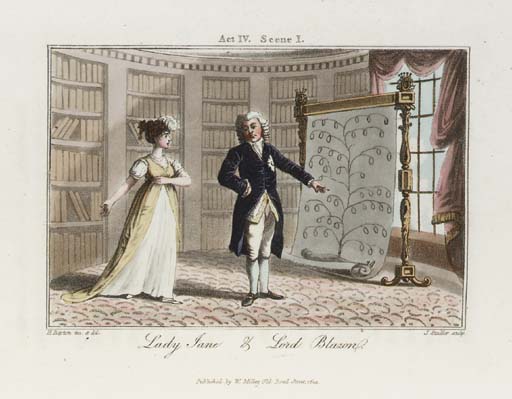
Odd Whims And Miscellanies
 Прочетете повече
Ръчно изработена маслена репродукция
Ръчно рисувана маслена картина върху платно във вашия размер и рамка, изработена по поръчка от нашите художници. ( Купете принт Купете изображение)




































Изберете от предварително зададените размери, които съответстват на оригиналните пропорции на произведението.

Можете да въведете свои собствени размери, за да пасне на конкретна рамка или пространство. Ако избраният от вас размер не съответства на пропорциите на оригиналното изображение, ние ще изрежем произведението или ще удължим картината с допълнителни ръчно рисувани елементи. Дигитален макет ще бъде изпратен за ваше одобрение преди започване на производството.
Моля, обърнете внимание, че прегледът на екрана не отразява действителното изрязване или разширяване. Само макетът ще покаже точно финалния състав.
Въпреки че са налични персонализирани размери, препоръчваме да изберете размер от предварително дефинирания списък, за да запазите оригиналните пропорции.
След поръчка, екипът на ArtsDot.com ще изпрати имейл на клиента за инструкции и ще предостави преглед на макет.
Доставка по целия свят () в рамките на 3/4 седмици вместо стандартните 5 седмици. (13 Август). Без компромис с качеството.

Безплатна експресна доставка по целия свят

Висококачествено ленено платно

Пълно застраховане при доставка

Гаранция за възстановяване на митнически такси

Гаранция за цветова точност

60-Дневен период за връщане (Само при дефекти)

100% Гаранция за връщане на парите

Предложение за отстъпка при поръчка на едро
 Стъклото е налично само в размери под 110 см

Odd Whims And Miscellanies
Репродукционен метод
Размер на репродукцията
-


Обща цена
$ 263
Биография на художника
Humphry Repton: The Architect of Tranquility
Humphry Repton (1752 – 1818) stands as a singular figure in the annals of landscape architecture, recognized for his transformative vision that reshaped British estates and profoundly impacted the aesthetic sensibilities of the Georgian era. Unlike many of his contemporaries who favored grand vistas and theatrical displays, Repton championed a distinctly restrained style—the ‘Reptonian’ – characterized by subtle contours, harmonious planting schemes, and an emphasis on creating contemplative spaces designed to soothe the senses and inspire reflection. He wasn't merely designing gardens; he was crafting experiences rooted in Palladian ideals of proportion and symmetry, subtly blending classical principles with the burgeoning Romantic movement.- Early Life & Education: Born in Bury St Edmunds, Suffolk, Repton’s formative years instilled a deep appreciation for natural beauty and geometric precision. His father, a clergyman, fostered his intellectual curiosity, encouraging him to pursue studies at Eton College and subsequently Christ Church Oxford, where he excelled in mathematics and classical scholarship.
- Emergence as Landscape Designer: Repton’s professional career began modestly, initially focusing on designing ornamental villas before swiftly gaining renown for his ambitious projects. His breakthrough came with the redesign of Stowe School gardens in Buckinghamshire (1790-1806), establishing him as a pioneer of the Reptonian style—a masterful demonstration of how to integrate landscape into architectural grandeur.
The Reptonian Style: Harmony and Proportion
Repton’s distinctive approach to garden design revolved around several key tenets. Firstly, he prioritized gentle curves and undulating ground planes rather than abrupt changes in elevation, mirroring the contours of the surrounding hillsides. Secondly, he meticulously planned planting schemes—often featuring specimen trees strategically positioned to frame vistas—creating a visual rhythm that calmed the eye. Thirdly, Repton skillfully employed perspective tricks and optical illusions to enhance depth and grandeur without resorting to overwhelming scale. This technique was famously applied at Chatsworth House, where he subtly altered the landscape to create an illusion of greater distance and magnificence.- Notable Projects: Beyond Stowe and Chatsworth, Repton undertook commissions for numerous aristocratic estates across England, including Petworth House (West Sussex), Luton Hoo Estate (Essex) and Blenheim Palace (Oxfordshire). His designs consistently prioritized tranquility and elegance, reflecting the tastes of his patrons and establishing him as the dominant voice in landscape architecture during his lifetime.
- Influence & Legacy: Repton’s influence extended far beyond his immediate commissions. He mentored younger architects and designers, disseminating his principles throughout the British landscape movement. His aesthetic vision profoundly shaped the appearance of Georgian Britain, leaving an indelible mark on architectural grandeur and garden design—a legacy that continues to inspire contemporary landscape artists.
Brighton Pavilion: A Symbol of Imperial Vision
Perhaps Repton’s most iconic achievement was his involvement in the construction of Brighton Pavilion (1817), a neoclassical palace commissioned by George IV. Recognizing the importance of integrating architecture with its surroundings, Repton transformed the seafront gardens into a harmonious expanse of lawns and herbaceous borders—a deliberate counterpoint to the formal Italianate designs favored by earlier monarchs. The pavilion’s airy interior and expansive terraces capitalized on natural light and ventilation, creating a space that embodied the ideals of Enlightenment sophistication and imperial grandeur.- Recognition & Critical Acclaim: Repton's meticulous attention to detail and his unwavering commitment to classical principles garnered considerable acclaim during his lifetime. He was elected Fellow of the Royal Society in 1793, cementing his reputation as a scholar and innovator.
Concluding Reflections
Humphry Repton’s contribution to landscape architecture transcends mere decoration; it represents a fundamental shift in how Britons perceived their environment. He championed a philosophy of design rooted in observation, restraint, and an understanding of the interplay between human artistry and natural beauty—a perspective that continues to resonate with artists and designers today. His enduring legacy resides not only in the magnificent gardens he created but also in his profound influence on the aesthetic sensibilities of an era defined by elegance, tranquility, and a harmonious embrace of the sublime.
humphry repton
1752 - 1818 , United Kingdom
Бързи факти
- Artistic Movement Or Style: Reptonian Style
- Artists Or Movements Influenced By This Artist: Palladian Influence
- Artists Who Influenced This Artist: Capability Brown
- Date Of Birth: April 21, 1752
- Date Of Death: March 24, 1818
- Full Name: Humphry Repton
- Nationality: British
- Notable Artworks: ['View from the cottage of Humphry Repton']
- Place Of Birth: Bury St Edmunds, UK

