

- 125.0 x 166.0 cm


Картината следва вашите избори: , .
Описание на колекционерския предмет
A tender German Renaissance scene of the Nativity by Hans Baldung featuring Mary, Joseph, and animals amidst a rustic setting, offering a profound spiritual connection for your collection.
 Прочети повече
Биография на художника
Ханс Балдунг Грьин (1485-1545) е немски художник и график, известен с експресивните си портрети, алегории и мрачни изображения на вещици и митология. Уникален стил и влияние върху следващото поколение художници.
Ръчно изработена маслена репродукция
Ръчно рисувана маслена картина върху платно във вашия размер и рамка, изработена по поръчка от нашите художници. ( Превключване към принт Превключване към дигитално изображение)
Още информация за тази картина
 Преглед в реален мащаб
 Изпрати
 Сподели
 Детайли
 Ръководство

 Изтегляне
 Подобни артикули
 Рентгенова снимка
 Слайдшоу
 Въпроси и отговори
 Статистика
Поръчайте вашата картина в четири лесни стъпки
Не бързайте. Можете да промените всеки от отговорите; цената в количката ви се актуализира според всеки избор.
1 Стъпка първа от четири
Какъв размер бихте искали?
Тези размери запазват пропорциите на оригиналната картина. Илюстрацията показва избрания от Вас размер върху стена, над двуметрова софа.
Или въведете свои собствени размери
Изберете от нашите предварително зададени размери, които съответстват на оригиналните пропорции на произведението.

Въведете необходимата ширина и височина, за да паснат на вашата рамка или стена. Тъй като това е ръчна работа, при избор на размер с различен формат художникът може да нарисува малко повече около картината или да отреже малко от периферията — вие избирате. Преди да започне рисуването, ще ви изпратим дигитален мок업 за одобрение. Картината, показана на тази страница, не е реалният резултат — само мок업ът го показва.
2 Стъпка две от четири
Как трябва да бъде подготвено: на руло, на платно или в рамка?
Цените по-долу са за избрания от Вас размер от първа стъпка.
Изберете страните на разпънатото платно
Изберете своята рамка

Бяло €1

Размити краища €1

Разширен €1

P118B €10

P118H €10

P118W €10

P438Z €10

P508JH €12

P508YH €12

P805H €10

P805Z €10

P919BZ €10

P919G €10

P919XJ €10

P959ZH €10

P968JZ €12

W106C €8

W218G €10

W218JH €8

W218Y €10

W307PJ €10

W316G €10

W316PJ €8

W316Y €10

W398PJ €8

W4111J €10

W500HY €15

W500JH €15

W692G €12

W849H €8

W940BG €15

W953PJ €8

H24-GOLD €30

H24-SILVER €30

H36-GOLD €45

H36-SILVER €45
С рамка
Рамка: . Общ размер с рамката: .
3 Стъпка три от четири
Желаете ли да промените нещо в картината?
Повечето хора отговарят с „не“. Тъй като всяка картина е изработена на ръка, нашият художник може също така да я адаптира специално за Вас.
След получаване на поръчката, екипът на ArtsDot.com ще изпрати имейл до клиента с инструкции и ще предостави примерен макет
4 Четвърта от четирите стъпки
Няколко варианта за завършен вид
Всички те са по избор. Вече избраните отговори не включват допълнителни разходи.
Кой го рисува?
Доставка по целия свят () в рамките на 3-4 седмици вместо стандартните 5 седмици. (10 Ноември). Без компромис с качеството.
Табелка, точно като в музея?
Детайли за гравираната бронзова плака
This elegant plaque features the artist's name and the title of the artwork, finely engraved for a timeless presentation.
It is made from bronze with a refined, elegant finish. The text is precisely laser-engraved for a sharp and permanent result. Measuring 9x2 cm, the plaque is compact yet easy to read. It's built to be durable and scratch-resistant, offering a professional, museum-quality look. Mounting is simple thanks to the included adhesive backing.
Детайли за прозрачната акрилна плака
The plaque includes essential engraved details such as the artist's name, the title of the artwork, the date it was created, the type of media used-like oil on canvas or watercolor-a brief description of the piece, and a QR code that links to the complete artwork information.
It is crafted from clear acrylic, offering a sleek, modern appearance. The text is UV-engraved in black to ensure strong visual contrast. With a size of 10x15 cm, it ensures optimal readability. It comes equipped with two metal hooks for secure wall mounting. The plaque is designed to be weather-resistant, making it suitable for various environments, and it includes interactive features that work seamlessly with smartphone scanning.
Детайли за черната акрилна плака
This elegant plaque includes engraved information such as the artist's name, the title of the artwork, the date it was created, the type of media used (like oil on canvas or watercolor), a short description of the artwork, and a QR code for quick access to more information.
The plaque itself is made from refined black acrylic with a premium finish. The text is laser-engraved in white for high contrast and readability. Its size is 10x15 cm, designed to be easy to read. It comes with two metal hooks for professional mounting. The design is sleek and fits any interior style. It is also weather-resistant and durable, with built-in digital integration for mobile compatibility.
Защитен лак?
Кога ви е необходимо?
✓ Проверете и поръчайте
Вашата картина, точно както я поръчахте

Nativity
Вид репродукция
Размер на репродукцията
-

Елитен старши художник
Повече детайлност, изящество и допълнително време за производство
-

Рамка за репродукция
-
-
За произведения на изкуството или репродукции, чийто размер е над 105 см (приблизително 41 инча) във всяка страна, рамката ще бъде изпратена в разглобен вид като комплект за сглобяване. Този метод гарантира безопасна доставка и предотвратява повреди по време на транспортиране.
Изисква се професионално сглобяване – това не е продукт за самостоятелна изработка (DIY).
Комплектът трябва да бъде сглобен, а платното – опънато от опитен професионален багер, като се използва дървено лепило (не е включено в комплекта), клещи за опъване на платно и затягащи скоби, за да се поддържа правотата на подрамника, докато лепилото изсъхне. Неправилното сглобяване или неравномерното опъване на платното може трайно да повреди произведението и не е покрито от нашата гаранция.
 За произведения на изкуството или репродукции, чийто размер е над 105 см (приблизително 41 инча) във всяка страна, рамката ще бъде изпратена в разглобен вид като комплект за сглобяване. Този метод гарантира безопасна доставка и предотвратява повреди по време на транспортиране.
Всички елементи от масивна дървесина са включени, прецизно изрязани по размер.
Сглобява се с предоставените винтове, както и с лепило за дърво за ъгловите връзки, което не е включено в комплекта и трябва да бъде осигурено от вашия рамкар.
Изискват се професионални инструменти, които не са включени: щипка за опъване на платно (натягач) и скоби за фиксиране на подрамниците под прав ъгъл, докато лепилото изсъхне.
Важно:
За сглобяването на ъглите е необходимо лепило за дърво, рейките трябва да се фиксират с

Етикет с име
-
-

Защитен лак
Гланцов лак (подсилва цветовете и предпазва от светлина и влага)
-

Персонализирай моето произведение
Примери за възможности за персонализация: Заменете лицето със снимка на клиента; Добавете домашен любимец (например, заменете котка с куче); Включете скрито съобщение във фона; Променете пейзажа или елементите на фона.
-

Спешно
Доставка по целия свят () в рамките на 3-4 седмици вместо стандартните 5 седмици. (10 Ноември). Без компромис с качеството.
-
Експресна доставка
Доставка по целия свят () в рамките на 5 седмици. (17 Ноември).
Включена
Обща цена
€ 235
Опцията със стъкло е налична само за размери под 110 см
Включено във всяка поръчка
- Безплатна експресна доставка по целия свят
- Висококачествено ленено платно
- Пълно застраховане на доставката
- Гаранция за възстановяване на митнически такси
- Гаранция за пълно съответствие на цветовете
- Политика за връщане в рамките на 100 дни (само при дефекти)
- 100% Гаранция за връщане на сумата
- Оферта за отстъпка при поръчка на повече бройки


A Divine Encounter in the German Renaissance
In the quiet, evocative depths of Hans Baldung’s Nativity, painted around 1510, we are invited into a moment of profound stillness and sacred intimacy. This masterpiece serves as a window into the soul of the German Renaissance, capturing the tender arrival of Christ with a level of detail that transcends mere religious iconography. The composition centers on the Virgin Mary, whose gentle strength is palpable as she cradles the infant Jesus. Beside her stands Joseph, a silent guardian in this holy tableau. The scene is not merely a depiction of a biblical event but an immersive atmosphere where the divine intersects with the earthly, rendered through Baldung’s masterful command of light and form.
The artist, often known as Hans Baldung Grien, brings a unique, almost enigmatic energy to this sacred subject. While many of his contemporaries focused on rigid, formal compositions, Baldung infuses this work with a sense of living, breathing reality. The presence of the surrounding figures—witnesses to the miracle—alongside a menagerie of animals creates a tapestry of life that feels both humble and monumental. A cow rests on the periphery, a horse stands near the center, and a small sheep huddles in the corner, each element contributing to a sense of cosmic harmony. Even the birds, one soaring above and another perched quietly, suggest that all of creation is in attendance at this celestial birth.
Symbolism and the Texture of Devotion
Every brushstroke in this work serves a narrative purpose, weaving together symbols of peace, humility, and the cycle of life. The brick wall in the background provides a grounded, architectural stability to the scene, contrasting with the ethereal nature of the holy family. This juxtaposition of the permanent, man-made structure against the fleeting, miraculous moment of birth invites the viewer to contemplate the eternal within the temporal. The inclusion of various animals is not merely decorative; it represents the universality of the Nativity, suggesting that the message of Christ extends to every living creature on earth.
For the discerning collector or interior designer, this painting offers more than just visual beauty; it provides a profound emotional anchor. The technique employed by Baldung—likely utilizing the rich, layered possibilities of oil on wood—allows for a subtle play of shadows and highlights that gives the figures a sculptural presence. This depth creates an incredible sense of movement within a static scene, making the artwork feel as though it is breathing alongside the viewer. It is a piece that demands contemplation, offering a sanctuary of peace in any curated space.
A Timeless Addition to the Sophisticated Collection
Owning a high-quality reproduction of this Nativity means bringing a piece of German art history into the modern home. The painting’s palette and composition are remarkably versatile, capable of anchoring a traditional gallery wall or serving as a soulful focal point in a contemporary, minimalist setting. Its ability to evoke feelings of warmth, reverence, and quietude makes it an ideal choice for those looking to infuse their environment with a sense of historical weight and spiritual grace.
As we look back at the legacy of Hans Baldung, we see an artist who could navigate the complexities of the Reformation era while maintaining a deep connection to the emotive power of religious art. This Nativity stands as a testament to his ability to blend the scholarly precision of his lineage with a raw, expressive passion. To display this work is to celebrate the enduring power of the human spirit and the timeless beauty of the Renaissance masters.
Въпроси и отговори
Къде мога да купя дигитален образ на „Nativity“ на Ханс Балдунг Грийн?
„Nativity“ е достъпна като дигитално изтегляне на изображение с висока резолюция, която може да бъде закупена директно от страницата ѝ Дигитален образ.
Какъв формат на печат и ориентация се препоръчват за „Nativity“ на Ханс Балдунг Грийн?
За „Nativity“ препоръчителният формат за печат е размер Large и ориентация Portrait.
Има ли слайдшоу за „Nativity“ на Ханс Балдунг Грийн?
„Nativity“ на Ханс Балдунг Грийн може да бъде разгледано като слайдшоу на страницата Слайдшоу на произведението.
Подобни произведения


Ханс Балдунг Грийн
1485 - 1545, Германия
Биография на художника
A Swabian Enigma: The Life and Early Influences of Hans Baldung Grien
Hans Baldung Grien, a name synonymous with both brilliance and unsettling beauty, emerged from the heart of Bavaria in 1485. Born in Schwäbisch Gmünd, a small imperial city nestled amidst rolling hills, his early life was far removed from the grand artistic circles of Florence or Venice. Unlike many artists of his time who traced their lineage through university studies, Baldung’s family—jurists and legal advisors to the Bishopric of Strasbourg—valued practical skills over academic pursuits. This unexpected divergence shaped his destiny, leading him down a path that would ultimately establish him as one of the most distinctive and enigmatic figures of the German Renaissance. His father, Johann Baldung, envisioned a similar future for his son, but young Hans chose the brush and burin, embarking on an artistic journey fueled by an innate curiosity—a characteristic that profoundly influenced his entire oeuvre. His initial training commenced around 1500 in the Upper Rhineland with an artist from Strasbourg, providing him with a foundational understanding of draftsmanship and composition. This early period instilled within him a meticulous attention to detail and a keen eye for spatial relationships, preparing him for the demanding environment he would encounter when he sought out more prominent masters in Nuremberg. It was here, under the tutelage of Albrecht Dürer, that Baldung’s artistic development truly took flight.Under Dürer’s Wing and Forging an Individual Style
The pivotal moment in Baldung's career arrived in 1503 when he became a workshop apprentice to Albrecht Dürer in Nuremberg. This period proved profoundly formative, exposing him to the meticulous detail, intellectual rigor, and innovative printmaking techniques that defined Dürer’s style. The two artists developed a close and complex relationship; Baldung even managed Dürer's workshop during his master’s extended sojourn to Venice. While deeply influenced by Dürer—evident in early works showcasing precise draftsmanship and Northern realism—Baldung quickly began to forge his own distinct artistic identity. He absorbed the lessons of the Renaissance masters, particularly Dürer’s mastery of perspective and engraving, but infused them with a uniquely German sensibility – one characterized by expressive color, imaginative compositions, and an increasingly unsettling psychological depth. This divergence from Dürer's more classical approach would become a hallmark of Baldung's mature style. He wasn’t simply imitating his master; he was transforming Dürer’s techniques into something altogether new and profoundly personal. His time in Venice, overseeing Dürer’s affairs, also exposed him to the burgeoning Italian Renaissance art scene, broadening his artistic horizons and subtly influencing his palette and compositional choices. The vibrant colors and dynamic compositions of Venetian painting left an indelible mark on his work, contributing to its distinctive character.A Master of Many Mediums: Themes and Techniques
Hans Baldung Grien was a remarkably versatile artist, proficient in a wide range of mediums – painting, printmaking (particularly woodcuts and engravings), drawing, tapestry design, and even stained glass work. His paintings often feature small-scale works brimming with puzzling allegories and mythological narratives, rendered with a vibrant palette and a distinctive sense of spatial ambiguity. He excelled at portraiture, capturing the likenesses of his patrons with both realism and psychological insight. However, it is perhaps for his woodcuts that Baldung is most widely recognized today. These prints are characterized by their dramatic compositions, intricate detail, and often macabre subject matter. A recurring theme throughout his work is a fascination with witchcraft, death, and the supernatural – a reflection of the anxieties and beliefs prevalent in 16th-century Germany. His depictions of witches are particularly striking, portraying them not as stereotypical hags but as complex, even alluring figures, embodying both fear and fascination. *The Bewitched Groom*, for example, is a chillingly evocative work that encapsulates this preoccupation with the darker side of human experience. Baldung’s technique in woodcut was masterful; he exploited the medium's capacity for stark contrasts and intricate detail to create images that were both visually arresting and psychologically unsettling. He also demonstrated an exceptional ability to blend different artistic styles, seamlessly merging elements of Northern realism with Italian Mannerism – a stylistic trend characterized by elongated figures, distorted perspective, and heightened emotional expression. This masterful synthesis cemented his position as a truly original artist.Reformation Currents and Lasting Legacy
Baldung’s career unfolded during a period of immense religious and political upheaval, marked by the rise of the Protestant Reformation. While not overtly aligned with any particular faction, his work often reflects the changing spiritual landscape of Germany. His monumental high altar for the city of Münster, completed in 1531, is a testament to this engagement, showcasing support for the reformation movement through its iconography and stylistic choices. The altarpiece’s complex symbolism and dramatic imagery resonated with the anxieties and aspirations of a society grappling with religious change. In 1545, Baldung died in Strasbourg, leaving behind a body of work that continues to captivate and intrigue viewers today. His influence can be seen in the works of later German artists, and his unique blend of Renaissance technique, Northern expressionism, and allegorical complexity secures his place as a significant figure in art history. He remains an artist whose work invites contemplation, challenging us to confront the darker aspects of human nature and the mysteries of the unseen world. His exploration of themes like witchcraft and mortality continues to resonate with contemporary audiences, making him a timeless and compelling figure in the pantheon of Renaissance masters.Museums and Collections
Baldung’s works can be found in prominent museums across Europe and North America:- Gemäldegalerie Alte Meister, Dresden, Germany: This renowned museum houses a significant collection of European paintings from the 15th to the 18th centuries, providing valuable context for understanding Baldung’s artistic milieu.
- National Gallery of Art, Washington D.C.: The NGA holds several important woodcuts and drawings by Baldung, offering insights into his printmaking techniques and artistic process.
- The J. Paul Getty Museum, Los Angeles: Features works that showcase the breadth of Baldung’s talent.
- Kunstmuseum Basel, Switzerland: A museum with a rich collection spanning various periods, offering a broader understanding of Renaissance art in Europe.

Свързани статии

Топ 10 шедьовъра на Германския Експресионизъм – Изкуство за Вашия Дом от ArtsDot
Разгледайте топ 10 шедьовъра на Германския Експресионизъм – Munch, Kirchner, Kandinsky и други. Открийте историите зад картините, техниките и емоциите им. Музейно качество репродукции за Вашия дом от ArtsDot.com! Разгледайте пълната колекция онлайн.
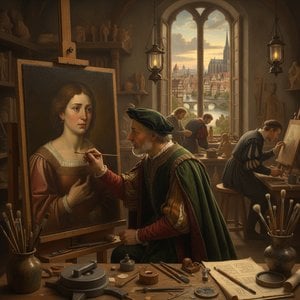
The Northern Awakening: Artistic Innovation & Cultural Transformation in the German Renaissance
Explore the artistic innovation of the German Renaissance! Discover Dürer, the Danube School & Reformation art. Learn about techniques, materials & lasting influence. Find museum-quality reproductions at ArtsDot.

Hans Baldung Grien: A Renaissance Master of Allegory, Innovation & the Grotesque
Explore the captivating world of Hans Baldung Grien, a Renaissance master renowned for his allegorical paintings, striking woodcuts & unique depictions of mythology and the grotesque. Discover his life, works & legacy with ArtsDot.