


 Представи си го
 Изпрати
 Сподели
 Детайли

 Изтегляне
 Подобни
 Рентгенова снимка
 Слайдшоу
The Wave


 Прочетете повече
Жикле / Художествен принт
Giclée печат или принт върху платно с музейно качество, бързо производство и гъвкави опции за завършен вид. ( Купете ръчно рисувана картина Купете изображение)




P118B $10

P118H $10

P118W $10

P438Z $10

P508JH $12

P508YH $12

P805H $10

P805Z $10

P919BZ $10

P919G $10

P919XJ $10

P959ZH $10

P968JZ $12

W106C $8

W218G $10

W218JH $8

W218Y $10

W307PJ $10

W316G $10

W316PJ $8

W316Y $10

W398PJ $8

W4111J $10

W500HY $15

W500JH $15

W692G $12

W849H $8

W940BG $15

W953PJ $8




Изберете от предварително зададените размери, които съответстват на оригиналните пропорции на произведението.

Можете да въведете собствени размери, за да паснат на конкретна рамка или пространство. Ако избраният от Вас размер не съвпада с пропорциите на оригиналното изображение, ние ще изрежем произведението или ще разширим изображението с огледален или едноцветен ръб. Дигитален макет ще бъде изпратен за Ваше одобрение преди започването на производството.
Моля, имайте предвид, че предпрегледът на екрана не отразява реалното изрязване или разширяване. Само макетът ще покаже точно финалната композиция.
Въпреки че са налични персонализирани размери, препоръчваме да изберете размер от предварително дефинирания списък, за да запазите оригиналните пропорции.
Доставка по целия свят () в рамките на 2 седмици вместо стандартните 4/5 седмици. (16 Август)

Безплатна експресна доставка по целия свят

Висококачествено ленено платно

Пълно застраховане при доставка

Гаранция за възстановяване на митнически такси

Гаранция за цветова точност

60-Дневен период за връщане (Само при дефекти)

100% Гаранция за връщане на парите

Предложение за отстъпка при поръчка на едро
 Стъклото е налично само в размери под 110 см

The Wave
Жикле / Художествен принт
Размер на репродукцията
-


Обща цена
$ 62
Описание на колекционерския предмет
The Visceral Majesty of the Untamed Sea
In the heart of Gustave Courbet’s The Wave, one does not merely observe a seascape; one experiences a collision of elemental forces. Completed in 1869, this masterpiece captures the precise moment when the ocean’s immense weight meets the unyielding resistance of jagged stone. The water, rendered in deep, brooding shades of indigo and emerald, surges forward with a terrifying beauty that commands immediate attention. There is no attempt to soften the blow or romanticize the spray; instead, Courbet presents an unflinching gaze at the sea's raw, kinetic energy. For the discerning collector, this painting offers more than just a visual subject—it provides a window into the sublime, evoking a profound sense of awe and a visceral respect for the untamable power of the natural world.A Manifesto of Realism and Texture
Beyond its dramatic subject, The Wave serves as a bold declaration of artistic independence. During an era when the Parisian art establishment favored polished, idealized landscapes, Courbet chose a path of radical honesty. His technique is far from the smooth, invisible brushwork of the Academy; rather, it is characterized by a thick, expressive application of paint that mirrors the very turbulence he depicts. By utilizing a palette dominated by dark, saturated tones and heavy textures, he captures the salt-sprayed atmosphere and the churning foam with remarkable tactile depth. This commitment to Realism—the refusal to embellish or sentimentalize—allows the viewer to feel the weight of the tide. It is this very authenticity that makes a high-quality reproduction a transformative element in any interior, bringing a sense of grounded, historical gravity to a modern space.The Eternal Dance of Resilience and Change
The symbolism embedded within this tempestuous scene resonates far beyond the shoreline. The crashing wave acts as a potent metaphor for the relentless flux of life and the overwhelming forces of nature that dwarf human endeavor. Yet, amidst the chaos of the surging tide, the dark, anchored rocks provide a striking counterpoint of permanence and resilience. This tension between the ephemeral and the enduring creates a narrative depth that continues to captivate art lovers and designers alike. To hang such a work is to invite a conversation about strength, endurance, and the beautiful chaos of existence into one's home. It is a piece that does not merely decorate a wall; it anchors a room with its historical significance and its enduring emotional resonance.


Биография на художника
Пулса на бунтаря: Животът и наследството на Густав Курбе
Роден в тихото френско село Орнан през 1819 г., Жан Дезир Густав Курбе се появява като непокорна сила срещу установените художествени норми на своето време. Неговата история не е просто разказ за боя и платно; това е повествование, преплетено с нишки от социален коментар, политически убеждения и непоколебима отдаденост на изобразяването на света точно така, както го вижда – без идеализация, суров и дълбоко реален. Израствайки в сравнително заможно буржоазно семейство, Курбе получава подкрепа от майка си да следва своите художествелен наклонности – грижа, която в крайна сметка ще подхрани революция в света на изкуството. Неговото формално обучение започва в Екол де Боз Ар в Париж през 1839 г., но той бързо започва да се бори с академичните конвенции и преобладаващия там романтичен идеализъм. Въпреки че признава влияния като тези на Ожен Делакроа и Теодор Жерико, Курбе проправя свой собствен път – такъв, който поставя наблюдението пред въображението и истината пред традицията.Раждането на реализма: Предизвикателство към художествените конвенции
Художественото развитие на Курбе е белязано от умишленото отхвърляне на преобладаващите естетически стандарти. Той не се интересува от митологични разкази или героични алегории; неговият поглед е прикован към ежедневието на обикновените хора, особено тези, заети с труд и селски живот. Тази ангажираност с изобразяването на света без украса – това, което по-къто ще стане известно като Реализъм – първоначално се среща с пренебрежение и подигравка от страна на критиците, свикнали с по-изгладени и идеализирани репрезентации. Ранните му творби изследват пейзажи и портрети, но скоро се преместват към сцени от живота на работническия клас, представени в монументален мащаб, традиционно запазен за исторически или религиозни картини. Този съзнателен избор не е бил само стилистичен; той е било заявяване за вроденото достойнство и важност на тези често пренебрегвани субекти. Копачите на камъни, завършена през 1849 г., но трагично унищожена по време на Втората световна война, е пример за този подход – сурово изображение на двама работници, изтощени от тежкия труд. Тази картина, заедно с други като Погребение в Орнан (1850), предизвика самата дефиниция за това какво представлява „достойна“ тема за високото изкуство.Големи творби и художествена философия
Погребение в Орнан, колосално платно, изобразяващо провинциално погребение, предизвиква бунт, когато е експонирана през 1850-51 г. Неговият огромен размер – обикновено запазен за грандиозни исторически картини – в съчетание с неговия непоколебим реализъм и липса на емоционална идеализация, шокира публиката. Курбе не изобразява скръбниците като благородни или прекалено разстроени фигури; той ги представя като обикновени хора, чиито лица са белязани от смесица от тъга, скука и смирение. Тази честност е революционна. Неговата художествена философия се простира отщо много отвъд самата тема и обхваща техниката. Той предпочита директен стил „импасто“ – нанасяне на дебел слой боя върху платното – който подчертава материалността на самото средство. Ателието на художника (1855), алегорична творба, отразяваща неговите художествени вярвания и ангажираност със съвременните социални проблеми, допълнително затвърждава репутацията му на провокативен и независим творец. Участието му в „Салона на отхвърлените“ през 1863 г. – изложка на творби, отхвърлени от официалния Салон – затвърждава статута му на бунтовник и защитник на художествената свобода. Дори пейзажи като Глед към гората Фонтенбло (1855) са изпълнени с чувство за реализъм, улавяйки естествената красота на гората, без да я романтизират.Наследство и историческа значимост
Влиянието на Густав Курбе върху следващите художествени движения е неоспоримо. Въпреки че черпи вдъхновение от по-ранни майстори като Караваджо за техния драматичен реализъм и използване на светлина и сянка, неговото въздействие надхвърля простото имитиране. Той повлия на импресионистите и постъмпресионистите, освобождавайки ги от ограниченията на традиционното представяне и насърчавайки ги да изследват нови начини за виждане и изобразяване на света. Неговият акцент върху социалния коментар проправя път за по-късните ангажирани художници, които използват творбите си като платформа за политически активизъм. Курбе не е бил просто художник; той е бил гласен защитник на художествената свобода и политическата промяна, активно участвайки в бурните събития на своето време, включително Парижската комуна през 1871 г. – участие, което води до период на изгнание в Швейцария. Той умира през 1877 г., оставяйки след себе си творческо наследство, което продължава да вдъхновява и провокира публиката и днес.- Пионер на реализма
- Предизвика академичните конвенции
- Оказа влияние върху импресионизма и постъмпресионизма
- Защитник на художествената свобода

Жуст Курбе
1819 - 1877 , Франция
Бързи факти
- Artistic Movement Or Style: Реализъм
- Artists Or Movements Influenced By This Artist:
- Импресионизъм
- Постимпресионизъм
- Artists Who Influenced This Artist:
- Ежен Делакроа
- Теодор Жерико
- Караваджо
- Date Of Birth: Юли 31, 1819 г.
- Date Of Death: Април 29, 1877 г.
- Full Name: Gustave Courbet
- Nationality: Френски
- Notable Artworks:
- Скелети от Етрета след буря
- Погребение в Орланс
- Ателие на художника
- Place Of Birth: Орланс, Франция
Всички статии

Топ 10 шедьовъра в нюансите на синьото: Изкуство за вашия дом от ArtsDot.com
Разгледайте топ 10 шедьовъра в нюансите на синьото – от Моне до Ван Гог! Открийте историите зад картините, техниките и значението им. Купете висококачествени репродукции на ArtsDot.com и превърнете дома си в галерия.

Serene Blue Backgrounds: Discover Soulful Art to Transform Your Space with Timeless Elegance
Transform your home with soulful blue art. From serene Monet impressions to modern textured sculptures, discover curated masterpieces designed to inspire calm. Explore expert art consultations and bespoke hand-painted reproductions to create your personal sanctuary.
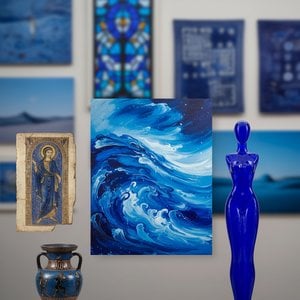
The Allure of Azure: Exploring the Symbolic & Aesthetic Depths of Blue in Art History
Explore the rich history of blue in art! Discover its symbolism, from ancient pigments to modern masterpieces by Kandinsky & Seurat. Uncover the psychological impact and cultural meanings behind this captivating hue.

The Allure of the Horizon: A Comprehensive Exploration of Seascape Art Through History & Emotion
Explore the captivating world of seascape art! Discover its history, key artists & movements – from Dutch Masters to Impressionism. Expert insights for collectors and enthusiasts at ArtsDot.

Топ 25 шедьовъра на Кацушика Хокусай: Изкуство, история и вдъхновение за вашия дом
Разгледайте топ 25 шедьовъра на Кацушика Хокусай – японски гравюри, укийо-е и емблематичната "Голяма вълна". Историята зад изкуството и вдъхновение за вашия дом. Репродукции с музейно качество на ArtsDot.com.



