


 Купи принт
 Изпрати
 Сподели
 Details

 Изтегляне
 Подобни
 X-Ray
X-Ray Слайдшоу
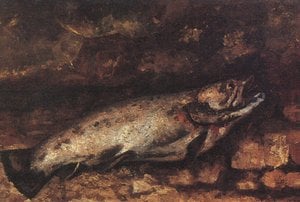
The Trout
 Масло върху платно
- Стенопис
- Realism
 1873
1873- ти век
 65.0 x 98.0 cm
 Музей д’Орсе
Ръчно изработена маслена репродукция
Ръчно рисувана маслена картина върху платно във вашия размер и рамка, изработена по поръчка от нашите художници.




P118B $10

P118H $10

P118W $10

P438Z $10

P508JH $12

P508YH $12

P805H $10

P805Z $10

P919BZ $10

P919G $10

P919XJ $10

P959ZH $10

P968JZ $12

W106C $8

W218G $10

W218JH $8

W218Y $10

W307PJ $10

W316G $10

W316PJ $8

W316Y $10

W398PJ $8

W4111J $10

W500HY $15

W500JH $15

W692G $12

W849H $8

W940BG $15

W953PJ $8




 Прочетете повече
Изберете от предварително зададените размери, които съответстват на оригиналните пропорции на произведението.

Можете да въведете свои собствени размери, за да пасне на конкретна рамка или пространство. Ако избраният от вас размер не съответства на пропорциите на оригиналното изображение, ние ще изрежем произведението или ще удължим картината с допълнителни ръчно рисувани елементи. Дигитален макет ще бъде изпратен за ваше одобрение преди започване на производството.
Моля, обърнете внимание, че прегледът на екрана не отразява действителното изрязване или разширяване. Само макетът ще покаже точно финалния състав.
Въпреки че са налични персонализирани размери, препоръчваме да изберете размер от предварително дефинирания списък, за да запазите оригиналните пропорции.
След поръчка, екипът на ArtsDot.com ще изпрати имейл на клиента за инструкции и ще предостави преглед на макет.
Доставка по целия свят () в рамките на 3/4 седмици вместо стандартните 5 седмици. (1 Юли). Без компромис с качеството.

Безплатна експресна доставка по целия свят

Висококачествено ленено платно

Пълно застраховане при доставка

Гаранция за възстановяване на митнически такси

Гаранция за цветова точност

60-Дневен период за връщане (Само при дефекти)

100% Гаранция за връщане на парите

Предложение за отстъпка при поръчка на едро
 Стъклото е налично само в размери под 110 см

The Trout
Репродукционен метод
Размер на репродукцията
-


Обща цена
-
Описание на произведението
The Trout: A Study in Realism by Gustave Courbet
Gustave Courbet, a pivotal figure in 19th-century French painting and the leader of the Realism movement, created "The Trout" in 1873. This oil on canvas measures 65 x 98 cm and resides within the esteemed Musée d'Orsay in Paris, France. The artwork exemplifies Courbet’s dedication to portraying nature with unflinching accuracy and a focus on everyday subjects.
Realistic Depiction of Nature
“The Trout” presents a strikingly realistic depiction of a large brown trout resting upon a bed of rocks near a body of water. The fish, seemingly caught or deceased, lies still before the viewer, devoid of any attempt at idealization. Courbet’s mastery is evident in his meticulous rendering of the trout's scales, fins, and musculature, creating an incredibly lifelike representation. The scene evokes a sense of quiet observation, inviting contemplation on the beauty and fragility of nature.
Artistic Style: Embracing Realism
Courbet’s artistic style in “The Trout” is firmly rooted in his commitment to Realism. Rejecting the conventions of academic painting and the romanticized visions of earlier movements, Courbet sought to depict the world as he directly observed it. This approach was revolutionary at the time, challenging established norms and paving the way for subsequent artistic developments like Impressionism and Cubism. The painting’s lack of embellishment and its focus on a commonplace subject—a single trout—highlighted his dedication to portraying reality without artifice.
Courbet's Life and Context
Born in Ornans, France, on June 10, 1819, Gustave Courbet’s life was marked by both artistic innovation and social commentary. His work often reflected the realities of working-class life and challenged societal norms. Following his involvement with the Paris Commune in 1871, he faced legal repercussions and ultimately lived in exile in Switzerland until his death in 1877. “The Trout,” created during this period, can be interpreted as a reflection of Courbet’s personal circumstances—a sense of confinement and perhaps even a symbolic representation of himself as being caught or subdued.
Symbolism and Emotional Impact
Beyond its technical brilliance, "The Trout" carries layers of symbolism. The trout itself represents strength, resilience, and the inherent power of nature. Its stillness can be interpreted as a moment of quiet contemplation, inviting viewers to appreciate the beauty in even seemingly ordinary subjects. The muted color palette—dominated by browns, grays, and greens—creates a somber yet realistic atmosphere, evoking a sense of tranquility and introspection. Ultimately, “The Trout” is not merely a depiction of a fish; it’s a powerful statement about the artist's commitment to realism and his profound connection with the natural world.
Подобни произведения



Биография на художника
A Rebel’s Brush: The Life and Legacy of Gustave Courbet
Jean Désiré Gustave Courbet, born in Orléans, France, on June 10, 1819, stands as a monumental figure in the history of art – a defiant iconoclast who irrevocably altered the trajectory of painting during the mid-nineteenth century. More than simply capturing visual impressions; his oeuvre embodies a profound philosophical commitment to portraying reality without embellishment, rejecting Romantic idealism and establishing Realism as a dominant artistic force. His upbringing within a relatively prosperous bourgeois family fostered an early appreciation for artistic pursuits, nurtured by his mother’s encouragement – a formative influence that propelled him toward a revolutionary vision of artistic expression.Early Training and Parisian Influences
Courbet's formal education commenced at the École des Beaux-Arts in Paris in 1839, yet he swiftly recognized the limitations imposed by the academy’s rigid conventions. While acknowledging connections to artists like Eugène Delacroix and Théodore Géricault – figures who championed dramatic emotion and historical narrative – Courbet deliberately distanced himself from their stylistic approach. He prioritized observation over imagination, grounding his art in meticulous detail and rejecting the idealized representations favored by Romantic painters. This rejection wasn’t merely aesthetic; it represented a fundamental disagreement with the prevailing cultural values of his time—a conviction that art should serve as a mirror to society rather than an escape from it.The Birth of Realism: Challenging Artistic Conventions
Courbet's artistic breakthrough arrived in 1849 with the completion of *The Stone Breakers*, a monumental canvas depicting two laborers engaged in arduous physical labor. Initially dismissed by critics as vulgar and lacking artistic merit, this painting nevertheless captured the essence of Realist philosophy—the belief that art should depict everyday life accurately, without resorting to mythological fantasies or sentimental embellishments. The decision to portray these figures on a grand scale – traditionally reserved for historical dramas – was deliberate; it asserted the dignity and importance of working-class individuals as subjects worthy of artistic consideration. This bold stance provoked considerable controversy and solidified Courbet’s reputation as an uncompromising artist committed to challenging societal norms.Notable Works and Artistic Philosophy
Courbet's artistic output extended beyond *The Stone Breakers*, encompassing landscapes, portraits, and genre scenes that reflected his unwavering dedication to realism. His canvases—such as *A Burial at Ornans* (1850), a haunting depiction of a rural funeral—were characterized by their meticulous detail, expressive brushstrokes, and rejection of idealized beauty. He famously declared, “I do not depict what I see; I paint what I feel,” encapsulating his artistic philosophy – a conviction that art should convey emotion authentically rather than merely imitating visual appearances. His technique involved applying paint thickly onto the canvas—an impasto style—creating textured surfaces that emphasized the materiality of the medium itself and conveying a palpable sense of immediacy.Legacy and Historical Significance
Gustave Courbet’s influence on subsequent artistic movements is undeniable. He liberated Impressionists and Post-Impressionists from the constraints of academic tradition, encouraging them to explore new visual languages and perspectives. His unwavering commitment to social realism paved the way for artists who sought to engage with pressing societal issues—artists who recognized the transformative potential of art as a tool for critique and change. Courbet’s legacy persists today – a testament to his courage in confronting artistic conventions and his profound conviction that art should serve as a conduit for truth and empathy. He died on December 31, 1877, leaving behind an unparalleled body of work that continues to inspire artists and scholars alike.
Жуст Курбе
1819 - 1877 , Франция
Бързи факти
- Artistic Movement Or Style: Реализъм
- Artists Or Movements Influenced By This Artist:
- Импресионизъм
- Постимпресионизъм
- Artists Who Influenced This Artist:
- Ежен Делакроа
- Теодор Жерико
- Караваджо
- Date Of Birth: Юли 31, 1819 г.
- Date Of Death: Април 29, 1877 г.
- Full Name: Gustave Courbet
- Nationality: Френски
- Notable Artworks:
- Скелети от Етрета след буря
- Погребение в Орланс
- Ателие на художника
- Place Of Birth: Орланс, Франция
Всички статии

American Realism: Social Commentary & Artistic Representation in Early 20th-Century Painting
Explore the powerful social commentary & artistic representation of American Realism. Discover key artists like Bellows & Sloan, and understand the movement's lasting impact on 20th-century art history.


Vasily Surikov: Historical Epic & Psychological Realism in 19th-Century Russian Painting
Explore the powerful historical paintings of Vasily Surikov, a leading figure of Russian Realism. Discover his dramatic compositions, psychological depth & lasting influence on 19th-century art. Learn about collecting Surikov's masterpieces.

The Poetic Truth of Observation: Exploring 19th-Century Realism in Painting
Explore the captivating world of 19th-century Realism! Discover key artists like Courbet & Millet, masterpieces, and the powerful social commentary behind this influential art movement. Expert insights at ArtsDot.

Gustave Courbet: Realism's Revolutionary Vision & the Social Canvas of 19th-Century France
Explore the revolutionary art of Gustave Courbet, pioneer of Realism. Discover his iconic paintings, social commentary, and lasting impact on 19th-century French art history. Expert analysis & insights.

Evoking Nature's Sublime: A Comprehensive Exploration of 19th-Century Landscape Painting
Explore the captivating world of 19th-century landscape painting! Discover renowned artists like Friedrich & Monet, key movements, and find the perfect artwork to bring nature's serenity into your home. Expert insights at ArtsDot.



