

 Преглед в реален мащаб
 Изпрати
 Сподели
 Детайли
 Ръководство

 Изтегляне
 Подобни артикули
 Рентгенова снимка
 Слайдшоу
 Q&A
Q&A Статистика
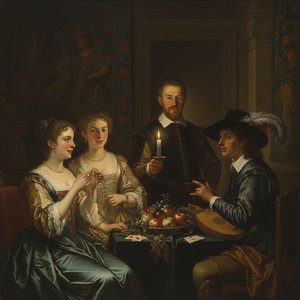
The lute player

 Прочети повече
Жикле / Художествен принт
Giclée печат или принт върху платно с музейно качество, бързо производство и гъвкави опции за завършен вид. ( Купете ръчно рисувана картина Превключване към дигитално изображение)




P118B €10

P118H €10

P118W €10

P438Z €10

P508JH €12

P508YH €12

P805H €10

P805Z €10

P919BZ €10

P919G €10

P919XJ €10

P959ZH €10

P968JZ €12

W106C €8

W218G €10

W218JH €8

W218Y €10

W307PJ €10

W316G €10

W316PJ €8

W316Y €10

W398PJ €8

W4111J €10

W500HY €15

W500JH €15

W692G €12

W849H €8

W940BG €15

W953PJ €8




Изберете от нашите предварително зададени размери, които съответстват на оригиналните пропорции на произведението.

Въведете необходимата ширина и височина, за да паснат на вашата рамка или стена. Принтовете могат само да се изрязват, но никога не могат да бъдат по-големи от оригиналната картина, така че при размер с различен формат част от изображението ще бъде загубена. Преди да започнем печат, ще ви изпратим дигитален мок업 за одобрение. Изображението, показано на тази страница, не показва реалното изрязване — само мок업ът го показва.
Доставка по целия свят () в рамките на 2 седмици вместо стандартните 4/5 седмици. (2 Ноември)

Безплатна експресна доставка по целия свят

Висококачествено ленено платно

Пълно застраховане на доставката

Гаранция за възстановяване на митнически такси

Гаранция за пълно съответствие на цветовете

Политика за връщане в рамките на 100 дни (само при дефекти)

100% Гаранция за връщане на сумата

Оферта за отстъпка при поръчка на повече бройки
 Опцията със стъкло е налична само за размери под 110 см

The lute player
Жикле / Художествен принт
Размер на репродукцията
-


Обща цена
€ 55
A Symphony of Light and Shadow: Gerard van Honthorst's "Lute Player"
Gerard van Honthorst’s “Lute Player,” painted circa 1624, is more than a simple portrait; it’s a carefully constructed tableau brimming with Baroque drama. This captivating scene depicts a young woman, elegantly dressed and poised, lost in the melody of her lute. The painting immediately draws the eye to the central figure – a study in relaxed grace and quiet contemplation – while the surrounding details contribute to an atmosphere of refined leisure and subtle social commentary. Honthorst’s masterful use of light and shadow, a hallmark of the Baroque period, elevates this work beyond mere representation, imbuing it with a palpable sense of movement and emotion.
The Influence of Caravaggio
Honthorst's artistic journey was profoundly shaped by his encounter with the revolutionary techniques of Caravaggio. Like Caravaggio’s celebrated “Lute Player,” this piece employs *tenebrism* – a dramatic contrast between intensely bright highlights and deep, almost impenetrable shadows. This technique isn’t simply about visual effect; it serves to heighten the emotional impact of the scene. The strong light focuses attention on the woman's face and hands, drawing us into her world while the surrounding darkness creates an air of mystery and intrigue. Notice how the folds of her dress are sculpted by the light, adding a tactile quality to the image and reinforcing the sense of realism that was so revolutionary for its time.
A Portrait of Social Grace
Beyond its technical brilliance, “Lute Player” offers a glimpse into the social customs of 17th-century Netherlands. The lute itself was a symbol of refinement and musical education, typically associated with the upper classes. The woman’s attire – rich fabrics and delicate jewelry – further emphasizes her status. The inclusion of the card she holds suggests an invitation to join her in music or conversation, subtly highlighting the importance of social interaction and patronage within this era. The carefully arranged background—the chair, the couch, the clock—adds to the sense of a comfortable, well-appointed domestic space, reflecting the values of wealth and status.
Symbolism and Emotional Resonance
The painting’s enduring appeal lies not only in its technical skill but also in its ability to evoke a range of emotions. The woman's serene expression and focused gaze invite us to share her moment of quiet contemplation. The lute, a symbol of harmony and beauty, suggests a desire for peace and tranquility. Honthorst skillfully captures the essence of human experience – the pursuit of pleasure, the appreciation of art, and the importance of social connection. This reproduction allows you to bring this timeless piece into your own space, experiencing its captivating beauty and profound emotional resonance firsthand.
Въпроси и отговори
Кое пространство съответства на цветовете на „The lute player“ на Герхард ван Хонторст?
Благодарение на своята палитра от Dark, „The lute player“ на Герхард ван Хонторст се препоръчва за Living Room. Цветовете са една от причините за това предложение.
Какво настроение и емоция се преплитат в "The lute player"?
„The lute player“ на Герхард ван Хонторст предава Dramatic усещане в една общо Dramatic атмосфера.
Присъства ли в „The lute player“ типичното за творчеството на Герхард ван Хонторст?
"The lute player" изобразява gerard van honthorst, baroque, portrait, baroque, lute, music, drama, light & shadow, докато утвърдените теми на Герхард ван Хонторст са gerard van honthorst, caravaggio influence, baroque drama, courtly entertainment, social scene, religious themes, festive gatherings, honthorst’s signature light & shadow. Сравнението между двете показва как произведението се свързва с обичайните сюжети на художника.
Подобни произведения


Биография на художника
A Master of Light and Shadow: The Life and Art of Gerard van Honthorst
Gerard van Honthorst emerged from Utrecht in 1592, a pivotal figure poised to illuminate the Dutch Golden Age with his dramatic artistry. Initially guided by his father, a decorative painter, young Gerard’s talent blossomed under the tutelage of Abraham Bloemaert, establishing a solid foundation in draftsmanship and composition. However, it was a transformative journey to Rome that irrevocably altered the course of his artistic development. There, amidst the fervent energy of the Italian Baroque, he encountered the groundbreaking work of Caravaggio – an encounter that would define his signature style and earn him the evocative nickname “Gherardo delle Notti,” or Gerard of the Nights. The dramatic use of *tenebrism*, a technique employing stark contrasts between light and dark, became Honthorst’s hallmark, imbuing his canvases with a palpable sense of drama and emotional intensity. He wasn't merely imitating Caravaggio; he was translating the Italian master’s innovations into a distinctly Dutch sensibility, focusing on intimate scenes illuminated by artificial light sources – candles, lamps, and fires – creating an atmosphere both realistic and deeply theatrical. This mastery over light wasn’t simply technical skill; it was a means of revealing character, of drawing the viewer into the emotional core of each scene.From Roman Acclaim to Dutch Mastery
Honthorst's time in Rome was marked by considerable success and patronage. He found favor amongst the city’s elite, including Vincenzo Giustiniani, for whom he created the powerful “Christ Before the High Priest,” a work that exemplifies his masterful command of light and shadow. This painting, now residing in London’s National Gallery, showcases not only his technical skill but also his ability to convey profound psychological depth within his figures. The scene is charged with tension, the faces illuminated by a single, unseen source, highlighting the vulnerability and fear of Christ before the high priest. He further solidified his reputation by working for Cosimo II de' Medici, Grand Duke of Tuscany, demonstrating an adaptability and versatility that would serve him well throughout his career. Honthorst’s ability to capture not just physical likeness but also the character and social standing of his sitters made him highly sought after by wealthy merchants, nobles, and even royalty. He became president of the Guild of St. Luke in Utrecht in 1623, a testament to his growing influence within the artistic community. This period saw a flourishing of commissions, allowing Honthorst to refine his style and establish a distinctive voice within Dutch painting.The Utrecht Caravaggisti
Honthorst’s time in Rome was not merely a period of stylistic absorption; it fostered a vibrant artistic community known as the *Utrecht Caravaggisti*. Alongside artists like Hendrick ter Brugghen and Dirck van Baburen, Honthorst spearheaded a movement that sought to translate the dramatic intensity and realism of Caravaggio into the context of Dutch painting. These artists shared a common interest in portraying scenes with heightened emotion, often utilizing *tenebrism* – the stark contrast between light and dark – to create a sense of drama and immediacy. The Utrecht group’s work differed subtly from that of their Italian counterparts; they tended to focus on more intimate subjects, such as genre scenes depicting everyday life, and often incorporated elements of Dutch domesticity into their compositions. Honthorst's influence extended beyond his immediate circle, inspiring a generation of artists who sought to emulate his masterful use of light and shadow.A Courtly Artist: Commissions and Collaborations
The reach of Honthorst’s talent extended beyond the Netherlands. His work attracted the attention of Sir Dudley Carleton, who enthusiastically recommended him to prominent English aristocrats like the Earl of Arundel and Lord Dorchester. This led to commissions from Queen Elizabeth of Bohemia, sister of Charles I, who employed him as both a painter and drawing master for her children. These royal connections culminated in significant works such as the allegorical depiction of Charles and Henrietta Maria as Diana and Apollo, now housed at Hampton Court Palace. The painting is a masterful example of Honthorst’s ability to combine classical mythology with contemporary portraiture, creating a visually stunning and emotionally resonant image. He also collaborated with other prominent artists, including Rembrandt van Rijn, sharing ideas and techniques that enriched the artistic landscape of the time. These collaborations weren't simply about sharing workload; they were intellectual exchanges that fostered innovation and broadened artistic horizons.Legacy and the Utrecht Caravaggisti
Gerard van Honthorst’s influence resonated far beyond his lifetime. He was a key figure in the *Utrecht Caravaggisti* movement – a group of Dutch painters who embraced Caravaggio's dramatic realism and *tenebrism*. Alongside artists like Hendrick ter Brugghen and Dirck van Baburen, he helped to establish a distinctly Dutch interpretation of Italian Baroque style. His emphasis on genre scenes illuminated by artificial light, his masterful portraits, and his ability to convey emotional depth through skillful use of chiaroscuro left an indelible mark on the development of Dutch Golden Age painting. Even his brother, Willem van Honthorst, followed in his footsteps, though often with works initially misattributed to Gerard due to stylistic similarities.- Honthorst’s paintings continue to captivate audiences today.
- His dramatic beauty and psychological insight are enduring qualities.
- He cemented his place as a pivotal figure in art history.

Герхард ван Хонторст
1590 - 1656 , Нидерландия
Бърза информация
- Artistic Movement Or Style: Барок, Караваджизъм
- Artists Or Movements Influenced By This Artist: ['Утрехтски караваджисти']
- Artists Who Influenced This Artist: ['Микеланжело да Караваджо']
- Date Of Birth: 1590
- Date Of Death: 1656
- Full Name: Gerard van Honthorst
- Nationality: Нидерландски
- Notable Artworks:
- Христос пред свещеника
- Сватбата на Розарио
- Place Of Birth: Утрехт, Нидерландия
Свързани статии

Топ 10 шедьоври на Барока: История, артисти и великолепие за вашия дом
Разгледайте 10 шедьовъра на Барока от Караваджо, Рембрандт и Рубенс! Открийте историите зад тези емблематични картини и скулптури. Вдъхновете се за вашия интериор с ArtsDot.com – луксозни репродукции и изкуство за дома.

The Visceral Stage: Exploring Dramatic Narratives & Emotional Intensity in Baroque Art
Explore the dramatic world of Baroque art! Discover iconic masters like Caravaggio & Rembrandt, their techniques, and the movement's lasting impact. Expert insights for collectors & enthusiasts at ArtsDot.

The Dramatic Flourish: Exploring the Baroque Movement's Enduring Legacy in Art History
Explore the dramatic world of Baroque art! Discover iconic artists like Caravaggio & Rubens, defining techniques, and its lasting impact on art history. Expert insights for collectors & enthusiasts at ArtsDot.
Gerard van Honthorst: Illuminating the Dutch Golden Age with Caravaggism & Courtly Grace
Explore the captivating world of Gerard van Honthorst, a Dutch Golden Age master renowned for his dramatic chiaroscuro & courtly portraits. Discover his life, art, and lasting influence on Baroque painting.

Рембранд ван Рейн: Топ 25 шедьовъра за вашия дом – галерия от ArtsDot.com
Открийте 25 шедьовъра на Рембранд ван Рейн в галерията на ArtsDot.com! Разгледайте историите зад известните му картини, барокови портрети и библейски сцени. Луксозни репродукции за вашия дом – изкуство с качество от музей. Explore the full collection online!
