


 Преглед в реален мащаб
 Сподели
 Сподели
 Подробности
 Ръководство

 Изтегляне
 Подобни артикули
 Рентгенова снимка
 Слайдшоу
 Статистика
Finished study for


 Разгърни целия текст
Жикле / Художествен принт
Giclée печат или принт върху платно с музейно качество, бързо производство и гъвкави опции за завършен вид. ( Поръчайте ръчно рисувано репродукция на този колекционерски предмет Превключване към дигитално изображение)




P118B €10

P118H €10

P118W €10

P438Z €10

P508JH €12

P508YH €12

P805H €10

P805Z €10

P919BZ €10

P919G €10

P919XJ €10

P959ZH €10

P968JZ €12

W106C €8

W218G €10

W218JH €8

W218Y €10

W307PJ €10

W316G €10

W316PJ €8

W316Y €10

W398PJ €8

W4111J €10

W500HY €15

W500JH €15

W692G €12

W849H €8

W940BG €15

W953PJ €8




Изберете от нашите предварително зададени размери, които съответстват на оригиналните пропорции на произведението.

Въведете необходимата ширина и височина, за да паснат на вашата рамка или стена. Принтовете могат само да се изрязват, но никога не могат да бъдат по-големи от оригиналната картина, така че при размер с различен формат част от изображението ще бъде загубена. Преди да започнем печат, ще ви изпратим дигитален мок업 за одобрение. Изображението, показано на тази страница, не показва реалното изрязване — само мок업ът го показва.
Доставка по целия свят () в рамките на 2 седмици вместо стандартните 4/5 седмици. (24 Октомври)

Безплатна експресна доставка по целия свят

Висококачествено ленено платно

Пълно застраховане на доставката

Гаранция за възстановяване на митнически такси

Гаранция за пълно съответствие на цветовете

Политика за връщане в рамките на 100 дни (само при дефекти)

100% Гаранция за връщане на сумата

Отстъпка при поръчка на повече произведения
 Опцията със стъкло е налична само за размери под 110 см

Finished study for
Жикле / Художествен принт
Размер на репродукцията
-


Крайна цена
€ 54
George Stubbs’ Anatomical Precision: A Window into the Romantic Horse
George Stubbs' “Finished Study for The First Anatomical Table of the Muscles…of the Horse,” created in 1758, is far more than a mere scientific illustration; it’s a profound meditation on life, death, and the sublime beauty of the animal kingdom. This remarkably detailed graphite and charcoal drawing offers an intimate glimpse into the mind of one of history's most visionary artists, revealing not just the mechanics of equine anatomy but also Stubbs’ deep-seated fascination with capturing the essence of movement and emotion within his subjects.
Stubbs’ journey to this level of anatomical understanding was a deliberate one. Initially trained as a currier – a leatherworker – he recognized early on that true artistic representation demanded an intimate knowledge of the forms he sought to depict. He abandoned his family trade and, driven by an almost obsessive curiosity, apprenticed himself to Charles Atkinson, a surgeon at York County Hospital, immersing himself in the study of human anatomy. This foundational experience proved invaluable when he turned his attention to horses, creatures that had long captivated him. Stubbs’ relentless dissection of dozens of equine corpses – a practice considered somewhat morbid at the time – yielded an unparalleled understanding of muscle structure, skeletal alignment, and the subtle nuances of movement. The resulting drawings are not simply accurate representations; they are infused with a palpable sense of vitality.
A Romantic Vision of the Beast
“Finished Study” firmly places Stubbs within the burgeoning Romantic movement, a period characterized by an emphasis on emotion, imagination, and the power of nature. Unlike earlier depictions of horses that often prioritized idealized beauty or heroic narratives, Stubbs’ work focuses on the raw physicality of the animal – its strength, vulnerability, and inherent wildness. The skeletal structure is rendered with meticulous precision, yet it's not presented as a cold, lifeless arrangement. Instead, the lines suggest a dynamic tension, hinting at the potential for movement and action. The drawing anticipates the dramatic, almost theatrical compositions that would later define Romantic painting, particularly in Stubbs’ monumental equine paintings like “Whistlejacket.”
Furthermore, the choice of subject matter itself is significant. Horses were not merely beasts of burden or symbols of power; they represented a connection to the untamed wilderness – a realm of primal instinct and boundless energy. Stubbs' dedication to anatomical accuracy reflects a broader Romantic interest in understanding the natural world through scientific observation, but it’s coupled with an appreciation for the sublime—that feeling of awe and wonder inspired by confronting something vast and powerful.
Technique and Symbolism
The drawing’s power lies not only in its subject matter but also in Stubbs' masterful technique. The use of precise, linear hatching creates a remarkable sense of volume and depth, transforming the skeletal structure into a tangible presence on the page. Subtle variations in line density suggest the contours of muscle tissue beneath the bone, conveying a remarkable level of realism. The grayscale palette – devoid of color – emphasizes form and structure, lending the image an almost sculptural quality.
Beyond its technical merits, “Finished Study” carries symbolic weight. The depiction of death—represented through the skeletal remains—can be interpreted as a meditation on mortality and the cyclical nature of life. Yet, it’s not presented in a morbid light; rather, it serves to highlight the underlying beauty and inherent dignity of the animal form. The drawing ultimately celebrates the enduring power of nature and the artist's ability to capture its essence with both scientific rigor and artistic sensitivity.
A Legacy of Anatomical Mastery
George Stubbs’ “Finished Study for The First Anatomical Table of the Muscles…of the Horse” stands as a testament to his unparalleled skill and profound understanding of the animal world. It is a pivotal work in art history, bridging the gap between scientific observation and artistic expression. Reproductions of this remarkable drawing offer a unique opportunity to appreciate Stubbs’ genius and to contemplate the enduring power of nature—a timeless subject that continues to inspire artists and captivate audiences today.
Въпроси и отговори
Какво настроение изразява „Finished study for“ на Джордж Стабс в рамките на Romanticism?
Reflective емоцията на „Finished study for“ допълва нейния Romanticism стил.
Защо статусът на авторското право върху "Finished study for" е такъв?
Статусът на авторското право върху "Finished study for" - в обществено достояние – авторското му право е изтекло - произтича от смъртта на художника през 1806.
На каква възраст Джордж Стабс създава „Finished study for“?
Когато „Finished study for“ е създадена през 1758, Джордж Стабс – роден/а през 1724 – е бил/а на 34 години.
Свързани произведения


Биография на художника
Early Life and Training
Джордж Стабс, изключително талантлив английски художник, е роден на 25 август 1724 г. в Ливърпул, Англия. Ранният му живот е белязан от малко информация, като по-голяма част от сведенията идват от мемоарите на Озияс Хъмфри, базирани на разговори със самия Стабс през 1794 г. В началото на живота си, той работи като помощник на баща си, който е ковач или кожар. След това се обучава при Хамлет Винстанейл, лан кашски художник и гравьор, което му дава основа за изучаване на колекциите в замъка Носсли Хоул. В ранните си години Стабс проявява голям интерес към анатомията, което го води до преместване в Йорк през 1744 г., където учи при хирург Чарлз Аткинсън в болницата на графството Йорк. Този период е ключов за развитието му като художник, тъй като той започва да изучава човешкото тяло и да го използва в своите творби.Artistic Development and Notable Works
Страстта на Стабс към анатомията го отвежда в Йорк през 1744 г., където учи при хирург Чарлз Аткинсън в болницата на графството Йорк. Един от най-ранните му успехи е създаването на серия илюстрации за учебника на Джон Бъртън по акушерство, публикуван през 1751 г. През 1756 г., Стабс наема къща в Линколиншър и прекарва 18 месеца разчленявайки коне, подпомагайки го съпругата му Мери Спенсър. Това доведе до публикуването на "Анатомията на коня" през 1766 г., с оригинални скици, сега дом на Кралската академия. Творчеството на Стабс бързо привлича вниманието на водещи аристократи, включително третия херцог на Ричмънд, който поръчва три големи картини през 1759 г. Това бележи началото на успешната му кариера, с произведения създадени за няколко херцигови и лордове, кулминацията е покупката на къща в Мерилебоун, Лондон.The Lion and the Horse – A Revolutionary Masterpiece
Най-известното произведение на Стабс, "Лъв, атакуващ кон", е картина, поръчана от втория маркиз на Рокърмил. Картината се отличава с революционния си подход към изобразяването на животни и разказва история за силата и динамиката на дивата природа. Необичайното за картината е използването на плоски, безцветни фонове, което е новост в този период и предизвиква голям интерес сред критиците. "Лъвът, атакуващ кон" е днес дом на Националната галерия в Лондон, а две други картини за Рокърмил са запазени в колекциите на различни благородници.Legacy and Historical Significance
Влиянието на Джордж Стабс върху изкуството е огромно. Той се смята за пионер на романтизма, въвеждайки нова визия за живописта и превръщайки конът в обект на възхищение и изумление. Неговите картини не са просто изображения на животни; те са израз на човешката връзка с природата, на силата и красотата на дивата природа. Стабс остава един от най-влиятелните и ценени художници на 18 век, а неговото творчество продължава да вдъхновява и впечатлява поколения артисти.
Джордж Стабс
1724 - 1806 , Великобритания
Бързи факти
- Artistic Movement Or Style: Романтизъм, Еквина изкуство
- Artists Or Movements Influenced By This Artist: ['Джошуа Рейнзолд']
- Artists Who Influenced This Artist: ['Хамлет Винстанейл']
- Date Of Birth: 25 август 1724
- Date Of Death: 10 юли 1806
- Full Name: George Stubbs
- Nationality: Британски
- Notable Artworks:
- Whistlejacket
- Лъв и кон
- Лъв атакува кон
- Place Of Birth: Ливърпул, Великобритания
Свързани статии

George Stubbs: Anatomical Precision & Romantic Vision in 18th-Century British Art
Explore the captivating world of George Stubbs, the 18th-century master renowned for his anatomical precision & Romantic animal paintings. Discover his legacy and investment potential.

Топ 25 шедьовъра на Жорж Сера: Изкуство, светлина и декоративни решения от ArtsDot
Разгледайте топ 25 шедьовъра на Жорж Сера – пионер на импресионизма и постимпресионизма. Открийте историите зад картините, точковия метод и chromoluminarism. Купете луксозни репродукции на изкуството онлайн в ArtsDot.com.

The Noble Steed on Canvas: A Historical & Artistic Exploration of Horse Painting Across Cultures
Explore the rich history of horse painting! Discover masterpieces from Stubbs to Munnings & learn about symbolism, techniques & artists. Find museum-quality reproductions at ArtsDot.

Жорж Брак: Топ 25 шедьовъра на кубизма за вашия дом | ArtsDot.bg
Разгледайте топ 25 шедьовъра на Жорж Брак – пионер на кубизма! Открийте историите зад неговите иновативни картини, техники и цветове. Купете висококачествени репродукции за вашия дом в ArtsDot.com.
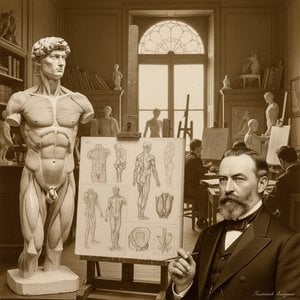
Frederick Bridgman: Anatomical Mastery & the Evolution of Figure Drawing Instruction
Explore the anatomical mastery of George B. Bridgman & his revolutionary figure drawing techniques. Discover how his methods transformed art instruction and continue to inspire artists today. Learn more at ArtsDot.


