

- 34.0 x 47.0 cm


Картината следва вашите избори: , .
Описание на колекционерския предмет
Admire Ferdinand Hodler’s ‘Study for Banknote.’ A striking black & white pen drawing of a muscular figure in a serene landscape. Explore its gestural style and timeless appeal.
 Прочети повече
Биография на художника
Фердинанд Ходлер е швейцарски символist, известен с пейзажите и уникалния си стил „паралелизъм“. Разгледайте ръчно рисуваните репродукции на неговите шедьоври в ArtsDot!
Ръчно изработена маслена репродукция
Ръчно рисувана маслена картина върху платно във вашия размер и рамка, изработена по поръчка от нашите художници. ( Превключване към принт Превключване към дигитално изображение)
Още информация за тази картина
 Преглед в реален мащаб
 Изпрати
 Сподели
 Детайли
 Ръководство

 Изтегляне
 Подобни артикули
 Рентгенова снимка
 Слайдшоу
 Въпроси и отговори
 Статистика
Поръчайте вашата картина в четири лесни стъпки
Не бързайте. Можете да промените всеки от отговорите; цената в количката ви се актуализира според всеки избор.
1 Стъпка първа от четири
Какъв размер бихте искали?
Тези размери запазват пропорциите на оригиналната картина. Илюстрацията показва избрания от Вас размер върху стена, над двуметрова софа.
Или въведете свои собствени размери
Изберете от нашите предварително зададени размери, които съответстват на оригиналните пропорции на произведението.

Въведете необходимата ширина и височина, за да паснат на вашата рамка или стена. Тъй като това е ръчна работа, при избор на размер с различен формат художникът може да нарисува малко повече около картината или да отреже малко от периферията — вие избирате. Преди да започне рисуването, ще ви изпратим дигитален мок업 за одобрение. Картината, показана на тази страница, не е реалният резултат — само мок업ът го показва.
2 Стъпка две от четири
Как трябва да бъде подготвено: на руло, на платно или в рамка?
Цените по-долу са за избрания от Вас размер от първа стъпка.
Изберете страните на разпънатото платно
Изберете своята рамка

Бяло €1

Размити краища €1

Разширен €1

P118B €10

P118H €10

P118W €10

P438Z €10

P508JH €12

P508YH €12

P805H €10

P805Z €10

P919BZ €10

P919G €10

P919XJ €10

P959ZH €10

P968JZ €12

W106C €8

W218G €10

W218JH €8

W218Y €10

W307PJ €10

W316G €10

W316PJ €8

W316Y €10

W398PJ €8

W4111J €10

W500HY €15

W500JH €15

W692G €12

W849H €8

W940BG €15

W953PJ €8

H24-GOLD €30

H24-SILVER €30

H36-GOLD €45

H36-SILVER €45
С рамка
Рамка: . Общ размер с рамката: .
3 Стъпка три от четири
Желаете ли да промените нещо в картината?
Повечето хора отговарят с „не“. Тъй като всяка картина е изработена на ръка, нашият художник може също така да я адаптира специално за Вас.
След получаване на поръчката, екипът на ArtsDot.com ще изпрати имейл до клиента с инструкции и ще предостави примерен макет
4 Четвърта от четирите стъпки
Няколко варианта за завършен вид
Всички те са по избор. Вече избраните отговори не включват допълнителни разходи.
Кой го рисува?
Доставка по целия свят () в рамките на 3-4 седмици вместо стандартните 5 седмици. (9 Ноември). Без компромис с качеството.
Табелка, точно като в музея?
Детайли за гравираната бронзова плака
This elegant plaque features the artist's name and the title of the artwork, finely engraved for a timeless presentation.
It is made from bronze with a refined, elegant finish. The text is precisely laser-engraved for a sharp and permanent result. Measuring 9x2 cm, the plaque is compact yet easy to read. It's built to be durable and scratch-resistant, offering a professional, museum-quality look. Mounting is simple thanks to the included adhesive backing.
Детайли за прозрачната акрилна плака
The plaque includes essential engraved details such as the artist's name, the title of the artwork, the date it was created, the type of media used-like oil on canvas or watercolor-a brief description of the piece, and a QR code that links to the complete artwork information.
It is crafted from clear acrylic, offering a sleek, modern appearance. The text is UV-engraved in black to ensure strong visual contrast. With a size of 10x15 cm, it ensures optimal readability. It comes equipped with two metal hooks for secure wall mounting. The plaque is designed to be weather-resistant, making it suitable for various environments, and it includes interactive features that work seamlessly with smartphone scanning.
Детайли за черната акрилна плака
This elegant plaque includes engraved information such as the artist's name, the title of the artwork, the date it was created, the type of media used (like oil on canvas or watercolor), a short description of the artwork, and a QR code for quick access to more information.
The plaque itself is made from refined black acrylic with a premium finish. The text is laser-engraved in white for high contrast and readability. Its size is 10x15 cm, designed to be easy to read. It comes with two metal hooks for professional mounting. The design is sleek and fits any interior style. It is also weather-resistant and durable, with built-in digital integration for mobile compatibility.
Защитен лак?
Кога ви е необходимо?
✓ Проверете и поръчайте
Вашата картина, точно както я поръчахте

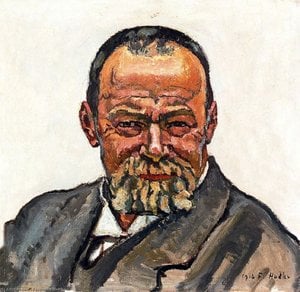
Study for banknote
Вид репродукция
Размер на репродукцията
-

Елитен старши художник
Повече детайлност, изящество и допълнително време за производство
-

Рамка за репродукция
-
-
За произведения на изкуството или репродукции, чийто размер е над 105 см (приблизително 41 инча) във всяка страна, рамката ще бъде изпратена в разглобен вид като комплект за сглобяване. Този метод гарантира безопасна доставка и предотвратява повреди по време на транспортиране.
Изисква се професионално сглобяване – това не е продукт за самостоятелна изработка (DIY).
Комплектът трябва да бъде сглобен, а платното – опънато от опитен професионален багер, като се използва дървено лепило (не е включено в комплекта), клещи за опъване на платно и затягащи скоби, за да се поддържа правотата на подрамника, докато лепилото изсъхне. Неправилното сглобяване или неравномерното опъване на платното може трайно да повреди произведението и не е покрито от нашата гаранция.
 За произведения на изкуството или репродукции, чийто размер е над 105 см (приблизително 41 инча) във всяка страна, рамката ще бъде изпратена в разглобен вид като комплект за сглобяване. Този метод гарантира безопасна доставка и предотвратява повреди по време на транспортиране.
Всички елементи от масивна дървесина са включени, прецизно изрязани по размер.
Сглобява се с предоставените винтове, както и с лепило за дърво за ъгловите връзки, което не е включено в комплекта и трябва да бъде осигурено от вашия рамкар.
Изискват се професионални инструменти, които не са включени: щипка за опъване на платно (натягач) и скоби за фиксиране на подрамниците под прав ъгъл, докато лепилото изсъхне.
Важно:
За сглобяването на ъглите е необходимо лепило за дърво, рейките трябва да се фиксират с

Етикет с име
-
-

Защитен лак
Гланцов лак (подсилва цветовете и предпазва от светлина и влага)
-

Персонализирай моето произведение
Примери за възможности за персонализация: Заменете лицето със снимка на клиента; Добавете домашен любимец (например, заменете котка с куче); Включете скрито съобщение във фона; Променете пейзажа или елементите на фона.
-

Спешно
Доставка по целия свят () в рамките на 3-4 седмици вместо стандартните 5 седмици. (9 Ноември). Без компромис с качеството.
-
Експресна доставка
Доставка по целия свят () в рамките на 5 седмици. (16 Ноември).
Включена
Обща цена
€ 235
Опцията със стъкло е налична само за размери под 110 см
Включено във всяка поръчка
- Безплатна експресна доставка по целия свят
- Висококачествено ленено платно
- Пълно застраховане на доставката
- Гаранция за възстановяване на митнически такси
- Гаранция за пълно съответствие на цветовете
- Политика за връщане в рамките на 100 дни (само при дефекти)
- 100% Гаранция за връщане на сумата
- Оферта за отстъпка при поръчка на повече бройки


Study for banknote - Ferdinand Hodler
Ferdinand Hodler’s “Study for Banknote” stands as a testament to the artist's pioneering approach to Symbolism and his profound engagement with the anxieties of the fin de siècle—a period marked by rapid industrialization, social upheaval, and an increasing fascination with the subconscious. Completed in 1909, this monochrome pen and ink drawing transcends mere representation; it embodies Hodler’s signature “parallelism,” a stylistic method designed to capture not just visual appearance but also underlying emotional currents and spiritual significance.- Subject Matter: The artwork depicts a muscular man standing in an open landscape—a motif recurrent throughout Hodler's oeuvre, reflecting his fascination with the human form as both physical vessel and conduit for inner experience. Notably, he included himself as one of the figures, emphasizing introspection and confronting mortality – themes central to Symbolist thought.
- Style & Technique: Hodler’s loose, gestural sketching style is immediately recognizable. The drawing eschews meticulous detail in favor of expressive lines and shading—a deliberate choice intended to convey dynamism and immediacy rather than photographic accuracy. Thick hatching and cross-hatching techniques skillfully build up tonal values, creating a palpable sense of texture and depth.
- Historical Context: Hodler’s work emerged during the Belle Époque, Switzerland's golden age of artistic innovation and cultural optimism. However, beneath the veneer of prosperity lay simmering anxieties about societal change and the looming shadow of impending war—concerns that find subtle articulation in the melancholic atmosphere of “Study for Banknote.”
- Symbolism & Emotion: The drawing’s symbolism is multilayered. Hodler's deliberate inclusion of himself, coupled with the landscape backdrop, invites contemplation on themes of solitude and vulnerability. The posture of the man—firm yet slightly hesitant—suggests a confrontation with existential questions. The overall impression is one of raw energy and emotional intensity, capturing the artist’s preoccupation with conveying psychological states through visual form.
- Impact & Legacy: “Study for Banknote” exemplifies Hodler's commitment to exploring the complexities of human consciousness and confronting universal anxieties—a legacy that continues to resonate within contemporary art discourse. Its stylistic boldness and emotive power solidify Hodler’s position as a pivotal figure in the Symbolist movement, influencing subsequent generations of artists who sought to express inner realities beyond the confines of observable phenomena.
- Study for banknote - Ferdinand Hodler — Google Arts & Culture: Explore this artwork’s detailed description and imagery on Google Arts & Culture.
- Ferdinand Hodler: Discover biographical information about Hodler's life, artistic development, and influence on Swiss art history.
- Study for banknote: Admire Ferdinand Hodler’s “Study for Banknote.” A striking black & white pen drawing of a muscular figure in a serene landscape. Explore its gestural style and timeless appeal.
- Francis Ferdinand Maurice Cook: A Study in Victorian Aestheticism & Landscape Evolution: Gain insight into the broader artistic context of Hodler’s era through this article exploring Victorian aestheticism.
- Ferdinand Delacroix: Romanticism's Revolutionary Brush – A Study of Passion, Politics, and Painterly Innovation: Compare Hodler’s style to that of Delacroix—another influential Romantic artist—to appreciate stylistic differences.
- Ferdinand Hodler: Symbolism, Parallelism & the Quest for Universal Harmony: Delve deeper into Hodler’s artistic philosophy and stylistic innovations through this comprehensive analysis.
- The Zurich Art Controversy: Ferdinand Hodler and the Swiss National Museum: Learn about the public reaction to Hodler’s “Night” fresco—a pivotal moment in Swiss art history.
Въпроси и отговори
Откъде мога да изтегля „Study for banknote“ на Фердинанд Ходлер?
Цифровото изображение на „Study for banknote“ на Фердинанд Ходлер може да бъде изтеглено от страницата за изтегляне на произведението: Изтегляне на дигитален файл: дигитално изтегляне на изображение с висока резолюция.
Къде е най-подходящо да бъде окачана репродукция на „Study for banknote“ на Фердинанд Ходлер?
Формат (Landscape) и препоръчителното пространство (Living Room) са двете посочени подробности за разположението на „Study for banknote“ на Фердинанд Ходлер.
Кой е създал "Study for banknote" и кога?
Авторът на „Study for banknote“ е Фердинанд Ходлер, а произведението датира от 1909 г.
Подобни произведения


Фердинанд Ходлер
1853 - 1918, Швейцария
Биография на художника
A Life Etched in Symbolism: The World of Ferdinand Hodler
Ferdinand Hodler, a name inextricably linked to the landscape and evocative symbolism of Swiss painting, emerged from humble beginnings to become one of the most significant artists of the late 19th and early 20th centuries. Born in Bern, Switzerland, in 1853, his life was profoundly shaped by early loss – a recurring motif that would deeply inform his artistic vision. The untimely deaths of his father and two younger brothers before he reached adolescence instilled within him a contemplative awareness of mortality and the transient nature of existence. These experiences, interwoven with an acute sensitivity to the beauty and power of the natural world, formed the bedrock of his evolving oeuvre. Initially apprenticed to decorative painters, Hodler’s innate talent quickly transcended mere craftsmanship; he harbored a fervent desire for formal artistic training and exploration beyond the constraints of commercial work. This ambition led him to Geneva in 1871, where he immersed himself in study, attending science lectures alongside diligently copying masterpieces at the city's museum – a rigorous education that laid the foundation for his groundbreaking innovations.From Realism to ‘Parallelism’: Forging a Unique Vision
Hodler’s artistic journey was characterized by constant evolution and an unwavering pursuit of expressive power. His early works reflected the prevailing realist style prevalent at the time—portraits, landscapes, and genre scenes executed with meticulous detail. However, he soon found himself constrained by these conventions, seeking a means to convey deeper emotional truths and philosophical ideas. This quest led him towards Symbolism, a movement that deliberately rejected naturalistic representation in favor of subjective experience and evocative imagery. Yet Hodler didn’t simply adopt the tenets of Symbolism; instead, he meticulously crafted his own distinctive approach, which he termed “parallelism.” This unique style involved arranging figures and forms in rhythmic, almost geometric patterns—a visual manifestation of interconnectedness and a deliberate attempt to depict not just *what* he saw, but *how* he felt – the underlying emotional currents that connected all things. The Night, completed in 1890, stands as a pivotal work, marking his decisive turn towards symbolist imagery and sparking considerable debate amongst critics. Despite initial skepticism, the painting garnered significant attention in Paris, establishing Hodler’s reputation beyond Switzerland's borders and signaling the arrival of a truly original voice.Landmarks in Paint: Key Works and Their Significance
Throughout his prolific career, Hodler produced a remarkable body of work that continues to captivate audiences today. The Day, completed in 1893, stands as one of his most ambitious and celebrated achievements—a monumental historical painting showcasing his mastery of composition and symbolism. Housed at the Kunsthaus Zürich, this artwork is a powerful meditation on life, death, and renewal, rendered with an arresting blend of realism and visionary intensity. The sheer scale and emotional weight of The Day cemented Hodler’s position as a leading figure in European art. Other notable works include numerous depictions of the Swiss Alps, imbued with a sense of awe-inspiring grandeur—often capturing fleeting moments of light and shadow that evoke a profound connection to nature. Portraits, too, played a significant role in his oeuvre, revealing his remarkable ability to penetrate the inner lives of his subjects and convey their unique personalities through subtle gestures and expressions. He frequently revisited themes of loss and mourning, perhaps reflecting his own childhood traumas, but always imbued them with a sense of dignity and resilience—a testament to his artistic sensitivity. Works like Truth II (1897) demonstrate Hodler’s ability to seamlessly blend classical forms with modern sensibilities, creating images that are both timeless and strikingly contemporary – a reflection of his innovative spirit and willingness to challenge conventional artistic boundaries.A Lasting Legacy: Influence and Historical Context
Ferdinand Hodler's influence extended far beyond the borders of Switzerland. His innovative use of symbolism and his development of “parallelism” paved the way for Expressionism, with its emphasis on subjective emotion and distorted forms. Artists who followed in his footsteps recognized him as a precursor to their own explorations of inner experience. Hodler’s work also resonated with broader cultural currents of the late 19th and early 20th centuries—a period marked by rapid social change, scientific advancements, and a growing sense of existential anxiety. His paintings offered a visual language for grappling with these complex issues, providing solace and insight in an increasingly uncertain world. Hodler was deeply influenced by the writings of Nietzsche and the philosophical currents of his time, which informed his exploration of themes such as mortality, spirituality, and the search for meaning. Today, Hodler’s works are held in major museums across Europe and beyond, ensuring that his artistic vision continues to inspire and challenge generations of viewers. He remains a towering figure in Swiss art history, celebrated not only for his technical skill but also for his profound emotional depth and unwavering commitment to exploring the mysteries of the human condition.Exploring Hodler Further
- For an in-depth look at his life and work: Wikipedia - Ferdinand Hodler
- Discover more of his paintings at: ArtsDot - Ferdinand Hodler Collection
- View *The Day* (1893) here: ArtsDot - The Day




Свързани статии

Топ 10 шедьовъра в черно: Изкуство и емоция от ArtsDot.com
Разгледайте топ 10 шедьовъра в черно – от Ван Гог до Мунк! Открийте историите зад картините, техниките и емоциите. Репродукции с музейно качество на ArtsDot.com. Разгледайте пълната колекция онлайн!

The Nuances of Graphite: Exploring Emotional Depth & Technical Mastery in Pencil Drawing
Explore the captivating world of graphite drawing! Discover its rich history, master essential techniques like chiaroscuro, and learn how artists evoke emotion through this timeless medium. Expert insights for art enthusiasts.

Ephemeral Lines: Exploring Emotional Resonance in Ink Sketching Traditions
Explore the profound art of ink sketching! Discover techniques to express emotion, master line work, and cultivate artistic sensitivity. Learn from historical masters & unlock your creative potential.