


Картината следва вашите избори: , .
Описание на колекционерския предмет
Explore Ferdinand Hodler's evocative Study for Five Figures – a masterful black and white depiction of interconnectedness and contemplation. Discover Swiss Symbolism at ArtsDot.com.
 Прочети повече
Биография на художника
Майстор на символизма и паралелизма, Ходлер създава монументалното Ден. Открийте ръчно рисувани репродукции на неговите шедьоври днес.
Поръчайте вашата в четири лесни стъпки
Не бързайте. Можете да промените всеки от отговорите; цената в количката ви се актуализира според всеки избор.
1 Стъпка първа от четири
On which medium should it be printed?
Canvas is printed with giclée inks and can be stretched or framed like a painting; paper comes flat, or framed behind glass.
2 Стъпка две от четири
Какъв размер бихте искали?
Тези размери запазват пропорциите на оригиналната картина. Илюстрацията показва избрания от Вас размер върху стена, над двуметрова софа.
Или въведете свои собствени размери
Изберете от нашите предварително зададени размери, които съответстват на оригиналните пропорции на произведението.

Въведете необходимата ширина и височина, за да паснат на вашата рамка или стена. Принтовете могат само да се изрязват, но никога не могат да бъдат по-големи от оригиналната картина, така че при размер с различен формат част от изображението ще бъде загубена. Преди да започнем печат, ще ви изпратим дигитален мок업 за одобрение. Изображението, показано на тази страница, не показва реалното изрязване — само мок업ът го показва.
3 Стъпка три от четири
Как трябва да бъде подготвено: на руло, на платно или в рамка?
Цените по-долу са за избрания от Вас размер от първа стъпка.
Изберете страните на разпънатото платно
Изберете своята рамка

Бяло €1

Размити краища €1

Разширен €1

P118B €10

P118H €10

P118W €10

P438Z €10

P508JH €12

P508YH €12

P805H €10

P805Z €10

P919BZ €10

P919G €10

P919XJ €10

P959ZH €10

P968JZ €12

W106C €8

W218G €10

W218JH €8

W218Y €10

W307PJ €10

W316G €10

W316PJ €8

W316Y €10

W398PJ €8

W4111J €10

W500HY €15

W500JH €15

W692G €12

W849H €8

W940BG €15

W953PJ €8

H24-GOLD €30

H24-SILVER €30

H36-GOLD €45

H36-SILVER €45
С рамка
Рамка: . Общ размер с рамката: .
4 Четвърта от четирите стъпки
Няколко варианта за завършен вид
Всички те са по избор. Вече избраните отговори не включват допълнителни разходи.
Доставка по целия свят () в рамките на 2 седмици вместо стандартните 4/5 седмици. (22 Ноември)
Табелка, точно като в музея?
Детайли за гравираната бронзова плака
This elegant plaque features the artist's name and the title of the artwork, finely engraved for a timeless presentation.
It is made from bronze with a refined, elegant finish. The text is precisely laser-engraved for a sharp and permanent result. Measuring 9x2 cm, the plaque is compact yet easy to read. It's built to be durable and scratch-resistant, offering a professional, museum-quality look. Mounting is simple thanks to the included adhesive backing.
Детайли за прозрачната акрилна плака
The plaque includes essential engraved details such as the artist's name, the title of the artwork, the date it was created, the type of media used-like oil on canvas or watercolor-a brief description of the piece, and a QR code that links to the complete artwork information.
It is crafted from clear acrylic, offering a sleek, modern appearance. The text is UV-engraved in black to ensure strong visual contrast. With a size of 10x15 cm, it ensures optimal readability. It comes equipped with two metal hooks for secure wall mounting. The plaque is designed to be weather-resistant, making it suitable for various environments, and it includes interactive features that work seamlessly with smartphone scanning.
Детайли за черната акрилна плака
This elegant plaque includes engraved information such as the artist's name, the title of the artwork, the date it was created, the type of media used (like oil on canvas or watercolor), a short description of the artwork, and a QR code for quick access to more information.
The plaque itself is made from refined black acrylic with a premium finish. The text is laser-engraved in white for high contrast and readability. Its size is 10x15 cm, designed to be easy to read. It comes with two metal hooks for professional mounting. The design is sleek and fits any interior style. It is also weather-resistant and durable, with built-in digital integration for mobile compatibility.
Защитен лак?
Кога ви е необходимо?
✓ Проверете и поръчайте
Your print, as you ordered it

Study for
Вид репродукция
Размер на репродукцията
-

Рамка за репродукция
-
-
За произведения на изкуството или репродукции, чийто размер е над 105 см (приблизително 41 инча) във всяка страна, рамката ще бъде изпратена в разглобен вид като комплект за сглобяване. Този метод гарантира безопасна доставка и предотвратява повреди по време на транспортиране.
Изисква се професионално сглобяване – това не е продукт за самостоятелна изработка (DIY).
Комплектът трябва да бъде сглобен, а платното – опънато от опитен професионален багер, като се използва дървено лепило (не е включено в комплекта), клещи за опъване на платно и затягащи скоби, за да се поддържа правотата на подрамника, докато лепилото изсъхне. Неправилното сглобяване или неравномерното опъване на платното може трайно да повреди произведението и не е покрито от нашата гаранция.
 За произведения на изкуството или репродукции, чийто размер е над 105 см (приблизително 41 инча) във всяка страна, рамката ще бъде изпратена в разглобен вид като комплект за сглобяване. Този метод гарантира безопасна доставка и предотвратява повреди по време на транспортиране.
Всички елементи от масивна дървесина са включени, прецизно изрязани по размер.
Сглобява се с предоставените винтове, както и с лепило за дърво за ъгловите връзки, което не е включено в комплекта и трябва да бъде осигурено от вашия рамкар.
Изискват се професионални инструменти, които не са включени: щипка за опъване на платно (натягач) и скоби за фиксиране на подрамниците под прав ъгъл, докато лепилото изсъхне.
Важно:
За сглобяването на ъглите е необходимо лепило за дърво, рейките трябва да се фиксират с

Етикет с име
-
-

Защитен лак
Гланцов лак (подсилва цветовете и предпазва от светлина и влага)
-

Спешно
Доставка по целия свят () за 2 седмици вместо стандартните 4/5 седмици. (22 Ноември)
-
Експресна доставка
Доставка по целия свят () в рамките на 4-5 седмици. (29 Ноември).
Включена
Обща цена
€ 56
Опцията със стъкло е налична само за размери под 110 см
Включено във всяка поръчка
- Безплатна експресна доставка по целия свят
- Висококачествено ленено платно
- Пълно застраховане на доставката
- Гаранция за възстановяване на митнически такси
- Гаранция за пълно съответствие на цветовете
- Политика за връщане в рамките на 100 дни (само при дефекти)
- 100% Гаранция за връщане на сумата
- Оферта за отстъпка при поръчка на повече бройки


A Study for Unity: Exploring Ferdinand Hodler’s Vision of Human Connection
Ferdinand Hodler’s “Study for” stands as a testament to the enduring fascination with human form and its capacity to convey profound emotional resonance. Painted in 1903, this monochrome masterpiece exemplifies Hodler's signature style – a deliberate rejection of Impressionistic realism in favor of an ethereal aesthetic that prioritizes mood and suggestion over precise detail.
Hodler’s artistic journey began with apprenticeship under decorative painters, yet his ambition extended far beyond the conventions of commercial art. Recognizing the importance of formal training, he pursued studies at Zurich Kunstakademie, immersing himself in the burgeoning Symbolist movement that sought to transcend literal representation and delve into the realm of psychological introspection.
The painting itself presents five nude figures arranged in a linear procession. Each figure’s hands clasped together – a gesture laden with significance – immediately establishes a palpable sense of unity and interdependence. Unlike depictions of individual portraits, Hodler eschews conventional poses and strives to capture not merely physical appearance but rather the inner state of being. The figures are positioned at varying heights and distances, creating a dynamic interplay of space that contributes to the overall feeling of contemplative stillness.
Technically, “Study for” showcases Hodler’s masterful manipulation of pigment—primarily Prussian blue—to achieve an astonishing tonal range. He employs a technique known as glazing, applying thin layers of translucent color over underlying washes of opaque paint. This method allows for subtle gradations of hue and luminosity, fostering an atmosphere of hazy luminescence that evokes the serenity of Alpine landscapes – a recurring motif in Hodler’s oeuvre.
Beyond its aesthetic beauty, “Study for” resonates deeply with the Symbolist preoccupation with themes of mortality and spiritual contemplation. The nude figures embody vulnerability and acceptance, mirroring the artist's own reflections on loss and the inevitability of death. Hodler’s deliberate simplification of form serves to heighten emotional impact, prompting viewers to consider questions of existence and interconnectedness.
The painting’s enduring appeal lies in its ability to transcend time and cultural boundaries. It speaks to a universal desire for harmony and connection—a sentiment powerfully conveyed through Hodler's masterful use of color, composition, and technique. “Study for” remains an inspiring example of how art can illuminate the complexities of human experience and capture the sublime beauty of the natural world.
Въпроси и отговори
Каква техника и размер е оригиналът на „Study for“ на Фердинанд Ходлер?
Техниката на „Study for“ на Фердинанд Ходлер е Acrylic On Canvas, а размерите му са 49 x 34 cm.
Налична ли е творбата "Study for" като художествен отпечатък?
Принт на „Study for“ на Фердинанд Ходлер може да бъде поръчан директно от неговата страница Художествен принт: художествен принт върху памучно платно или архивен канвас хартия.
Къде могат да се купят ръчно рисувани копия на „Study for“ на Фердинанд Ходлер?
Можете да поръчате ръчно рисувана репродукция на „Study for“ на Фердинанд Ходлер директно от нейната страница за поръчка Ръчно рисувана репродукция: ръчно рисувана маслена репродукция върху ленен холст, изработена по поръчка.
Още информация за тази картина
 Преглед в реален мащаб
 Купете ръчно рисувана картина
 Изпрати
 Сподели
 Детайли
 Ръководство

 Изтегляне
 Подобни артикули
 Рентгенова снимка
 Слайдшоу
 Въпроси и отговори
 Статистика
Подобни произведения


![Untitled [verso] — Марк Ротко, American Abstract Expressionism](/media/artworks/images-thumb/94/fc/94fc29b66c29c7bf389520dcd5e58334.jpg)


Фердинанд Ходлер
1853 - 1918, Швейцария
Биография на художника
Архитектурата на смъртността
Роден в Берн, Швейцария, през 1853 г., ранните години на Фердинанд Ходлер са дефинирани от тиха, упорита скръб. Преди да достигне пубертета си, туберкулозата, която отне живота на неговия баща и двама по-млади братя, остави празнота в дома му. Това ранно срещане с загубата се превръща в повтарящ се мотив в неговите творби – сянка, която го преследва от скромните начала на неговото обучение до върховете на професионалната му кариера. Той започва своето обучение като декоративен живописец, помагайки на-своя-чичо за търговски табели – практическо образование, което му вгражда прецизно владеене на линията и формата. Тази занаятчийска основа осигурява техническата строгост, която по-късно подкрепя неговите по-сложни философски изследвания.
Преместването му в Женева през 1871 г. бележи отход на отстъпление от търговските изисквания на младостта му. В града той търси по-дълбоко ангажиране с изкуството, посещавайки научни лекции и копирайки произведенията на майсторите в местния музей. Именно тук той започва да се отдалечава от педантичния реализъм на ранните си пейзажи и портрети. Той вече не е удовлетворен само от репликирането на сцените от швейцарските Алпи или приликата на портретираното лице; той се стреми да улови основните ритми на съществуването. Тази трансформация от обективното към субективното в крайна сметка го води до създаването на напълно негов визуален език.
Логиката на паралелизма
Най-значимото му принос към еволюцията на модерната живопис е неговата теория за паралелизма. Това не е просто композиционна техника, а начин на виждане за света като поредица от взаимосвързани, ритмични модели. Той наблюдава как формите в природата – наклона на планината, извивката на човешки крайник или отражението във водата – често се оглеждат една в друга в структурирана, геометрична хармония. Чрез подреждане на фигури и пейзажни елементи в тези повтарящи се, ритмични каденции, той се опитва да изобрази структурния ред, който вярва, че управлява природния свят. Този подход му позволява да преодолее разликата между физическата реалност на сцената и емоционалното състояние на наблюдателя.
Творчеството му често заема мястото между Символизма и една по-структурирана, модерна чувствителност. В произведения като Нощта, завършена през 1890 г., той изследва теми на покой и смъртност чрез лежащи фигури – предмет, който предизвиква преобладаващите вкусове на времето. Неговата способност да смесва класическата форма с модерна, почти структурна интензивност е очевидна в Истината II (1897). Той не разчита на хаотичните мазки на своите съвременници; вместо това използва съзнателна, често приглушена палитра от охра, кафяви и зелени тонове, за да създаде усещане за постоянноство и тежест. Неговите платна не са просто прозорци към дадена сцена, а организирани среди, в които човешкият дух и пейзажът са свързани от обща геометрия.
Живот в пейзажи
Швейцарският пейзаж остава постоянно присъствие в неговото творчество, особено величието на Алпите. Той гледа на тези планини не просто като на топографски обекти, а като на духовни същества. Неговите изображения на Айгер, Мьонх и Юнгфрау, или гледките от Дент дю Миди, отразяват желанието да преведе мащаба на планините на език на емоционален резонанс. Често той използва процес на наслагване, прилагайки тънки слоеве цвят върху по-плътен импасто, за да постигне специфична луминисценция, особено в по-късните си изследвания на светлината над Женевско езеро. Тези творби демонстрират майсторство в създаването на атмосфера, улавяйки мъгливото, ефирно качество на алпийската светлина, без да жертват структурната цялост на терена.
Към момента на своята смърт в Женева през 1918 г., Фердинанд Ходлер вече е утвърдил себе си като централна фигура в швейцарската история на изкуството. Неговото влияние може да се види в развитието на експресионизма, тъй като неговият акцент върху субективната емоция и ритмичната форма осигурява основа за тези, които се стремят да се движат отвъд традиционното представяне. Той остава живописец с дълбока психологическа дълбочина, използвайки инструментите на своята занаятчийска професия, за да се изправи пред фундаменталните въпроси на живота и смъртта. Неговото наследство се открива в начина, по който той принуждава зрителя да погледне отвъд повърхността на света, за да открие тихите, повтарящи се модели, които го държат цялост.




Свързани статии

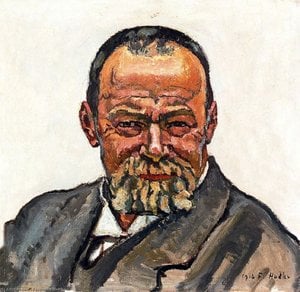
Mastering Parallelism: The 25 Most Iconic Artworks by Ferdinand Hodler
Immerse yourself in the rhythmic beauty of Ferdinand Hodler. Explore 25 iconic masterpieces of Swiss Symbolism and Parallelism. From evocative landscapes to profound portraits, find inspiration for museum-quality art reproductions. Discover all masterpieces on ArtsDot.com.
Изкуството на спомена: Портретното изкуство като израз на емоционална връзка и дискретен подарък
Запазете скъпи спомени с ръчно рисувани портрети от ArtsDot.com! Уникални подаръци, професионални художници и гарантирано качество. Портрети по поръчка – инвестиция в емоциите.
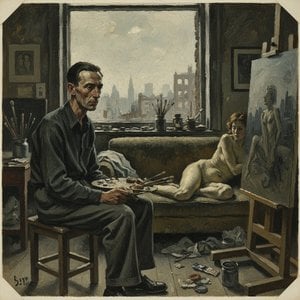
Lucian Freud: A Psychological Portraiture of Post-War Existence
Explore the profound psychological depth of Lucian Freud's portraits. Discover his unique realism, artistic evolution, and lasting influence on modern art. A collector’s guide to a master.