


Картината следва вашите избори: , .
Описание на колекционерския предмет
A contemplative Baroque portrait of a scholar by Ferdinand Bol captures profound psychological depth through masterful chiaroscuro, inviting you to bring this piece of Dutch Golden Age history into your collection.
 Прочети повече
Биография на художника
Фердинанд Бол е важен нидерландски художник от Златната ера, известен с исторически картини и портрети, повлиян от Рембранд. Неговите произведения изобразяват драматични сцени и сложни характери, а неговата работа постепенно получи признание след дълъг период на забравен талант.
Ръчно изработена маслена репродукция
Ръчно рисувана маслена картина върху платно във вашия размер и рамка, изработена по поръчка от нашите художници. ( Превключване към принт Превключване към дигитално изображение)
Още информация за тази картина
 Преглед в реален мащаб
 Изпрати
 Сподели
 Детайли
 Ръководство

 Изтегляне
 Подобни артикули
 Рентгенова снимка
 Слайдшоу
 Въпроси и отговори
 Статистика
Поръчайте вашата картина в четири лесни стъпки
Не бързайте. Можете да промените всеки от отговорите; цената в количката ви се актуализира според всеки избор.
1 Стъпка първа от четири
Какъв размер бихте искали?
Тези размери запазват пропорциите на оригиналната картина. Илюстрацията показва избрания от Вас размер върху стена, над двуметрова софа.
Или въведете свои собствени размери
Изберете от нашите предварително зададени размери, които съответстват на оригиналните пропорции на произведението.

Въведете необходимата ширина и височина, за да паснат на вашата рамка или стена. Тъй като това е ръчна работа, при избор на размер с различен формат художникът може да нарисува малко повече около картината или да отреже малко от периферията — вие избирате. Преди да започне рисуването, ще ви изпратим дигитален мок업 за одобрение. Картината, показана на тази страница, не е реалният резултат — само мок업ът го показва.
2 Стъпка две от четири
Как трябва да бъде подготвено: на руло, на платно или в рамка?
Цените по-долу са за избрания от Вас размер от първа стъпка.
Изберете страните на разпънатото платно
Изберете своята рамка

Бяло €1

Размити краища €1

Разширен €1

P118B €10

P118H €10

P118W €10

P438Z €10

P508JH €12

P508YH €12

P805H €10

P805Z €10

P919BZ €10

P919G €10

P919XJ €10

P959ZH €10

P968JZ €12

W106C €8

W218G €10

W218JH €8

W218Y €10

W307PJ €10

W316G €10

W316PJ €8

W316Y €10

W398PJ €8

W4111J €10

W500HY €15

W500JH €15

W692G €12

W849H €8

W940BG €15

W953PJ €8

H24-GOLD €30

H24-SILVER €30

H36-GOLD €45

H36-SILVER €45
С рамка
Рамка: . Общ размер с рамката: .
3 Стъпка три от четири
Желаете ли да промените нещо в картината?
Повечето хора отговарят с „не“. Тъй като всяка картина е изработена на ръка, нашият художник може също така да я адаптира специално за Вас.
След получаване на поръчката, екипът на ArtsDot.com ще изпрати имейл до клиента с инструкции и ще предостави примерен макет
4 Четвърта от четирите стъпки
Няколко варианта за завършен вид
Всички те са по избор. Вече избраните отговори не включват допълнителни разходи.
Кой го рисува?
Доставка по целия свят () в рамките на 3-4 седмици вместо стандартните 5 седмици. (4 Ноември). Без компромис с качеството.
Табелка, точно като в музея?
Детайли за гравираната бронзова плака
This elegant plaque features the artist's name and the title of the artwork, finely engraved for a timeless presentation.
It is made from bronze with a refined, elegant finish. The text is precisely laser-engraved for a sharp and permanent result. Measuring 9x2 cm, the plaque is compact yet easy to read. It's built to be durable and scratch-resistant, offering a professional, museum-quality look. Mounting is simple thanks to the included adhesive backing.
Детайли за прозрачната акрилна плака
The plaque includes essential engraved details such as the artist's name, the title of the artwork, the date it was created, the type of media used-like oil on canvas or watercolor-a brief description of the piece, and a QR code that links to the complete artwork information.
It is crafted from clear acrylic, offering a sleek, modern appearance. The text is UV-engraved in black to ensure strong visual contrast. With a size of 10x15 cm, it ensures optimal readability. It comes equipped with two metal hooks for secure wall mounting. The plaque is designed to be weather-resistant, making it suitable for various environments, and it includes interactive features that work seamlessly with smartphone scanning.
Детайли за черната акрилна плака
This elegant plaque includes engraved information such as the artist's name, the title of the artwork, the date it was created, the type of media used (like oil on canvas or watercolor), a short description of the artwork, and a QR code for quick access to more information.
The plaque itself is made from refined black acrylic with a premium finish. The text is laser-engraved in white for high contrast and readability. Its size is 10x15 cm, designed to be easy to read. It comes with two metal hooks for professional mounting. The design is sleek and fits any interior style. It is also weather-resistant and durable, with built-in digital integration for mobile compatibility.
Защитен лак?
Кога ви е необходимо?
✓ Проверете и поръчайте
Вашата картина, точно както я поръчахте

David De Wildt
Вид репродукция
Размер на репродукцията
-

Елитен старши художник
Повече детайлност, изящество и допълнително време за производство
-

Рамка за репродукция
-
-
За произведения на изкуството или репродукции, чийто размер е над 105 см (приблизително 41 инча) във всяка страна, рамката ще бъде изпратена в разглобен вид като комплект за сглобяване. Този метод гарантира безопасна доставка и предотвратява повреди по време на транспортиране.
Изисква се професионално сглобяване – това не е продукт за самостоятелна изработка (DIY).
Комплектът трябва да бъде сглобен, а платното – опънато от опитен професионален багер, като се използва дървено лепило (не е включено в комплекта), клещи за опъване на платно и затягащи скоби, за да се поддържа правотата на подрамника, докато лепилото изсъхне. Неправилното сглобяване или неравномерното опъване на платното може трайно да повреди произведението и не е покрито от нашата гаранция.
 За произведения на изкуството или репродукции, чийто размер е над 105 см (приблизително 41 инча) във всяка страна, рамката ще бъде изпратена в разглобен вид като комплект за сглобяване. Този метод гарантира безопасна доставка и предотвратява повреди по време на транспортиране.
Всички елементи от масивна дървесина са включени, прецизно изрязани по размер.
Сглобява се с предоставените винтове, както и с лепило за дърво за ъгловите връзки, което не е включено в комплекта и трябва да бъде осигурено от вашия рамкар.
Изискват се професионални инструменти, които не са включени: щипка за опъване на платно (натягач) и скоби за фиксиране на подрамниците под прав ъгъл, докато лепилото изсъхне.
Важно:
За сглобяването на ъглите е необходимо лепило за дърво, рейките трябва да се фиксират с

Етикет с име
-
-

Защитен лак
Гланцов лак (подсилва цветовете и предпазва от светлина и влага)
-

Персонализирай моето произведение
Примери за възможности за персонализация: Заменете лицето със снимка на клиента; Добавете домашен любимец (например, заменете котка с куче); Включете скрито съобщение във фона; Променете пейзажа или елементите на фона.
-

Спешно
Доставка по целия свят () в рамките на 3-4 седмици вместо стандартните 5 седмици. (4 Ноември). Без компромис с качеството.
-
Експресна доставка
Доставка по целия свят () в рамките на 5 седмици. (11 Ноември).
Включена
Обща цена
€ 234
Опцията със стъкло е налична само за размери под 110 см
Включено във всяка поръчка
- Безплатна експресна доставка по целия свят
- Висококачествено ленено платно
- Пълно застраховане на доставката
- Гаранция за възстановяване на митнически такси
- Гаранция за пълно съответствие на цветовете
- Политика за връщане в рамките на 100 дни (само при дефекти)
- 100% Гаранция за връщане на сумата
- Оферта за отстъпка при поръчка на повече бройки


A Quiet Scholar Amidst Baroque Grandeur: Examining Ferdinand Bol’s “David De Wildt”
Ferdinand Bol, a figure often relegated to the footnotes of Dutch Golden Age art history, deserves a deeper appreciation for his contribution to the artistic landscape. While Rembrandt van Rijn commanded attention with dramatic chiaroscuro and emotive portraits, Bol carved out a distinct path—one characterized by meticulous realism and an uncanny ability to capture psychological nuance—particularly evident in works like “David De Wildt,” painted circa 1667.
- Subject Matter: The portrait depicts David De Wildt, a gentleman of considerable intellect, seated thoughtfully before a table laden with papers. This deliberate positioning speaks volumes about Bol’s artistic intention—to portray not merely appearance but also character and intellectual pursuits.
- Style & Technique: Bol's style firmly anchors itself within the Baroque tradition, yet diverges subtly from Rembrandt’s more overtly theatrical approach. The artist employs a masterful technique of sfumato – a hazy blending of tones – to soften contours and create an atmosphere of contemplative serenity. Fine details meticulously rendered in the subject’s face and clothing underscore Bol's commitment to realism, mirroring the exacting standards upheld by Rembrandt himself.
Bol’s apprenticeship under Rembrandt undoubtedly instilled a profound understanding of tonal modulation and psychological observation. However, “David De Wildt” transcends mere imitation; it embodies Bol’s own artistic sensibilities—a quiet confidence in conveying inner life through visual representation.
Historical Context & Artistic Influences
Painted during the height of Amsterdam’s cultural flourishing, “David De Wildt” reflects the broader preoccupation with humanist ideals prevalent at the time. The Baroque era championed grandeur and drama, yet Bol skillfully tempered these impulses with a sensitivity to human emotion. Rembrandt's influence is palpable in the subdued palette and masterful use of light—a hallmark of Rembrandt’s oeuvre—but Bol distinguishes himself through his nuanced portrayal of De Wildt’s gaze, conveying both seriousness and introspection.
- Location: Currently housed within the Rijksmuseum in Amsterdam, “David De Wildt” serves as a testament to Bol's enduring legacy. Its presence amongst other masterpieces underscores its significance within Dutch Baroque art history.
- Symbolism: The red curtain serving as backdrop is more than mere decorative element; it symbolizes prestige and formality—fitting for a portrait depicting a scholar of noble lineage.
Emotional Resonance & Artistic Legacy
"David De Wildt" transcends its formal constraints to evoke a powerful sense of contemplation and intellectual curiosity. Bol’s ability to capture the subtle expressions of thought—the furrowed brow, the steady gaze—demonstrates his profound understanding of human psychology. This portrait stands as an exemplar of Baroque realism, securing Bol's place amongst the most accomplished artists of his era.
Its enduring appeal lies in its quiet dignity and its invitation to contemplate the complexities of intellect and character – qualities that continue to resonate with viewers today. Bol’s meticulous technique and masterful composition solidify “David De Wildt” as a cornerstone of Dutch Baroque art, ensuring its continued fascination for generations to come.
Въпроси и отговори
Какви сюжети се появяват в „David De Wildt“ на Фердинанд Бол?
Обектите на "David De Wildt" са portraiture, dutch golden age, baroque art, scholarship, religious symbolism, light and shadow, amsterdam painting.
Каква е възприеманата светлост на „David De Wildt“ на Фердинанд Бол?
В общия случай „David De Wildt“ е записано като deep_shadow. Възприеманата яркост описва колко светло или тъмно изглежда произведението.
Към кое художествено направление принадлежи „David De Wildt“ на Фердинанд Бол?
„David De Wildt“ е произведение от Baroque Portraiture. Това направление определя художествената традиция, към която принадлежи творбата.
Подобни произведения


Фердинанд Бол
1616 - 1680, Нидерландия
Биография на художника
Ferdinand Bol: A Forgotten Jewel of the Dutch Golden Age
Ferdinand Bol, a name perhaps less frequently heard than those of Rembrandt van Rijn or Johannes Vermeer, nevertheless holds a significant and increasingly appreciated position within the pantheon of 17th-century Dutch Masters. Born in Dordrecht in 1616, his artistic journey was inextricably linked to that of Rembrandt, beginning with an apprenticeship in the master’s Amsterdam studio – a formative period that profoundly shaped Bol's style, initially mirroring Rembrandt’s techniques with remarkable fidelity. While it might be tempting to simply label Bol as a mere imitator, such a categorization would unjustly diminish his own unique artistic voice and considerable talent. His early life provided a foundation for a career characterized by both technical brilliance and a gradual evolution towards an independent stylistic identity. The details surrounding his initial training remain somewhat shrouded in the mists of history – possibilities include tutelage under Jacob Cuyp in Dordrecht or Abraham Bloemaert in Utrecht – but undoubtedly, his time with Rembrandt proved to be the most influential element in shaping his artistic development, immersing him in the dramatic lighting, psychological depth, and masterful brushwork that defined the Baroque period.Rembrandt’s Shadow and the Emergence of a Distinct Style
Bol's artistic trajectory is marked by a fascinating progression – beginning with meticulous emulation and culminating in a distinctly personal style. His early works are undeniably indebted to Rembrandt’s influence; compositions frequently echo those of his teacher, employing similar *chiaroscuro* effects (the dramatic contrast between light and dark) and a penchant for portraying figures caught in moments of intense emotional or psychological drama. However, as Bol matured, he began to refine his technique, moving towards a greater emphasis on clarity, elegance, and refined detail. His palette subtly shifted, becoming lighter and more nuanced, while his figures acquired a more polished, aristocratic bearing – a departure from the sometimes rougher edges characteristic of Rembrandt’s earlier work. This stylistic shift is particularly evident in his portraits, which quickly became highly sought after by Amsterdam's wealthy elite. He rapidly ascended through the ranks of Amsterdam’s artistic community, becoming a *burgher* (citizen) in 1652 and marrying into a family with connections to both the Admiralty and the wine merchants’ guild – affiliations that undoubtedly contributed to securing prestigious commissions. Notably, he received orders for elaborate chimney pieces for the newly constructed Amsterdam Town Hall, designed by Jacob van Campen, a clear indication of his growing reputation and artistic standing. He even took on pupils of his own, most notably Godfrey Kneller, who would later achieve fame as an English portrait painter.A Diverse Oeuvre: Historical Narratives and Portraiture
Bol’s artistic output is remarkably diverse, encompassing grand historical paintings, intimate portraits, *tronies* (character studies), and even some evocative landscape scenes. He demonstrated a particular aptitude for large-scale historical narratives, imbuing them with a sense of grandeur and dramatic tension. The Peace Negotiations between Claudius Civilis and Quintus Petillius Cerealis on the Demolished Bridge, now housed in a museum collection, stands as a prime example of his skill in depicting complex events with compelling visual impact. The painting not only showcases his mastery of composition and perspective but also his ability to convey the weight of historical significance through expressive gestures and meticulously rendered details. However, it was perhaps in the realm of portraiture that Bol truly excelled. He possessed an uncanny ability to capture the likenesses of his sitters while simultaneously revealing their inner character and social status – a skill that made him highly sought after by Amsterdam’s prominent citizens. His portraits are characterized by a refined elegance and psychological insight, offering glimpses into the lives and personalities of those who shaped the city's cultural landscape. Works like Man in Golden Helmet (Mars), now residing in Warsaw’s National Museum, exemplify this talent, presenting a figure imbued with both authority and vulnerability.Influences and Artistic Development
Bol’s artistic development was profoundly influenced by Rembrandt, but he also drew inspiration from other artists and movements. His early work shows traces of the influence of Abraham Bloemaert in Utrecht, known for his detailed landscapes and portraits. The meticulous attention to detail and the use of light and shadow that characterized Bloemaert's style likely contributed to Bol’s own artistic sensibilities. Furthermore, he was deeply affected by the prevailing trends of the Baroque period, particularly the dramatic lighting and emotional intensity favored by Caravaggio. However, Bol ultimately developed a distinctly personal style, moving away from the sometimes overly theatrical approach of his teacher and embracing a greater sense of clarity and elegance. His palette lightened, his figures acquired a more polished bearing, and he began to experiment with new compositional techniques. This evolution culminated in a body of work that is both technically brilliant and emotionally resonant – a testament to Bol’s artistic talent and his ability to synthesize diverse influences into a unique and compelling style.Legacy and Rediscovery
Despite enjoying considerable success during his lifetime, Ferdinand Bol's reputation suffered a significant decline after his death in 1680. His works were often misattributed to Rembrandt, obscuring his individual contributions to Dutch Golden Age painting. It wasn’t until the 20th century that concerted efforts began to re-evaluate his oeuvre and establish him as a significant artist in his own right. Today, scholars and collectors are increasingly recognizing the unique qualities of Bol’s work – his masterful technique, his evolving stylistic independence, and his ability to capture both the outward appearance and inner lives of his subjects. While his output remains relatively modest compared to some of his contemporaries, the surviving paintings offer a captivating window into the artistic and cultural landscape of 17th-century Amsterdam. Bol’s legacy continues to inspire admiration and intrigue, ensuring that this once-forgotten master will continue to be rediscovered and appreciated by generations to come. His works are now housed in museums across Europe and North America, providing opportunities for art enthusiasts to experience the beauty and complexity of his artistic vision.
Свързани статии

Illuminating Innovation: Exploring the Dutch Golden Age of Painting
Explore the Dutch Golden Age of painting with ArtsDot. Discover Rembrandt, Vermeer & other Masters. Learn about key characteristics, iconic artworks, and lasting influence. Expert insights for collectors & enthusiasts.

Топ 10 шедьоври на нидерландския барок: Изкуство за вашия дом от ArtsDot
Разгледайте топ 10 шедьоври на нидерландския барок – Рембранд, Вермеер и други. Открийте историите зад картините, техниките и влиянието им върху изкуството. Музейно качество репродукции на ArtsDot.com! Разгледайте пълната колекция онлайн.
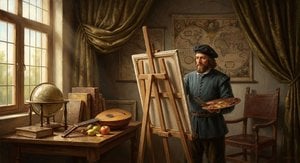
Illuminating Realism: Exploring the Dutch Golden Age of Painting (1600-1700)
Explore the Dutch Golden Age of painting (1600-1700) with ArtsDot. Discover Rembrandt, Vermeer & other masters. Learn about techniques, history & find museum-quality reproductions.