

- 348.0 x 570.0 cm


Картината следва вашите избори: , .
Описание на колекционерския предмет
Donatello's "Cantoria" (1439) is a stunning marble relief by Donatello, showcasing dynamic angels and intricate detail from Florence’s Duomo. A masterpiece of the Early Renaissance.
 Прочети повече
Биография на художника
Донатело (1386-1466): Флорентински скулптор от Ранното Ренесансово време. Пионер на свободностоящите човешки скулпти, известен с изразяващата реалистичност, класическото влияние и иновативните техники. Разгледайте неговите шедьоври и наследство.
Ръчно изработена маслена репродукция
Ръчно рисувана маслена картина върху платно във вашия размер и рамка, изработена по поръчка от нашите художници. ( Превключване към принт Превключване към дигитално изображение)
Още информация за тази картина
 Преглед в реален мащаб
 Изпрати
 Сподели
 Детайли
 Ръководство

 Изтегляне
 Подобни артикули
 Рентгенова снимка
 Слайдшоу
 Въпроси и отговори
 Статистика
Поръчайте вашата картина в четири лесни стъпки
Не бързайте. Можете да промените всеки от отговорите; цената в количката ви се актуализира според всеки избор.
1 Стъпка първа от четири
Какъв размер бихте искали?
Тези размери запазват пропорциите на оригиналната картина. Илюстрацията показва избрания от Вас размер върху стена, над двуметрова софа.
Или въведете свои собствени размери
Изберете от нашите предварително зададени размери, които съответстват на оригиналните пропорции на произведението.

Въведете необходимата ширина и височина, за да паснат на вашата рамка или стена. Тъй като това е ръчна работа, при избор на размер с различен формат художникът може да нарисува малко повече около картината или да отреже малко от периферията — вие избирате. Преди да започне рисуването, ще ви изпратим дигитален мок업 за одобрение. Картината, показана на тази страница, не е реалният резултат — само мок업ът го показва.
2 Стъпка две от четири
Как трябва да бъде подготвено: на руло, на платно или в рамка?
Цените по-долу са за избрания от Вас размер от първа стъпка.
Изберете страните на разпънатото платно
Изберете своята рамка

Бяло €1

Размити краища €1

Разширен €1

P118B €10

P118H €10

P118W €10

P438Z €10

P508JH €12

P508YH €12

P805H €10

P805Z €10

P919BZ €10

P919G €10

P919XJ €10

P959ZH €10

P968JZ €12

W106C €8

W218G €10

W218JH €8

W218Y €10

W307PJ €10

W316G €10

W316PJ €8

W316Y €10

W398PJ €8

W4111J €10

W500HY €15

W500JH €15

W692G €12

W849H €8

W940BG €15

W953PJ €8

H24-GOLD €30

H24-SILVER €30

H36-GOLD €45

H36-SILVER €45
С рамка
Рамка: . Общ размер с рамката: .
3 Стъпка три от четири
Желаете ли да промените нещо в картината?
Повечето хора отговарят с „не“. Тъй като всяка картина е изработена на ръка, нашият художник може също така да я адаптира специално за Вас.
След получаване на поръчката, екипът на ArtsDot.com ще изпрати имейл до клиента с инструкции и ще предостави примерен макет
4 Четвърта от четирите стъпки
Няколко варианта за завършен вид
Всички те са по избор. Вече избраните отговори не включват допълнителни разходи.
Кой го рисува?
Доставка по целия свят () в рамките на 3-4 седмици вместо стандартните 5 седмици. (3 Ноември). Без компромис с качеството.
Табелка, точно като в музея?
Детайли за гравираната бронзова плака
This elegant plaque features the artist's name and the title of the artwork, finely engraved for a timeless presentation.
It is made from bronze with a refined, elegant finish. The text is precisely laser-engraved for a sharp and permanent result. Measuring 9x2 cm, the plaque is compact yet easy to read. It's built to be durable and scratch-resistant, offering a professional, museum-quality look. Mounting is simple thanks to the included adhesive backing.
Детайли за прозрачната акрилна плака
The plaque includes essential engraved details such as the artist's name, the title of the artwork, the date it was created, the type of media used-like oil on canvas or watercolor-a brief description of the piece, and a QR code that links to the complete artwork information.
It is crafted from clear acrylic, offering a sleek, modern appearance. The text is UV-engraved in black to ensure strong visual contrast. With a size of 10x15 cm, it ensures optimal readability. It comes equipped with two metal hooks for secure wall mounting. The plaque is designed to be weather-resistant, making it suitable for various environments, and it includes interactive features that work seamlessly with smartphone scanning.
Детайли за черната акрилна плака
This elegant plaque includes engraved information such as the artist's name, the title of the artwork, the date it was created, the type of media used (like oil on canvas or watercolor), a short description of the artwork, and a QR code for quick access to more information.
The plaque itself is made from refined black acrylic with a premium finish. The text is laser-engraved in white for high contrast and readability. Its size is 10x15 cm, designed to be easy to read. It comes with two metal hooks for professional mounting. The design is sleek and fits any interior style. It is also weather-resistant and durable, with built-in digital integration for mobile compatibility.
Защитен лак?
Кога ви е необходимо?
✓ Проверете и поръчайте
Вашата картина, точно както я поръчахте

Cantoria (9)
Вид репродукция
Размер на репродукцията
-

Елитен старши художник
Повече детайлност, изящество и допълнително време за производство
-

Рамка за репродукция
-
-
За произведения на изкуството или репродукции, чийто размер е над 105 см (приблизително 41 инча) във всяка страна, рамката ще бъде изпратена в разглобен вид като комплект за сглобяване. Този метод гарантира безопасна доставка и предотвратява повреди по време на транспортиране.
Изисква се професионално сглобяване – това не е продукт за самостоятелна изработка (DIY).
Комплектът трябва да бъде сглобен, а платното – опънато от опитен професионален багер, като се използва дървено лепило (не е включено в комплекта), клещи за опъване на платно и затягащи скоби, за да се поддържа правотата на подрамника, докато лепилото изсъхне. Неправилното сглобяване или неравномерното опъване на платното може трайно да повреди произведението и не е покрито от нашата гаранция.
 За произведения на изкуството или репродукции, чийто размер е над 105 см (приблизително 41 инча) във всяка страна, рамката ще бъде изпратена в разглобен вид като комплект за сглобяване. Този метод гарантира безопасна доставка и предотвратява повреди по време на транспортиране.
Всички елементи от масивна дървесина са включени, прецизно изрязани по размер.
Сглобява се с предоставените винтове, както и с лепило за дърво за ъгловите връзки, което не е включено в комплекта и трябва да бъде осигурено от вашия рамкар.
Изискват се професионални инструменти, които не са включени: щипка за опъване на платно (натягач) и скоби за фиксиране на подрамниците под прав ъгъл, докато лепилото изсъхне.
Важно:
За сглобяването на ъглите е необходимо лепило за дърво, рейките трябва да се фиксират с

Етикет с име
-
-

Защитен лак
Гланцов лак (подсилва цветовете и предпазва от светлина и влага)
-

Персонализирай моето произведение
Примери за възможности за персонализация: Заменете лицето със снимка на клиента; Добавете домашен любимец (например, заменете котка с куче); Включете скрито съобщение във фона; Променете пейзажа или елементите на фона.
-

Спешно
Доставка по целия свят () в рамките на 3-4 седмици вместо стандартните 5 седмици. (3 Ноември). Без компромис с качеството.
-
Експресна доставка
Доставка по целия свят () в рамките на 5 седмици. (10 Ноември).
Включена
Обща цена
€ 235
Опцията със стъкло е налична само за размери под 110 см
Включено във всяка поръчка
- Безплатна експресна доставка по целия свят
- Висококачествено ленено платно
- Пълно застраховане на доставката
- Гаранция за възстановяване на митнически такси
- Гаранция за пълно съответствие на цветовете
- Политика за връщане в рамките на 100 дни (само при дефекти)
- 100% Гаранция за връщане на сумата
- Оферта за отстъпка при поръчка на повече бройки


The Echoes of Florence: Donatello’s Cantoria
Donatello's "Cantoria," completed in 1439 for the Duomo of Florence, isn’t merely a decorative element; it’s a vibrant embodiment of Renaissance ideals – a testament to human ingenuity, divine harmony, and the burgeoning spirit of artistic innovation. Originally intended as a housing for the cathedral’s organ, the Cantoria quickly transcended its functional purpose, becoming an iconic sculpture that captures the essence of Florentine life in the mid-15th century. The piece is a masterful display of relief carving, executed with astonishing detail and imbued with a palpable sense of movement and drama. It's a window into a world where music, faith, and human form converged in breathtaking splendor.
The sculpture depicts a throng of dancing angels, each rendered with exquisite individuality. They aren’t static figures; they are caught mid-gesture, their limbs flowing with an almost impossible grace. Donatello masterfully employed the technique of *schiacciato*, or “flattened relief,” pushing the sculpted forms slightly into the background, creating a remarkable illusion of depth and volume. This technique, pioneered by Donatello himself, allowed him to capture the dynamism of movement within a relatively shallow space – a revolutionary approach at the time. The figures are not idealized; they possess a tangible humanity, their faces expressing a range of emotions—joy, contemplation, and even a hint of mischievous delight. The sheer number of angels, numbering over 30, speaks to the ambition of the project and Donatello’s desire to celebrate the glory of God through artistic expression.
A Symphony of Materials and Technique
Donatello's choice of materials further elevates the Cantoria’s impact. The sculpture is carved from white marble, a material prized for its purity and luminosity. The intricate details are achieved through a combination of hand-tooling and precise chiseling, revealing the sculptor’s incredible skill and patience. However, Donatello didn't rely solely on stone; he incorporated gilded mosaics into the background, adding splashes of vibrant color that further enhance the sense of spectacle and divine splendor. The gold leaf reflects light beautifully, creating a shimmering effect that draws the eye and adds to the overall richness of the composition. The use of mosaic was particularly significant, reflecting the Florentine tradition of lavish decoration in religious spaces.
Beyond the technical mastery, "Cantoria" showcases Donatello’s innovative approach to depicting human movement. He studied classical sculpture extensively, but he wasn't simply replicating ancient forms; he was adapting them to his own artistic vision. The angels are not posed stiffly like their Greek counterparts; they are caught in moments of exuberant dance, conveying a sense of joyous energy and vitality. This departure from rigid formality reflects the Renaissance emphasis on humanism – a belief that humans were capable of achieving greatness and expressing themselves through art.
Symbolism and Context
The Cantoria is deeply rooted in Florentine religious and cultural context. The choice of angels as the subject matter underscores the importance of music and song in the celebration of God’s glory. In medieval times, choirs often sang hymns during Mass, and the Cantoria was intended to provide a visually stunning backdrop for this sacred activity. The sculpture also reflects the humanist ideals that were gaining prominence during the Renaissance – a renewed interest in classical art and philosophy. Donatello's depiction of the angels is informed by both classical mythology and Christian theology, creating a harmonious blend of ancient and modern influences.
Furthermore, the Cantoria’s placement within the Duomo—the largest cathedral in Florence—signified its importance. The sculpture served as a visual representation of the city's commitment to art and culture, demonstrating its wealth and influence. It was a bold statement that Florence was at the forefront of artistic innovation during the Renaissance.
A Legacy of Innovation
“Cantoria” remains one of Donatello’s most celebrated works, admired for its technical brilliance, expressive power, and profound symbolism. It represents a pivotal moment in the history of Western art – a transition from the Gothic style to the Early Renaissance, marked by a renewed interest in classical ideals and a celebration of human potential. The sculpture's influence can be seen in countless subsequent works of art, demonstrating Donatello’s enduring legacy as one of the greatest sculptors of all time. Reproductions of this magnificent piece offer a tangible connection to this extraordinary period of artistic achievement, allowing us to experience the beauty and power of Renaissance Florence.
Въпроси и отговори
Как мога да купя цифров файл на „Cantoria (9)“ на Донятелло?
„Cantoria (9)“ е достъпна като дигитално изтегляне на изображение с висока резолюция, която може да бъде закупена директно от страницата ѝ Дигитален образ.
Кога е създадено "Cantoria (9)"?
Създаването на „Cantoria (9)“ на Донятелло датира от 1439.
Защо статусът на авторското право върху "Cantoria (9)" е такъв?
Статусът на авторското право върху "Cantoria (9)" - в обществено достояние – авторското право е изтекло - се определя от годината на смъртта на художника – 1466.


Донятелло
1386 - 1466, Италия
Биография на художника
Early Life and Artistic Beginnings
Donatello di Niccolò di Betto Bardi, universally known as Donatello, was born in the vibrant heart of Florence around 1386 – a period of immense artistic ferment and burgeoning Renaissance ideals. His early life remains shrouded in some mystery, yet it’s clear that his formative years were steeped in the rich traditions of Florentine craftsmanship and classical learning. He wasn't born into a family of artists; rather, his father, Niccolò di Betto Bardi, was a wool carder – a modest profession that nonetheless provided Donatello with access to the bustling commercial center of Florence and its skilled artisans. It’s believed he began his artistic journey as an apprentice in the workshop of Lorenzo Ghiberti, a master sculptor renowned for his groundbreaking bronze doors for the Baptistery of San Giovanni in Florence. This apprenticeship proved crucial, exposing him not only to technical skills but also to the prevailing aesthetic sensibilities of the time – a synthesis of Gothic elegance and nascent Renaissance humanism. Donatello’s early works, such as the marble *Saint John the Evangelist*, demonstrate this transitional phase, showcasing an increasing awareness of anatomical accuracy and a subtle shift away from the stylized forms of medieval sculpture. The statue's deliberate aging and expressive features marked a significant departure from traditional depictions of the saint, hinting at Donatello’s burgeoning ability to imbue his figures with psychological depth.Key Innovations and Artistic Style
Donatello’s genius lay not merely in replicating existing styles but in forging a distinctly new approach to sculpture – one that would profoundly influence generations of artists. He was a pioneer in several key areas, fundamentally altering the course of Renaissance art. Perhaps most notably, he is credited with reviving the tradition of freestanding nude male sculpture, a practice largely abandoned since antiquity. His monumental *David*, commissioned by the Medici family, stands as a testament to this bold innovation – a powerfully realistic and emotionally charged depiction of the biblical hero that captured the imagination of viewers and established a new standard for human representation in art. Beyond his subject matter, Donatello’s style was characterized by an unprecedented level of naturalism and expressiveness. He meticulously studied anatomy, employing techniques borrowed from classical sculpture to achieve remarkable accuracy in depicting the human form. However, he didn't simply imitate antiquity; instead, he infused his sculptures with a palpable sense of emotion – capturing fleeting expressions of joy, sorrow, fear, and determination. This dramatic intensity was further enhanced by his masterful use of *rilievo schiacciato* – a technique involving shallow relief that created an illusion of depth and volume, drawing the viewer into the scene. His work wasn't immediately embraced; it challenged established conventions and provoked debate, yet it ultimately became the most popular style among Italian courts and European artists alike.Major Works and Artistic Development
Donatello’s career spanned several distinct phases, each marked by a unique stylistic evolution. His early works, such as *Saint Louis of Toulouse* (now housed in the Basilica di Santa Croce) and *The Sacrifice of Isaac*, demonstrate a refined mastery of classical forms and a growing sense of dramatic composition. These pieces showcase his ability to integrate elements of both Byzantine and Renaissance aesthetics, creating figures that are simultaneously monumental and intimately human. A pivotal moment in Donatello’s artistic development occurred during his time in Padua (1423-1453), where he created the colossal equestrian statue of Gianfrancesco Gonzaga, a military commander – a daring undertaking that revived an ancient Roman tradition of monumental bronze sculpture. This ambitious project demonstrated Donatello's technical prowess and his willingness to experiment with new materials and techniques. His later works, including *Judith Slaying Holofernes* (located in the Palazzo Vecchio) and the dramatic bronze reliefs depicting the Passion of Christ on the pulpits of San Lorenzo, reflect a deepening engagement with religious themes and a heightened sense of emotional intensity. These late sculptures are characterized by their dynamic compositions, powerful gestures, and unflinching portrayal of human suffering – hallmarks of Donatello’s mature style.Legacy and Influence
Donatello's impact on the course of Western art is immeasurable. He was not merely a skilled craftsman but a true innovator who fundamentally reshaped the possibilities of sculpture. His emphasis on realism, emotional expression, and classical inspiration paved the way for subsequent generations of Renaissance artists, including Michelangelo Buonarroti and Leonardo da Vinci. Donatello’s influence can be seen in their works – from the anatomical precision of Michelangelo's figures to the psychological depth of Leonardo's portraits. Furthermore, Donatello’s work served as a crucial bridge between the Gothic and Renaissance periods, demonstrating the potential for artistic renewal while retaining elements of tradition. His legacy extends beyond Florence and Italy, inspiring artists across Europe to embrace new approaches to sculpture and to explore the full range of human experience through their art. Museums around the world continue to display his masterpieces, ensuring that Donatello’s contributions to the history of art will be celebrated for centuries to come.
Свързани статии
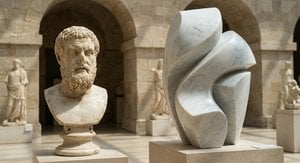
The Enduring Allure of Marble in Art History: From Classical Sculpture to Modern Abstraction
Explore the captivating history of marble sculpture from ancient Greece to modern art. Discover renowned artists like Canova & Michelangelo, carving techniques, and investment insights at ArtsDot.

Топ 10 легендарни бронзови шедьоври, променили изкуството завинаги | ArtsDot.com
Разгледайте топ 10 легендарни бронзови шедьоври, променили изкуството! От скулптурите на Роден до Микеланджело – историите зад вечните произведения. Висококачествени репродукции и идеи за интериор в ArtsDot.com.

Топ 10 Бронзови Скулптури, Променили Изкуството завинаги | ArtsDot.bg
Разгледайте топ 10 легендарни бронзови скулптури, променили изкуството! От Роден до Микеланджело – истории на гении и вечни шедьоври. Вдъхновете се за вашия дом с ArtsDot.bg. Разгледайте пълната колекция онлайн!