


 Преглед в реален мащаб
 Сподели
 Сподели
 Подробности
 Ръководство

 Изтегляне
 Подобни артикули
 Рентгенова снимка
 Слайдшоу
 Статистика
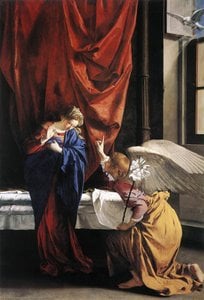
Annunciation

 Разгърни целия текст
Ръчно изработена маслена репродукция
Ръчно рисувана маслена картина върху платно във вашия размер и рамка, изработена по поръчка от нашите художници. ( Избор на принт Превключване към дигитално изображение)




































Изберете от нашите предварително зададени размери, които съответстват на оригиналните пропорции на произведението.

Можете да въведете свои собствени размери, за да паснат на конкретна рамка или пространство. Ако избраният от вас размер не съответства на пропорциите на оригиналното изображение, ние ще изрежем произведението или ще разширим картината с допълнителни ръчно рисувани елементи. Дигитален макет ще бъде изпратен за ваше одобрение преди започване на производството.
Моля, обърнете внимание, че предпрогледа на екрана не отразява действителното изрязване или разширяване. Само макетът ще покаже точно финалната композиция.
Въпреки че са налични персонализирани размери, препоръчваме да изберете размер от предварително дефинирания списък, за да запазите оригиналните пропорции.
След получаване на поръчка, екипът на ArtsDot.com ще изпрати имейл до клиента с инструкции и ще предостави примерен макет за преглед.
Доставка по целия свят () в рамките на 3-4 седмици вместо стандартните 5 седмици. (24 Септември). Без компромис с качеството.

Безплатна експресна доставка по целия свят

Висококачествено ленено платно

Пълно застраховане на доставката

Гаранция за възстановяване на митнически такси

Гаранция за пълно съответствие на цветовете

Политика за връщане в рамките на 100 дни (само при дефекти)

100% Гаранция за връщане на сумата

Отстъпка при поръчка на повече произведения
 Опцията със стъкло е налична само за размери под 110 см

Annunciation
Техника на репродукция
Размер на репродукцията
-


Крайна цена
$ 288
A Vision of Divine Announcement: Domenico Beccafumi's "Annunciation"
This captivating artwork presents a scene steeped in Christian theology – the Annunciation. It depicts the pivotal moment when the Archangel Gabriel announces to the Virgin Mary that she will conceive and bear Jesus, the Son of God. Painted by Domenico di Pace Beccafumi, one of the last significant figures of the Sienese school, this piece offers a unique perspective on a universally recognized biblical narrative.
Style & Technique: A Provincial Mannerism
Beccafumi’s style is characterized as provincial Mannerism. Unlike the more refined and classical approaches prevalent in Florence at the time, Beccafumi's work retains a distinct medieval sensibility. The painting employs oil on canvas or wood panel – traditional materials for the period – allowing for rich pigment application and subtle blending. Notice the dramatic use of light and shadow, a hallmark of Baroque influence even within this Mannerist context. Strong highlights illuminate Mary’s face and garments, creating a focal point while darker tones define the richly decorated architectural setting. The perspective is intentionally flattened, contributing to a sense of depth through receding elements and atmospheric haze. The brushwork reveals texture and volume, adding dynamism to the scene.
Symbolism & Composition: A Pyramid of Grace
Beyond its narrative function, the artwork is rich in symbolic detail. The flowers presented by the angel are traditional symbols of purity and humility, qualities associated with Mary. The angel himself embodies divine grace and serves as a messenger of God’s will. The composition itself is carefully structured around a pyramidal form, with Mary at the base and the angel positioned above her, guiding the viewer's eye upwards towards the heavens. This arrangement reinforces the hierarchical relationship between humanity and the divine. Observe how lines are used to define not only the architecture – arches, columns, drapery – but also to suggest movement in the flowing robes of both figures and the angel’s wings.
Historical Context & Beccafumi's Legacy
Domenico di Pace Beccafumi (1486-1551) was a key figure within the Sienese artistic tradition, which had historically rivaled Florence. His work represents a fascinating bridge between the Renaissance and Mannerism, retaining elements of medieval eccentricity while incorporating some Baroque dramatic flair. He stands out for his unique style that deviates from the dominant trends in Florentine art, showcasing a provincial quality marked by emotional intensity and a non-linear approach to perspective. Beccafumi’s “Annunciation,” like much of his oeuvre, offers a glimpse into a distinct artistic vision – one that celebrates both religious devotion and individual expression within the context of 16th-century Italy.
Свързани произведения



Биография на художника
Domenico Beccafumi (1486 – May 18, 1551): A Sienese Visionary
Domenico di Pace Beccafumi stands as a singular figure in the panorama of Italian Renaissance art—a painter who stubbornly clung to traditions while simultaneously propelling them toward uncharted expressive territories. Born around 1486 in Montaperto, a humble Tuscan village near Siena, his artistic journey unfolded with remarkable dynamism, culminating in a style that bridged the High Renaissance and the burgeoning complexities of Mannerism. More than merely mastering technique; Beccafumi possessed an unwavering conviction—a sensibility rooted in Sienese heritage yet boldly embracing innovation. His formative years were marked by familial simplicity: Giacomo di Pace, his father, was a peasant laborer, but Lorenzo Beccafumi, recognizing his prodigious talent for drawing, took him under wing and entrusted Mechero, a local Siena artist, with his initial artistic education. This early immersion in the Sienese school proved pivotal—a grounding that fostered an environment valuing emotional intensity and decorative embellishment, qualities which would become defining characteristics of Beccafumi’s distinctive style.From Humble Beginnings to Roman Exposure
Around 1509, Domenico embarked on a transformative voyage to Rome—a city pulsating with artistic fervor under the patronage of Pope Julius II and Michelangelo Buonarroti. This encounter exposed him to the groundbreaking achievements of Raphael and Michelangelo, absorbing their pioneering approaches to composition, anatomy, and dramatic expression. However, unlike many artists seeking direct emulation of these titans, Beccafumi synthesized Roman influences through his own singular perspective—a filter informed by Sienese aesthetic sensibilities. He didn’t simply replicate Roman style; he internalized it, transforming it into something profoundly personal. This process resulted in a stylistic divergence from the prevailing trends of Rome – one characterized by an unsettling juxtaposition of classical ideals and medieval impulses. The influence of masters like Raphael and Michelangelo is palpable, yet Beccafumi's vision remained resolutely independent, forging his own path toward expressive innovation.The Synthesis of Tradition and Innovation: Siena’s Influence
Returning to Siena after Rome, Beccafumi continued to refine his artistic style—a synthesis that solidified his reputation as a champion of Sienese tradition while simultaneously anticipating the stylistic upheavals of Mannerism. His paintings reflected this duality—embracing decorative detail and emotional fervor reminiscent of the Sienese school alongside techniques and compositional strategies indicative of the emerging Mannerist movement. This distinctive blend distinguished him from many of his contemporaries, who adhered more rigidly to classical conventions. Consider his monumental frescoes adorning churches throughout Siena—works imbued with a palpable sense of drama and psychological depth. These paintings exemplify Beccafumi’s ability to convey religious devotion with both grandeur and intimacy—a testament to his artistic prowess and unwavering commitment to stylistic experimentation.The Grand Undertaking: The Pavement of Duomo di Siena
Perhaps Beccafumi's most ambitious project was the design and execution of the pavement for Siena Cathedral between 1517 and 1544—a task that spanned over a century and a half. This undertaking demanded unparalleled artistic skill and organizational acumen, reflecting Beccafumi’s leadership qualities as well as his mastery of visual art. The pavement itself is an astonishing achievement—a vast expanse of marble engraved with intricate designs depicting biblical narratives—primarily the stories of Ahab and Elijah, Melchisedec, Abraham, and Moses. Beccafumi oversaw every aspect of this monumental endeavor, innovating techniques and pushing boundaries to create a masterpiece that continues to inspire awe and admiration. The meticulous craftsmanship involved in creating these scenes underscores Beccafumi’s dedication to artistic excellence—a commitment that cemented his place as one of Siena's most celebrated artists.A Legacy Beyond Technique: Mannerist Vision
Domenico di Pace Beccafumi died in Siena in 1551, marking a symbolic closure to the Sienese tradition of painting—though not to artistic innovation. He is rightfully recognized as the last significant representative of the Sienese school, preserving its distinctive aesthetic qualities while simultaneously foreshadowing the stylistic developments of Mannerism. His paintings stand apart from the harmonious balance championed by High Renaissance artists—embracing instead emotional tension, instability, and expressive distortion. This willingness to challenge established norms distinguishes Beccafumi’s oeuvre from many others of his time—demonstrating a profound understanding of artistic psychology and signaling a decisive break with classical ideals. His legacy extends beyond mere technical skill; it resides in his unwavering conviction—a visionary impulse that continues to resonate through the centuries, securing his place as an enduring icon of Italian Renaissance art.
domenico di pace beccafumi
1486 - 1551 , Италия
Бързи факти
- Artistic Movement Or Style: Mannerism
- Artists Or Movements Influenced By This Artist: ['High Renaissance']
- Artists Who Influenced This Artist:
- Raphael
- Michelangelo
- Date Of Birth: c. 1486
- Full Name: Domenico di Pace Beccafumi
- Nationality: Italian
- Notable Artworks:
- Trinity Triptych
- The Annunciation
- Place Of Birth: Montaperto, Italy
Свързани статии

Топ 10 шедьоври на Барока: История, артисти и великолепие за вашия дом
Разгледайте 10 шедьовъра на Барока от Караваджо, Рембрандт и Рубенс! Открийте историите зад тези емблематични картини и скулптури. Вдъхновете се за вашия интериор с ArtsDot.com – луксозни репродукции и изкуство за дома.

The Dramatic Flourish: Exploring the Baroque Movement's Enduring Legacy in Art History
Explore the dramatic world of Baroque art! Discover iconic artists like Caravaggio & Rubens, defining techniques, and its lasting impact on art history. Expert insights for collectors & enthusiasts at ArtsDot.

Барокова Драма: Изкуството, Което Внася Величие в Дома
Открийте великолепието на бароковия стил! Разгледайте историята, изкуството и интериорните решения, вдъхновени от епохата. Съвети за създаване на разкошен дом.

The Visceral Stage: Exploring Dramatic Narratives & Emotional Intensity in Baroque Art
Explore the dramatic world of Baroque art! Discover iconic masters like Caravaggio & Rembrandt, their techniques, and the movement's lasting impact. Expert insights for collectors & enthusiasts at ArtsDot.

Domenico Beccafumi: A Sienese Master Between Mannerism & Baroque Anticipation
Explore the captivating world of Domenico Beccafumi, a pivotal figure bridging Mannerism & Baroque art. Discover his unique style, religious masterpieces, and lasting legacy with ArtsDot.

