
- Начало

- Възпроизведение на маслена картина
- Майор Дьонис
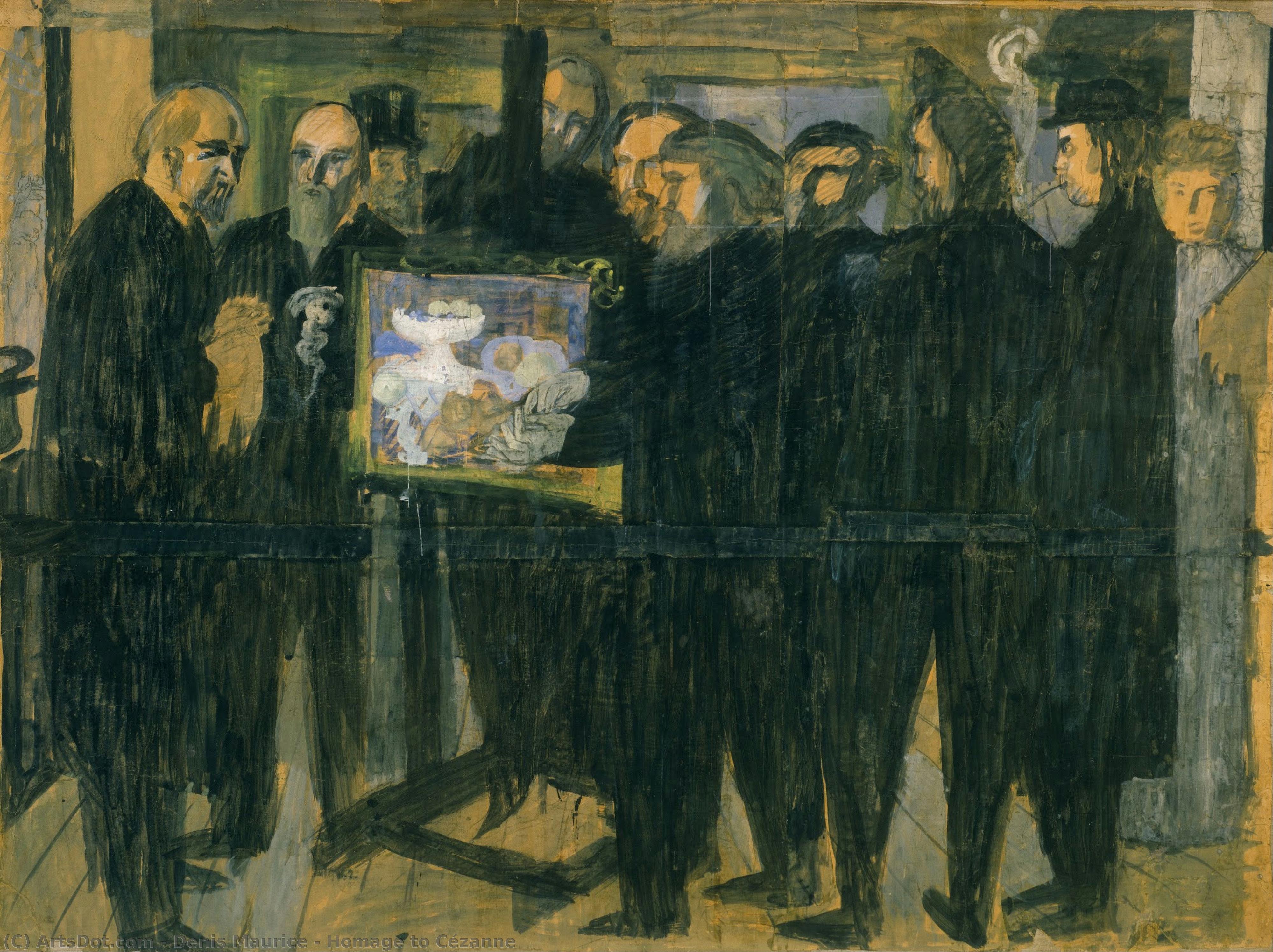
- Homage to Cézanne
 Купи принт
 Изпрати
 Сподели
 Details

 Изтегляне
 Подобни
 X-Ray
X-Ray Слайдшоу
Homage to Cézanne
 Acrylic
- WallArt
- Symbolist Painting
 1900
1900 178.0 x 240.0 cm
 Kunsthalle Bremen
Ръчно изработена маслена репродукция
Ръчно рисувана маслена картина върху платно във вашия размер и рамка, изработена по поръчка от нашите художници.




P118B $10

P118H $10

P118W $10

P438Z $10

P508JH $12

P508YH $12

P805H $10

P805Z $10

P919BZ $10

P919G $10

P919XJ $10

P959ZH $10

P968JZ $12

W106C $8

W218G $10

W218JH $8

W218Y $10

W307PJ $10

W316G $10

W316PJ $8

W316Y $10

W398PJ $8

W4111J $10

W500HY $15

W500JH $15

W692G $12

W849H $8

W940BG $15

W953PJ $8




 Прочетете повече
Изберете от предварително зададените размери, които съответстват на оригиналните пропорции на произведението.

Можете да въведете свои собствени размери, за да пасне на конкретна рамка или пространство. Ако избраният от вас размер не съответства на пропорциите на оригиналното изображение, ние ще изрежем произведението или ще удължим картината с допълнителни ръчно рисувани елементи. Дигитален макет ще бъде изпратен за ваше одобрение преди започване на производството.
Моля, обърнете внимание, че прегледът на екрана не отразява действителното изрязване или разширяване. Само макетът ще покаже точно финалния състав.
Въпреки че са налични персонализирани размери, препоръчваме да изберете размер от предварително дефинирания списък, за да запазите оригиналните пропорции.
След поръчка, екипът на ArtsDot.com ще изпрати имейл на клиента за инструкции и ще предостави преглед на макет.
Доставка по целия свят () в рамките на 3/4 седмици вместо стандартните 5 седмици. (1 Юли). Без компромис с качеството.

Безплатна експресна доставка по целия свят

Висококачествено ленено платно

Пълно застраховане при доставка

Гаранция за възстановяване на митнически такси

Гаранция за цветова точност

60-Дневен период за връщане (Само при дефекти)

100% Гаранция за връщане на парите

Предложение за отстъпка при поръчка на едро
 Стъклото е налично само в размери под 110 см

Homage to Cézanne
Репродукционен метод
Размер на репродукцията
-


Обща цена
-
Описание на произведението
A Dialogue Between Masters: Exploring Maurice Denis’s Homage to Cézanne
This gouache painting by Maurice Denis, executed in 1900, isn't merely a depiction of a Parisian art dealer’s gallery; it’s a meticulously crafted meditation on artistic influence and the genesis of Symbolism. Measuring an impressive 178 x 240 cm, the artwork serves as a preparatory sketch for Denis’s monumental Homage to Cézanne (Musée d’Orsay), cementing its place within the broader narrative of late Impressionist and early Modern art. The scene captures a pivotal moment in artistic history—a gathering of luminaries discussing Cézanne's Still Life with Bowl of Fruit, alongside fellow Nabis artists like Odilon Redon, Vuillard, Mellerio, Roussel, Bonnard, and Denis’s wife Marthe.- Subject Matter: The composition centers around a table displaying Cézanne’s iconic still life, prompting an animated conversation amongst the assembled figures. This deliberate choice underscores Cézanne's profound impact on the Nabis movement.
- Style & Technique: Denis employs a restrained palette of muted tones—primarily browns and ochres—characteristic of the Symbolist aesthetic. The gouache medium lends itself to capturing subtle gradations of color and texture, mirroring Cézanne’s exploration of spatial depth beyond traditional perspective.
Подобни произведения


Биография на художника
Maurice Denis (1870–1943): A Bridge Between Worlds
Maurice Denis, born in Granville, France, in 1870, occupies a fascinating position in art history—a pivotal figure straddling the waning days of Impressionism and the burgeoning currents of modern art. His life was one dedicated to reconciling spiritual yearning with artistic innovation, resulting in a body of work that is both deeply personal and profoundly influential. From an early age, Denis demonstrated a sensitivity to the evocative power of visual experience, particularly within the sacred spaces of his childhood church. The interplay of light, color, and incense ignited a lifelong fascination with symbolism and the potential for art to convey something beyond mere representation. This formative influence would become a defining characteristic of his artistic vision, setting him apart from many of his contemporaries who were increasingly focused on capturing fleeting moments of sensory perception. He wasn’t simply interested in *what* he saw, but *how* it felt—and how that feeling could be translated into a visual language capable of expressing the intangible. ### The Nabis and the Quest for Symbolism Denis's artistic journey took a decisive turn when he became a central member of Les Nabis, a group of young artists who sought to revolutionize painting through a more spiritual and symbolic approach. The name “Nabis” itself—an anagram of "prophets"—revealed their ambition to create art that was not merely decorative but possessed a deeper, almost religious significance. Alongside figures like Paul Sérusier and Pierre Bonnard, Denis rejected the naturalism of Impressionism in favor of flattened perspectives, bold colors, and evocative patterns. This wasn’t about abandoning skill; it was about re-defining its purpose. The Nabis believed that art should be a synthesis of form and idea, a carefully constructed arrangement of elements designed to evoke emotion and suggest meaning. Denis articulated this philosophy most famously in his dictum: “Remember that painting—as a flat surface with colors arranged in certain relationships—has nothing to do with pictorial imitation of nature.” This statement became a cornerstone of modernist aesthetics, paving the way for movements like Cubism and Fauvism. His early works from this period, such as *Le Mystère Catholique* (1889), demonstrate his exploration of religious themes through a distinctly symbolic lens—a departure from traditional academic painting. ### Evolving Styles: From Symbolism to Neo-Classicism Throughout his career, Denis’s style underwent a fascinating evolution. While remaining committed to the principles of symbolism and spiritual expression, he experimented with various techniques and influences. Initially inspired by the vibrant colors and flattened forms of Gauguin and Japanese prints, he later turned towards the more structured compositions of Paul Cézanne, seeking a new form of classicism rooted in modern sensibilities. This shift is evident in his paintings from the 1890s and early 1900s, which exhibit a greater emphasis on form, balance, and clarity. He wasn’t simply imitating Cézanne; he was absorbing the lessons of structural rigor and applying them to his own unique vision. This period also saw him delve deeper into religious subject matter, believing that art had a vital role to play in revitalizing spiritual life. His work became increasingly imbued with a sense of serenity and contemplation, reflecting his personal faith and his desire to create images that would inspire reverence and devotion. ### A Lasting Legacy: Art, Faith, and the Ateliers d'Art Sacré Denis’s influence extended beyond his own paintings. He was also a prolific writer and art critic, articulating his aesthetic theories in numerous essays and articles. His ideas helped to shape the development of modern art, inspiring generations of artists to explore new ways of representing reality and expressing their inner worlds. In 1919, he founded the Ateliers d'Art Sacré (Workshops of Sacred Art), a collective dedicated to restoring churches and creating religious artworks that would embody both artistic excellence and spiritual depth. This initiative reflected his belief that art should be an integral part of everyday life, enriching the human experience and fostering a sense of community. He envisioned a revival of sacred art—not as a return to past styles, but as a reimagining of tradition in light of modern sensibilities. Maurice Denis passed away in 1943, leaving behind a rich and diverse body of work that continues to resonate with audiences today. His paintings, writings, and pedagogical efforts cemented his place as a pivotal figure in the transition from Impressionism to modern art—a bridge between worlds, forever shaping our understanding of the power and purpose of artistic expression. ### Key Characteristics of Denis’s Work * Symbolism: A pervasive use of symbols and allegorical imagery to convey deeper meanings. * Spiritual Themes: Frequent exploration of religious subjects and a profound sense of spirituality. * Flatness of Form: Emphasis on the two-dimensionality of the canvas, rejecting traditional perspective. * Bold Color: Use of vibrant, often non-naturalistic colors to create emotional impact. * Synthetism: A deliberate simplification of forms and a focus on creating harmonious compositions.
Майор Дьонис
1870 - 1943 , Франция
Бързи факти
- Artistic Movement Or Style: Символизъм; Нabis
- Artists Or Movements Influenced By This Artist:
- Кубизъм
- Фавизм
- Artists Who Influenced This Artist:
- Пувис де Шаванн
- Рафаел
- Date Of Birth: 25 ноември 1870 г.
- Date Of Death: 13 ноември 1943 г.
- Full Name: Maurice Denis
- Nationality: Френски
- Notable Artworks:
- Ле Мистре Католик
- Художникът
- Place Of Birth: Гранвиль, Франция
Всички статии

Bernard Cathelin: A Poetic Realist's Exploration of Still Life and the French Landscape
Explore the captivating world of Bernard Cathelin, a master of French Poetic Realism. Discover his stunning still lifes & landscapes, and learn about his legacy with ArtsDot.


Завръщане във Времето: Създайте Уникален Натюрморт – Отражение на Вашия Дом и Страст
Създайте уникален натюрморт за вашия хотел с ArtsDot! Ръчно рисувани репродукции, експертна консултация и гарантирано качество. Инвестирайте в изкуство, което впечатлява и трае.

Camille Pissarro: Pioneer of Impressionism & Father of Modern Art – A Legacy Explored
Explore the life & art of Camille Pissarro, a pivotal figure in Impressionism and Post-Impressionism. Discover his techniques, influences, and lasting legacy on modern painting. Learn more at ArtsDot.
Denis Maurice: A Study in Post-War French Figuration & the Poetics of Everyday Life
Explore the life & work of Maurice Denis, pivotal French painter bridging Impressionism to modern art. Discover his Nabis symbolism, theories on 'ideation,' and profound commitment to sacred art. A deep dive for art enthusiasts.

Paul Sérusier: Pioneering Synthetism & The Nabis’ Symbolic Revolution
Discover Paul Sérusier's pivotal role in the Nabis movement & the birth of Synthetism. Explore 'The Talisman,' his influence on modern art, and a deeper understanding of this symbolic revolution. Expert analysis & insights.



