

 Купи принт
 Изпрати
 Сподели
 Details

 Изтегляне
 Подобни
 X-Ray
X-Ray Слайдшоу
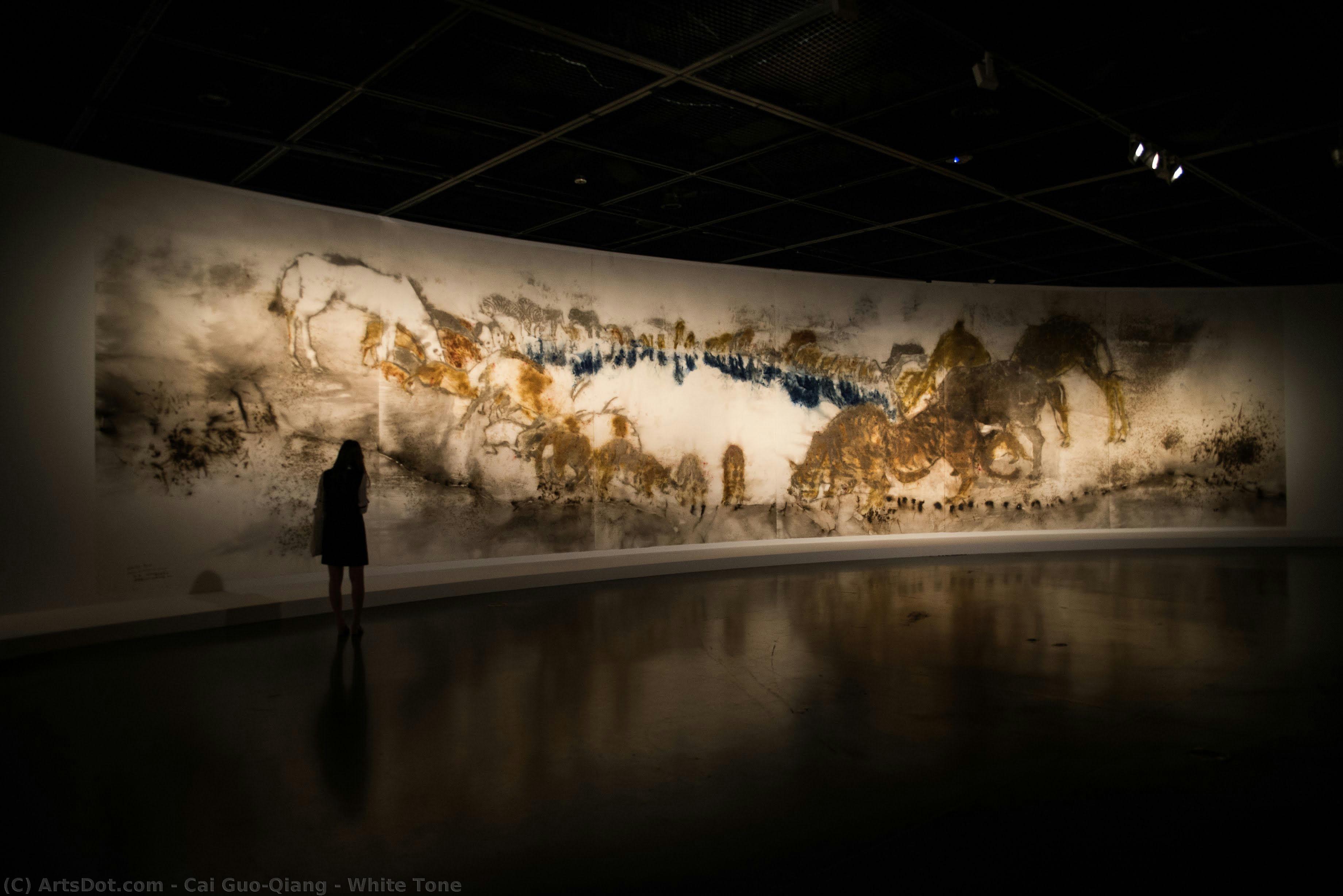
White Tone


Ръчно изработена маслена репродукция
Ръчно рисувана маслена картина върху платно във вашия размер и рамка, изработена по поръчка от нашите художници.




P118B $10

P118H $10

P118W $10

P438Z $10

P508JH $12

P508YH $12

P805H $10

P805Z $10

P919BZ $10

P919G $10

P919XJ $10

P959ZH $10

P968JZ $12

W106C $8

W218G $10

W218JH $8

W218Y $10

W307PJ $10

W316G $10

W316PJ $8

W316Y $10

W398PJ $8

W4111J $10

W500HY $15

W500JH $15

W692G $12

W849H $8

W940BG $15

W953PJ $8




 Прочетете повече
Изберете от предварително зададените размери, които съответстват на оригиналните пропорции на произведението.

Можете да въведете свои собствени размери, за да пасне на конкретна рамка или пространство. Ако избраният от вас размер не съответства на пропорциите на оригиналното изображение, ние ще изрежем произведението или ще удължим картината с допълнителни ръчно рисувани елементи. Дигитален макет ще бъде изпратен за ваше одобрение преди започване на производството.
Моля, обърнете внимание, че прегледът на екрана не отразява действителното изрязване или разширяване. Само макетът ще покаже точно финалния състав.
Въпреки че са налични персонализирани размери, препоръчваме да изберете размер от предварително дефинирания списък, за да запазите оригиналните пропорции.
След поръчка, екипът на ArtsDot.com ще изпрати имейл на клиента за инструкции и ще предостави преглед на макет.
Доставка по целия свят () в рамките на 3/4 седмици вместо стандартните 5 седмици. (1 Юли). Без компромис с качеството.

Безплатна експресна доставка по целия свят

Висококачествено ленено платно

Пълно застраховане при доставка

Гаранция за възстановяване на митнически такси

Гаранция за цветова точност

60-Дневен период за връщане (Само при дефекти)

100% Гаранция за връщане на парите

Предложение за отстъпка при поръчка на едро
 Стъклото е налично само в размери под 110 см

White Tone
Репродукционен метод
Размер на репродукцията
-


Обща цена
-
Описание на произведението
Cai Guo-Qiang’s White Tone: A Silent Echo of Ancient Ritual
The monumental fresco *White Tone*, created by Cai Guo-Qiang in 2016, stands as a testament to the artist's singular approach—a fusion of explosive pyrotechnics and profound contemplation of nature’s legacy. Situated at the Fondation Cartier pour l’art contemporain in Paris, France, this expansive artwork immediately commands attention with its sheer scale – measuring approximately 59 feet by 13 feet – yet it communicates a surprising stillness, mirroring the artist's core philosophy: a desire to capture fleeting moments of beauty and vulnerability.- Subject Matter: The painting depicts horses—a recurring motif in Cai Guo-Qiang’s oeuvre—engaged in an intricate dance across the canvas. These aren’t merely animals rendered realistically; they are imbued with movement, dynamism, and a palpable sense of energy, reflecting the artist's fascination with capturing the essence of life itself.
- Style: Cai Guo-Qiang’s style is characterized by its bold abstraction combined with meticulous detail. While the horses themselves appear stylized, their musculature and posture are rendered with astonishing accuracy—a deliberate choice to honor both artistic expression and scientific observation.
- Technique: The artwork's technique relies heavily on gunpowder drawing – a method pioneered by Cai Guo-Qiang himself. This process involves applying gunpowder to paper, igniting it precisely controlled bursts of flame create ephemeral marks that transform into permanent images. It’s a technique rooted in Chinese calligraphy traditions and embodies the artist’s belief in harnessing natural forces for artistic creation.
Подобни произведения


Биография на художника
A Life Forged in Fire: The Explosive Art of Cai Guo-Qiang
Cai Guo-Qiang’s journey is one of audacious experimentation, a relentless pursuit to reconcile the ancient traditions of his Chinese heritage with the dynamic currents of contemporary art. Born in 1957 in Quanzhou, China, his early life was deeply imprinted by a nation undergoing profound transformation. His father, Cai Ruiqin, a calligrapher and traditional painter, nurtured within him an appreciation for both Eastern aesthetics and Western literature – a duality that would become central to his artistic vision. Growing up during the tumultuous Cultural Revolution, young Cai witnessed firsthand the power of collective fervor and societal control, experiences that subtly informed his later explorations of ideology and utopian ideals. Perhaps surprisingly, this formative period also included early exposure to performance through participation in demonstrations and parades, alongside a brief foray into martial arts films – *The Spring and Fall of a Small Town* and *Real Kung Fu of Shaolin*. These seemingly disparate influences laid the groundwork for an artist who would consistently challenge boundaries and embrace unexpected juxtapositions. The ever-present imagery of gunpowder, utilized both in celebratory fireworks and as a tool of conflict, also began to take root in his subconscious, foreshadowing its eventual emergence as his signature medium.From Stage Design to Explosive Visions
Cai’s formal artistic training commenced at the Shanghai Theater Academy from 1981 to 1985, where he studied stage design. This period proved pivotal in developing his understanding of spatial arrangement, interactivity, and collaborative work – skills that would later be crucial in orchestrating his large-scale “explosion events.” Dissatisfied with the constraints of conventional artistic practices, Cai began experimenting with gunpowder drawings in the 1980s. These weren’t merely images *of* explosions; they were created *by* controlled detonations, using gunpowder as a direct drawing tool. This radical approach was a deliberate rejection of established artistic norms and a search for spontaneity and expressive freedom. He spent nearly a decade living in Japan from 1986 to 1995, further refining his technique and developing the conceptual framework that would define his career. It was during this time he truly began to harness the power of gunpowder not just as a medium but as a metaphor for destruction, creation, and the ephemeral nature of existence. His work increasingly drew inspiration from diverse sources – fengshui, Chinese medicine, traditional shanshui paintings, scientific principles, flora and fauna, portraiture, and, of course, the dazzling spectacle of fireworks themselves.A Global Stage: Recognition and Innovation
Cai Guo-Qiang’s artistic breakthrough arrived with international acclaim in 1999 when he was awarded the Golden Lion at the Venice Biennale – a watershed moment that propelled him onto the global art stage. This recognition was followed by numerous prestigious awards, including the Hiroshima Art Prize in 2007, honoring his commitment to peace and understanding through art; the Fukuoka Asian Culture Prize in 2009 for promoting cultural exchange; and the esteemed Praemium Imperiale in 2012, recognizing a lifetime of achievement. In the same year, he received the U.S. Department of State Medal of Arts, acknowledging his dedication to international cultural diplomacy. However, perhaps his most visible contribution to global culture came as Director of Visual and Special Effects for both the opening and closing ceremonies of the 2008 Beijing Summer Olympics and the 2022 Winter Olympics. These spectacular displays showcased his mastery of pyrotechnics on an unprecedented scale, captivating audiences worldwide. Throughout this period, Cai’s work was featured in solo exhibitions at major museums including the Metropolitan Museum of Art and the Solomon R. Guggenheim Museum in New York, solidifying his position as a leading figure in contemporary art.Blending East and West: A Legacy of Impermanence
Cai Guo-Qiang’s artistic style is characterized by its unique synthesis of Eastern philosophical concepts and Western contemporary practices. He doesn't simply *represent* Chinese culture; he embodies it, reinterpreting ancient traditions through a modern lens. His explosion events are inherently ephemeral – fleeting moments of beauty captured primarily through photography and video. This emphasis on impermanence reflects core tenets of Buddhist philosophy and the Taoist understanding of the universe as constantly in flux. Beyond aesthetics, Cai’s work often engages with profound social and political themes, particularly those related to China's history, cultural identity, and the complexities of modernization. He is a pioneer in site-specific art, creating installations that respond directly to their environment, engaging with local histories and cultures. His influence on contemporary art is undeniable; he has inspired countless artists to explore new materials, embrace large-scale installations, and confront challenging themes with boldness and originality. More recently, Cai Guo-Qiang continues to push boundaries, exploring the intersection of art and technology through projects like his blockchain divination project *EET* and his artificial intelligence art project *cAI™*, as well as continuing his exploration of Eastern and Western artistic traditions in exhibitions such as *Individual’s Journey Through Western Art History*. His work is a testament to the power of art to transcend cultural boundaries, provoke dialogue, and remind us of the beauty inherent in both creation and destruction.
Cai Guo-Qiang
1957 - , China
Бързи факти
- Artistic Movement Or Style: Contemporary art, gunpowder art
- Artists Or Movements Influenced By This Artist: ['Contemporary artists']
- Artists Who Influenced This Artist: ['Cai Ruiqin']
- Date Of Birth: 1957
- Full Name: Cai Guo-Qiang
- Nationality: Chinese
- Notable Artworks:
- Nontransparent Monument
- Drawing for Transient Rainbow
- Man, Eagle and Eye in the Sky
- Place Of Birth: Quanzhou, China
Всички статии
Richard Wilson: Deconstructing Landscape & Memory in Contemporary Installation Art
Explore Richard Wilson's groundbreaking landscape paintings & his enduring influence on contemporary installation art. Discover investment opportunities, provenance insights & the materiality of memory in this expert analysis.


Ephemeral Expressions: Exploring the Nuances of Ink on Paper Through History & Contemporary Art
Explore the captivating world of ink wash painting – from its ancient origins to contemporary masters. Discover techniques, symbolism & conservation insights with ArtsDot.com.

Stephen Chaplin: A Study in Light, Form & Emotional Space in Contemporary Landscape Painting
Explore the captivating landscape paintings of Stephen Chaplin, renowned for his 'Treatment in Minors' series & unique blend of Pop Art and historical realism. Discover his artistic journey & emotional depth.
Топ 10 шедьовъра на съвременния реализъм за вашия дом | ArtsDot.com
Разгледайте топ 10 шедьовъра на съвременния реализъм! Открийте историите зад картините, художниците и техниките. Купете висококачествени репродукции за вашия дом в ArtsDot.com. Разгледайте пълната колекция онлайн!

Concrete Visions: Exploring the Urban Landscape in Painting – From Realism to Contemporary Art
Explore the evolution of cityscape painting from Realism to contemporary art with ArtsDot. Discover key artists & invest in timeless urban visions. Expert guidance, museum-quality reproductions.

