


 Сподели
 Сподели
 Подробности
 Ръководство

 Изтегляне
 Подобни артикули
 Слайдшоу
 Статистика
Hermes and Athena


 Разгърни целия текст
Жикле / Художествен принт
Giclée печат или принт върху платно с музейно качество, бързо производство и гъвкави опции за завършен вид. ( Поръчайте ръчно рисувано репродукция на този колекционерски предмет Превключване към дигитално изображение)




































Изберете от нашите предварително зададени размери, които съответстват на оригиналните пропорции на произведението.

Можете да въведете собствени размери, за да паснат на конкретна рамка или пространство. Ако избраният от Вас размер не съвпада с пропорциите на оригиналното изображение, ние ще изрежем произведението или ще разширим изображението с огледален или едноцветен ръб. Дигитален макет ще бъде изпратен за Ваше одобрение преди започването на производството.
Моля, имайте предвид, че предпрегледът на екрана не отразява реалното изрязване или разширяване. Само макетът ще покаже точно финалната композиция.
Въпреки че са налични персонализирани размери, препоръчваме да изберете размер от предварително дефинирания списък, за да запазите оригиналните пропорции.
Доставка по целия свят () в рамките на 2 седмици вместо стандартните 4/5 седмици. (20 Септември)

Безплатна експресна доставка по целия свят

Висококачествено ленено платно

Пълно застраховане на доставката

Гаранция за възстановяване на митнически такси

Гаранция за пълно съответствие на цветовете

Политика за връщане в рамките на 100 дни (само при дефекти)

100% Гаранция за връщане на сумата

Отстъпка при поръчка на повече произведения
 Опцията със стъкло е налична само за размери под 110 см

Hermes and Athena
Жикле / Художествен принт
Размер на репродукцията
-


Крайна цена
$ 62
A Celestial Encounter in the Heart of Mannerism
In the hallowed halls of the Castle of Prague, there exists a moment frozen in time, a divine dialogue captured by the masterful hand of Bartholomeus Spranger. His 1585 fresco, "Hermes and Athena," is far more than a mere mythological illustration; it is a breathtaking embodiment of Northern Mannerism, a period defined by its departure from Renaissance stability toward a more complex, stylized, and emotionally charged aesthetic. As the viewer approaches this work, they are not met with the calm proportions of the previous century, but rather with an elegant distortion that breathes life into the divine. The figures of Hermes and Athena emerge from a celestial backdrop of swirling clouds, their forms elongated and their poses imbued with a theatrical grace that commands immediate attention.
The composition is a masterclass in tension and movement. Spranger utilizes the hallmarks of the Mannerist style—exaggerated musculature and dramatic, serpentine lines—to create a sense of palpable energy. The lighting is particularly striking, employing sharp contrasts between luminous highlights and deep, velvety shadows to sculpt the bodies of the gods. This technique, known as chiaroscuro, does not merely provide depth; it heightens the psychological drama of the encounter. Hermes, the messenger god, appears caught in a moment of profound surprise, his hand gesturing upward toward Athena as if presenting a revelation or seeking divine counsel. In response, Athena, the goddess of wisdom and war, gazes down with an expression that balances maternal concern with the watchful intensity of a warrior.
Symbolism and the Language of the Divine
Every element within Spranger’s composition serves as a silent syllable in a larger mythological narrative. The painting is rich with iconography that rewards the contemplative eye. Hermes is instantly recognizable by his winged sandals and the caduceus—the staff entwined with serpents—which symbolizes his role as a mediator between worlds. Nearby, a coiled snake rests, a potent emblem of healing and transformation. The presence of two birds perched upon a branch introduces a layer of naturalistic beauty that contrasts with the divine subjects, representing freedom and perhaps the omnipresent, watchful eyes of the heavens.
Athena herself is rendered with the dignity of her station, clad in armor and a helmet that speaks to her prowess in battle, yet her soft features remind us of her association with intellect and craft. The interplay between these two deities—the swift-footed messenger and the steadfast strategist—creates a thematic resonance of communication and wisdom. For the collector or the lover of classical antiquity, this piece offers a profound exploration of how ancient myths can be reinterpreted through a lens of sophisticated elegance and psychological depth.
An Eternal Inspiration for the Modern Interior
For the discerning interior designer or art enthusiast, a reproduction of "Hermes and Athena" offers an unparalleled opportunity to introduce a sense of historical grandeur and intellectual sophistication into a space. The painting’s palette, characterized by its dramatic interplay of light and shadow, allows it to serve as a commanding focal point in both contemporary and classical settings. Whether placed in a sunlit gallery or a moody, library-inspired study, the work brings with it the prestige of the Prague court and the exquisite artistry of the late 16th century.
Owning a high-quality reproduction of this masterpiece is an invitation to live alongside history. It provides more than just decoration; it offers a window into a period of artistic rebellion and beauty, where the boundaries between the human and the divine were blurred through the stroke of a brush. This artwork remains a timeless testament to Spranger’s ability to capture the ephemeral nature of a single, divine moment, making it an enduring treasure for any curated collection.
Свързани произведения


Биография на художника
Bartholomeus Spranger: The Court Painter of Eroticism and Majesty
Bartholomäus Spranger (1546-1611), a name that resonates through the halls of Northern Mannerism, was more than just a painter; he was a pivotal figure in shaping artistic sensibilities during his time. Born in Antwerp, the son of a merchant with extensive travels, Spranger’s early life hinted at a future steeped in art and foreign influences. His initial training under Jan Mandijn, Frans Mostaert, and Cornelis van Dalem provided him with a solid foundation in landscape painting – a surprising starting point for an artist who would later become renowned for his intensely sensual depictions of the nude. However, it was his sojourn to Paris in 1565, working within the studio of Marc Duval, that truly ignited his artistic trajectory, exposing him to new techniques and perspectives.Early Influences and Italian Journeys
Spranger’s artistic development wasn't confined to the Netherlands. He diligently copied prints by Frans Floris and Parmigianino, absorbing their elegant lines and sophisticated compositions. Crucially, his travels extended into Italy, where he spent eight months in Milan and three months in Parma, assisting Bernardino Gatti on the ambitious fresco project for the dome of Santa Maria della Steccata. This experience offered invaluable insight into large-scale painting techniques and exposed him to the vibrant artistic scene of Renaissance Italy. His time in Rome proved particularly formative, establishing a connection with Giulio Clovio, a renowned mannerist painter and designer, who became his protégé. It was here that he encountered Karel van Mander, whose *Schilder-boeck* would later provide a detailed account of Spranger’s life and work – a testament to the artist's significance within the artistic community.The Imperial Court of Prague
Spranger’s career truly ascended when he was appointed court painter to Pope Pius V in 1570. However, his most enduring legacy lies in his service to the Holy Roman Emperor Rudolf II, a passionate collector of art and esoteric knowledge. Rudolf's relocation of the imperial court to Prague in 1581 marked a turning point for Spranger. The emperor’s fascination with classical antiquity, mythology, and alchemy profoundly influenced the artist’s work. Spranger responded directly to these preferences, creating a body of paintings dominated by exquisitely rendered nude figures – often seen from behind, conveying an aura of mystery and sensuality. These weren't merely decorative studies; they were carefully constructed allegories reflecting Rudolf II’s philosophical leanings and his desire to project an image of power and sophistication.Style and Technique: Northern Mannerism at its Peak
Spranger’s style is a quintessential example of Northern Mannerism, characterized by elongated figures, complex poses, and a deliberate emphasis on elegance and refinement. His paintings are distinguished by their smooth modeling, meticulous detail, and a subtle use of color. He skillfully blended Netherlandish realism with Italian mannerist influences, particularly the Roman tradition of depicting classical mythology. His drawings, in particular, possess remarkable energy and freedom – a testament to his masterful draftsmanship. Spranger’s work is notable for its dynamism, achieved through carefully orchestrated diagonals and a sense of movement within each composition. The influence of his earlier training in landscape painting can be seen in the atmospheric backgrounds he often employed, adding depth and context to his figures.Legacy and Influence
Bartholomeus Spranger’s impact on European art is considerable. His paintings, particularly those housed in Vienna's Kunsthistorisches Museum, represent a pinnacle of Northern Mannerism. His work served as an inspiration for subsequent generations of artists, including the Dutch Republic, where his style was widely disseminated through prints and by artists who had worked with him. The meticulous detail and sensual appeal of his nudes continue to captivate viewers today, solidifying Spranger’s place as a master of his craft and a significant figure in the history of Western art. His story is one of artistic evolution, shaped by diverse influences and ultimately defined by his unique vision—a vision that seamlessly blended eroticism, allegory, and imperial grandeur.
bartholomeus spranger
1546 - 1611
Бързи факти
- Artistic Movement Or Style: Northern Mannerism
- Artists Or Movements Influenced By This Artist: ['Karel van Mander']
- Artists Who Influenced This Artist:
- Cornelis van Dalem
- Frans Mostaert
- Date Of Birth: March 21, 1546
- Date Of Death: June 27, 1611
- Full Name: Bartholomeus Spranger
- Nationality: Flemish
- Notable Artworks:
- Hermes and Athena
- Allegorie de la Justice
- Place Of Birth: Antwerp, Belgium
Свързани статии

Echoes of Antiquity: Exploring Themes & Techniques in Classical Art Masterpieces
Explore the timeless beauty & profound themes of Classical art! Discover Greek & Roman masterpieces, Neoclassical revivals, and the enduring influence on artistic movements. Expert insights & high-quality reproductions at ArtsDot.
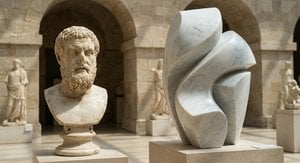
The Enduring Allure of Marble in Art History: From Classical Sculpture to Modern Abstraction
Explore the captivating history of marble sculpture from ancient Greece to modern art. Discover renowned artists like Canova & Michelangelo, carving techniques, and investment insights at ArtsDot.

Echoes of Antiquity: Enduring Themes & Techniques in Classic Art
Explore the enduring legacy of classical art! Discover ancient Greek & Roman influences, Renaissance masterpieces, and timeless techniques. Expert insights for collectors & enthusiasts at ArtsDot.

The Enduring Legacy of Marble: A Comprehensive Exploration of Technique, Symbolism & Artistic Expression
Explore the rich history of marble sculpture from antiquity to the Renaissance! Discover key techniques, influential artists & enduring themes in classical art. Expert insights for collectors and enthusiasts at ArtsDot.

Jacopo Pontormo: A Bridge Between Renaissance Tradition & Mannerist Emotion
Explore the captivating world of Jacopo Pontormo, a pivotal Italian Mannerist painter. Discover his unique style, influences & masterpieces – and find museum-quality reproductions at ArtsDot.
