
- Начало

- Възпроизведение на маслена картина
- Бронзино
- Venus, Cupid and Envy

 Купи принт
 Изпрати
 Сподели
 Details

 Изтегляне
 Подобни
 X-Ray
X-Ray Слайдшоу
Venus, Cupid and Envy
 Oil On Canvas
- WallArt
- Mannerism
 1548
1548 192.0 x 142.0 cm
 Музей на изкуствата (Будапеща)
Ръчно изработена маслена репродукция
Ръчно рисувана маслена картина върху платно във вашия размер и рамка, изработена по поръчка от нашите художници.




P118B $10

P118H $10

P118W $10

P438Z $10

P508JH $12

P508YH $12

P805H $10

P805Z $10

P919BZ $10

P919G $10

P919XJ $10

P959ZH $10

P968JZ $12

W106C $8

W218G $10

W218JH $8

W218Y $10

W307PJ $10

W316G $10

W316PJ $8

W316Y $10

W398PJ $8

W4111J $10

W500HY $15

W500JH $15

W692G $12

W849H $8

W940BG $15

W953PJ $8




 Прочетете повече
Изберете от предварително зададените размери, които съответстват на оригиналните пропорции на произведението.

Можете да въведете свои собствени размери, за да пасне на конкретна рамка или пространство. Ако избраният от вас размер не съответства на пропорциите на оригиналното изображение, ние ще изрежем произведението или ще удължим картината с допълнителни ръчно рисувани елементи. Дигитален макет ще бъде изпратен за ваше одобрение преди започване на производството.
Моля, обърнете внимание, че прегледът на екрана не отразява действителното изрязване или разширяване. Само макетът ще покаже точно финалния състав.
Въпреки че са налични персонализирани размери, препоръчваме да изберете размер от предварително дефинирания списък, за да запазите оригиналните пропорции.
След поръчка, екипът на ArtsDot.com ще изпрати имейл на клиента за инструкции и ще предостави преглед на макет.
Доставка по целия свят () в рамките на 3/4 седмици вместо стандартните 5 седмици. (1 Юли). Без компромис с качеството.

Безплатна експресна доставка по целия свят

Висококачествено ленено платно

Пълно застраховане при доставка

Гаранция за възстановяване на митнически такси

Гаранция за цветова точност

60-Дневен период за връщане (Само при дефекти)

100% Гаранция за връщане на парите

Предложение за отстъпка при поръчка на едро
 Стъклото е налично само в размери под 110 см

Venus, Cupid and Envy
Репродукционен метод
Размер на репродукцията
-


Обща цена
-
Описание на произведението
Agnolo Bronzino’s *Venus, Cupid and Envy*: A Study in Mannerist Elegance
Painted in 1548 by the Florentine master Agnolo Bronzino, *Venus, Cupid and Envy* is a captivating embodiment of Mannerist aesthetics – a style characterized by its deliberate artifice, elongated forms, and an intense focus on refined beauty. This exquisite oil painting, measuring 192 x 142 cm, transports the viewer to a world of classical mythology, sensual allure, and subtly unsettling emotion. Bronzino’s reputation as “the Master of Reserved Elegance” is perfectly realized here; he eschews the overtly emotional fervor of his contemporaries like Pontormo, instead crafting an image steeped in cool composure and meticulously rendered detail.
Composition and Technique
- Dynamic Arrangement: The composition immediately draws the eye to Venus, reclining with a languid grace upon a draped couch. Her pose is deliberately theatrical, reflecting the influence of Renaissance stagecraft and emphasizing her role as the goddess of love.
- Mannerist Distortion: Bronzino masterfully employs Mannerist techniques – notably elongated figures, subtly distorted perspectives, and an emphasis on elegant lines – to create a sense of visual tension and complexity. The putti flanking Venus are not merely decorative; their gestures and expressions contribute to the overall narrative of desire and potential conflict.
- Masterful Brushwork: The painting’s remarkable realism is achieved through Bronzino's incredibly precise brushwork. He meticulously builds up layers of oil paint, creating a rich texture that captures the nuances of skin tones, the flowing movement of drapery, and the subtle reflections of light. This technique demonstrates an unparalleled command of color blending and application.
Symbolism and Mythological Narrative
*Venus, Cupid and Envy* is rich in symbolic meaning rooted in classical mythology. Venus, as the goddess of love, is depicted with a bow and arrow, signifying her power to both bestow and inflict passion. The putti, representing Cupid (Eros), embody youthful desire and fertility. However, the inclusion of the partially visible satyr beneath Venus introduces an element of envy – a potent emotion often associated with beauty and unattainable love. This subtle detail elevates the painting beyond a simple depiction of mythological figures; it becomes a meditation on human vulnerability and the destructive nature of jealousy.
Historical Context and Artistic Influences
Bronzino’s work emerged during a period of significant artistic change in Florence. While influenced by the High Renaissance masters like Leonardo da Vinci and Michelangelo, he moved decisively into Mannerism, rejecting the idealized forms and harmonious compositions favored by his predecessors. His training under Pontormo initially shaped his style, but Bronzino quickly developed his own distinctive voice – one characterized by a cool detachment and an almost obsessive attention to detail. This painting reflects the artistic climate of 16th-century Florence, where artists sought to explore new aesthetic possibilities and challenge traditional notions of beauty.
Emotional Impact and Aesthetic Value
*Venus, Cupid and Envy* continues to resonate with viewers centuries after its creation. The painting’s sensual atmosphere, combined with its intellectual complexity, evokes a powerful emotional response – a blend of fascination, desire, and perhaps even a touch of melancholy. Bronzino's ability to capture both the physical beauty of his subject and the underlying psychological tensions makes this work a timeless masterpiece. Its meticulous detail and elegant composition make it an ideal subject for a high-quality reproduction, offering a window into the world of Renaissance art and the genius of Agnolo Bronzino.
Подобни произведения


Биография на художника
Agnolo Bronzino: The Silent Elegance of Florentine Mannerism
Agnolo di Cosimo, known to history as Bronzino, emerged from the vibrant artistic landscape of Renaissance Florence in 1503, a period already brimming with genius. Born the son of a butcher, his path diverged sharply from familial trade, guided instead by an innate talent that would see him become one of the most sought-after portraitists of his era and a defining figure of Mannerism. His early training began with Raffaellino del Garbo, but it was under the tutelage of Jacopo da Pontormo that Bronzino’s artistic sensibilities truly took shape. While absorbing Pontormo's innovative style—characterized by expressive distortions and unsettling perspectives—he ultimately forged his own distinct voice—one characterized by a cool composure and refined detail markedly different from his teacher’s often emotionally charged works. This early period was also influenced by studies with Andrea del Sarto, exposing him to the legacies of Michelangelo and Leonardo da Vinci, foundational influences that would subtly permeate his mature style. The young Bronzino quickly demonstrated an aptitude for capturing not just physical likeness but a certain psychological depth, even in his earliest commissions.Early Influences and Artistic Formation
Bronzino’s formative years were marked by exposure to the artistic currents of Florence under Pontormo's guidance. Pontormo’s distinctive style—a deliberate departure from classical ideals—challenged conventional notions of beauty and realism. Bronzino skillfully adapted Pontormo’s expressive distortions, incorporating them into his own compositions with remarkable subtlety. Simultaneously, he absorbed lessons from Andrea del Sarto, mastering the techniques of sfumato and chiaroscuro—methods pioneered by Leonardo da Vinci—which would become hallmarks of his later work. These influences instilled in Bronzino a profound appreciation for intellectual rigor alongside artistic virtuosity. His early portraits reveal an uncanny ability to convey inner states through carefully crafted poses and expressions, demonstrating a sensitivity that transcended mere visual representation. Vasari famously described Bronzino as “a boy who had been apprenticed to Pontormo,” highlighting the pivotal role played by his teacher in shaping his artistic vision.The Medici Patronage and Florentine Court Style
Bronzino’s career ascended dramatically with the patronage of Cosimo I de’ Medici, Duke of Tuscany. Recognizing Bronzino's exceptional talent, Cosimo appointed him as the official court painter—a position he held until his death in 1572—solidifying his influence on Florentine art and culture. This relationship fostered a flourishing artistic environment where Bronzino could hone his skills and explore innovative stylistic approaches. The portraits emanating from this period are not merely likenesses; they are meticulously constructed statements of power, status, and dynastic ambition. Cosimo and Eleonora di Toledo—his wife—became frequent subjects, immortalized in paintings that exude an aristocratic aloofness and polished elegance. These works weren’t simply about capturing physical resemblance but crafting enduring symbols of Medici authority—a deliberate effort to project an image of regal grandeur and intellectual refinement. The commissioning of monumental frescoes for the Villa Imperiale further cemented Bronzino's reputation as a master craftsman, demonstrating his ability to execute ambitious projects with unwavering precision.The Mannerist Aesthetic: Cool Composure and Stylized Form
Bronzino’s artistic style is quintessentially Mannerist—a movement that emerged in Florence during the mid-16th century as a reaction against the High Renaissance's emphasis on naturalism and harmonious balance. Unlike his predecessors, Bronzino rejected the idealized beauty of classical art, favoring instead a deliberately stylized aesthetic characterized by elongated figures, attenuated drapery, and subtle distortions of perspective. This approach—often described as “frozen emotion”—contrasted sharply with the expressive dynamism of Renaissance painting. Bronzino’s figures are rarely caught in moments of spontaneous action; rather, they appear posed with an almost sculptural stillness—a deliberate departure from the naturalistic conventions of earlier artists. His masterful use of sfumato—the blurring of contours to create a hazy effect—and chiaroscuro—the dramatic interplay of light and shadow—further enhanced this sense of detachment and refinement. As exemplified in *Venus, Cupid, Folly and Time*, Bronzino’s paintings are imbued with complex symbolism—a deliberate effort to convey intellectual ideas alongside visual beauty. He skillfully manipulated color palettes—often favoring muted tones—to achieve a harmonious balance between elegance and restraint.Legacy and Enduring Influence
Bronzino's contribution to Florentine art history is undeniable, shaping the visual language of aristocratic representation for decades to come. His meticulous technique and stylistic innovation established him as one of the foremost Mannerist painters—a master of cool composure and refined detail whose portraits continue to captivate audiences today. Despite criticisms leveled against Mannerism during the Romantic era—characterized by a preference for emotional expression—Bronzino’s work has experienced a resurgence in appreciation in recent decades, scholars recognizing the intellectual depth and stylistic sophistication inherent in his art. His legacy extends beyond individual masterpieces; he profoundly influenced subsequent generations of artists, establishing standards of excellence that continue to inspire creativity. Bronzino's enduring influence is evident not only in the stylistic conventions of portraiture but also in his pioneering role as a court painter—a position that demanded both artistic virtuosity and diplomatic sensitivity. He remains a testament to the power of art to convey complex ideas and emotions with unparalleled elegance and precision.
Бронзино
1503 - 1572 , Италия
Бързи факти
- Artistic Movement Or Style: Мannerism
- Artists Who Influenced This Artist:
- Якопо да Понтормо
- Микеланджело
- Леонардо да Винчи
- Date Of Birth: 17 ноември 1503 г.
- Date Of Death: 23 ноември 1572 г.
- Full Name: Agnolo di Cosimo
- Nationality: Италиански
- Notable Artworks:
- Венера, Купидон и Времето
- Портрети на Козимо I де' Медичи и Елеонора ди Толедо
- Place Of Birth: Флоренция, Италия
Всички статии

From Renaissance Memes to Viral Portraits: The Rise of Customized Classical Paintings in the Age of Instagram
Discover the captivating world of customized classical paintings! Explore how memes sparked a renaissance & learn to commission your own personalized portrait. Expert art consultation & museum-quality reproductions at ArtsDot.


Agnolo Bronzino: Mastering Courtly Portraiture & the Enigmatic Gaze of Renaissance Florence
Explore the captivating world of Agnolo Bronzino, Renaissance master portraitist. Discover his elegant style, symbolic depth & lasting influence on art history. Expert insights for collectors.
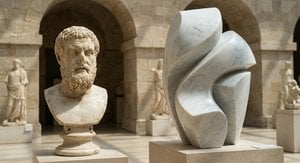
The Enduring Allure of Marble in Art History: From Classical Sculpture to Modern Abstraction
Explore the captivating history of marble sculpture from ancient Greece to modern art. Discover renowned artists like Canova & Michelangelo, carving techniques, and investment insights at ArtsDot.

Топ 10 шедьоври на Ренесансовия Хуманизъм – Изкуство, което промени света | ArtsDot.bg
Открийте топ 10 шедьоври на Ренесансовия Хуманизъм – Леонардо, Микеланджело и Рафаел. Разгледайте историите зад картините и техниките им. Купете висококачествени репродукции за вашия дом в ArtsDot.bg!

Топ 10 шедьоври на Ренесанса: Изкуство за вашия дом от ArtsDot.com
Открийте 10 шедьовъра на Ренесанса – Леонардо, Микеланджело и Рафаел! Историята зад изкуството, техниките и цветовете. Купете висококачествени репродукции за вашия дом в ArtsDot.com.



