1of 47
بابلو بيكاسو 1881–1973
إسباني From مالقة التكعيبية، السريالية On Wikipedia in 32 of 32 languages


The Cubist names to know
If you remember one Cubist رسام, make it بابلو بيكاسو (1881–1973), the name behind الحياة و Weeping Woman. After that come جورج براك, فرناند ليجيه, خوان غريس و روبرت ديلوناي. Our 47 picks go from Carl Newman (born 1858) to ضياء العزاوي (born 1939), from 28 countries.
How we picked them. We list the artists our catalogue links to Cubist, from the most famous down. Artists born after 1955 that we cannot yet check on Wikidata are left out. The Wikipedia number shows in how many of our 32 languages Wikipedia writes about them.
Quick facts
Meet them one by one
1of 47
إسباني From مالقة التكعيبية، السريالية On Wikipedia in 32 of 32 languages
3of 47
فرنسي From أرجينتان ['التكعيبية', 'الأسطوانية', 'القسم الذهبي', 'النقاء', 'الدادائية', 'البنائية'] On Wikipedia in 27 of 32 languages

Works to know · Their 100 best-known works
 المدينة
 أوديسة الغابة
 فرناند ليجر
حياة صاغتها الأشكال: عالم فرناند ليجر
فرناند ليجر، المولود جوزيف فرنان هنري ليجر في عام 1881 وسط المناظر الطبيعية الريفية في أرجنتان، نورماندي، يقف كشخصية محورية في تطور الفن الحديث. رحلته من الأراضي الزراعية في شبابه إلى طليعة الدوائر البار
4of 47
إسباني From مدريد التكعيبية، التكعيبية التركيبية، التكعيبية التحليلية On Wikipedia in 31 of 32 languages

6of 47
أوكراني/روسي From موسكو البنائية On Wikipedia in 26 of 32 languages

9of 47
أوكراني أمريكي From كييف التكعيبية، الطليعية On Wikipedia in 30 of 32 languages

10of 47
ليتواني-فرنسي-أمريكي From دروسكينينكي المدرسة التكعيبية، التكعيبية البلورية On Wikipedia in 17 of 32 languages

11of 47
بريطاني From باكينغهامشير ['الفن التجريدي', 'التكعيبية', 'البنائية'] On Wikipedia in 13 of 32 languages

13of 47
روسية From ملينكي ['السوبريماتية', 'التكعيبية المستقبلية', 'البدائية الجديدة'] On Wikipedia in 17 of 32 languages

16of 47
American Figurative art, Cubism

Carl Newman (1858-1932) remains a compelling, if often overlooked, figure in the landscape of late 19th and early 20th century American art. Born in Germany – though details surrounding his earliest life are somewhat elusive – Newman’s artistic journey took root in Philadelphia, where he became a student at the prestigious Pennsylvania Academy of the Fine Arts in both 1876 and 1879.
17of 47
فرنسي From لو مان التكعيبية، الرمزية On Wikipedia in 15 of 32 languages

19of 47
مكسيكي From أوخاكا التجريد التشخيصي، السريالية On Wikipedia in 16 of 32 languages

20of 47
Romanian From Iași ['Expressionism', 'Dadaism']

Arthur Segal (1875 – 1944) stands as a compelling figure in the turbulent landscape of early 20th-century European art, a Romanian artist whose career unfolded across multiple continents and artistic movements.
21of 47
أمريكي From بياويستوك التكعيبية، التعبيرية On Wikipedia in 15 of 32 languages

23of 47
روسي From فينيتسا المدرسة التكعيبية On Wikipedia in 12 of 32 languages

26of 47
Spanish From Barcelona Cubism On Wikipedia in 15 of 32 languages

Born in Barcelona on September 21st, 1876, González was destined for a life intertwined with metal. He descended from a lineage steeped in the meticulous traditions of craftsmanship; his grandfather was a goldsmith in Galicia, and his father, Concordio González, operated a workshop specializing in the fabrication of gold, silver, and iron.
27of 47
Polish-French From Warsaw Cubism, School of Paris, Impressionism On Wikipedia in 11 of 32 languages

Louis Marcoussis, born Ludwik Kazimierz Wladyslaw Markus or Ludwig Casimir Ladislas Markus in Łódź, Poland around 1878 or 1883, stands as a singular figure within the vibrant School of Paris movement. His artistic journey spanned from Kraków Academy of Fine Arts to establishing himself as a respected artist in France, where he embraced Cubism alongside fellow luminaries like Joan Miró and Pablo Picasso.
28of 47
French From Damville Cubism On Wikipedia in 18 of 32 languages

Raymond Duchamp - Villon, born Pierre-Maurice-Raymond Duchamp in 1876 in Damville, France, stands as a pivotal figure in the dramatic shift from traditional sculpture to the dynamic language of modernism. Coming from a remarkably creative family—brothers Jacques Villon, Marcel Duchamp, and sister Suzanne Duchamp -Crotti all achieved prominence as artists—Raymond initially pursued medicine at the Sorbonne.
29of 47
French Cubism

Armand Schonberger (1885–1974) stands as a captivating figure in the tapestry of early 20th-century modernism, a painter whose brush bridged the delicate light of Impressionism with the fractured, rhythmic energy of Cubism. Born in Galgóc and later finding his artistic soul within the vibrant bohemian circles of Munich and Budapest, Schonberger’s life was a continuous dialogue between tradition and the avant-garde.
30of 47
Mexican Cubism

In the grand tapestry of Mexican modernism, few artists managed to weave together the structural rigor of European avant-garde with the soulful warmth of regional tradition as masterfully as Gabriel Portly Del Toro. Born in 1927 in the culturally rich landscape of Colima, Mexico, his life and work served as a bridge between the monumental social realism of the muralist movement and the fragmented, rhythmic beauty of Cubism.
31of 47
بريطاني From لندن المستقبلية، التكعيبية On Wikipedia in 9 of 32 languages

برز كريستوفر ريتشارد وين نيفينسون، المعروف بـ C.R.W.
36of 47
Russian From Minsk Cubism & Futurism On Wikipedia in 3 of 32 languages

37of 47
مجري From زالاجيرسيج التكعيبية والسريالية On Wikipedia in 7 of 32 languages

38of 47
Hungarian From Budapest École de Paris, Cubism On Wikipedia in 5 of 32 languages

Born in Budapest in 1887 into a family deeply rooted in publishing—his father, József Wolfner, was the founder of Singer and Wolfner – Farkas’s early life was marked by both privilege and profound loss. Farkas’s artistic education began under the guidance of László Mednyánszky in Budapest, an early exposure to the burgeoning Hungarian art scene.
39of 47
British From London English Cubism On Wikipedia in 6 of 32 languages

In the turbulent landscape of early twentieth-century British art, few figures navigated the tension between tradition and the avant-garde as uniquely as William Patrick Roberts.
40of 47
نرويجي From كوبنهاجن ['الرمزية', 'التعبيرية'] On Wikipedia in 4 of 32 languages

42of 47
American From Eau Claire Cubism, Modernism On Wikipedia in 3 of 32 languages

Karl Knaths, born in Eau Claire, Wisconsin, in 1891, emerged as a pivotal figure in the development of American Modernism. Gale facilitated an introduction to Dudley Crafts Watson at the Milwaukee Art Institute, providing Knaths with formal training and setting him on a course toward professional artistry. The watershed moment in his development arrived with the 1913 Armory Show in Chicago.
44of 47
Italian From Faenza Roman School; Archaic Style On Wikipedia in 5 of 32 languages

Franco Gentilini (1909-1981) stands as a significant figure in Italian modernist art, particularly within the Roman School movement—a collective dedicated to reviving classical artistic principles while embracing contemporary sensibilities. Early Life & Education: Gentilini’s formative years were spent honing his craft as a ceramicist in Faenza, Italy—a region renowned for its rich tradition of artisanal pottery.
46of 47
British Socialist Realism; New Realism On Wikipedia in 1 of 32 languages

His early years were defined by a dual education: the formal training at the Wimbledon School of Art and the Royal College of Art, which sharpened his technical draughtsmanship, and the raw, lived experience of London’s streets, which forged his political soul. A pivotal moment occurred in 1930 when he traveled to the Soviet Union.
47of 47
Spanish From Milan Catalan Modernisme On Wikipedia in 1 of 32 languages

Emilio Tadini was far more than a painter; he was a profound architect of meaning within the Italian cultural landscape. Born in Milan in 1927, his journey began not with a brush, but with the written word. A poet, novelist, and essayist, Tadini first emerged onto the prestigious literary stage in 1947 through Elio Vittorini's magazine, Politecnico.
Pictures worth knowing
When it happened
Fun figures
| فرنسا | 7 |
|---|---|
| إسبانيا | 4 |
| روسيا | 3 |
| المملكة المتحدة | 3 |
| الولايات المتحدة | 2 |
| أوكرانيا | 2 |
| United Kingdom | 2 |
| Italy | 2 |
| 1850s | 1 |
|---|---|
| 1860s | 1 |
| 1870s | 7 |
| 1880s | 21 |
| 1890s | 9 |
| 1900s | 4 |
| 1910s | 1 |
| 1920s | 2 |
| 1930s | 1 |
| The Phillips Collection | 5 |
|---|---|
| معهد شيكاغو للفنون | 3 |
| متحف كرولر-مولر | 2 |
| New Walk Museum - Art Gallery | 2 |
| Statens Museum For Kunst | 2 |
| متحف سميثسونيان للفن الأمريكي | 2 |
| تات مدرن | 1 |
| Tate Gallery | 1 |
Just the names
بابلو بيكاسوإسباني · 1881–1973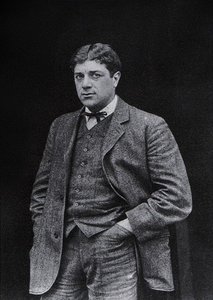 جورج براك1882–1963فرناند ليجيهفرنسي · 1881–1955خوان غريسإسباني · 1887–1927
 روبرت ديلوناي1885–1941فلاديمير تاتلينأوكراني/روسي · 1885–1953
 ليونيل فايننغر1871–1956
 جينو سيفيرينى1883–1966ألكسندر آرتشيبنكوأوكراني أمريكي · 1887–1964جاك ليبشيتزليتواني-فرنسي-أمريكي · 1891–1973بن نيكلسونبريطاني · 1894–1982
 ماري لورنسان1883–1956أولغا روزانوفاروسية · 1886–1918
 جان ميتزنجر1883–1956
 ليوبوف سيرغييفنا بوبوفا1889–1924Carl NewmanAmerican · 1858–1932روجر دي لا فريسنفرنسي · 1885–1925
 أماديو دي سوزا كاردوسو1887–1918روفينو تامايومكسيكي · 1899–1990Arthur SegalRomanian · 1875–1944ماكس ويبرأمريكي · 1881–1961
 خواكين توريس غارسيا1874–1949ناثان ألتمانروسي · 1889–1970
 أندريه لوت1885–1962
 ماريا بلانشارد1881–1932Julio GonzálezSpanish · 1876–1942Louis MarcoussisPolish-French · 1878–1941Raymond Duchamp-VillonFrench · 1876–1918Armand SchonbergerFrench · 1885–1974Gabriel Portillo Del ToroMexican · 1927–2013كريستوفر ريتشارد وين نيفينسونبريطاني · 1889–1946
 ألفرد هنري مورر1868–1932
 ضياء العزاويعراقي · ولد في 1939
 إميليو بيتوروتي1892–1971
 أوريليو أرتيتا1879–1940Morris KantorRussian · 1896–1974لايوش فايدامجري · 1908–1941István FarkasHungarian · 1887–1944William RobertsBritish · 1895–1980فيلهلم هنري لوندسترومنرويجي · 1893–1950
 ويليام جورج جيليس1899–1970Karl KnathsAmerican · 1891–1971
 نيكوس هادجيكيراكيوس-غيكا1906–1994Franco GentiliniItalian · 1909–1981
 روبرت كولكوناسكتلندي · 1914–1962Cliff RoweBritish · 1904–1988Emilio TadiniSpanish · 1927–2002
Good questions
بابلو بيكاسو (#1) is first in this ranking, followed by جورج براك (#2) and فرناند ليجيه (#3).
بابلو بيكاسو (#1), جورج براك (#2), فرناند ليجيه (#3), خوان غريس (#4) و روبرت ديلوناي (#5).
نيويورك: 2 of the رسامون in this list were born there.
The highest-ranked living رسامون in this list are ضياء العزاوي (#33).
4 women are in this ranking: ماري لورنسان (#12), أولغا روزانوفا (#13), ليوبوف سيرغييفنا بوبوفا (#15) و ماريا بلانشارد (#25).
The highest-ranked رسامون born in فرنسا are جورج براك (#2), فرناند ليجيه (#3), روبرت ديلوناي (#5), ماري لورنسان (#12) و جان ميتزنجر (#14).
فرنسا: 7 of the 47 رسامون in this list were born there, then إسبانيا (4) و روسيا (3).
Most رسامون in this list were born in the 1880s (21 of 47), between 1858 and 1939 overall.
The earliest-born رسام in this list is Carl Newman (#16), born in 1858.
The museums holding the most key works of this list are The Phillips Collection (5), معهد شيكاغو للفنون (3) و متحف كرولر-مولر (2).
Our catalogue holds 7,389 works by these رسامون. Each one can be ordered as a hand-painted oil reproduction or a print.
Read more
Other styles
 فنانون مشهورون من Baroqueالحارس الليلي · رامبرانت
 فنانون مشهورون من Contemporary Realistالجامعات · جان فرانسوا ميليه
 فنانون مشهورون من Impressionistليلة مرصعة بالنجوم (نيويورك، متحف الفن الحديث) · فنسنت فان خوخ
 فنانون مشهورون من Romanticistزحل وهو يلتهم ابنه · فرانثيسكو غويا
 فنانون مشهورون من NeoclassicistThe Death of Marat · جاك لوي دافيد
 فنانون مشهورون من Realistأصل العالم · غوستاف كوربيه
 فنانون مشهورون من Renaissanceالموناليزا (لا جوكوندا) · ليوناردو دا فينشي
 فنانون مشهورون من Dutch Golden Ageالفتاة ذات القرط المنصوع من اللؤلؤ · يوهانس فيرمير
 فنانون مشهورون من Expressionistتكوين السابع · فاسيلي كاندينسكي
 فنانون مشهورون من Rococoجين-أنتوان واتو
1717
الإنزال إلى سيثيرا: تحفة من أناقة الروكوكو
"الإنزال إلى سيثيرا" لجين-أنتوان واتو مثال نموذجي على أسلوب الروكوكو، حيث يلتقط روح المرح والرومانسية في القرن الثامن عشر الفرنسي. تدعو هذه اللوحة الساحرة، التي تم إنشاؤها عام 1717، المشاه · أنطوان واتو
Other eras
 فنانون مشهورون من Early MedievalSnowy River · وانج وي
 فنانون مشهورون من High Medievalالعذراء في العظمة (عذراء أوني سانتيني) · جوتو دي بوندوني
 فنانون مشهورون من Late Medievalالبشارة والقديسان · سيمون مارتيني
 فنانون مشهورون من Renaissanceخلق آدم · ميكيلانجيلو
 فنانون مشهورون من Early Modernنداء القديس متى · كارافاجيو
 فنانون مشهورون من 19th Centuryالزنابق المائية (أو النيمفيا) · كلود مونيه
 فنانون مشهورون من Modernغرنيكا · بابلو بيكاسو
 فنانون مشهورون من ContemporaryWind Sculpture III (one in a series of nine) · Yinka Shonibare
Keep exploring