
New to High Medieval? Start here
Famous High Medieval Artists: Our Top 96
If you remember one High Medieval artist, make it جوتو دي بوندوني (1267–1337), the name behind العذراء في العظمة (عذراء أوني سانتيني) and رقم 31 مشاهد من حياة المسيح: 15. القبض على المسيح (قبلة يهوذا). After that come دوتشيو, تشيمابو, جاو منغ فو and تشو شي. Our 96 picks go from Xu Daoning (born 970) to Huang Gongwang (born 1269), from 25 countries.
How we picked them. We list the artists our catalogue links to High Medieval, from the most famous down. Artists born after 1955 that we cannot yet check on Wikidata are left out. The Wikipedia number shows in how many of our 32 languages Wikipedia writes about them.


Quick facts
High Medieval in a nutshell
- 96Artists
- 970–1269Years of birth
- 25Countries of birth
- 3Women
- 3Living artists
- 1429Works in our catalogue
- Museums holding the most key works
- متحف المتروبوليتان للفنون (10), متحف كليفلاند للفنون (9), The Palace Museum (8), متحف القصر الوطني (8)
- The women of this list
- Herrad of Landsberg, Guan Daosheng, Hildegard von Bingen
Meet them one by one
The 96 famous High Medieval artists, from most famous down


2of 96
دوتشيو 1255–1319
إيطالي From سيينا المدرسة السينية، القوطية في القرن الرابع عشر On Wikipedia in 31 of 32 languages


3of 96
تشيمابو 1240–1302
إيطالي From فلورنسا البيزنطية والريتشينسنس On Wikipedia in 28 of 32 languages


4of 96
جاو منغ فو 1254–1322
صيني From هوزو رسم المثقفين؛ رسم المناظر الطبيعية On Wikipedia in 18 of 32 languages


6of 96
ما يوان 1160–1225
صيني From هانغتشو مدرسة ما-شيا، سلالة سونغ الجنوبية On Wikipedia in 19 of 32 languages


7of 96
Guo Xi 1020–1090
صيني From ينتشنغ رسم المناظر الطبيعية في عهد أسرة سونغ الشمالية On Wikipedia in 16 of 32 languages


8of 96
Emperor Huizong of Song 1082–1135
Chinese From Kaifeng Song Dynasty; Slender Gold calligraphy On Wikipedia in 19 of 32 languages

Born Zhao Ji in 1082, he ascended to the throne during a period of unparalleled cultural flowering, yet his reign would ultimately become synonymous with the decline of the Northern Song dynasty. As a patron, he transformed the imperial court into a sanctuary for talent, establishing the Hanlin Imperial Painting House to gather the finest masters from across the empire.


9of 96
Muqi 1210–1269
Chinese From Sichuan Chan painting On Wikipedia in 14 of 32 languages

In the quiet, mist-shrouded landscapes of the thirteenth century, a monk emerged from the Sichuan province whose brushstrokes would forever alter the course of East Asian aesthetics. Muqi Fachang, known to history by his art name Muqi or Muxi, was not merely a painter but a spiritual conduit, translating the profound silences of Chan Buddhism into the language of ink and paper.


10of 96
غيدو من سيينا 1230–1290
فرنسي From إيطاليا العمارة/التصميم في العصور الوسطى On Wikipedia in 17 of 32 languages


11of 96
بونافنتورا بيرلينغييري 1210–1287
إيطالي From لكة الأسلوب البيزنطي On Wikipedia in 14 of 32 languages


12of 96
Master Mateo 1161–1217
Spanish Romanesque Sculpture

Master Mateo, a sculptor whose name remains shrouded in mystery despite his monumental contribution to the Catedral de Santiago de Compostela Cathedral, stands as one of the most revered figures of Romanesque art in Spain. Born around 1161 in Galicia, though precise details about his life are scarce, Mateo’s legacy rests primarily on his unparalleled achievement: the Portico de la Gloria.


15of 96
Lorenzo Maitani 1255–1330
Italian From Siena Gothic & Renaissance

Lorenzo Maitani stands as a pivotal figure in the transition of Italian art, a master whose hands and vision helped bridge the gap between the medieval spirit and the burgeoning dawn of the Renaissance. Born in Siena around 1275, Maitani emerged from the rich, burgeoning Gothic traditions of Tuscany, a landscape where stone and light were beginning to dance in new, complex rhythms.


16of 96
Li Gonglin 1049–1106
From Tongcheng Song Dynasty painting On Wikipedia in 9 of 32 languages

He dedicated his life to the study of calligraphy, painting, poetry, and history, passing the imperial examinations at a relatively late age – a testament to his focused dedication rather than early brilliance.


17of 96
ما لين 1180–1256
صيني From باودينغ تقنية الرسم 'بدون عظام' On Wikipedia in 7 of 32 languages


18of 96
Yi Kyu-Bo 1168–1241
Korean Confucianism

Yi Kyu-Bo (이규보; hanja: 李奎報; 1168–1241) stands as one of the most celebrated figures in Korean literary history, a beacon of artistic brilliance amidst the tumultuous backdrop of the Koryo Dynasty. Early Life & Education: From childhood, Yi Kyu-Bo demonstrated exceptional talent in literature, memorizing classical texts after a single reading – a feat considered extraordinary for the time.
19of 96
Gislebertus 1120–1135
French Romanesque Sculpture

Specifically celebrated for his profound contribution to Saint Lazare Cathedral in Autym, France, he emerged from the fertile artistic landscape of Burgundy during a period profoundly shaped by religious fervor and burgeoning architectural ambition. While biographical details remain scarce, scholars believe he was trained at Cluny Abbey, arguably the epicenter of European monastic art and intellectual life at the time.


20of 96
Badīʿ Az-Zaman Abu L-ʿIzz Ibn IsmāʿĪl Ibn Ar-Razāz Al-Jazarī 1136–1206
Muslim From Jazirat Ibn Omar Islamic Golden Age Engineering

Born in Jazirat Ibn Omar, Turkey, around 1136 and passing away in 1206, Badīʿ az-Zaman Abu l-ʿizz ibn Ismāʿīl ibn ar-razāz al-jazarī – often simply known as al-Jazari – stands as a towering figure in the history of science, engineering, and art. Al-Jazari’s life unfolded within the vibrant, multicultural city of Jazira (modern-day Mosul), a crucial crossroads in the Artuqid dynasty's sphere of influence.


21of 96
Giunta Pisano 1190–1260
Italian From Pisa Renaissance style On Wikipedia in 10 of 32 languages

Born in Pisa around 1190 and tragically dying sometime before 1258 or 1260, Giunta’s legacy rests primarily on his profoundly influential crucifixes – works that dramatically shifted the artistic representation of Christ's suffering and laid the groundwork for subsequent generations of Renaissance artists.


22of 96
Xia Gui 1195–1224
Song dynasty From Hangzhou On Wikipedia in 16 of 32 languages

Xia Gui was a Chinese landscape painter of the Song dynasty, most likely born in Hangzhou, People's Republic of China. Alongside his contemporary Ma Yuan, he founded the influential Ma-Xia school. While much of his life remains unknown, he served in the Imperial Painting Academy during the reign of Emperor Ningzong.


24of 96
Li Tang 1050–1130
Song dynasty From Meng Prefecture Academy-style landscape On Wikipedia in 15 of 32 languages

The most definitive evidence of his hand appears on a large hanging scroll titled Wind in Pines Among a Myriad Valleys, also known as Whispering Pines in the Mountains. The inscription identifies the work as being painted by Li Tang of Ho-yang during the spring of the chia-ch'en year of the Hsüan-ho Reign of the Great Song.
See them at The physical remnants of Li Tang's brushwork reside primarily within major institutional collections.

25of 96
Qian Xuan 1235–1305
Chinese From Wuxing District Fur and feathers painting; Song realism blended with archaic Tang style On Wikipedia in 12 of 32 languages

In the turbulent transition between the Southern Song and the Yuan Dynasty, few figures embody the quiet resilience of the Chinese scholar-official as poignantly as Qian Xuan. Born around 1235 in the serene landscape of Zhuzhou, within the modern Wuxing District, Qian Xuan’s life was a profound study in the tension between worldly ambition and spiritual retreat.


26of 96
Matthew Paris 1200–1259
English Medieval Art

To step into the world of Matthew Paris is to traverse a threshold of eight centuries, entering a vibrant and meticulously documented era of thirteenth-century England. A Benedictine monk at the renowned St Albans Abbey, Paris was far more than a mere silent observer of history; he was its most vivid architect.


27of 96
Jingdezhen Ceramic Kiln born 1004
Chinese From Jingdezhen Imperial porcelain

This transformative power finds its most sublime expression in the Jingdezhen ceramic kiln, an institution of artistry established around 1004 CE during the reign of Emperor Zhenzong. While archaeological evidence confirms that pottery production existed in the region as early as the sixth century CE, it was during the Yuan Dynasty (1271–1368) that the kilns truly ascended to global prominence.

28of 96
Herrad of Landsberg 1130–1196
On Wikipedia in 16 of 32 languages

Herrad of Landsberg, a woman of noble Alsatian lineage, emerged not merely as a religious leader but as one of the most significant polymaths of the Middle Ages. Under the patronage of the Holy Roman Emperor Frederick Barbarossa, the Hohenburg Abbey flourished, providing Herrad with access to the most comprehensive education available to women of her time.


29of 96
Fujiwara No Teika, Fujiwara No Sadaie 1162–1241
Japanese From Kyoto Waka poetry

In the twilight of the Heian era and the burgeoning dawn of the Kamakura period, a figure emerged from the heart of Kyoto whose creative spirit would forever define the Japanese aesthetic. Born in 1162, Fujiwara no Teika—often known by his name Fujiwara no Sadaie—was far more than a mere scholar; he was a weaver of emotions and a master of the ephemeral.

30of 96
Joannes Koulix born 1101
Byzantine From standardized city name Manuscript illumination

The world of medieval art offers glimpses into a rich tapestry of faith, culture, and artistic skill, and among its most captivating figures stands Johannes Koulix. Born in 1101, Koulix’s legacy resides primarily within the delicate beauty of his illuminated manuscript leaf from the Epistle to the Hebrews —a testament to the enduring power of Byzantine artistry.

31of 96
Břetislav I 1002–1055
Czech Medieval Coin Art

In the turbulent tapestry of medieval Europe, few figures loom as large or as formidable as Bretislav I, a ruler whose very name evokes the strength and strategic brilliance of the Přemyslid dynasty. Often whispered of in historical chronicles as the "Bohemian Achilles," Bretislav was far more than a mere conqueror; he was the visionary architect who reshaped the political landscape of Bohemia and Moravia.
32of 96
Villard De Honnecourt 1200–1266
French Gothic architecture

Born likely around 1200 in Honnecourt, a small village near Cambrai on the fringes of Picardy and Artois, Villard’s life remains largely enigmatic. Early speculation suggested he was a successful architect, perhaps even an itinerant master commissioned to design churches and fortifications across northern France.


33of 96
Fujiwara No Sadanaga 1139–1202
Japanese From Kyoto Waka poetry

Born into the refined world of Kyoto, Japan, in 1139 as Fujiwara no Sadanaga, Jakuren was destined for a life steeped in artistic and spiritual pursuit. Following the untimely death of his uncle, Shunzei's younger brother, young Sadanaga found himself welcomed into the household of Fujiwara no Shunzei—a poet of immense renown and a pivotal figure in shaping the aesthetic sensibilities of the Heian period.

34of 96
Zhang Zeduan 1085–1145
Chinese Empire From Zhucheng shan shui On Wikipedia in 15 of 32 languages

Born in 1085 in Zhucheng, he was a native of Dongwu who operated during a volatile era of Chinese history. His lifespan, spanning from 1085 to 1145, coincided with the transitional period between the Northern Song and the Southern Song dynasties.
See them at Tracing the physical presence of Zhang Zeduan's output requires looking toward two major institutions in East Asia.
35of 96
Sū Hànchén 1094–1172
Chinese From Kaifeng Song Dynasty painting

Su Hanchen, a name resonating with delicate brushstrokes and poignant portrayals of human life, flourished during the Song Dynasty (1094-1172). Born in Bianjing – modern-day Kaifeng, Henan province – at a time when Chinese art was undergoing a period of remarkable refinement, Su Hanchen dedicated his career to capturing the subtleties of emotion and form.

36of 96
Saigyō Hōshi 1118–1190
Japanese From Kyoto

Saigyō Hōshi, born in Kyoto in 1118, was far more than a mere monk; he was a wandering poet whose verses captured the very heartbeat of the Japanese wilderness. The essence of Saigyō’s work lies in his mastery of waka, a classical form of Japanese poetry characterized by its delicate emotional resonance and rhythmic elegance.


37of 96
Gaddo Gaddi 1240–1312
Italian From Florence Gothic Art

Born around 1240, Gaddi emerged from a lineage deeply rooted in the artisanal soul of Tuscany. He was the father of Taddeo Gaddi, one of Giotto’s most talented pupils, and a vital link in a chain of artists that would define the Florentine school.


38of 96
Huang Gongwang 1269–1354
Yuan dynasty From Changzhou Literati painters (wenrenhua) On Wikipedia in 12 of 32 languages

Born at the twilight of the Song dynasty in 1269, Huang Gongwang entered a world in transition. This technical mastery was not merely intuitive; he sought to codify his understanding of the medium in his treatise, Secrets of Landscape Painting (寫山水訣, Xiě Shānshuǐ Jué). Early in his career, around 1322, he produced Summer Mountains, a work inspired by the style of Dong Yuan.


39of 96
Rai Kuniyuki 1219–1298
Japanese From Kyoto Bizen tradition

Rai Kuniyuki (1219-1298) stands as a monumental figure within the annals of Japanese swordsmithing, embodying the zenith of the Bizen tradition—a style characterized by its exceptional purity of steel and meticulous craftsmanship. Born in Kyoto during the Kamakura period, Kuniyuki’s life coincided with a pivotal moment in Japanese history: the decline of centralized imperial rule and the rise of warrior clans vying for dominance.
40of 96
Meliore Of Jacopo 1255–1285
Italian Medieval Italian art

Meliore di Jacopo stands as a fascinating figure in the burgeoning artistic landscape of Florence during the Late Medieval period, a testament to the city’s ambition and creativity amidst the broader currents of European art history. The first certain reference to Meliore emerges around 1260, when he appears as "Megliore dipintore" in a list of Florentine citizens who participated in the Battle of Montaperti.
41of 96
Guan Daosheng 1262–1319
Chinese From Huzhou Bamboo painting, Calligraphy On Wikipedia in 15 of 32 languages

Among them shone Guan Zhongji (管道昇), also known as Lady Zhongji – a name that resonates through Chinese art history as a beacon of female accomplishment. Her life unfolded during a period of transition, following the Song Dynasty’s fall and under Mongol rule, a context that subtly informed her artistic choices and perhaps fueled her dedication to expressing inner resilience through nature.


42of 96
Philippe le Bel 1268–1314
French From Fontainebleau

Born in 1268 at the royal residence of Fontainebleau, his life unfolded during a period of immense transformation for France, a shift from medieval feudalism towards a more centralized state. His reign, stretching from 1285 to 1314, wasn't marked by patronage in the traditional sense—he didn’t commission grand paintings or sculptures for personal glory.

43of 96
Coppo di Marcovaldo 1225–1276
Italian From Florence Italo-Byzantine Art On Wikipedia in 12 of 32 languages

Born in Florence around 1225, Coppo operated during an era of profound cultural shifts, where the solemnity of Byzantine iconography began to encounter the burgeoning naturalism of Italian sensibilities. His life was not merely one of quiet contemplation in a studio; historical records, such as those found in the Book of Montaperti, suggest he was even caught in the violent currents of Florentine military campaigns against Siena in 1260.


44of 96
Fujiwara No Tadaie(Teika) 1033–1091
Japanese From Kyoto Heian period art

Fujiwara no Tadaie, born in Kyoto in 1033 and passing away on December 19th, 1091, was a quintessential figure of the Japanese Heian period—a time celebrated for its refined aesthetic sensibilities and intricate courtly life. Serving under Emperors Go-Reizei, Shirakawa, and Horikawa, he steadily climbed to the Senior Second Rank—a prestigious position signifying high honor—and ultimately attained the office of Dainagon, or Major Counselor.

45of 96
Kuo, River 1031–1095
Chinese From Hangzhou Song Dynasty Science & Philosophy

To encounter the work of River Kuo is to step into a world where the boundaries between scientific precision and raw, emotive expression dissolve.


47of 96
محمد بن عمار 1031–1086
بريطانية From سيلفش الرسم النباتي

muhammad ibn ammar, also known as abū bakr muḥammad ibn ʿammār ibn al-ḥusayn ibn ʿammār al-quḍā'ī, was a prominent arab poet and painter from silves, portugal, born in 1031. his life is shrouded in mystery, with limited information available about his early years.


49of 96
Sakyō No Daibu Akisuke 1090–1155
American From Kyoto Hip Hop/Electronic

The artist known as 1090 Blokk Boyz, a name that simultaneously evokes the raw energy of Detroit’s underground hip-hop scene and hints at a deeper, almost ritualistic approach to creation, remains a somewhat shrouded figure. While biographical details are scarce – primarily gleaned from online music platforms like Last.fm and Popnable – his work speaks volumes about a dedication to sonic exploration and a unique visual aesthetic.

50of 96
Magnus Sigurdsson Or Sigurd Haraldsson 1115–1155
Norwegian From Oslo Medieval Kingship

At the heart of this tumultuous era stood two figures inextricably linked: Magnus Sigurdsson, known as Magnus the Blind, and Sigurd Haraldsson, often called Sigurd Munn. Born in Oslo around 1115, both were sons of Harald Gille, a king whose own ascent to the throne was steeped in controversy, and his mistress Thora Guttormsdotter.

51of 96
Kamo No Shigeyasu 1119–1191
Japanese From Kyoto Waka poetry

Born in Kyoto in 1119, Kamo no Shigeyasu (賀茂重保) was a figure of profound subtlety and quiet influence within the vibrant cultural landscape of 12th-century Japan. More than simply a poet, he served as head priest of the Kamo Shrine, a position that deeply intertwined his spiritual life with his artistic endeavors.

52of 96
Fujiwara no Tameyori 1128–1201
Japanese From Kyoto Waka poetry

fujiwara no tameyori, a renowned japanese poet and compiler of imperial anthologies, was born in kyoto, japan in 1128. as a member of the nagaie lineage of the northern branch of the fujiwara clan, he was the second son of the poet teika and married to abutsu-ni.
53of 96
Hemachandra 1088–1172
From Dhandhuka On Wikipedia in 10 of 32 languages

His literary output was vast, ranging from the epic poem Triśaṣṭi-śalākā-puruṣacarita, which details the lives of important figures in Jainism, to political treatises like the Arhannīti.
Works to know · Their 100 best-known works


54of 96
Bolesław Iv The Curly 1138–1173
Polish From Krakow Medieval Art

In the turbulent landscape of twelfth-century Poland, where the echoes of the Piast dynasty's greatness still resonated, Bolesław IV the Curly emerged not merely as a ruler, but as a transformative force. Following the untimely passing of his elder brothers, Leszek and Casimir, Bolesław ascended to the dukedom of Masovia, stepping into a political arena fraught with tension and the looming shadow of his half-brother, Władysław II the Exile.

55of 96
Fujiwara No Koreyuki 1139–1175
Japanese From Zama Heian calligraphy & poetry
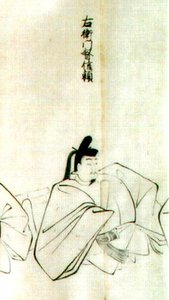
Fujiwara no Koreyuki, born in Zama, Japan, in 1139 and passing away in 1175, represents a fascinating intersection of aristocratic lineage and artistic dedication within the waning years of the Heian period.


56of 96
Adelhog 1170–1190
German From Hildesheim Medieval Art

While much of his early education remains shrouded in the mists of time, historical records point toward his training at the Toulouse Cathedral in France. This international perspective allowed him to bring a sense of continental elegance back to the German territories, bridging the gap between local tradition and the burgeoning artistic movements of the high Middle Ages.
57of 96
Urtu Saqaltu 1190–1244
Khitan From Beijing Literati painting, Confucian tradition

Born in the bustling heart of 13th-century Beijing – then known as Yanjing and a vital center within the Liao Dynasty – Yelü Chucai (also rendered as Yelu Chu Tsai) stands as a fascinating figure bridging the worlds of Khitan nobility, Confucian scholarship, and ultimately, Mongol power. While celebrated for his artistic talent, Yelü Chucai's true impact lies in his role as a political advisor to Genghis Khan.

58of 96
Fernando Martins De Bulhões 1195–1231
Portuguese From Lisbon Religious Art

Fernando Martins de Bulhões, known to the world as Saint Anthony of Padua, emerged from the vibrant tapestry of 13th-century Portugal as a beacon of faith and compassion.

59of 96
Lanxi Daolong 1213–1278
Chinese From Lanxi Zen Buddhism, Calligraphy

Born Ran Xī in 1213 in the verdant province of Sichuan during the Southern Song dynasty, his life was not one of worldly ambition but an unfolding quest for spiritual understanding. His arrival in Hakata, Kyushu, quickly drew attention, and he soon found himself invited by Hōjō Tokiyori, the powerful regent of Japan, to establish a Zen presence within the nation’s borders.

60of 96
Master Of Bigallo born 1218
Italian Proto-Renaissance

Pinpointing the exact dates of his career is challenging, though scholars generally place his activity between 1215/20 and 1265. Early evidence suggests he was already active by 1230, producing a “ Madonna and Child ” panel now housed in the Fiesole Cathedral.
61of 96
Master Of Cabestany 1130–1180
Italian Romanesque

The twelfth century witnessed a flourishing of artistic expression across Europe, yet few sculptors remain as shrouded in mystery and intrigue as the artist known simply as the Master of Cabestany. Active roughly between 1130 and 1180, this anonymous Italian sculptor left an indelible mark on Romanesque art, his distinctive style gracing churches and monasteries from his native Italy to the sun-drenched landscapes of southern France and Spain.


62of 96
Hōgen En’I 1240–1300
Japanese From Kyoto Yamato-e & Emakimono

En’i’s early training, steeped in the sacred iconography of Buddhism and the subtle nuances of the natural world, prepared him to become a singular voice in an age of transformation, turning the act of painting into a meditative bridge between the earthly and the divine.

63of 96
Issan Ichinei 1247–1317
Chinese From Linhai Zen Buddhism, Gozan Bungaku

Issan Ichinei, born Hu in 1247 in Linhai, Zhejiang province, China, stands as a pivotal figure in the transmission of Zen Buddhism from its native land to Japan. This initial exploration led him through various schools, including Tiantai, before he found his true calling in Chan Buddhism—the school we know as Zen in the West.
64of 96
Xianyu Shu 1256–1301
Chinese From Yuyang Yuan Dynasty Poetry & Calligraphy

Xianyu Shu, also known as Boji (1256-1301), stands as a compelling figure bridging the worlds of poetry, calligraphy, connoisseurship, and official life during the Yuan Dynasty. Born in Yuyang, Hebei province – a region steeped in northern traditions – his journey reflects a fascinating cultural exchange between the Mongol court and the established Han Chinese elite.
65of 96
بينديديتو أنتيلامي 1150–1230
From لومباردي Romanesque

An Italian architect and sculptor of the Romanesque school, Antelami stands as a monumental figure whose creative spirit bridged the gap between the sturdy traditions of late antiquity and the emerging fluidity of the Gothic era. Likely originating from Lombardy, Italy, his sculptural style was deeply rooted in local north Italian traditions, yet it possessed a visionary quality that allowed him to transcend the rigid boundaries of his time.


66of 96
Saionji Kinhira 1264–1315
Japanese From Kyoto Calligraphy

Saionji Kinhira, born into the esteemed lineage of the Japanese kuge – the aristocratic court class – in Kyoto in 1264, was a figure whose life epitomized the delicate balance between spiritual devotion and refined aesthetic sensibility.

67of 96
Qingmao Gulin 1262–1329
Chinese From Leying Zen Calligraphy, Wanshi-ha Poetry

Monastic Beginnings: Qingmao Gulin entered monastic life at the young age of ten, embarking on a rigorous path of study and discipline within various prominent monasteries across China.

68of 96
Hildegard von Bingen 1098–1179
German

The High Middle Ages provide the backdrop for her multifaceted activity. She navigates the complexities of monastic life, eventually leading her community of nuns into independence at the Rupertsberg in Bingen.


69of 96
Fachang 1210–1269
Chinese From Beijing Chan Buddhist Painting

In the quietude of the thirteenth century, amidst the shifting political landscapes of the Southern Song dynasty, a singular voice emerged from the monastic retreats of China to redefine the boundaries of visual expression. Fachang, known more intimately to history by his pseudonym Muqi, was not merely a painter but a practitioner of the Chan Buddhist path, whose brushstrokes served as an extension of meditative contemplation.


70of 96
Filippo Rusuti 1255–1325
Italian Roman School

Filippo Rusuti (c. 1255 – c. 1325) stands as a cornerstone figure in the late thirteenth-century Roman school, an artistic movement that irrevocably transformed European painting and cemented Rome’s position as a center for artistic innovation. While often overshadowed by luminaries like Giotto and Duccio, Rusuti's contribution to Byzantine -influenced fresco decoration offers invaluable insight into the intellectual and aesthetic currents shaping medieval Italy.

Works to know · Their 100 best-known works

72of 96
Memmo di Filippuccio 1263–1326
Italian From Siena International Gothic

In the golden light of the early fourteenth century, amidst the rising humanism of Tuscany, the name Memmo di Filippuccio emerged as a vital voice in the Sienese school. Born around 1263 into a family deeply rooted in the prestigious goldsmithing traditions of Siena, Memmo’s artistic sensibilities were forged through the meticulous precision of metalwork and the delicate artistry of his father, Filippuccio.

73of 96
Su Dongpo 1037–1101
Chinese From Meishan Song Dynasty calligraphy and poetry

Su Dongpo, also known by his courtesy name Zizhan and his art name Householder Dongpo, was far more than a mere painter; he was a towering figure of the Song dynasty, a polymath whose influence stretched across literature, calligraphy, and gastronomy. Born in Meishan, China, into a prominent literary family, he was the son of Su Xun and brother to Su Zhe.


74of 96
Yi Yuanji 1000–1064
Chinese From Changsha Northern Song Dynasty On Wikipedia in 7 of 32 languages

In the vibrant artistic landscape of the Northern Song Dynasty, few names resonate with as much specialized brilliance as Yi Yuanji. Born in the scenic region of Changsha, Hunan, around the year 1000, this master painter emerged from a cultural milieu deeply influenced by the contemplative depths of Buddhist philosophy and the organic aesthetics of Daoism.

75of 96
Nicolas Of Verdun 1130–1205
Flemish [Gothic art](https://www.britannica.com/art/Gothic-art)[Romanesque art](https://www.britannica.com/art/Romanesque-art)[Mosan school](https://www.britannica.com/topic/Mosan-school)

Among these figures stands Nicolas of Verdun, a metalworker, goldsmith, and enamellist whose name remains synonymous with exceptional artistry and technical mastery. Born around 1130 in the city of Verdun, nestled within Upper Lorraine, Nicolas flourished during a time of significant cultural exchange and artistic ferment.


76of 96
وو شيويه زويوان 1226–1286
Chinese From هانغتشو Zen Buddhist ink art and calligraphy

Wuxue Zuyuan, known in Japan as Mugaku Sogen, was far more than a mere practitioner of the brush; he was a profound 13th-century Zen Buddhist monk whose life and legacy bridged the worlds of China and Japan. Born in Ningbo, Zhejiang, during the Song dynasty, his existence was defined by the spiritual rigors of the Linji school of Chan Buddhism.


78of 96
Lombard Master 1096–1160
Italian From Novara Late Gothic to Renaissance Art

Known to history as the Lombard Master, or Peter Lombard, this Italian painter and theologian possessed a rare duality of spirit. Born in Novara, Italy, around 1096, his life was a tapestry woven from the intellectual rigor of the cathedral schools and the luminous devotion of sacred iconography.


79of 96
Liu Songnian 1174–1224
Chinese From Hangzhou Southern Song Dynasty On Wikipedia in 7 of 32 languages

Born around 1174 in what is now Hangzhou, China, Liu Songnian (also known as Liu Sung-nien) stands as a pivotal figure in the artistic landscape of the early Southern Song Dynasty (1127–1279). He entered the Southern Song Imperial Academy of Painting as a student in 1189, a prestigious institution that served as the training ground for all official court artists.


80of 96
Master of Taüll 1100–1199
From Roda de Isábena On Wikipedia in 7 of 32 languages

The name of the person who painted the walls of Sant Climent remains lost to time, leaving only the title of the Master of Taüll to mark their presence. The focus remained on the central figure, a Christ in Majesty, seated upon a throne and surrounded by the symbols of the four Evangelists.


81of 96
Wen Tong 1018–1079
Song dynasty From Yanting County Scholar's painting (shi ren hua) On Wikipedia in 10 of 32 languages

In the Northern Song dynasty, a period defined by intellectual rigor and aesthetic refinement, Wen Tong emerged as a figure of profound simplicity. Born in Sichuan, he lived a life that prioritized the internal landscape over external accolades.
Works to know · Their 100 best-known works
82of 96
Wang Xi 1096–1119
Chinese Blue-green landscape On Wikipedia in 10 of 32 languages

Wang Ximeng was a Chinese painter active during the Northern Song dynasty. A remarkable prodigy, he was a student at the imperial court's school of paintings. His talent was recognized by Emperor Huizong of Song, who saw his potential and personally taught him.
83of 96
Fujiwara Nobuzane 1176–1266
Japanese From Kyoto Nise-e, Yamato-e, Kamakura period On Wikipedia in 8 of 32 languages

Born in Kyoto in 1176, Fujiwara No Nobuzane moved through the 13th century as a man of many roles: a courtier, a poet, and an aristocrat.


85of 96
Naumburg Master 1200–1300
French High Gothic On Wikipedia in 10 of 32 languages

He likely learned his craft in northern France, absorbing the techniques of the High Gothic style during its peak. He moved through these centers of stone-cutting, refining a way of seeing that would eventually define his later years in the Holy Roman Empire.
See them at Tracing the physical remains of his hand requires traveling across several locations.
86of 96
Li Jie 1035–1110
Chinese From Xinzheng Tribal Art On Wikipedia in 9 of 32 languages

Monk Jie, also known as Li Jie, stands apart in the annals of Chinese art history —a figure whose oeuvre embodies a singular blend of Buddhist iconography and proto-Yeniseian linguistic influences. Born in Yushu County, Shanxi Province, China, Jie’s artistic journey began amidst the rugged landscapes of Northern Qiāngqú, where his ancestors were integral to the Xiongnu confederation – a complex tapestry woven from Indo-European heritage and nomadic traditions.


87of 96
Dietisalvi di Speme 1201–1291
From Siena On Wikipedia in 8 of 32 languages

Dietisalvi di Speme was an Italian painter active in Siena between 1250 and 1291. These surviving works include decorations for the years 1264, 1267, 1270, and 1282. In 1262, he painted a gonfalon, a civic processional banner, for the Terzo di San Martino.
88of 96
Margaritone d'Arezzo 1240–1290
Italian From Arezzo Byzantine influence On Wikipedia in 8 of 32 languages

Born around 1240 in Arezzo, Tuscany, his life is shrouded in mystery, known primarily from a single documentary mention dating back to 1262. The very fact that Giorgio Vasari dedicated space to him in The Lives of the Artists, though often colored by inaccuracies regarding chronology, underscores Margarito’s importance within the local art historical consciousness.


89of 96
Gao Kegong 1248–1310
Chinese Landscapes On Wikipedia in 9 of 32 languages

Gao Kegong remains a significant figure for anyone studying the shifting aesthetics of the Yuan dynasty. His technical foundation was built upon the heavy influence of Mi Fu and Mi Youren. The stylistic influence of Dong Yuan and Ju Ran.
Works to know · Their 100 best-known works

90of 96
Cui Bai 1000–1074
Chinese From Fengyang County Northern Song Dynasty painting On Wikipedia in 8 of 32 languages

Cui Bai (崔白), a name synonymous with the delicate vitality of the Northern Song Dynasty, stands as a pivotal figure whose brushwork breathed new life into the classical traditions of China. Born around 1050 CE in the Anhui Province, Cui Bai was far more than a mere chronicler of nature; he was an artist who masterfully synthesized meticulous observation with profound emotional resonance.
Works to know · Their 100 best-known works
91of 96
Su Hanchen 1101–1161
Song dynasty From Kaifeng On Wikipedia in 7 of 32 languages

Su Hanchen lived during the Song dynasty, a period of significant change in China. Born in Kaifeng, he spent much of his life in Zhejiang. His talent was recognized early by the imperial court, where he served as a Painter-in-Attendance for Emperor Huizong.


92of 96
Xu Daoning 970–1052
Chinese From Xi'an Northern Song Dynasty On Wikipedia in 7 of 32 languages

Xu Daoning (许道宁, c. 970 – 1051/53) stands as a pivotal figure within the landscape painting tradition of the Northern Song Dynasty, a period renowned for its artistic flourishing and patronage. Born in either Chang’an (modern Xi'an), the former capital, or Hejian (now Hebei province), his early life was far removed from the world of art.

93of 96
Zhao Boju 1120–1182
Chinese Blue-and-green landscape painting On Wikipedia in 6 of 32 languages

Born in the Hebei province, Zhao Boju lived through the transformative shifts of the early Southern Song Dynasty. His lineage was deeply rooted in the artistic traditions of his era; he was the son of Zhao Lingrang and the brother of Zhao Bosu. He held the rank of Military Commander of Zhedong Circuit and served as the Military Controller of the Eastern Zhejiang Circuit.


94of 96
Fujiwara no Takanobu 1142–1205
Japanese From Kyoto nise-e (likeness picture) portraits On Wikipedia in 7 of 32 languages

He is the half-brother of Fujiwara no Sadaie, a man whose name carries the weight of Japan's greatest poetic traditions. His most significant achievement survives in the likeness of Minamoto no Yoritomo. The portrait captures the founder of the Kamakura government, a man who reshaped the political structure of Japan.
95of 96
Ren Renfa 1254–1327
From China Tang dynasty style On Wikipedia in 6 of 32 languages

Ren Renfa was an expert of irrigation works, artist, and a government official of the Yuan dynasty. Born in Qinglong Town, Songjiang, he also served as a hydrological engineer, where his work included dredging an area in what is now Beijing to improve the water supply and leading a team to build embankments after the Yellow River burst its banks.


96of 96
Kōkei
On Wikipedia in 7 of 32 languages

Inside the temples of Tōdai-ji and Kōfuku-ji, Kōkei moves through a landscape of wood and chisel. As the head of the emerging Kei school, his hands guide the transition from the ethereal stillness of the He Heian period toward something far more grounded.
Works to know · Their 100 best-known works

Pictures worth knowing
Famous High Medieval works to recognise
When it happened
High Medieval, step by step
- 1055
- 1072
- 1085
- 1110
- 1124
- 1180
- 1201
- 1206
- 1207
- 1235
- 1235
- 1240
- 1250
- 1265
Fun figures
The numbers behind the list
| People's Republic of China | 14 |
|---|---|
| Japan | 14 |
| Italy | 11 |
| China | 11 |
| إيطاليا | 10 |
| جمهورية الصين الشعبية | 3 |
| الصين | 3 |
| France | 3 |
| 10th century | 1 |
|---|---|
| 11th century | 24 |
| 12th century | 31 |
| 13th century | 39 |
Just the names
List of 96 famous High Medieval artists to know
- 1
 جوتو دي بوندوني1267–1337
- 2دوتشيوإيطالي · 1255–1319
- 3تشيمابوإيطالي · 1240–1302
- 4جاو منغ فوصيني · 1254–1322
- 5
 تشو شيصيني · 1130–1200
- 6ما يوانصيني · 1160–1225
- 7Guo Xiصيني · 1020–1090
- 8Emperor Huizong of SongChinese · 1082–1135
- 9MuqiChinese · 1210–1269
- 10غيدو من سيينافرنسي · 1230–1290
- 11بونافنتورا بيرلينغييريإيطالي · 1210–1287
- 12Master MateoSpanish · 1161–1217
- 13
 جوفاني بيزانوإيطالي · 1248–1318
- 14
 مي فيصيني · 1051–1107
- 15Lorenzo MaitaniItalian · 1255–1330
- 16Li Gonglin1049–1106
- 17ما لينصيني · 1180–1256
- 18Yi Kyu-BoKorean · 1168–1241
- 19GislebertusFrench · 1120–1135
- 20Badīʿ Az-Zaman Abu L-ʿIzz Ibn IsmāʿĪl Ibn Ar-Razāz Al-JazarīMuslim · 1136–1206
- 21Giunta PisanoItalian · 1190–1260
- 22Xia GuiSong dynasty · 1195–1224
- 23
 نيكولا بيسانو1230–1284
- 24Li TangSong dynasty · 1050–1130
- 25Qian XuanChinese · 1235–1305
- 26Matthew ParisEnglish · 1200–1259
- 27Jingdezhen Ceramic KilnChinese · born 1004
- 28Herrad of Landsberg1130–1196
- 29Fujiwara No Teika, Fujiwara No SadaieJapanese · 1162–1241
- 30Joannes KoulixByzantine · born 1101
- 31Břetislav ICzech · 1002–1055
- 32Villard De HonnecourtFrench · 1200–1266
- 33Fujiwara No SadanagaJapanese · 1139–1202
- 34Zhang ZeduanChinese Empire · 1085–1145
- 35Sū HànchénChinese · 1094–1172
- 36Saigyō HōshiJapanese · 1118–1190
- 37Gaddo GaddiItalian · 1240–1312
- 38Huang GongwangYuan dynasty · 1269–1354
- 39Rai KuniyukiJapanese · 1219–1298
- 40Meliore Of JacopoItalian · 1255–1285
- 41Guan DaoshengChinese · 1262–1319
- 42Philippe le BelFrench · 1268–1314
- 43Coppo di MarcovaldoItalian · 1225–1276
- 44Fujiwara No Tadaie(Teika)Japanese · 1033–1091
- 45Kuo, RiverChinese · 1031–1095
- 46
 أرنولفو دي كامبيو1245–1310
- 47محمد بن عماربريطانية · 1031–1086
- 48
 Zheng Yuan1056–1093
- 49Sakyō No Daibu AkisukeAmerican · 1090–1155
- 50Magnus Sigurdsson Or Sigurd HaraldssonNorwegian · 1115–1155
- 51Kamo No ShigeyasuJapanese · 1119–1191
- 52Fujiwara no TameyoriJapanese · 1128–1201
- 53Hemachandra1088–1172
- 54Bolesław Iv The CurlyPolish · 1138–1173
- 55Fujiwara No KoreyukiJapanese · 1139–1175
- 56AdelhogGerman · 1170–1190
- 57Urtu SaqaltuKhitan · 1190–1244
- 58Fernando Martins De BulhõesPortuguese · 1195–1231
- 59Lanxi DaolongChinese · 1213–1278
- 60Master Of BigalloItalian · born 1218
- 61Master Of CabestanyItalian · 1130–1180
- 62Hōgen En’IJapanese · 1240–1300
- 63Issan IchineiChinese · 1247–1317
- 64Xianyu ShuChinese · 1256–1301
- 65بينديديتو أنتيلامي1150–1230
- 66Saionji KinhiraJapanese · 1264–1315
- 67Qingmao GulinChinese · 1262–1329
- 68Hildegard von BingenGerman · 1098–1179
- 69FachangChinese · 1210–1269
- 70Filippo RusutiItalian · 1255–1325
- 71
 توبا سوجوفرنسي · 1053–1140
- 72Memmo di FilippuccioItalian · 1263–1326
- 73Su DongpoChinese · 1037–1101
- 74Yi YuanjiChinese · 1000–1064
- 75Nicolas Of VerdunFlemish · 1130–1205
- 76وو شيويه زويوانChinese · 1226–1286
- 77
 Buonamico Buffalmacco1262–1340
- 78Lombard MasterItalian · 1096–1160
- 79Liu SongnianChinese · 1174–1224
- 80Master of Taüll1100–1199
- 81Wen TongSong dynasty · 1018–1079
- 82Wang XiChinese · 1096–1119
- 83Fujiwara NobuzaneJapanese · 1176–1266
- 84
 بييترو كافاليني1240–1330
- 85Naumburg MasterFrench · 1200–1300
- 86Li JieChinese · 1035–1110
- 87Dietisalvi di Speme1201–1291
- 88Margaritone d'ArezzoItalian · 1240–1290
- 89Gao KegongChinese · 1248–1310
- 90Cui BaiChinese · 1000–1074
- 91Su HanchenSong dynasty · 1101–1161
- 92Xu DaoningChinese · 970–1052
- 93Zhao BojuChinese · 1120–1182
- 94Fujiwara no TakanobuJapanese · 1142–1205
- 95Ren Renfa1254–1327
- 96Kōkei
Good questions
What people ask about High Medieval
Who is the most famous High Medieval artist?
جوتو دي بوندوني (#1) is first in this ranking, followed by دوتشيو (#2) and تشيمابو (#3).
Who are the 5 most famous High Medieval artists?
جوتو دي بوندوني (#1), دوتشيو (#2), تشيمابو (#3), جاو منغ فو (#4) and تشو شي (#5).
Which country produced the most High Medieval artists?
People's Republic of China: 14 of the 96 artists in this list were born there, then Japan (14) and Italy (11).
Who are the most famous living High Medieval artists?
The highest-ranked living artists in this list are Jingdezhen Ceramic Kiln (#27), Joannes Koulix (#30) and Master Of Bigallo (#60).
Who are the great High Medieval artists of Japan?
The highest-ranked artists born in Japan are Fujiwara No Teika, Fujiwara No Sadaie (#29), Fujiwara No Sadanaga (#33), Saigyō Hōshi (#36), Rai Kuniyuki (#39) and Fujiwara No Tadaie(Teika) (#44).
Which women High Medieval artists are the most famous?
3 women are in this ranking: Herrad of Landsberg (#28), Guan Daosheng (#41) and Hildegard von Bingen (#68).
What techniques did High Medieval artists use?
“This dedication led him to develop a distinctive technique characterized by fine, controlled brushwork, subtle ink washes, and a remarkable attention to detail.” — from our biography of Li Gonglin (#16).
Who are the great High Medieval artists of People's Republic of China?
The highest-ranked artists born in People's Republic of China are Emperor Huizong of Song (#8), Muqi (#9), Li Gonglin (#16), Xia Gui (#22) and Li Tang (#24).
When were most High Medieval artists born?
Most artists in this list were born in the 13th century (39 of 96), between 970 and 1269 overall.
Which city produced the most High Medieval artists?
Kyoto: 12 of the artists in this list were born there.
Where are the great works of High Medieval art today?
The museums holding the most key works of this list are متحف المتروبوليتان للفنون (10), متحف كليفلاند للفنون (9) and The Palace Museum (8).
Can I order a painting by a famous High Medieval artist?
Our catalogue holds 1,429 works by these artists. Each one can be ordered as a hand-painted oil reproduction or a print.
Read more
More stories on ArtsDot.com
Other styles
Famous artists of other styles
 Famous Baroque artistsالحارس الليلي · رامبرانت
 Famous Contemporary Realist artistsالجامعات · جان فرانسوا ميليه
 Famous Impressionist artistsليلة مرصعة بالنجوم (نيويورك، متحف الفن الحديث) · فنسنت فان خوخ
 Famous Romanticist artistsزحل وهو يلتهم ابنه · فرانثيسكو غويا
 Famous Neoclassicist artistsThe Death of Marat · جاك لوي دافيد
 Famous Realist artistsأصل العالم · غوستاف كوربيه
 Famous Renaissance artistsالموناليزا (لا جوكوندا) · ليوناردو دا فينشي
 Famous Dutch Golden Age artistsالفتاة ذات القرط المنصوع من اللؤلؤ · يوهانس فيرمير
 Famous Expressionist artistsتكوين السابع · فاسيلي كاندينسكي
 Famous Rococo artistsجين-أنتوان واتو
1717
الإنزال إلى سيثيرا: تحفة من أناقة الروكوكو
"الإنزال إلى سيثيرا" لجين-أنتوان واتو مثال نموذجي على أسلوب الروكوكو، حيث يلتقط روح المرح والرومانسية في القرن الثامن عشر الفرنسي. تدعو هذه اللوحة الساحرة، التي تم إنشاؤها عام 1717، المشاه · أنطوان واتو
Other eras
Famous artists of other eras
 Famous Early Medieval artistsSnowy River · وانج وي
 Famous Late Medieval artistsالبشارة والقديسان · سيمون مارتيني
 Famous Renaissance artistsخلق آدم · ميكيلانجيلو
 Famous Early Modern artistsنداء القديس متى · كارافاجيو
 Famous 19th Century artistsالزنابق المائية (أو النيمفيا) · كلود مونيه
 Famous Modern artistsغرنيكا · بابلو بيكاسو
 Famous Contemporary artistsWind Sculpture III (one in a series of nine) · Yinka Shonibare
Keep exploring