

 معاينة الحجم الحقيقي
 مشاركة
 مشاركة
 التفاصيل

 تحميل الملف
 قطع مشابهة
 الأشعة السينية
 عرض شرائح
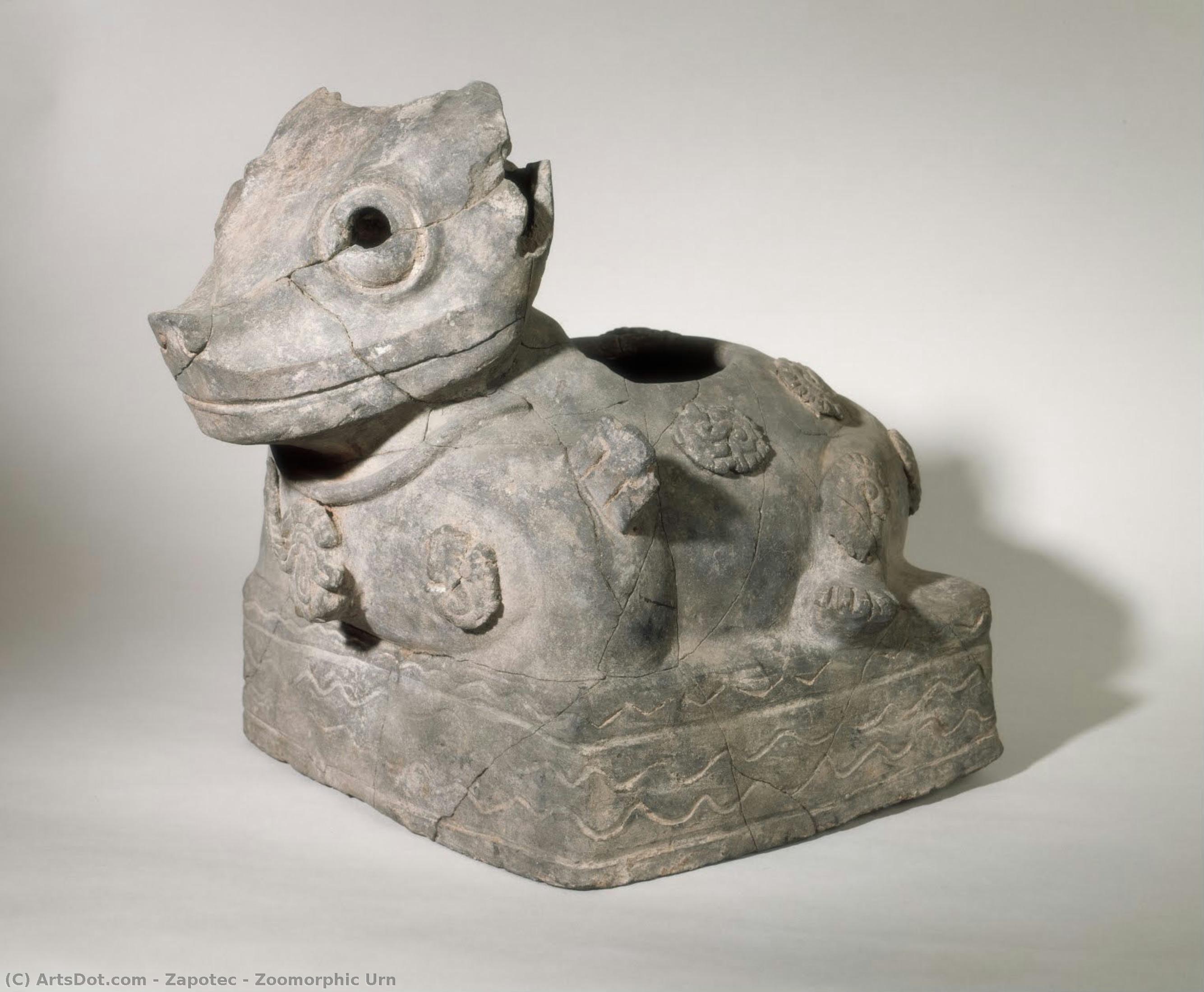
Zoomorphic Urn

 عرض المزيد
طباعة جيلي / مطبوعات فنية
طباعة جيكلي أو كانفاس بجودة المتاحف، مع سرعة في التنفيذ وخيارات متنوعة للتشطيب. ( اشترِ لوحة مرسومة يدويًا اشترِ الصورة)




































اختر من بين أحجامنا المُعدّة مسبقًا والتي تتطابق مع النسب الأصلية للعمل الفني.

يمكنك إدخال أبعادك الخاصة لتناسب إطاراً أو مساحة معينة. وإذا لم يتطابق الحجم الذي اخترته مع نسب الصورة الأصلية، فسنقوم إما بقص العمل الفني أو تمديد الصورة باستخدام حافة معكوسة أو بلون مصمت. سيتم إرسال نموذج تجريبي رقمي لاعتمادك قبل بدء الإنتاج.
يرجى ملاحظة أن المعاينة على الشاشة لا تعكس عملية القص أو التمديد الفعلية؛ حيث سيوضح النموذج التجريبي فقط التكوين النهائي بدقة.
وعلى الرغم من توفر أحجام مخصصة، إلا أننا نوصي باختيار أبعاد من القائمة المحددة مسبقاً للحفاظ على النسب الأصلية.
توصيل عالمي إلى خلال أسبوعين بدلاً من المدة القياسية البالغة 4/5 أسابيع. 13 أغسطس

شحن سريع ومجاني لجميع أنحاء العالم

قماش كتان عالي الجودة

تأمين شحن شامل

ضمان استرداد الرسوم الجمركية

ضمان مطابقة الألوان الحقيقية

سياسة الإرجاع خلال 60 يومًا (في حالات العيوب فقط)

ضمان استرداد نقدي بنسبة 100%

خصم عند طلب عدة قطع
 خيار الزجاج متاح فقط للمقاسات التي تقل عن 110 سم

Zoomorphic Urn
طباعة جيلي / مطبوعات فنية
مقاس النسخة المطبوعة
-


السعر الإجمالي النهائي
$ 62
السيرة الذاتية للفنان
Rufino Tamayo: Bridging Ancient Roots and Modern Vision
Rufino Tamayo (August 25, 1899 – June 24, 1991) stands as a pivotal figure in Mexican art history—a sculptor, painter, printmaker, and ceramicist who seamlessly blended indigenous traditions with the vanguard of European artistic movements like Cubism and Surrealism. His oeuvre transcends mere stylistic imitation; it embodies a profound engagement with Mexico’s past while simultaneously pushing boundaries toward an expressive future. Born in Oaxaca City, Tamayo's upbringing amidst Zapotec culture profoundly shaped his worldview and artistic sensibility—a connection he consistently revisited throughout his prolific career.- Early Life & Artistic Formation: Tamayo’s father, José María Tamayo, was a prominent physician and anthropologist who instilled in him a fascination for Mesoamerican archaeology and ethnography. This early exposure fueled his lifelong interest in exploring the relationship between indigenous heritage and artistic innovation. He studied at the Escuela Nacional de Artes Plasticas in Mexico City, where he honed his sculptural skills under Julián Sánchez Galván and José Clemente Orozco—artists who championed monumental murals celebrating Mexican history and identity.
- Cubist Influences & Artistic Breakthrough: Tamayo’s artistic trajectory took a decisive turn upon encountering Picasso's Cubism in Paris during the 1920s. He embraced the geometric fragmentation of form, analyzing objects from multiple perspectives—a technique that would become his signature style. His monumental mural “La danza de los jaguares” (1934), commissioned for the Museo Nacional de Antropología in Mexico City, exemplifies this stylistic fusion, depicting a Zapotec ritual dance alongside Cubist abstractions.
- Surrealism & Mythological Exploration: Simultaneously, Tamayo explored Surrealist imagery and symbolism—drawing inspiration from Aztec mythology and folklore. He utilized dreamlike landscapes and distorted figures to convey profound emotional states and philosophical concepts. His paintings “El hombre bueno” (1937) and “La tierra” (1940) are notable examples of this stylistic approach, reflecting Tamayo’s preoccupation with themes of human existence and the cosmos.
- Mixografia & Artistic Legacy: Tamayo revolutionized printmaking through his pioneering use of Mixografia—a technique developed by Picasso and Roland Penrose that combines etching and lithography to achieve vibrant color prints. His extensive portfolio of Mixografia prints showcases his mastery of this innovative medium, capturing the essence of Mexican landscapes and cultural traditions with unparalleled luminosity and textural richness.
- Recognition & Enduring Significance: Tamayo’s artistic achievements garnered international acclaim—including honorary doctorates from Yale University and Oxford University—and cemented his place as one of Mexico's most celebrated artists. His work continues to inspire contemporary artists and scholars alike, serving as a testament to the enduring power of intercultural dialogue and artistic experimentation. He died in Mexico City in 1991, leaving behind an unparalleled legacy of sculptural masterpieces and evocative paintings that encapsulate the spirit of Mexican identity.
- La danza de los jaguares (1934)
- El hombre bueno (1937)
- La tierra (1940)
- Cristo Velázquez (1952)
- El jardín de piedra (1960)
- Tamayo, Rufino. *Arte Popular Mexicano*. Mexico City: Museo Nacional de Antropología, 1973.
- Schwartz, Jonathan. *Rufino Tamayo*. New York: Guggenheim Museum Exhibition Catalog, 2004.

zapotec
Mexico
حقائق سريعة
- Artistic Movement Or Style: Cubism & Surrealism
- Artists Or Movements Influenced By This Artist: ['Modern Art']
- Artists Who Influenced This Artist:
- Pablo Picasso
- Georges Braque
- Date Of Birth: August 25, 1899
- Date Of Death: June 24, 1991
- Full Name: Rufino del Carmen Arellanes Tamayo
- Nationality: Mexican
- Notable Artworks:
- San José Mogote Monument 3 ("Danzante")
- Building J
- Place Of Birth: Mexico City, Mexico

