


 معاينة الحجم الحقيقي
 مشاركة
 مشاركة
 التفاصيل

 تحميل الملف
 قطع مشابهة
 الأشعة السينية
 عرض شرائح
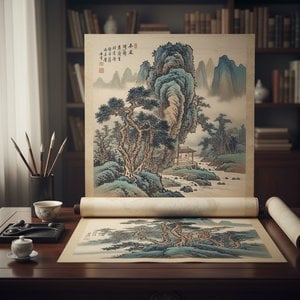
Brewing Tea
 Literati Painting
 1918
1918 40.0 x 137.0 cm
 عرض المزيد
نسخة زيتية مصنوعة يدوياً
لوحة زيتية مرسومة يدوياً على الكانفاس بالمقاس والإطار الذي تفضله، تُنفذ حسب الطلب على أيدي فنانينا. ( التحويل للنسخة المطبوعة التبديل إلى الصورة)




































اختر من بين أحجامنا المُعدّة مسبقًا والتي تتطابق مع النسب الأصلية للعمل الفني.

يمكنك إدخال أبعادك الخاصة لتناسب إطارًا معينًا أو مساحة محددة. وإذا لم يتطابق الحجم الذي اخترته مع نسب الصورة الأصلية، فسنقوم إما بقص العمل الفني أو توسيع اللوحة بإضافة عناصر مرسومة يدويًا. سيتم إرسال نموذج رقمي إليك للموافقة عليه قبل بدء الإنتاج.
يرجى ملاحظة أن المعاينة على الشاشة لا تعكس عملية القص أو التوسيع الفعلية؛ حيث إن النموذج الرقمي وحده هو الذي سيوضح التكوين النهائي بدقة.
وعلى الرغم من توفر أحجام مخصصة، إلا أننا نوصي باختيار أبعاد من القائمة المحددة مسبقًا للحفاظ على النسب الأصلية للعمل الفني.
بعد إتمام الطلب، سيرسل فريق ArtsDot.com بريداً إلكترونياً للعميل لطلب التعليمات وتزويده بمعاينة تجريبية (mockup).
توصيل عالمي إلى خلال 3 إلى 4 أسابيع بدلاً من المدة المعتادة البالغة 5 أسابيع. (10 أغسطس). جودة لا تهاون فيها.

شحن سريع ومجاني لجميع أنحاء العالم

قماش كتان عالي الجودة

تأمين شحن شامل

ضمان استرداد الرسوم الجمركية

ضمان مطابقة الألوان الحقيقية

سياسة الإرجاع خلال 60 يومًا (في حالات العيوب فقط)

ضمان استرداد نقدي بنسبة 100%

خصم عند طلب عدة قطع
 خيار الزجاج متاح فقط للمقاسات التي تقل عن 110 سم

Brewing Tea
خامة إعادة الإنتاج
مقاس النسخة المطبوعة
-


السعر الإجمالي النهائي
$ 263
وصف العمل الفني
أعمال فنية ذات صلة


السيرة الذاتية للفنان
Wu Changshuo: Bridging Calligraphy and Landscape – A Legacy of Tranquility
Wu Changshuo (吳昌碩; 1844-1927), born wu junqing, stands as a pivotal figure in late Qing Dynasty Chinese art, celebrated primarily for his masterful fusion of calligraphy and landscape painting—a technique that profoundly shaped the aesthetic sensibilities of his era and continues to inspire artists today. Born in Zhuzhou, Zhejiang Province, Wu’s artistic journey began amidst the intellectual fervor of his family, fostering an early appreciation for scholarly pursuits and the expressive power of written language.- Early Influences & Calligraphy Training: Wu's formative years were marked by rigorous training in calligraphy, specifically focusing on early scripts like Xiao Shu (小學), which instilled in him a deep understanding of brushwork, composition, and tonal harmony—principles that would permeate his subsequent artistic endeavors.
- Move to Suzhou & Imperial Service: Recognizing the importance of environment for creative growth, Wu relocated to Suzhou, Jiangsu Province, establishing himself as a respected artist and scholar. He served briefly as an imperial official in Liaoning during the Qing Dynasty’s waning years, gaining invaluable experience navigating the complexities of court patronage.
- The Shanghai School & Floral Bird Painting: Wu Changshuo’s commitment to capturing the essence of nature—particularly flowers and birds—became his trademark. He meticulously studied avian anatomy and floral morphology, translating scientific observation into breathtaking artistic representations. His paintings are renowned for their luminous color palettes and delicate rendering techniques, reflecting a profound connection with the natural world.
- Seal Art & Artistic Philosophy: Wu Changshuo viewed calligraphy and seal carving as inseparable disciplines—each informing and enriching the other. He established the Xiling Seal Art Society, fostering collaboration among Suzhou-based seal artists and promoting a shared aesthetic vision. His seals are characterized by elegant simplicity and understated beauty, embodying his belief that artistic expression should be guided by contemplation and harmony.
Recognition & Legacy
Wu Changshuo’s exceptional talent garnered him considerable acclaim both domestically and internationally. Particularly noteworthy was his admiration in Japan, where his paintings were recognized as masterpieces of Chinese landscape art—a testament to the enduring influence of Wu's artistic vision. His work continues to resonate with audiences today, serving as an exemplar of stylistic innovation and emotional depth within the broader context of Qing Dynasty art history. He remains a cornerstone figure in understanding the evolution of Chinese painting and its profound connection to philosophical ideals.- Notable Works: Among Wu Changshuo’s celebrated paintings are “Brewing Tea,” “Peach Fruit of Three Thousand Years,” and “Spring Offerings”—each demonstrating his mastery of tonal harmony and expressive brushwork. These pieces exemplify the Shanghai School's ethos of capturing fleeting moments of beauty and conveying profound emotional states.
Further Exploration
For a deeper understanding of Wu Changshuo’s artistic contributions, consider examining his influence on subsequent generations of Chinese painters—particularly Qi Baishi (漆白石), who adopted Wu's stylistic principles and championed the pursuit of lyrical beauty. Also explore Pan Tianshou (潘天壽), another influential artist whose work similarly embraced spontaneity and emotional resonance.
wu changshuo
1844 - 1927 , China
حقائق سريعة
- Artistic Movement Or Style: Shanghai School
- Artists Or Movements Influenced By This Artist: ['Sir John Everett Millais']
- Artists Who Influenced This Artist: ['Zhao Zhiqian']
- Date Of Birth: September 12, 1844
- Date Of Death: November 29, 1927
- Full Name: Wu Changshuo (吴昌硕)
- Nationality: Chinese
- Notable Artworks:
- Brewing Tea
- Peach Fruit of Three Thousand Years
- Spring Offerings
- Place Of Birth: Zhuzhou, China
مقالات ذات صلة
Pu Xinyu's 'Puru': A Legacy of Literati Painting & Emotional Resonance
Explore the captivating world of Pu Xinyu (Puru), the last great literati painter. Discover his imperial heritage, masterful ink wash techniques & enduring legacy – a valuable addition to any discerning art collection.

Evoking Nature's Sublime: A Comprehensive Exploration of 19th-Century Landscape Painting
Explore the captivating world of 19th-century landscape painting! Discover renowned artists like Friedrich & Monet, key movements, and find the perfect artwork to bring nature's serenity into your home. Expert insights at ArtsDot.

Xie Zhiliu: A Legacy of Ink Wash Painting & Modern Chinese Literati Tradition
Explore the legacy of Xie Zhiliu, a master of Chinese ink wash painting & prominent figure in modern art. Discover his techniques, influences, and contributions to literati tradition. A guide for discerning collectors.

Ephemeral Expressions: Exploring the Nuances of Ink on Paper Through History & Contemporary Art
Explore the captivating world of ink wash painting – from its ancient origins to contemporary masters. Discover techniques, symbolism & conservation insights with ArtsDot.com.

William Bradford: Navigating Faith, Landscape & Artistic Innovation in Early American Painting
Explore the captivating world of William Bradford, American Romanticist painter renowned for his dramatic Arctic seascapes & ship portraits. Discover his artistic evolution, influences, and lasting legacy with ArtsDot.

