


 معاينة الحجم الحقيقي
 مشاركة
 مشاركة
 التفاصيل
 الدليل

 تحميل الملف
 قطع مشابهة
 الأشعة السينية
 عرض شرائح
 الإحصائيات
Strolling Actresses Dressing in a Barn


 عرض المزيد
نسخة زيتية مصنوعة يدوياً
لوحة زيتية مرسومة يدوياً على الكانفاس بالمقاس والإطار الذي تفضله، تُنفذ حسب الطلب على أيدي فنانينا. ( التحويل إلى المطبوعات الانتقال إلى الصورة الرقمية)




P118B $10

P118H $10

P118W $10

P438Z $10

P508JH $12

P508YH $12

P805H $10

P805Z $10

P919BZ $10

P919G $10

P919XJ $10

P959ZH $10

P968JZ $12

W106C $8

W218G $10

W218JH $8

W218Y $10

W307PJ $10

W316G $10

W316PJ $8

W316Y $10

W398PJ $8

W4111J $10

W500HY $15

W500JH $15

W692G $12

W849H $8

W940BG $15

W953PJ $8




اختر من بين أحجامنا المُعدّة مسبقًا والتي تتطابق مع النسب الأصلية للعمل الفني.

يمكنك إدخال أبعادك الخاصة لتناسب إطارًا معينًا أو مساحة محددة. وإذا لم يتطابق الحجم الذي اخترته مع نسب الصورة الأصلية، فسنقوم إما بقص العمل الفني أو توسيع اللوحة بإضافة عناصر مرسومة يدويًا. سيتم إرسال نموذج رقمي إليك للموافقة عليه قبل بدء الإنتاج.
يرجى ملاحظة أن المعاينة على الشاشة لا تعكس عملية القص أو التوسيع الفعلية؛ حيث إن النموذج الرقمي وحده هو الذي سيوضح التكوين النهائي بدقة.
وعلى الرغم من توفر أحجام مخصصة، إلا أننا نوصي باختيار أبعاد من القائمة المحددة مسبقًا للحفاظ على النسب الأصلية للعمل الفني.
بعد إتمام الطلب، سيرسل فريق ArtsDot.com بريداً إلكترونياً للعميل لطلب التعليمات وتزويده بمعاينة تجريبية (mockup).
توصيل عالمي إلى خلال 3 إلى 4 أسابيع بدلاً من المدة المعتادة البالغة 5 أسابيع. (25 سبتمبر). جودة لا تهاون فيها.

شحن سريع ومجاني لجميع أنحاء العالم

قماش كتان عالي الجودة

تأمين شحن شامل

ضمان استرداد الرسوم الجمركية

ضمان مطابقة الألوان الحقيقية

سياسة الإرجاع خلال 100 يوم (في حالات العيوب فقط)

ضمان استرداد نقدي بنسبة 100%

خصم عند طلب عدة قطع
 خيار الزجاج متاح فقط للمقاسات التي تقل عن 110 سم

Strolling Actresses Dressing in a Barn
خامة إعادة الإنتاج
مقاس النسخة المطبوعة
-


السعر الإجمالي النهائي
$ 263
A Glimpse Behind the Curtain: The Raw Humanity of Hogarth
In the quiet, dusty corners of an eighteenth-century barn, away from the polished stages of London’s theaters, William Hogarth captures a moment of profound vulnerability and unvarnably human chaos. Strolling Actresses Dressing in a Barn is far more than a mere backstage snapshot; it is a masterful window into the precarious lives of itinerant performers during the Georgian era. As we gaze upon this watercolor, we are not presented with the idealized, ethereal figures of classical mythology, but rather with the grit and reality of those living on the fringes of society. The scene is thick with the atmosphere of preparation—a frantic, communal ritual where costumes are donned and personas are assumed amidst the humble surroundings of hay and timber.
Hogarth, a visual historian of the London streets, utilizes this setting to explore the tension between public performance and private struggle. The figures, caught in various states of undress and adornment, embody the very essence of the theatrical life: a constant negotiation between the glamour of the stage and the meager reality of their itinerant existence. There is a palpable sense of movement and social density, as characters interact with an intimacy that feels both spontaneous and deeply observed. For the discerning collector, this piece offers a rare opportunity to possess a work that celebrates the beauty found within the mundane and the dignity inherent in the struggle for artistry.
Technique and the Art of Observational Realism
The brilliance of this work lies in Hogarth’s ability to marry the delicate fluidity of watercolor with an unflinching, almost journalistic realism. Unlike the rigid compositions of his contemporaries, Hogarth employs a technique that allows light to dance across the scene, filtering through the gaps in the barn roof to illuminate specific textures—the coarse grain of wood, the soft folds of discarded fabric, and the weathered skin of the performers. This mastery of tonal nuance creates a sense of depth that draws the viewer into the very heart of the barn.
While elements of the Rococo style are present in the decorative flourishes of the costumes and the lively, swirling energy of the composition, Hogarth deliberately anchors the work in a much more grounded aesthetic. He avoids the saccharine sweetness often found in period decorations, opting instead for a psychological depth that is truly Hogarthian. Every wrinkle, every subtle smirk, and every glance of envy or camaraderie is rendered with such precision that the characters cease to be mere archetypes and become living, breathing individuals. This level of detail makes a high-quality reproduction an extraordinary addition to any curated collection, providing a focal point that rewards prolonged study and emotional connection.
A Legacy of Satire and Social Commentary
To understand this painting is to understand the political climate of 1738 England. Created during a period of intense censorship under the Walpole administration, the work serves as a subtle yet defiant commentary on the constraints placed upon artistic expression. By choosing the "strolling" actress—a figure often marginalized by the Licensing Act—Hogarth elevates the subject matter from simple genre painting to a poignant critique of social hierarchy and moral policing. The barn becomes a metaphor for the unpolished, uncurated truth that exists beneath the veneer of societal respectability.
For interior designers and art enthusiasts alike, Strolling Actresses Dressing in a Barn offers a sophisticated narrative element. It is a piece that speaks of resilience, the passion for performance, and the enduring human spirit. Whether placed in a grand library or a contemporary living space, its complex layers of meaning and rich, earthy palette provide an intellectual and aesthetic depth that transcends time. Owning a reproduction of this masterpiece is not merely about decorating a wall; it is about inviting a piece of England’s social soul into one's home.
أعمال فنية ذات صلة


السيرة الذاتية للفنان
A London Life in Ink and Paint: The World of William Hogarth
William Hogarth, born into the bustling heart of 18th-century London in 1697, was more than just an artist; he was a visual historian, a keen observer of human nature, and a satirical commentator on the societal currents of his age. His life story is inextricably linked to the very fabric of England during a period of significant transformation – its burgeoning ambitions, underlying anxieties, and pervasive hypocrisies all finding potent expression in his remarkably detailed and often biting works. The son of a struggling Latin schoolmaster, Hogarth’s early experiences instilled within him both a love for learning and a sharp awareness of social inequalities, a foundation that would prove crucial to shaping his artistic vision. Initially apprenticed to an engraver, he quickly demonstrated a talent extending beyond mere technical skill; he possessed an innate ability to observe the nuances of human behavior and translate them into compelling visual narratives. However, he chafed against the constraints of traditional engraving, seeking a more expressive outlet for his burgeoning creativity. This led him to studies at both St Martin’s Lane Academy and under Sir James Thornhill, where he honed his skills in painting and composition, absorbing influences that would later inform his unique style.The Birth of Modern Moral Subjects
Hogarth's true innovation lay not simply *what* he painted, but *how*. He pioneered what he termed “modern moral subjects” – series of pictures designed to tell a story, often imbued with a strong satirical edge. These weren’t isolated portraits or landscapes; they were visual novels unfolding before the viewer’s eyes, offering pointed commentary on contemporary society. A Harlot's Progress, created in 1742, stands as perhaps his most famous example. This series of six paintings meticulously follows the tragic downfall of Mary, a young woman arriving in London full of hope but quickly succumbing to the temptations and dangers of city life. Each scene is rendered with painstaking detail, filled with symbolic elements that reveal the moral decay surrounding her. The artist’s masterful use of line and shading brought these figures to life with remarkable clarity, capturing both their vulnerability and their folly. Similarly, A Rake's Progress, begun in 1733, charts the reckless decline of Tom Rakewell, a man who squanders his inheritance on gambling, debauchery, and ultimately, madness. These weren’t merely cautionary tales; they were unflinching portraits of a society grappling with issues of class, morality, and social mobility. Hogarth's genius resided in his ability to elevate everyday scenes – the bustling streets of London, the opulent interiors of the wealthy, the squalid lives of the poor – into works of art that resonated deeply with his audience. He didn’t shy away from depicting the harsh realities of life, presenting them with a blend of humor and pathos that forced viewers to confront uncomfortable truths about themselves and their society.Technique and Influences: A Synthesis of Styles
Hogarth's artistic style was a unique amalgamation of diverse influences. He greatly admired the realism and narrative detail found in the works of Dutch genre painters like Pieter de Hooch, evident in his meticulous depictions of interiors and everyday life. The satirical prints produced in France also played a role in shaping his approach to social commentary. However, Hogarth wasn’t simply imitating these sources; he was synthesizing them into something entirely new and distinctly his own. His technique was characterized by a masterful use of line and shading, particularly evident in his engravings. He employed a distinctive cross-hatching technique that created depth and texture, bringing his scenes to life with remarkable clarity. This meticulous attention to detail—a hallmark of Hogarth’s oeuvre—allowed him to convey emotion and moral judgment with unparalleled precision. Beyond visual art, Hogarth was influenced by literary works, particularly those of Jonathan Swift and Henry Fielding, whose satirical wit informed his own social observations. He believed that art should not merely be beautiful but should also serve a moral purpose, challenging viewers to think critically about the world around them and their place within it. He sought to hold a mirror up to nature, reflecting both its beauty and its ugliness with unflinching honesty.Major Achievements: Shaping English Art
Hogarth’s contribution to English art is undeniable. He revolutionized painting by establishing what became known as “modern moral subjects,” fundamentally altering the artistic landscape of his time. His series of paintings—including *A Harlot's Progress*, *Marriage A-la-Mode*, and *A Rake's Progress*—became enduring symbols of social critique and psychological insight. These works weren’t merely aesthetically pleasing; they provoked profound reflection on human behavior and societal values, cementing Hogarth’s place as one of the most influential artists of the Enlightenment. His engravings, particularly *A Harlot's Progress*, achieved widespread popularity thanks to their ability to disseminate his satirical ideas across a broad readership. This unprecedented success demonstrated the power of visual storytelling to engage audiences and challenge conventional wisdom.Historical Significance: A Legacy Enduring Through Time
William Hogarth’s legacy extends far beyond his artistic achievements. He is considered a pivotal figure in the history of British art, marking a decisive break from traditional conventions and paving the way for future generations of artists. His unflinching portrayal of human nature—both its virtues and vices—continues to inspire debate and contemplation today. Artists like James Gillray and George Cruikshank drew inspiration from Hogarth’s style, carrying forward his tradition of social satire into the Victorian era and beyond. Furthermore, Hogarth's influence can be seen in contemporary visual culture, including political cartoons and comic strips—a testament to the enduring power of his artistic vision. He remains a beacon of intellectual curiosity and moral courage, reminding us that art has the capacity to illuminate the complexities of human experience and transform our understanding of the world around us.
ويليام هوغارث
1697 - 1764 , المملكة المتحدة
حقائق سريعة
- Artistic Movement Or Style: واقعية ساخرة
- Artists Or Movements Influenced By This Artist: ['جيمس جيلراي']
- Artists Who Influenced This Artist:
- بيتر دي هوخ
- جونathan سويفت
- Date Of Birth: ١٦٩٧
- Date Of Death: ١٧٦٤
- Full Name: ويليام هوغارث
- Nationality: بريطاني
- Notable Artworks:
- أ هارلوت بروجريس
- رائع بروجريس
- Place Of Birth: لندن، المملكة المتحدة
مقالات ذات صلة

الألوان المائية: تاريخ عريق، تقنيات متنوعة، وإبداعات معاصرة
اكتشف تاريخ الألوان المائية وتقنياتها المتنوعة مع ArtsDot. دروس شاملة، نصائح الخبراء، وخدمات reproductions ولوحات مخصصة بجودة عالية. ابدأ رحلتك الفنية اليوم!

Watercolor Wonders: 10 Masterpieces That Redefined Art History | ArtsDot
Journey through 10 legendary watercolor masterpieces by Sargent, Turner & Homer! Explore iconic landscapes, portraits & floral art that redefined history. Find museum-quality reproductions and curated decor ideas at ArtsDot.com.
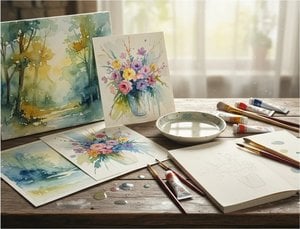
Ephemeral Visions: Exploring the Artistic Legacy & Nuances of Watercolor Painting
Explore the captivating world of watercolor painting! Discover its rich history, essential techniques, influential artists & collecting tips from art experts. A comprehensive guide for enthusiasts.

Ephemeral Visions: Exploring the History & Emotional Resonance of Watercolor Painting
Explore the captivating history of watercolor painting, from ancient techniques to modern masters like Kandinsky & Blake. Discover essential artists, collecting tips & the emotional power of this luminous medium. Expert insights for art enthusiasts.

Ephemeral Visions: Exploring the Artistic Legacy & Contemporary Practice of Watercolor Painting
Explore the captivating world of watercolor painting! Discover its rich history, essential techniques, influential artists & collecting tips. A comprehensive guide for art enthusiasts from ArtsDot.


