

 معاينة الحجم الواقعي
 مشاركة
 مشاركة
 التفاصيل
 دليل
دليل

 تحميل الملف
 قطع مشابهة
 الأشعة السينية
 عرض شرائح
 Q&A
Q&A الإحصائيات
Moissoneuse


 عرض المزيد
طباعة جيلي / مطبوعات فنية
طباعة جيكلي أو كانفاس بجودة المتاحف، مع سرعة في التنفيذ وخيارات متنوعة للتشطيب. ( شراء لوحة مرسومة يدويًا الانتقال إلى الصورة الرقمية)




P118B E£10

P118H E£10

P118W E£10

P438Z E£10

P508JH E£12

P508YH E£12

P805H E£10

P805Z E£10

P919BZ E£10

P919G E£10

P919XJ E£10

P959ZH E£10

P968JZ E£12

W106C E£8

W218G E£10

W218JH E£8

W218Y E£10

W307PJ E£10

W316G E£10

W316PJ E£8

W316Y E£10

W398PJ E£8

W4111J E£10

W500HY E£15

W500JH E£15

W692G E£12

W849H E£8

W940BG E£15

W953PJ E£8




اختر من بين أحجامنا المُعدّة مسبقاً والتي تتوافق مع النسب الأصلية للعمل الفني.

أدخل العرض والارتفاع المطلوبين ليتناسب المقاس مع إطارك أو جدارك. يرجى الملاحظة أن المطبوعة يمكن قصها فقط ولا يمكن تكبيرها لتتجاوز أبعاد الصورة الأصلية، لذا فإن اختيار مقاس بأبعاد مختلفة سيؤدي إلى فقدان جزء من الصورة. سنرسل لك نموذجاً رقمياً تجريبياً لاعتماده قبل البدء في عملية الطباعة. الصورة المعروضة في هذه الصفحة لا توضح شكل القص الفعلي — النموذج التجريبي فقط هو ما يظهر ذلك بدقة.
توصيل عالمي إلى خلال أسبوعين بدلاً من المدة القياسية البالغة 4/5 أسابيع. (2 نوفمبر)

شحن سريع ومجاني لجميع أنحاء العالم

قماش كتان عالي الجودة

تأمين شامل على الشحن

ضمان استرداد الرسوم الجمركية

ضمان مطابقة الألوان الحقيقية

سياسة الإرجاع خلال 100 يوم (في حالات العيوب فقط)

ضمان استرداد نقدي بنسبة 100%

خصم عند طلب كميات
 خيار الزجاج متاح فقط للمقاسات التي تقل عن 110 سم

Moissoneuse
طباعة جيلي / مطبوعات فنية
مقاس النسخة المطبوعة
-


إجمالي السعر النهائي
E£ 3243
William Adolphe Bouguereau’s *Moissoneuse*: A Window into 19th-Century French Idealism
The painting *Moissoneuse*, completed in 1868 by William Adolphe Bouguereau, is more than just a depiction of a woman with a red hat; it's a meticulously crafted window into the artistic sensibilities of mid-19th century France. Bouguereau, a master of Realism and Romanticism, achieved an almost unsettling level of detail and idealized beauty that continues to fascinate viewers today. This oil on canvas work captures a fleeting moment of social interaction – a woman in vibrant attire, holding a jug, engaging with companions beside a tranquil body of water – yet it speaks volumes about Bouguereau’s profound understanding of human form and his unwavering pursuit of aesthetic perfection.
Subject Matter and Composition
The subject matter itself is deceptively simple. A woman, clearly the focal point, stands with a gentle smile, her gaze directed towards the viewer – an invitation to share in her serene moment. The presence of several other figures adds depth and context, suggesting a lively social gathering. Bouguereau’s skill lies not just in rendering these individuals accurately but in arranging them within a carefully constructed composition that evokes a sense of harmony and balance. The inclusion of the water, reflecting light and adding to the overall atmosphere, further enhances the painting's visual appeal.
- Central Figure: The woman’s pose and expression embody Bouguereau’s idealization of feminine beauty – graceful, poised, and subtly alluring.
- Supporting Figures: Their interactions contribute to a narrative, hinting at conversations and shared experiences within this idyllic scene.
- Water as Backdrop: The water serves not only as a visual element but also symbolizes tranquility, reflection, and the passage of time – themes frequently explored in Bouguereau’s work.
Technique and Style: A Masterclass in Detail
Bouguereau's technique is undeniably central to the painting’s impact. His meticulous attention to detail, a hallmark of his style, is evident in every brushstroke. The rendering of fabric – the folds of her dress, the texture of the hat – is remarkably realistic, yet simultaneously imbued with an almost luminous quality. He employed a glazing technique, layering thin washes of color over dried underpaintings, creating depth and richness that would have been revolutionary for its time. This approach allowed him to achieve the soft, velvety textures so characteristic of his paintings.
Historical Context and Symbolism
*Moissoneuse* was created during a period when academic art still held considerable sway in France. Bouguereau’s work reflects this influence, drawing upon classical ideals of beauty and portraying scenes of everyday life with a heightened sense of formality. The painting can be interpreted as an exploration of social customs and the role of women within 19th-century society – a world where leisure and refined interaction were highly valued. The red hat itself could symbolize status or perhaps simply a fashionable accessory, adding to the woman’s allure.
Emotional Impact and Legacy
Despite its seemingly tranquil subject matter, *Moissoneuse* possesses a subtle emotional resonance. Bouguereau's ability to capture fleeting expressions of emotion – the gentle smile, the direct gaze – invites viewers to connect with the scene on a personal level. This painting remains a testament to Bouguereau’s enduring legacy as one of the most celebrated artists of the 19th century, and its exquisite detail continues to captivate audiences today.
الأسئلة والأجوبة
ما هو الحجم المثالي لطباعة "Moissoneuse" بما يتناسب مع غرفتي؟
لغرفة Living Room، نوصي بطباعة "Moissoneuse" للفنان ويليام أدلفه بوجرهو بحجم Large.
هل العمل "Moissoneuse" للفنان ويليام أدلفه بوجرهو ضمن الملكية العامة، ولماذا؟
تعتمد حالة حقوق الطبع والنشر لـ "Moissoneuse" - ملك عام - انتهت مدة حماية حقوق الطبع والنشر الخاصة به - على تاريخ وفاة الفنان في 1905.
إلى أي تيار فني تنتمي "Moissoneuse" للفنان ويليام أدلفه بوجرهو؟
ينتمي العمل "Moissoneuse" إلى مدرسة Academic Realism، وهي المدرسة التي تمثل التقليد الفني الذي يندرج ضمنه هذا العمل.
أعمال فنية ذات صلة


السيرة الذاتية للفنان
William-Adolphe Bouguereau (1825-1905): The Sculptor of Ideal Beauty
Born in La Rochelle, France, on November 30th, 1825, William-Adolphe Bouguereau’s artistic journey began amidst the tranquil landscapes and artisanal traditions of his hometown. From a young age, he demonstrated an exceptional aptitude for drawing and painting, fueled by a profound fascination with classical art – specifically Raphael and Titian – whose mastery captivated him deeply. This early passion would shape his entire career, propelling him toward Paris and the École des Beaux-Arts, where he honed his skills under the tutelage of François-Edouard Picquenot, absorbing the foundational principles of academic realism.The École des Beaux-Arts and Artistic Foundations
The École des Beaux-Arts proved to be instrumental in establishing Bouguereau’s distinctive artistic style. Under Picquenot's guidance, he meticulously studied anatomy, mastering the intricacies of human musculature and skeletal structure – a skill that would become central to his oeuvre. He diligently practiced drawing from plaster casts, painstakingly replicating forms with unwavering accuracy, mirroring the techniques championed by the Old Masters. This dedication to anatomical precision wasn’t merely about technical proficiency; it was rooted in a belief that truthful representation demanded an understanding of the underlying physical reality. Bouguereau's artistic vision embraced the tenets of classical art, prioritizing idealized beauty and harmonious composition—values that would define his oeuvre for decades to come.A Symphony of Color and Light: Bouguereau’s Palette
Bouguereau’s approach extended beyond anatomical accuracy; he possessed an unparalleled sensitivity to color and light – elements he skillfully manipulated to convey emotion and atmosphere. He favored luminous palettes, employing subtle gradations of hue to create depth and illusionism on his canvases. Like Titian before him, Bouguereau meticulously observed the effects of natural illumination, capturing the interplay of shadows and highlights with breathtaking realism. This masterful technique elevated his paintings beyond mere visual representation, transforming them into immersive experiences that transported viewers to idealized landscapes or serene mythological scenes. Consider *The Birth of Venus*, where Bouguereau’s delicate use of color—particularly pearlescent shades—evokes a sense of ethereal beauty and otherworldly grace.Mythological Visions: Bouguereau's Recurring Themes
Bouguereau consistently revisited mythological narratives, transforming ancient tales into emotionally resonant visual dramas. He approached these subjects with reverence for classical mythology, meticulously reconstructing scenes from Greek and Roman legend with painstaking detail. *Zenobia Found by Shepherds on the Banks of the Araxes*, exemplifies Bouguereau’s ability to convey vulnerability and pathos—themes he explored repeatedly throughout his career. His depictions of goddesses and heroes weren't simply decorative; they served as vehicles for exploring profound philosophical ideas about beauty, virtue, and human experience. Bouguereau’s artistic vision embraced the grandeur of mythology while simultaneously grounding it in psychological realism—a combination that ensured his paintings resonated with audiences across generations.Legacy and Enduring Influence
Despite initial acclaim during his lifetime, Bouguereau's work faced criticism from avant-garde artists who championed abstraction and challenged traditional aesthetic conventions. However, in the latter half of the 20th century, a renewed appreciation for Bouguereau’s artistic integrity emerged—fueled by art historians recognizing his unparalleled technical skill and unwavering commitment to classical ideals. Today, Bouguereau is celebrated as a pivotal figure in French painting—a sculptor of ideal beauty whose influence continues to inspire contemporary artists. His paintings reside in prestigious museums worldwide—including the Musée d'Orsay in Paris and The J. Paul Getty Museum—guaranteeing that his legacy will endure for centuries to come. Song of the Angels (1881), with its serene composition and luminous color palette, remains a testament to Bouguereau’s mastery of artistic technique—a timeless masterpiece embodying the artist's profound belief in the enduring power of classical beauty.
ويليام أدلفه بوجرهو
1825 - 1905 , فرنسا
حقائق سريعة
- Artistic Movement Or Style: الواقعية الأكاديمية
- Artists Who Influenced This Artist:
- رافائيل
- تيتيان
- Date Of Birth: ٣٠ نوفمبر ١٨٢٥
- Date Of Death: ١٩ أغسطس ١٩٠٥
- Full Name: ويليام أدلفه بوجرهو
- Nationality: فرنسي
- Notable Artworks:
- النيمفايوم
- بيرجيرة ١٨٨٦
- طفل يغتسل
- أغنية الملائكة
- Place Of Birth: لاروشيل، فرنسا
مقالات ذات صلة

The Enduring Legacy of Fine Art Prints: Technique, History & Aesthetic Impact
Explore the rich history & techniques of fine art prints. Discover investment potential, assess authenticity, and learn how to preserve your collection with expert guidance. Trusted insights for discerning collectors.

Giclée Prints: Archival Quality & Aesthetic Nuances for the Discerning Collector
Explore the world of giclée prints with ArtsDot. Learn about archival quality, aesthetic nuances & investment potential. Expert guidance for discerning art collectors seeking museum-quality reproductions and lasting value.

Echoes of Time: Exploring the Enduring Appeal & Historical Context of Vintage Art Prints
Explore the captivating world of vintage art prints! Discover their history, collecting tips & enduring appeal. Expert insights on chromolithography and building a legacy collection with ArtsDot.
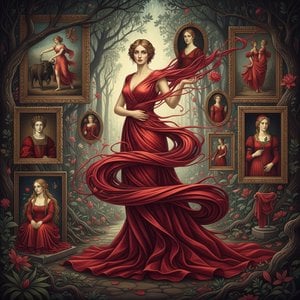
Crimson Threads of Narrative: Exploring Symbolism & Representation in Artworks Featuring the Red Dress
Explore the rich symbolism of the red dress in art history! From ancient power displays to iconic portraits like Cézanne’s 'Madame Cezanne', discover the cultural and artistic significance behind this captivating color. Expert analysis & insights.

19th Century Masterpieces: 10 Paintings That Defined an Era | ArtsDot
Journey through 19th century art with ArtsDot! Explore 10 iconic paintings – from Monet & Renoir to Courbet – and discover the stories behind Romanticism, Realism & Impressionism. Find museum-quality reproductions for your home decor. Explore the full collection online!


