

 معاينة الحجم الواقعي
 مشاركة
 مشاركة
 التفاصيل
 دليل
دليل

 تحميل الملف
 قطع مشابهة
 الأشعة السينية
 عرض شرائح
 الأسئلة والأجوبة
 الإحصائيات
Mimosa


 عرض المزيد
طباعة جيلي / مطبوعات فنية
طباعة جيكلي أو كانفاس بجودة المتاحف، مع سرعة في التنفيذ وخيارات متنوعة للتشطيب. ( شراء لوحة مرسومة يدويًا الانتقال إلى الصورة الرقمية)




P118B E£10

P118H E£10

P118W E£10

P438Z E£10

P508JH E£12

P508YH E£12

P805H E£10

P805Z E£10

P919BZ E£10

P919G E£10

P919XJ E£10

P959ZH E£10

P968JZ E£12

W106C E£8

W218G E£10

W218JH E£8

W218Y E£10

W307PJ E£10

W316G E£10

W316PJ E£8

W316Y E£10

W398PJ E£8

W4111J E£10

W500HY E£15

W500JH E£15

W692G E£12

W849H E£8

W940BG E£15

W953PJ E£8




اختر من بين أحجامنا المُعدّة مسبقاً والتي تتوافق مع النسب الأصلية للعمل الفني.

أدخل العرض والارتفاع المطلوبين ليتناسب المقاس مع إطارك أو جدارك. يرجى الملاحظة أن المطبوعة يمكن قصها فقط ولا يمكن تكبيرها لتتجاوز أبعاد الصورة الأصلية، لذا فإن اختيار مقاس بأبعاد مختلفة سيؤدي إلى فقدان جزء من الصورة. سنرسل لك نموذجاً رقمياً تجريبياً لاعتماده قبل البدء في عملية الطباعة. الصورة المعروضة في هذه الصفحة لا توضح شكل القص الفعلي — النموذج التجريبي فقط هو ما يظهر ذلك بدقة.
توصيل عالمي إلى خلال أسبوعين بدلاً من المدة القياسية البالغة 4/5 أسابيع. (6 نوفمبر)

شحن سريع ومجاني لجميع أنحاء العالم

قماش كتان عالي الجودة

تأمين شامل على الشحن

ضمان استرداد الرسوم الجمركية

ضمان مطابقة الألوان الحقيقية

سياسة الإرجاع خلال 100 يوم (في حالات العيوب فقط)

ضمان استرداد نقدي بنسبة 100%

خصم عند طلب كميات
 خيار الزجاج متاح فقط للمقاسات التي تقل عن 110 سم

Mimosa
طباعة جيلي / مطبوعات فنية
مقاس النسخة المطبوعة
-


إجمالي السعر النهائي
E£ 3300
William Adolphe Bouguereau’s *Mimosa*: A Portrait of Quiet Contemplation
William Adolphe Bouguereau's 1899 painting, *Mimosa*, is more than just a depiction of a young girl holding flowers; it’s an immersion into the heart of late 19th-century French aesthetics. Executed in oil on canvas with meticulous detail and a masterful command of light and color, this work exemplifies Bouguereau's signature style – one characterized by a profound reverence for classical ideals and a dedication to portraying idealized beauty. The painting immediately draws the viewer into a scene of serene tranquility, inviting contemplation alongside the young subject.
- Subject Matter: The central figure is a girl, likely around seven or eight years old, presented with an almost ethereal grace. Her focus, directed towards the viewer, creates a direct and intimate connection, fostering a sense of vulnerability and innocence.
- Floral Symbolism: The title itself, *Mimosa*, refers to the delicate white flowers she holds – a symbol often associated with purity, remembrance, and springtime renewal. Bouguereau’s choice elevates the simple act of holding flowers into a potent visual metaphor.
- Compositional Harmony: The composition is carefully balanced, utilizing soft edges and subtle gradations of color to create a sense of depth and volume. The inclusion of a partially visible figure in the background adds an element of narrative complexity, suggesting a private moment within a larger scene.
Technique and Style – A Masterclass in Realism
Bouguereau’s technique is renowned for its painstaking realism and luminous color palette. He employed a glazing method—applying thin layers of oil paint that were built up gradually to achieve rich, vibrant tones and an almost velvety texture. This approach allowed him to capture the subtle nuances of light and shadow with extraordinary precision, imbuing the painting with a remarkable sense of three-dimensionality. The delicate rendering of the girl’s dress, the intricate details of the flowers, and the smooth skin of her face are testaments to his unparalleled skill. His brushstrokes are almost invisible, contributing to the overall effect of polished perfection.
Historical Context and Artistic Influences
*Mimosa* was created during a period when Bouguereau was at the height of his career, firmly establishing himself as one of France’s leading artists. His work reflects the prevailing artistic trends of the late 19th century – a renewed interest in classical antiquity and a desire to capture beauty in its most idealized form. He was deeply influenced by the works of Raphael and Titian, masters known for their ability to render human figures with grace and elegance. Bouguereau’s commitment to realism, combined with his artistic vision, resulted in paintings that were both technically brilliant and emotionally resonant.
Emotional Impact and Legacy
The enduring appeal of *Mimosa* lies not only in its technical brilliance but also in the profound sense of peace and contemplation it evokes. The girl’s expression—a quiet gaze filled with a hint of melancholy— invites viewers to share her moment of solitude. Bouguereau's ability to capture such subtle emotions is a hallmark of his work, ensuring that *Mimosa* continues to captivate audiences today. This painting stands as a testament to Bouguereau’s legacy – a legacy defined by beauty, realism, and an unwavering commitment to artistic excellence.
الأسئلة والأجوبة
أين يمكنني شراء نسخة مطبوعة من "Mimosa" للفنان ويليام أدلفه بوجرهو؟
للحصول على نسخة مطبوعة من "Mimosa" للفنان ويليام أدلفه بوجرهو، ما عليك سوى طلبها عبر صفحة مطبوعة فنية فاخرة الخاصة بها: مطبوعة فنية فاخرة على قماش قطني أو ورق كانفاس أرشيفي.
هل يعتمد "Mimosa" للفنان ويليام أدلفه بوجرهو على تباينات قوية أم تناغمات ناعمة؟
تجمع التكوينات اللونية في "Mimosa" للفنان ويليام أدلفه بوجرهو بين تباين Statement وتناغم Strong Color Unity.
ما هو الطابع العام لـ "Mimosa" للفنان ويليام أدلفه بوجرهو؟
يُوصَف العمل الفني "Mimosa" للفنان ويليام أدلفه بوجرهو بأنه Ethereal من حيث الحالة المزاجية، مما يساعد في اختيار المكان الأنسب لعرضه.
أعمال فنية ذات صلة


السيرة الذاتية للفنان
William-Adolphe Bouguereau (1825-1905): The Sculptor of Ideal Beauty
Born in La Rochelle, France, on November 30th, 1825, William-Adolphe Bouguereau’s artistic journey began amidst the tranquil landscapes and artisanal traditions of his hometown. From a young age, he demonstrated an exceptional aptitude for drawing and painting, fueled by a profound fascination with classical art – specifically Raphael and Titian – whose mastery captivated him deeply. This early passion would shape his entire career, propelling him toward Paris and the École des Beaux-Arts, where he honed his skills under the tutelage of François-Edouard Picquenot, absorbing the foundational principles of academic realism.The École des Beaux-Arts and Artistic Foundations
The École des Beaux-Arts proved to be instrumental in establishing Bouguereau’s distinctive artistic style. Under Picquenot's guidance, he meticulously studied anatomy, mastering the intricacies of human musculature and skeletal structure – a skill that would become central to his oeuvre. He diligently practiced drawing from plaster casts, painstakingly replicating forms with unwavering accuracy, mirroring the techniques championed by the Old Masters. This dedication to anatomical precision wasn’t merely about technical proficiency; it was rooted in a belief that truthful representation demanded an understanding of the underlying physical reality. Bouguereau's artistic vision embraced the tenets of classical art, prioritizing idealized beauty and harmonious composition—values that would define his oeuvre for decades to come.A Symphony of Color and Light: Bouguereau’s Palette
Bouguereau’s approach extended beyond anatomical accuracy; he possessed an unparalleled sensitivity to color and light – elements he skillfully manipulated to convey emotion and atmosphere. He favored luminous palettes, employing subtle gradations of hue to create depth and illusionism on his canvases. Like Titian before him, Bouguereau meticulously observed the effects of natural illumination, capturing the interplay of shadows and highlights with breathtaking realism. This masterful technique elevated his paintings beyond mere visual representation, transforming them into immersive experiences that transported viewers to idealized landscapes or serene mythological scenes. Consider *The Birth of Venus*, where Bouguereau’s delicate use of color—particularly pearlescent shades—evokes a sense of ethereal beauty and otherworldly grace.Mythological Visions: Bouguereau's Recurring Themes
Bouguereau consistently revisited mythological narratives, transforming ancient tales into emotionally resonant visual dramas. He approached these subjects with reverence for classical mythology, meticulously reconstructing scenes from Greek and Roman legend with painstaking detail. *Zenobia Found by Shepherds on the Banks of the Araxes*, exemplifies Bouguereau’s ability to convey vulnerability and pathos—themes he explored repeatedly throughout his career. His depictions of goddesses and heroes weren't simply decorative; they served as vehicles for exploring profound philosophical ideas about beauty, virtue, and human experience. Bouguereau’s artistic vision embraced the grandeur of mythology while simultaneously grounding it in psychological realism—a combination that ensured his paintings resonated with audiences across generations.Legacy and Enduring Influence
Despite initial acclaim during his lifetime, Bouguereau's work faced criticism from avant-garde artists who championed abstraction and challenged traditional aesthetic conventions. However, in the latter half of the 20th century, a renewed appreciation for Bouguereau’s artistic integrity emerged—fueled by art historians recognizing his unparalleled technical skill and unwavering commitment to classical ideals. Today, Bouguereau is celebrated as a pivotal figure in French painting—a sculptor of ideal beauty whose influence continues to inspire contemporary artists. His paintings reside in prestigious museums worldwide—including the Musée d'Orsay in Paris and The J. Paul Getty Museum—guaranteeing that his legacy will endure for centuries to come. Song of the Angels (1881), with its serene composition and luminous color palette, remains a testament to Bouguereau’s mastery of artistic technique—a timeless masterpiece embodying the artist's profound belief in the enduring power of classical beauty.
ويليام أدلفه بوجرهو
1825 - 1905 , فرنسا
حقائق سريعة
- Artistic Movement Or Style: الواقعية الأكاديمية
- Artists Who Influenced This Artist:
- رافائيل
- تيتيان
- Date Of Birth: ٣٠ نوفمبر ١٨٢٥
- Date Of Death: ١٩ أغسطس ١٩٠٥
- Full Name: ويليام أدلفه بوجرهو
- Nationality: فرنسي
- Notable Artworks:
- النيمفايوم
- بيرجيرة ١٨٨٦
- طفل يغتسل
- أغنية الملائكة
- Place Of Birth: لاروشيل، فرنسا
مقالات ذات صلة

عودة فن الجداريات: لماذا أصبحت اللوحات الجدارية التعبير الجديد عن الفخامة والرقي
اكتشف عالم الجداريات الفاخرة مع ArtsDot. تصميم مخصص، فنانون محترفون، ومواد عالية الجودة. حول مساحتك إلى تحفة فنية فريدة! استشارة مجانية.

Echoes of Time: Exploring the Enduring Appeal & Historical Context of Vintage Art Prints
Explore the captivating world of vintage art prints! Discover their history, collecting tips & enduring appeal. Expert insights on chromolithography and building a legacy collection with ArtsDot.

Transforming Spaces: A Comprehensive Exploration of Wall Decor Through Art History & Contemporary Practice
Explore the art of transforming spaces with our comprehensive guide to wall decor. From historical movements to contemporary trends, discover how to curate impactful interiors and commission bespoke artwork for a truly personalized aesthetic.

Giclée Prints: Archival Quality & Aesthetic Nuances for the Discerning Collector
Explore the world of giclée prints with ArtsDot. Learn about archival quality, aesthetic nuances & investment potential. Expert guidance for discerning art collectors seeking museum-quality reproductions and lasting value.
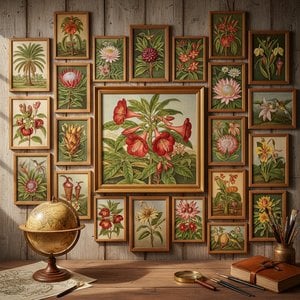
Marianne North's Masterpieces: 25 Botanical Paintings That Bloom With Adventure | ArtsDot
Journey through the vibrant world of Marianne North’s botanical paintings! Explore 25 iconic artworks from this Victorian artist, celebrating exotic flora & travel. Find museum-quality reproductions and curated decor ideas at ArtsDot.com.


