


 معاينة الحجم الحقيقي
 مشاركة
 مشاركة
 التفاصيل

 تحميل الملف
 قطع مشابهة
 الأشعة السينية
 عرض شرائح
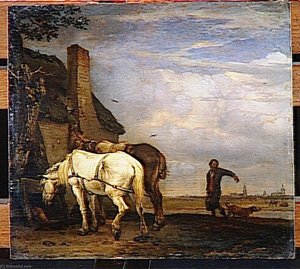
Classical landscape
 عرض المزيد
نسخة زيتية مصنوعة يدوياً
لوحة زيتية مرسومة يدوياً على الكانفاس بالمقاس والإطار الذي تفضله، تُنفذ حسب الطلب على أيدي فنانينا. ( اشترِ نسخة مطبوعة اشترِ الصورة)




































اختر من بين أحجامنا المُعدّة مسبقًا والتي تتطابق مع النسب الأصلية للعمل الفني.

يمكنك إدخال أبعادك الخاصة لتناسب إطارًا معينًا أو مساحة محددة. وإذا لم يتطابق الحجم الذي اخترته مع نسب الصورة الأصلية، فسنقوم إما بقص العمل الفني أو توسيع اللوحة بإضافة عناصر مرسومة يدويًا. سيتم إرسال نموذج رقمي إليك للموافقة عليه قبل بدء الإنتاج.
يرجى ملاحظة أن المعاينة على الشاشة لا تعكس عملية القص أو التوسيع الفعلية؛ حيث إن النموذج الرقمي وحده هو الذي سيوضح التكوين النهائي بدقة.
وعلى الرغم من توفر أحجام مخصصة، إلا أننا نوصي باختيار أبعاد من القائمة المحددة مسبقًا للحفاظ على النسب الأصلية للعمل الفني.
بعد إتمام الطلب، سيرسل فريق ArtsDot.com بريداً إلكترونياً للعميل لطلب التعليمات وتزويده بمعاينة تجريبية (mockup).
توصيل عالمي إلى خلال 3 إلى 4 أسابيع بدلاً من المدة المعتادة البالغة 5 أسابيع. (17 أغسطس). جودة لا تهاون فيها.

شحن سريع ومجاني لجميع أنحاء العالم

قماش كتان عالي الجودة

تأمين شحن شامل

ضمان استرداد الرسوم الجمركية

ضمان مطابقة الألوان الحقيقية

سياسة الإرجاع خلال 60 يومًا (في حالات العيوب فقط)

ضمان استرداد نقدي بنسبة 100%

خصم عند طلب عدة قطع
 خيار الزجاج متاح فقط للمقاسات التي تقل عن 110 سم

Classical landscape
خامة إعادة الإنتاج
مقاس النسخة المطبوعة
-


السعر الإجمالي النهائي
$ 263
أعمال فنية ذات صلة



السيرة الذاتية للفنان
The Pastoral Vision of Willem Romeijn
In the golden light of the seventeenth-century Netherlands, a period defined by unparalleled prosperity and an enduring fascination with the natural world, the works of Willem Romeijn emerged as a serene testament to the beauty of rural life. Born around 1624 in the vibrant artistic hub of Haarlem, Romeijn was more than just a chronicler of landscapes; he was a poet of the pastoral, capable of transforming a simple meadow into a stage for quiet, profound contemplation. His artistry, deeply rooted in the Dutch Golden Age, captures a sense of timelessness, where the rhythmic grazing of livestock and the soft play of light across a valley evoke an emotional resonance that transcends the mere documentation of scenery.
The foundation of Romeijn’s mastery can be traced back to his formative years in Haarlem, where he entered the studio of the renowned Nicolaes Berchem around 1642. Under Berchem’s tutelage, Romeijn absorbed the stylistic nuances of the atmospheric landscape tradition, learning to manipulate light and shadow to breathe life into animal studies and sprawling vistas. This early training instilled in him a meticulous attention to detail—a hallmark that would later allow him to render the textures of wool, the weight of cattle, and the delicate foliage of the Dutch countryside with breathtaking realism.
A Journey Through Light and Tradition
The trajectory of Romeijn’s career was profoundly altered by his transformative voyage to Italy between 1650 and 1651. Immersing himself in the artistic atmosphere of Rome, he engaged with the enduring humanist traditions and the dramatic chiaroscuro popularized by masters like Caravaggio. This exposure to the Mediterranean light introduced a new dimension to his work, fostering a heightened sensitivity to luminosity that would define his later compositions. Upon his return to Haarlem, his style began to reflect an Italianate influence, blending the rugged charm of Northern landscapes with the luminous, idealized qualities of the Roman school.
Back in his native Haarlem, Romeijn became a pillar of the local artistic community. His commitment to his craft was formalized through his membership in the Haarlem Guild of Saint Luke from 1646 onwards. His ascent within the guild was notable; he served in prestigious capacities such as vinder and oud-vinder, working alongside contemporaries like Frans de Hulst and Jacob de Wet. These roles were not merely administrative but signified his standing among the elite painters of his era, a period when Haarlem was a crucible of innovation and artistic experimentation.
Legacy of the Pastoral Master
The enduring significance of Willem Romeijn lies in his ability to capture the soul of the landscape. While his works have occasionally been conflated with those of other masters such as Berchem or Adriaen van der Kabel, a closer examination reveals a distinct voice characterized by an understated emotional depth and a tranquil, almost meditative quality. His recurring themes—grazing cattle, wandering sheep, and the quiet presence of peasants—serve as a window into a world of stability and peace.
Throughout his long career, which saw his last dated works as late as 1694, Romeijn remained dedicated to the pursuit of atmospheric truth. His paintings do not merely depict animals in a field; they invite the viewer to inhabit a moment of stillness. Today, his legacy continues to inspire, standing as a vital link in the chain of Dutch landscape painting and reminding us of the profound beauty found in the simplest corners of the natural world.

willem romeijn
1624 - 1693 , Netherlands
حقائق سريعة
- Artistic Movement Or Style: Roman School
- Artists Who Influenced This Artist: ['Nicolaes Berchem']
- Date Of Birth: ca. 1624
- Full Name: Willem Romeijn
- Nationality: Dutch
- Notable Artworks:
- Landscape with Animals
- Landscape with Cattle and a Peasant Woman
- Landscape with Cattle and a Cowherd
- Place Of Birth: Haarlem, Netherlands

