

 معاينة الحجم الحقيقي
 مشاركة
 مشاركة
 التفاصيل

 تحميل الملف
 قطع مشابهة
 الأشعة السينية
 عرض شرائح
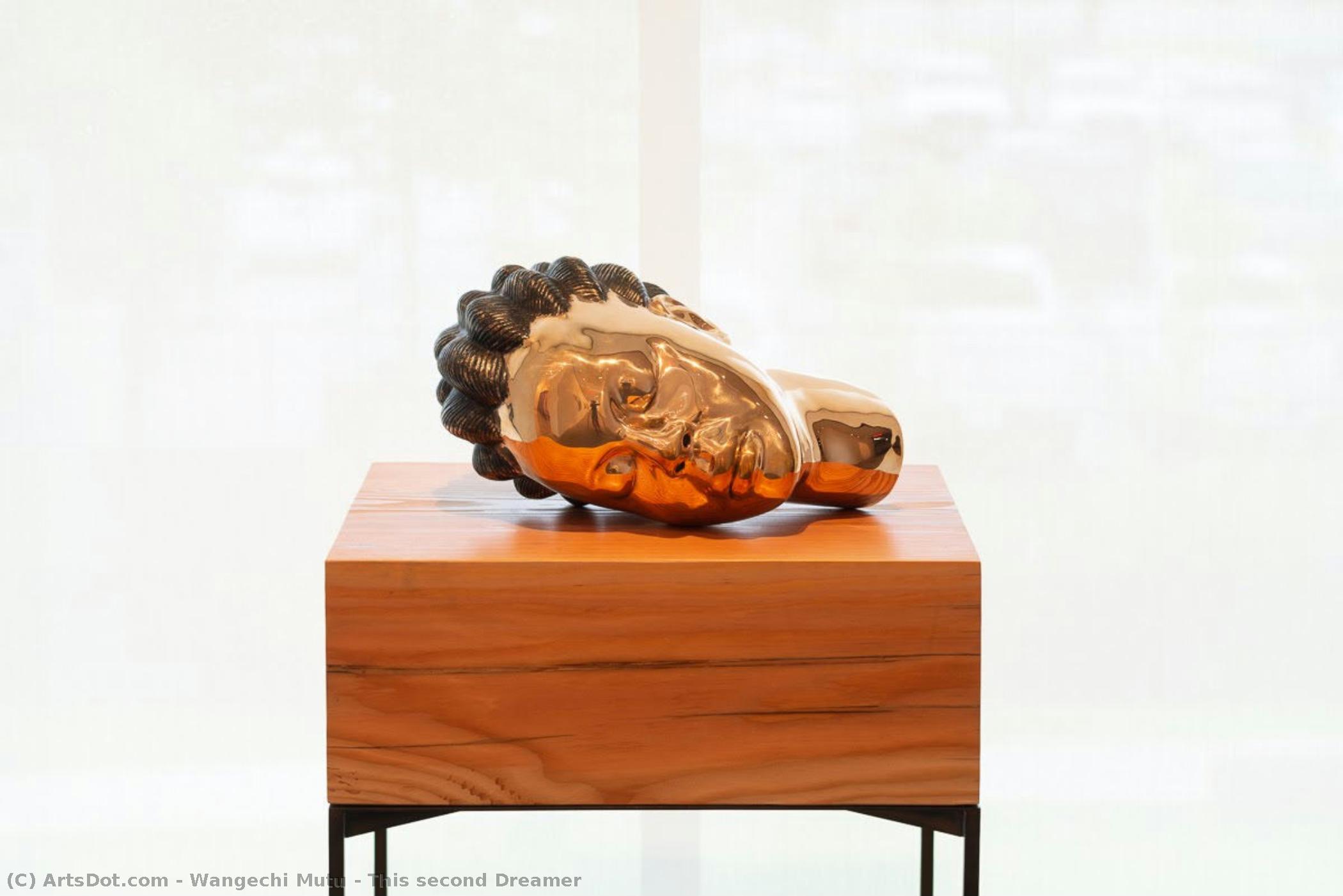
This second Dreamer


 عرض المزيد
نسخة زيتية مصنوعة يدوياً
لوحة زيتية مرسومة يدوياً على الكانفاس بالمقاس والإطار الذي تفضله، تُنفذ حسب الطلب على أيدي فنانينا. ( التحويل للنسخة المطبوعة التبديل إلى الصورة)




































اختر من بين أحجامنا المُعدّة مسبقًا والتي تتطابق مع النسب الأصلية للعمل الفني.

يمكنك إدخال أبعادك الخاصة لتناسب إطارًا معينًا أو مساحة محددة. وإذا لم يتطابق الحجم الذي اخترته مع نسب الصورة الأصلية، فسنقوم إما بقص العمل الفني أو توسيع اللوحة بإضافة عناصر مرسومة يدويًا. سيتم إرسال نموذج رقمي إليك للموافقة عليه قبل بدء الإنتاج.
يرجى ملاحظة أن المعاينة على الشاشة لا تعكس عملية القص أو التوسيع الفعلية؛ حيث إن النموذج الرقمي وحده هو الذي سيوضح التكوين النهائي بدقة.
وعلى الرغم من توفر أحجام مخصصة، إلا أننا نوصي باختيار أبعاد من القائمة المحددة مسبقًا للحفاظ على النسب الأصلية للعمل الفني.
بعد إتمام الطلب، سيرسل فريق ArtsDot.com بريداً إلكترونياً للعميل لطلب التعليمات وتزويده بمعاينة تجريبية (mockup).
توصيل عالمي إلى خلال 3 إلى 4 أسابيع بدلاً من المدة المعتادة البالغة 5 أسابيع. (10 أغسطس). جودة لا تهاون فيها.

شحن سريع ومجاني لجميع أنحاء العالم

قماش كتان عالي الجودة

تأمين شحن شامل

ضمان استرداد الرسوم الجمركية

ضمان مطابقة الألوان الحقيقية

سياسة الإرجاع خلال 60 يومًا (في حالات العيوب فقط)

ضمان استرداد نقدي بنسبة 100%

خصم عند طلب عدة قطع
 خيار الزجاج متاح فقط للمقاسات التي تقل عن 110 سم

This second Dreamer
خامة إعادة الإنتاج
مقاس النسخة المطبوعة
-


السعر الإجمالي النهائي
$ 263
أعمال فنية ذات صلة


السيرة الذاتية للفنان
Early Life and Education
Wangechi Mutu (; born 1972) is a Kenyan American visual artist, known primarily for her collage paintings, sculpture & film work exploring female identity, cultural trauma, race, colonialism, and environmental destruction. A leading voice in feminist art, Mutu’s artistic journey began amidst the vibrant tapestry of Nairobi’s multicultural landscape. Born to Kikuyu parents, she received a formative education at Loreto Convent Msongari, fostering an appreciation for both tradition and intellectual curiosity. Recognizing her potential beyond the confines of conventional schooling, Mutu pursued higher studies at the United World College of the Atlantic in Wales (I.B., 1991), broadening her horizons and cultivating a global perspective. This experience instilled in her a profound understanding of interconnectedness—the idea that “If a plant has just one root and one with a network of roots,” she explains, “that doesn’t necessarily mean it’s going to stand straight and strong. The idea of having many roots, of having your feet really grounded in different places, is extremely empowering for me.”Artistic Development and Influences
Mutu's artistic trajectory solidified during her time at Yale School of Art (MFA, 2000), where she honed her sculptural skills and experimented with innovative materials. Her formative years were marked by exposure to anthropological studies—particularly those examining the complexities of African culture—which profoundly shaped her worldview and fueled her desire to interrogate societal narratives surrounding gender and race. Mutu’s artistic vision was further enriched by her engagement with fine arts, allowing her to develop a sophisticated understanding of visual language and technique. She cites her mother's medical books on tropical diseases as an inspiration, stating that “there is nothing more insanely visually interesting and repulsive than a body infected with tropical disease; these are diseases that grow and fester and become larger than the being that they have infected, almost.” This fascination with unsettling imagery—particularly depictions of decay and transformation—became a recurring motif in her oeuvre.Signature Style and Themes
Mutu’s distinctive artistic style is characterized by collage painting—a technique she pioneered—which combines disparate elements—photographs, textiles, botanical specimens, and found objects—to create fantastical hybrid figures that defy categorization. Her work delves into profound themes of female identity, cultural trauma, race, colonialism, and environmental destruction. Mutu’s exploration of femininity is particularly noteworthy; she consistently portrays women as multifaceted subjects—often reimagined as mythical creatures or cyborgs—challenging conventional representations of gender roles and celebrating resilience. Recurring symbols—such as serpents, flowers, and celestial bodies—underscore her preoccupation with mythology and spirituality. Her art confronts viewers with uncomfortable truths about power dynamics and societal biases, prompting reflection on issues of representation and resistance.Major Achievements and Recognition
Mutu’s artistic accomplishments have garnered international acclaim, culminating in prestigious awards and exhibitions worldwide. She was honored by Deutsche Bank as their first “Artist of the Year” in 2010, receiving a solo exhibition at Deutsche Guggenheim in Berlin—titled *My Dirty Little Heaven*, which traveled to Wiels Contemporary Art Center in Forest, Belgium. In 2013, Mutu’s *A Fantastic Journey* debuted at The Nasher Museum of Art at Duke University and subsequently toured Brooklyn Museum's Elizabeth A. Sackler Center for Feminist Art. Her film *The End of Eating Everything*, awarded the Brooklyn Museum Artist of the Year prize in Philadelphia, explores themes of consumption and ecological degradation. Mutu’s work has been featured prominently in major biennials—including Prospect 1 and Gwangju Biennial—and exhibitions at institutions such as Tate Modern, MoMA, and The British Museum. Her commitment to artistic innovation and her unflinching engagement with social issues solidify her position as a pivotal figure in contemporary art.Legacy and Influence
Wangechi Mutu’s work continues to inspire artists and scholars alike—serving as a catalyst for dialogue about gender, race, and colonialism. Her pioneering use of collage and sculpture has expanded the boundaries of artistic expression—challenging conventions and prompting viewers to reconsider their perceptions of beauty and power. Mutu's exploration of female subjectivity—particularly her reimagining of archetypal figures—has resonated deeply with feminist thinkers—affirming the importance of confronting societal biases and advocating for transformative change. Her enduring legacy resides in her unwavering dedication to artistic integrity—and her courageous commitment to articulating complex narratives about identity, trauma, and resilience—making her a beacon of creativity and critical inquiry within the global art landscape.
Wangechi Mutu
1972 - , Kenya
حقائق سريعة
- Artistic Movement Or Style: Contemporary Art
- Artists Or Movements Influenced By This Artist: ['Surrealism']
- Artists Who Influenced This Artist: ['Laura Cumming']
- Date Of Birth: 1972
- Full Name: Wangechi Mutu
- Nationality: Kenyan-American
- Notable Artworks:
- Black Soil Poems
- I Am Speaking, Are You Listening?
- The End of Eating Everything
- Place Of Birth: Nairobi, Kenya
مقالات ذات صلة

Defining Art Now: Top 10 Masterpieces of '08-Contemporary & Beyond | ArtsDot
Explore 10 defining masterpieces of contemporary art – from Jeff Koons to Yayoi Kusama. Discover the stories behind iconic paintings & sculptures, and find museum-quality reproductions for your home at ArtsDot.com. Explore the full collection online!

The Enduring Legacy of Bronze Sculpture: Technique, Symbolism & Cultural Impact
Explore the rich history & enduring appeal of bronze sculpture with expert insights for collectors. Learn about casting techniques, iconic artists, collecting tips & contemporary interpretations at ArtsDot.

الإرث الدائم للنحت البرونزي: تاريخ، تقنيات، وتفسيرات معاصرة
استكشف تاريخ النحت البرونزي وتقنياته العريقة، من صب الشمع المفقود إلى التحف المعاصرة. دليل شامل لجامعي الفن والمستثمرين والمهتمين بتقييم الأعمال الفنية.

The Enduring Legacy of Bronze Sculpture: A Collector's Guide to Form & Cultural Significance
Explore the rich history & enduring appeal of bronze sculpture with expert insights for collectors at ArtsDot. Learn about casting techniques, iconic artists, and collecting tips to build a discerning art collection.

Bronze Age to Modern Masters: 10 Sculptures That Redefined Art | ArtsDot
Journey through art history with 10 legendary bronze sculptures – from Michelangelo's David to Rodin’s Thinker. Explore the stories, techniques & timeless beauty of these masterpieces. Find museum-quality reproductions & elevate your home decor on ArtsDot.com.

