


 معاينة الحجم الحقيقي
 مشاركة
 مشاركة
 التفاصيل

 تحميل الملف
 قطع مشابهة
 الأشعة السينية
 عرض شرائح
The Flight into Egypt
 Oil On Canvas
- WallArt
- Renaissance Painting
 1500
1500 73.0 x 111.0 cm
 المعرض الوطني للفنون
 عرض المزيد
نسخة زيتية مصنوعة يدوياً
لوحة زيتية مرسومة يدوياً على الكانفاس بالمقاس والإطار الذي تفضله، تُنفذ حسب الطلب على أيدي فنانينا. ( اشترِ نسخة مطبوعة اشترِ الصورة)




P118B $10

P118H $10

P118W $10

P438Z $10

P508JH $12

P508YH $12

P805H $10

P805Z $10

P919BZ $10

P919G $10

P919XJ $10

P959ZH $10

P968JZ $12

W106C $8

W218G $10

W218JH $8

W218Y $10

W307PJ $10

W316G $10

W316PJ $8

W316Y $10

W398PJ $8

W4111J $10

W500HY $15

W500JH $15

W692G $12

W849H $8

W940BG $15

W953PJ $8




اختر من بين أحجامنا المُعدّة مسبقًا والتي تتطابق مع النسب الأصلية للعمل الفني.

يمكنك إدخال أبعادك الخاصة لتناسب إطارًا معينًا أو مساحة محددة. وإذا لم يتطابق الحجم الذي اخترته مع نسب الصورة الأصلية، فسنقوم إما بقص العمل الفني أو توسيع اللوحة بإضافة عناصر مرسومة يدويًا. سيتم إرسال نموذج رقمي إليك للموافقة عليه قبل بدء الإنتاج.
يرجى ملاحظة أن المعاينة على الشاشة لا تعكس عملية القص أو التوسيع الفعلية؛ حيث إن النموذج الرقمي وحده هو الذي سيوضح التكوين النهائي بدقة.
وعلى الرغم من توفر أحجام مخصصة، إلا أننا نوصي باختيار أبعاد من القائمة المحددة مسبقًا للحفاظ على النسب الأصلية للعمل الفني.
بعد إتمام الطلب، سيرسل فريق ArtsDot.com بريداً إلكترونياً للعميل لطلب التعليمات وتزويده بمعاينة تجريبية (mockup).
توصيل عالمي إلى خلال 3 إلى 4 أسابيع بدلاً من المدة المعتادة البالغة 5 أسابيع. (25 أغسطس). جودة لا تهاون فيها.

شحن سريع ومجاني لجميع أنحاء العالم

قماش كتان عالي الجودة

تأمين شحن شامل

ضمان استرداد الرسوم الجمركية

ضمان مطابقة الألوان الحقيقية

سياسة الإرجاع خلال 60 يومًا (في حالات العيوب فقط)

ضمان استرداد نقدي بنسبة 100%

خصم عند طلب عدة قطع
 خيار الزجاج متاح فقط للمقاسات التي تقل عن 110 سم

The Flight into Egypt
خامة إعادة الإنتاج
مقاس النسخة المطبوعة
-


السعر الإجمالي النهائي
$ 263
وصف العمل الفني
The Flight into Egypt: A Venetian Masterpiece of Narrative and Light
Vittore Carpaccio’s “The Flight into Egypt,” painted around 1500, is more than just a biblical scene; it's a meticulously crafted tableau brimming with narrative complexity, subtle symbolism, and an extraordinary command of late-Quattrocento Venetian painting. This monumental work, measuring 73 x 111 cm, housed within the National Gallery of Art in Washington D.C., offers a captivating glimpse into the world of Renaissance Venice – a city renowned for its artistic innovation and its deep engagement with both classical tradition and emerging humanist thought.
Carpaccio’s style is immediately recognizable: a deliberate conservatism that sets him apart from the more flamboyant figures of his time, like Bellini. He eschewed the radical experimentation of the High Renaissance, instead favoring a grounded approach rooted in meticulous observation and a profound understanding of narrative structure. His work isn't about dramatic gestures or idealized beauty; it’s about conveying a story with clarity and precision. This is evident in the careful positioning of figures, the detailed rendering of clothing and landscape, and the restrained use of color – predominantly earthy tones punctuated by vibrant reds and blues that draw the eye to key elements within the composition.
The scene itself—Mary, Joseph, and the infant Jesus fleeing Bethlehem for Egypt—is a cornerstone of Christian iconography. However, Carpaccio elevates this familiar narrative through his masterful execution. He doesn’t simply depict the event; he constructs a carefully orchestrated drama. Note the deliberate arrangement of the figures – Mary is centrally positioned, radiating maternal concern as she guides her family along the dusty road. Joseph, depicted with a weary but resolute expression, leads the way, while the infant Jesus, remarkably lifelike in his depiction, appears calm and trusting. The inclusion of several other individuals—a man carrying a staff, a group of travelers—adds layers to the story, suggesting a broader community responding to the unfolding events.
The Influence of Early Netherlandish Art
A key element contributing to Carpaccio’s distinctive style is his debt to early Netherlandish painting. Like Jan van Eyck and Rogier van der Weyden, he employed a painstaking attention to detail, rendering textures with incredible realism. The folds of Mary's cloak, the rough surface of the donkey’s hide, the intricate patterns on the travelers’ garments—all are rendered with meticulous precision. This commitment to naturalism is further emphasized by Carpaccio’s use of *sfumato*, a subtle blurring technique that softens outlines and creates an atmospheric effect, particularly noticeable in the distant landscape.
Furthermore, Carpaccio's compositional choices mirror those found in Netherlandish works. The figures are arranged within a shallow space, creating a sense of immediacy and drawing the viewer into the scene. The use of perspective, though not entirely innovative for Venice at the time, is carefully considered to create depth and spatial coherence. This influence is particularly evident in the depiction of the road leading towards the horizon—a recurring motif in Netherlandish landscapes.
Symbolism and Venetian Context
Beyond its narrative function, “The Flight into Egypt” is rich in symbolic meaning. The donkey itself represents humility and service – a deliberate choice that underscores Mary’s role as a humble servant of God. The landscape—a barren, sun-baked terrain—symbolizes the hardships faced by the Holy Family during their flight. The inclusion of the staff-carrying figure has been interpreted as representing Joseph's lineage or perhaps even a divine messenger guiding them on their journey.
Painted in Venice around 1500, this work reflects the city’s burgeoning artistic and economic power. Venice was a major center for trade and cultural exchange, attracting artists from across Europe. Carpaccio’s style—a synthesis of Venetian tradition and Northern European influences—embodied this cosmopolitan spirit. The painting's acquisition by the Medici family in Florence further underscores its significance as a masterpiece of the Renaissance.
A Timeless Masterpiece: Reproduction and Beyond
“The Flight into Egypt” remains a profoundly moving work, offering viewers a glimpse into the heart of Christian faith and the artistic genius of Vittore Carpaccio. Reproductions capture much of the original’s power, allowing this iconic image to be enjoyed by a wider audience. When selecting a reproduction, consider the quality of materials and printing techniques – aiming for a faithful representation of Carpaccio's masterful use of light, color, and detail. This painting is not merely a depiction of a biblical story; it’s an invitation to contemplate themes of faith, family, and the enduring power of art.
أعمال فنية ذات صلة


السيرة الذاتية للفنان
الحياة المبكرة والتدريب
فيتوري كارباتشيو، الرسام الإيطالي البارز، وُلد في البندقية حوالي عام 1465. وقد درس تحت إشراف جينتيليه بيليني، الفنان الشهير من مدرسة البندقية. لقد أرست هذه الفترة التدريبية الأساس لنجاح كارباتشيو المستقبلي.الأسلوب الفني والتأثيرات
كان أسلوب كارباتشيو يتميز بطبيعته المحافظة، حيث أظهر تأثراً ضئيلاً بالتيارات الإنسانية التي غيرت لوحات عصر النهضة الإيطالية خلال حياته. وقد تأثر عمله بأسلوب أنطونيلو دا ميسينا والفن الهولندي المبكر. وقد أدى هذا المزيج الفريد من الأساليب إلى نهج مميز للرسم في البندقية.الأعمال البارزة
- تُعد أسطورة القديسة أورسولا، وهي سلسلة من تسع لوحات، أشهر أعمال كارباتشيو. تعرض هذه السلسلة، المعروضة الآن في غاليريه ديل أكاديميا، إتقانه للرسم السردي.
- تُظهر لوحة مجد القديسة أورسولا (1491) مهارة كارباتشيو في التقاط الضوء واللون، مما يذكرنا بأسلوب جوفاني بيليني.
- يسلط عمل معجزة صليب الرواسب عند جسر ريالتو (1494) الضوء على قدرة كارباتشيو على الموازنة بين التكوين والسرد.
أبرز محطات المسيرة والإرث
- تم تنفيذ الأعمال الرئيسية لكارباتشيو بين عامي 1490 و 1519، مما يضعه ضمن كبار أساتذة عصر النهضة البندقية المبكرة.
- يعكس أسلوبه الشرقي، كما يتجلى في لوحة القديس جورج يعمد السيلينيتيين، افتتاناً جديداً بلشت.
- ظل عمل كارباتشيو إلى حد ما مغموراً مقارنة بمعاصريه، مثل جوفاني بيليني أو جورجيوني.
المراجع والمزيد من القراءة
اكتشف المزيد عن فيتوري كارباتشيو ومدرسة البندقية على ArtsDot.
فيتوري كارباتشيو
1465 - 1526 , إيطاليا
حقائق سريعة
- Artistic Movement Or Style: عصر النهضة البندقي المبكر
- Artists Or Movements Influenced By This Artist: ['الرسم الفلمنكي المبكر']
- Artists Who Influenced This Artist:
- أنطونيلو دا ميسينا
- جينتيليه بيليني
- Date Of Birth: البندقية، إيطاليا (حوالي 1465)
- Date Of Death: 1526
- Full Name: فيتوري كارباتشيو
- Nationality: إيطالي
- Notable Artworks:
- أسطورة القديسة أورسولا
- المذبح المجد للقديسة أورسولا
- معجزة صليب الرواسب في بونتي دي ريالتو
- Place Of Birth: البندقية
مقالات ذات صلة
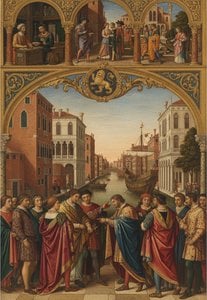
Vittore Carpaccio: Venetian Renaissance Narrative & the Poetics of Detail
Explore the captivating world of Vittore Carpaccio, a master storyteller of the Venetian Renaissance. Discover his intricate details, narrative cycles like 'The Legend of St. Ursula,' and unique artistic style.

Jacob Henricus Maris: A Master of Dutch Atmospheric Realism & the Intimate Landscape
Explore the captivating world of Jacob Henricus Maris, a leading figure of the Dutch Hague School. Discover his atmospheric landscapes, signature brushstrokes & lasting influence on 19th-century art. Learn more at ArtsDot.

أفضل 25 لوحة لجوتو دي بوندوني: تحف فنية لتزيين منزلك بأناقة
اكتشف أروع 25 لوحة لجوتو دي بوندوني، رائد فن عصر النهضة. استكشف قصصًا فنية خالدة وتقنيات فريدة وألوانًا آسرة. احصل على نسخ عالية الجودة لتزيين منزلك بأناقة رفيعة على ArtsDot.com

Mario Sironi: A Poetic of Modern Italian Identity Through Symbolism & Social Commentary
Explore the profound works of Mario Sironi, a key figure in Italian Modernism. Discover his evolution from Futurism to Metaphysical painting and his powerful social commentary. Learn about his legacy at ArtsDot.
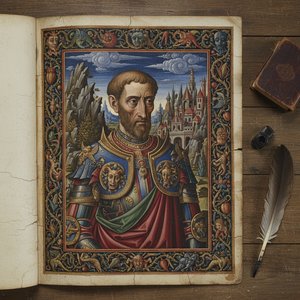
Cosmè Tura: Rediscovering the Ferrarese Master & His Distinctive Style
Discover Cosmè Tura (1430-1495), founder of the Ferrara School. Explore his unique style, key artworks & lasting influence. Expert insights for collectors.


